"AI Version of Sun Yuchen": Emad Mostaque, the Unsung Hero Behind Stable Diffusion
TechFlow Selected TechFlow Selected
"AI Version of Sun Yuchen": Emad Mostaque, the Unsung Hero Behind Stable Diffusion
More than two months after leaving his previous position, Emad has launched his own Web3+AI project: SchellingAI.
 Navigating Web3 tides with focused insights
Author | Xiaohei Tu Sam
Editor | Yang Xinyan
Responsible Editor | Wang
01 Who is Emad Mostaque?
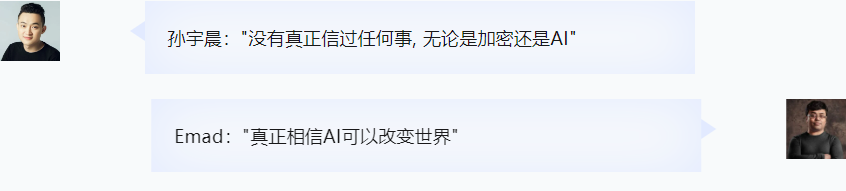
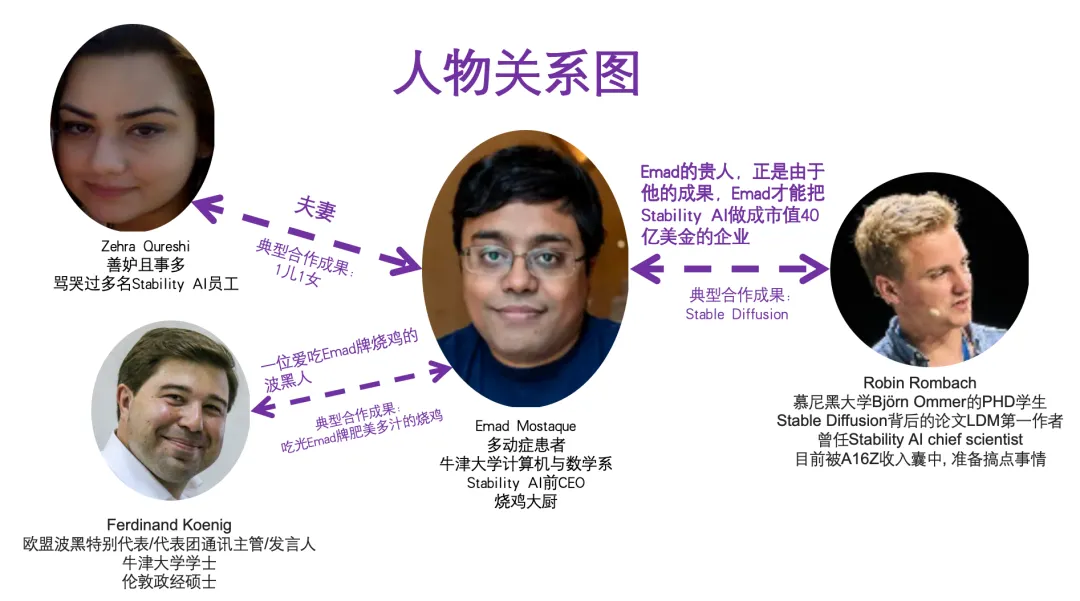
Emad Mostaque, born in April 1983, is a quintessential Aries. His biggest difference from someone like Sun Ge lies in the fact that Emad genuinely believes AI can change the world and make our future better.
Emad was born into a Bangladeshi Muslim family in Jordan. One month after his birth, he was taken to Dhaka, the capital of Bangladesh, and immigrated to the UK with his family at age seven.
When Emad was young, his parents noticed he was exceptionally intelligent but also had a volatile temper—often grabbing other children's toys and pulling the braids of Charlotte, the girl who sat in front of him in elementary school. The prevalence of ADHD among Indian and Bangladeshi populations is about one in a thousand, and his parents were deeply concerned. To channel Emad’s boundless energy, Emad Sr., his father—a business lecturer in London—decided to give his only son, who suffered from “Asperger’s Syndrome” (ADHD), a special training:
"The British Accent Training Program"
The original goal of this program was to enable Emad to use his intelligence and authentic British accent in the future to work as a tour guide or local companion for fellow Bangladeshis visiting or studying in the UK.
However, over time, Emad’s life path began to shift slightly…
02 A Chaotic Twenties
Emad’s youth remains largely mysterious, except for one known fact: between ages 10 and 19, he attended Westminster School, the top-ranked secondary school in the UK (also known as Westminster Public School), renowned as a "factory for Oxford and Cambridge."

Hurun and HSBC release the 2024 Global High School Rankings
Westminster School ranks #1 globally among high schools
PS: We don’t know whether Emad, like Sun Yuchen (Sun Ge), casually wrote an essay titled “On the Position and Development of Muslim Communities in the British Empire” that impressed Oxford’s admissions committee and secured him an offer.
Regardless, what we do know is that in 2002, 19-year-old Emad, like countless alumni before him and as a descendant of Bangladesh, entered one of the UK’s top two universities, Oxford University. Realizing his exceptional linguistic talent had reached its ceiling, Emad decided to study Mathematics and Computer Science to expand his technical thinking.
Looking back now, this was a wise decision. During Emad’s university years (early 2000s to 2005), individuals who combined strong technical reasoning with outgoing personalities and charisma were extremely rare.
Emad walked with the wind at his back.
One year after graduating, Emad married his lifelong love, Zehra Qureshi. They had two children together, and Emad landed a job at a hedge fund, starting a career in crude oil trading. Being Muslim himself, Emad became passionate in his 20s about helping Muslim communities by creating online forums and offering indirect AI assistance.

August 2006: Emad with his wife Zehra Qureshi
Emad discovered his unfair advantage and gained opportunities to advise governments on Middle Eastern affairs and Islamism, laying a solid foundation for his later access to elite resources such as the United Nations, World Bank, and WHO (although the UN, WHO, and World Bank later denied any collaboration with Emad, it didn’t stop him from making money—this story is long, but I’ll summarize in one sentence: Emad’s audience really buys into this narrative).
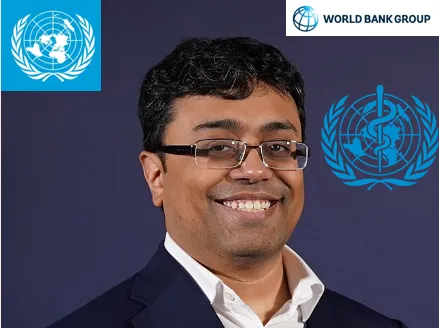
Between 2005 and 2020, Emad traded stocks and crypto while founding numerous companies and government partnership projects
Emad’s shrewdness quickly elevated him to portfolio manager, where he invested heavily in video games and AI projects, reaping substantial returns. Over a decade later, Emad summarized his pre-Stability AI life with remarkable clarity:
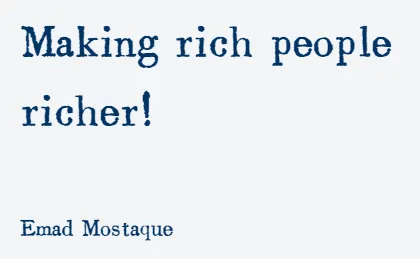
While helping the rich get richer, Emad also made a tidy profit himself. In August 2009, just 26 years old, Emad purchased a 167-square-meter ground-floor three-bedroom apartment in Iverna Gardens, at the intersection of Chelsea and Kensington in London’s affluent district, for £1.7 million.
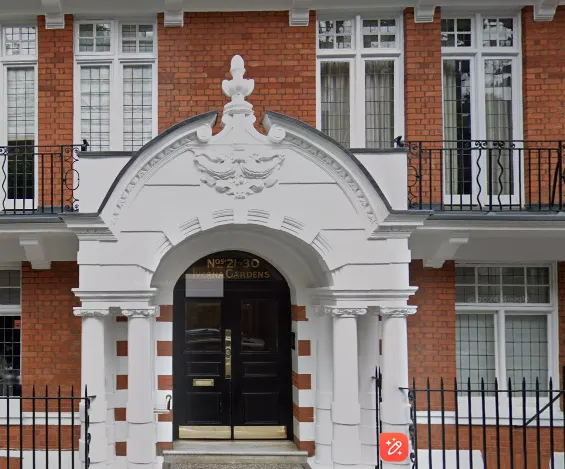
Just one year after the 2008 financial crisis, 26-year-old Emad managed to spend £1.7 million on a luxury home in West London
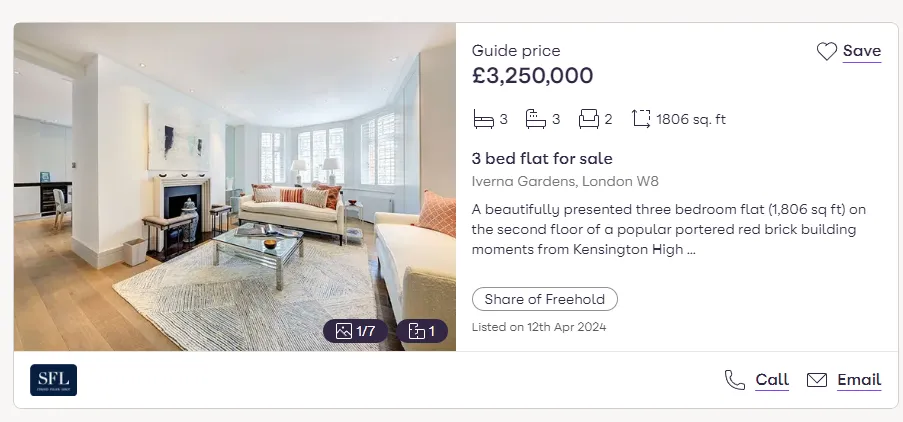
According to Zoopla, the UK version of Lianjia, similar properties in that area now list for £3.25 million—an increase of 91% since Emad bought it. Over 15 years, that amounts to a 4.4% annualized return. Indeed, those in finance have extraordinary vision.
03Two Sides of the Coin: How Did Emad Knock on the Door of AI?
Hold on a second—by now, doesn’t something feel off? Up until this point, the story seems to be unfolding like a glamorous success tale of a second-generation immigrant?
The Uplifting Side: Leaving Hedge Funds, Healing His Autistic Son, and Entering AI
Starting in 2011, due to his son being diagnosed with autism, Emad—the once "high-flying smart young guy"—was forced to step off his original career track.
With a background in computer science and mathematics, when doctors told him autism couldn’t be cured or treated, Emad began to develop a genuine interest in AI. He wondered if, given traditional therapies weren't working, he could use AI to disruptively solve autism—applying Elon Musk’s "First Principle" to deconstruct the problem.
First, he assembled an AI team, scraped all available literature on autism, and identified commonalities. Through algorithmic analysis, they gradually converged on one direction: the balance of GABA-glutamate in the brain.
Eventually, with AI and medical support, Emad successfully used drug repurposing to improve his autistic son’s language abilities and enabled him to attend regular school.
After completing his son’s treatment, Emad returned to the hedge fund and began seriously investing time in research related to medicine and autism. A representative project: Emad served as the technical architect for Stanford University’s Collective and Augmented Intelligence Against COVID-19 (CAIAC) initiative.
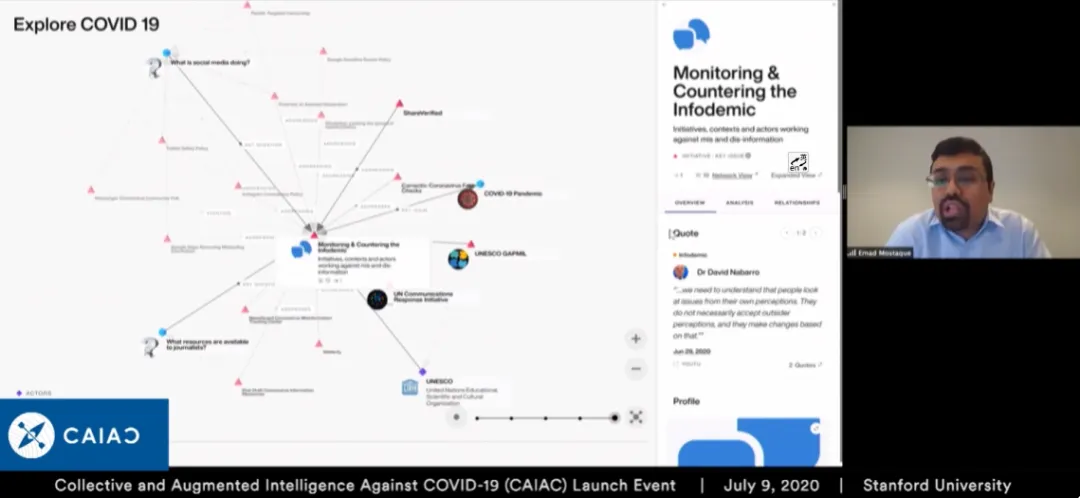
Emad’s tech presentation during Stanford’s CAIAC initiative in 2020
The Other Side: Behind the Scenes—Six Failed Startups in Chelsea
According to gov.uk, starting at age 30, Emad launched six startups from his mansion. His first company, ANANAS Network, was publicly promoted as a nonprofit dedicated to advancing AI for social good.
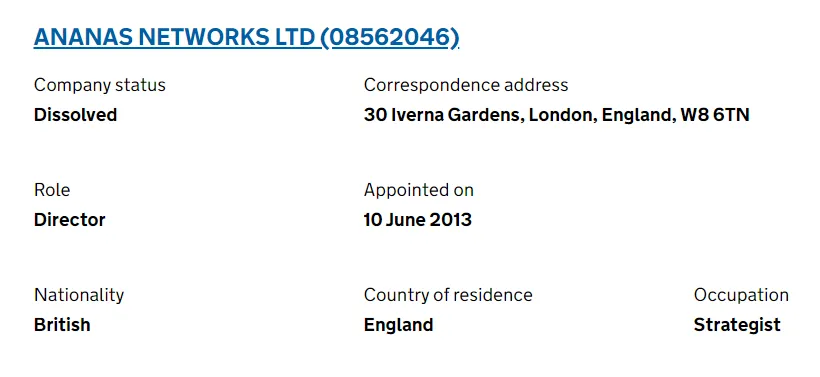
The company employed only Emad and his sister-in-law Aisha Qureshi (born 1991), and folded five years later.
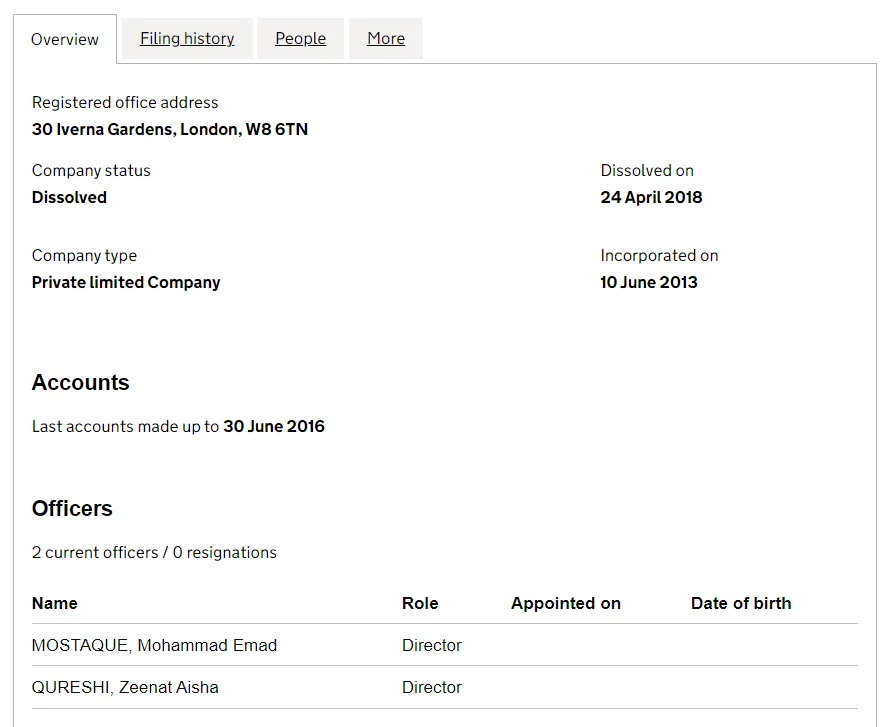

Emad’s sister-in-law: Zeenat Qureshi
Between 2013 and 2014, Emad registered five more companies from his mansion, ranging from Muslim consulting services to venture capital. However, in these ventures, Emad no longer hired his sister-in-law but instead operated as a sole proprietor.
Unsurprisingly, all these companies dissolved within 1–5 years.
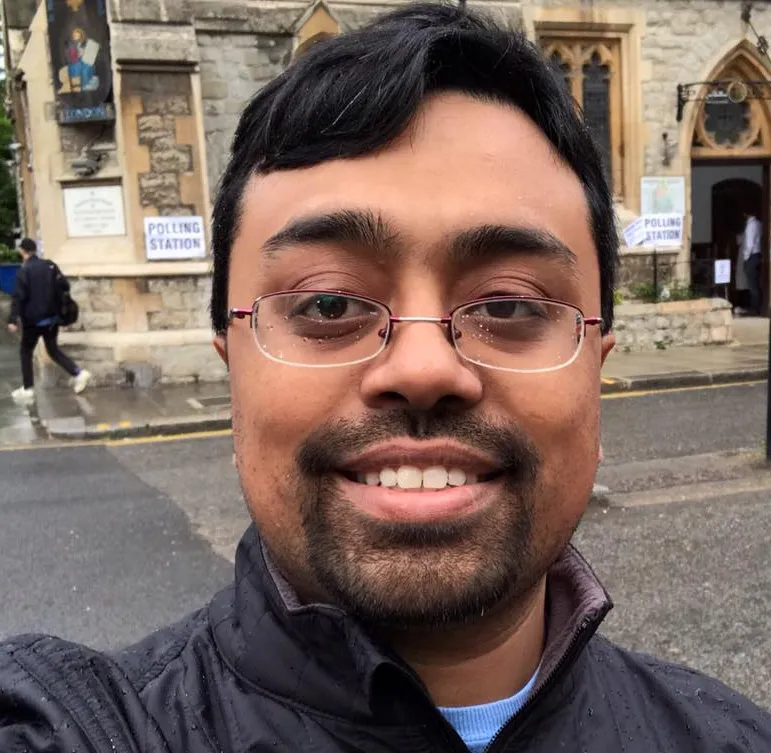
On a rainy day in 2017, Emad took a selfie on the streets of London after yet another company dissolved
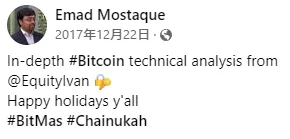
But judging from Emad’s analysis of BTC’s peak in December 2017, he made a killing by shorting—BTC plummeted from nearly $20,000 (December 2017) to $3,000 (December 2018). This perpetual contract shorting accumulated significant wealth for Emad—perhaps karmic reward for his dedication to healing his son.
04 Riding the Wave: Founding Stability AI
Given Emad’s extraordinary talents—blessed by fate—and having both healed his child and profited handsomely from crypto markets—he transcended base motivations of money and began pondering a deeper question: "Can I pull off something big in the AI era?"

The answer came in November 4, 2019. Just one mile from his home, above a chicken shop inside Fora-United House (a co-working space akin to WeWork)—perhaps because he loved chicken so much—Emad launched what would become globally famous: Stability AI. No one could have predicted that this company would transform Emad from an unknown hedge fund manager and roast turkey expert into an unavoidable internet celebrity in the AI world!

Stability AI’s London office
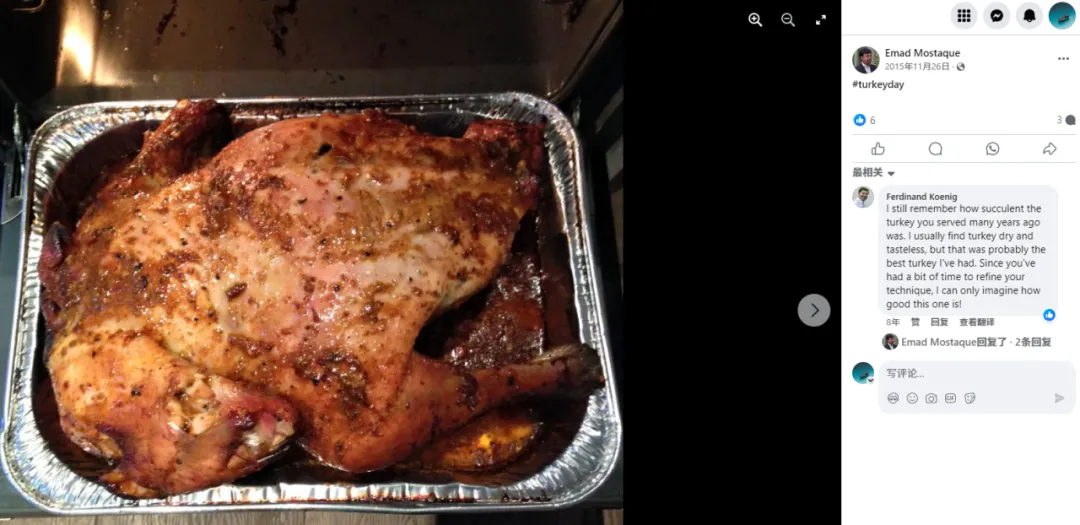
Master turkey chef, Bangladeshi premium selection: Emad-branded turkey—friends who’ve tried it still miss it
Due to his deep understanding of the crypto world, Emad initially wanted to build Stability as a DAO. But realizing DAOs weren’t mature enough yet, he ultimately chose a centralized approach. If you examine Stability AI’s angel investors, you’ll find crypto funds like Seed Club Ventures; the second round came in October 2022, led by Lightspeed Venture Partners, raising $100 million in seed funding.
Lightspeed’s lead investment occurred after Stable Diffusion’s release. According to Emad, Stability AI provided GPU support and sponsorship to the technical team behind the model, helping Professor Björn Ommer from Ludwig Maximilian University of Munich (LMU)—a towering figure over 2 meters tall—lead development. (Interestingly, Ommer had just moved from Heidelberg University to LMU a year before Stable Diffusion’s launch—Heidelberg might still be regretting letting him go.)
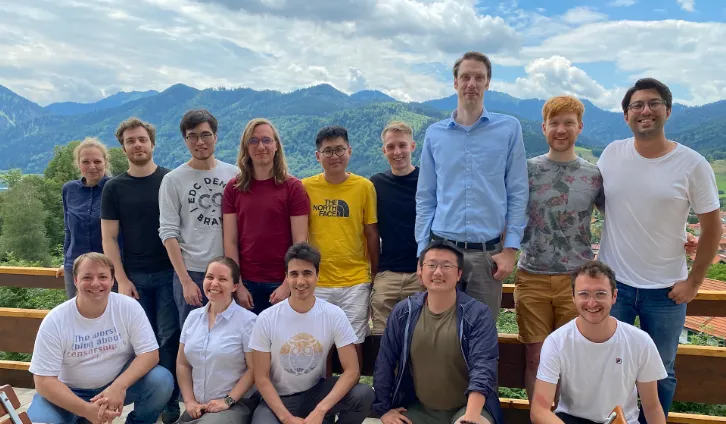
Björn Ommer and his students
05 The Explosive Controversy Around Stable Diffusion
But is that really how it happened? A Forbes exposé revealed that the source code behind Stable Diffusion—the very technology that catapulted Stability AI to fame—was actually written by another group of researchers.
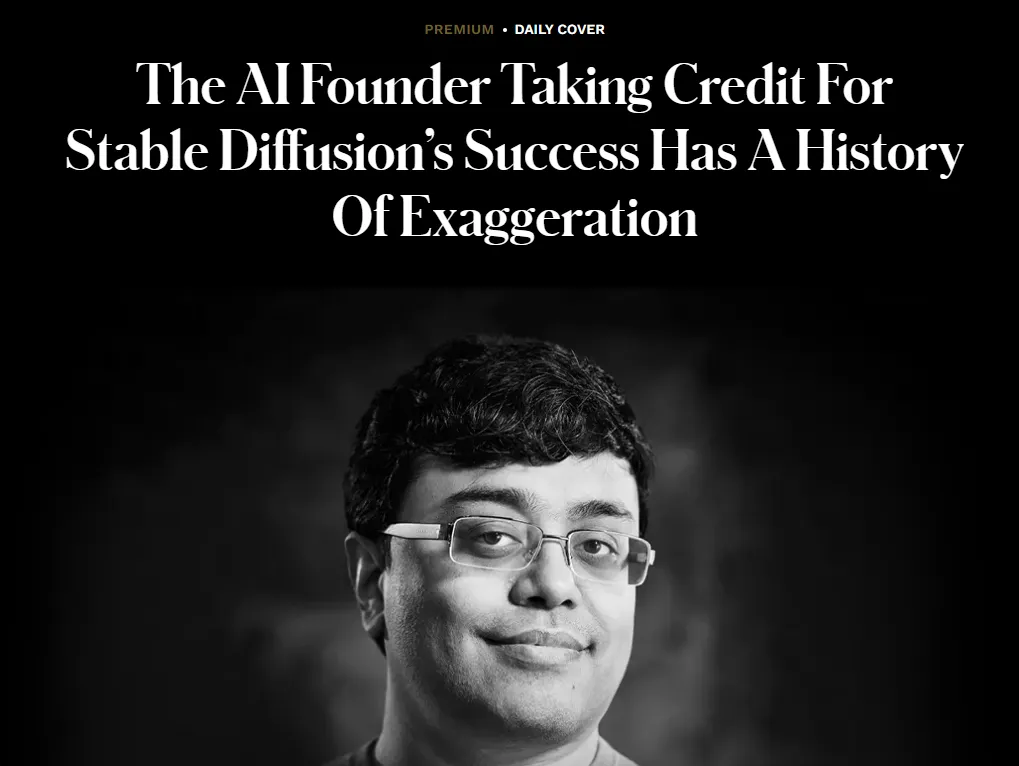
In June 2023, Kenrick Cai, a Chinese-American staff writer at Forbes, detailed a massive scandal behind Emad and his business empire.

Kenrick Cai
There’s too much content here—we’ll stick to the facts:
Stable Diffusion was actually based on the Latent Diffusion Model developed by Professor Björn Ommer’s team at LMU, presented at CVPR 2022, a top-tier computer vision conference. In June, Emad saw this breakthrough at CVPR and proactively offered computing power to Ommer’s team. With powerful hardware support, the Latent Diffusion Model became stronger and more stable. In August, the optimized model was renamed Stable Diffusion and released under the name of Stability AI.
Runway, an early collaborator, received far less recognition and valuation than Stability AI. You could say Emad leveraged sharp insight and generous GPU donations to secure naming rights, permanently binding Stable Diffusion to Stability AI!
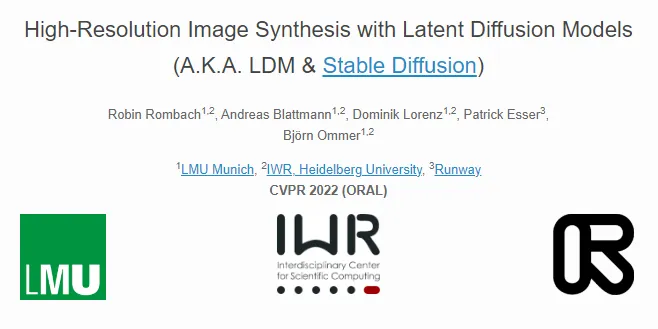
Latent Diffusion model (Stable Diffusion)
Within days of Stable Diffusion’s release, Stability AI secured $100 million from Coatue and Lightspeed. This amount was eight times what Emad had previously raised.
This round alone pushed Stability AI’s valuation past $1 billion, despite the company not yet being profitable.
Yet subsequent press releases credited Stability AI as the sole entity behind Stable Diffusion, omitting any mention of the German university or Runway, one of New York’s leading video generation giants.
Professor Ommer was naturally unhappy. He hoped his lab would receive recognition, but his university’s press office was on vacation at the time (those relaxed Germans).

In an interview with Forbes, Ommer said: “To my knowledge, Stability AI knew nothing about our Latent Diffusion release—they jumped on the bandwagon afterward.”
After a series of drama, Ommer reflected: “This taught me that if your company has a strong PR department, you can reshape facts and rewrite history at will.”

You could say Emad mastered the art of leapfrogging—pulling a monkey move, skillfully manipulating both Ommer from Munich and Runway CEO Valenzuela:

Thus, Emad successfully seized the fruits of victory and instantly earned immense prestige in a field built over years by academic institutions in Germany and the US.
Despite the controversies, Emad was still the ultimate winner in the AIGC space in 2022. By October, Stable Diffusion had reached 10 million daily active users. In May 2023, the White House nominated Stability AI alongside Microsoft and NVIDIA as one of seven leading AI developers for the Federal AI Safety Program (adding the White House to Emad’s partner list after the UN and WHO).
He dined with Jeff Bezos, and Google co-founder Sergey Brin made a rare appearance at Stability AI’s launch event. After the October funding round, the team rapidly expanded, including a former R&D VP from NVIDIA, the head of Google Brain, and students from Professor Ommer’s lab—the actual student authors behind Stable Diffusion...
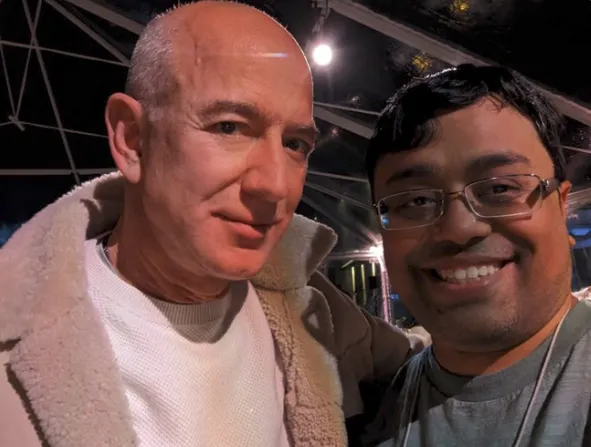
Emad with Jeff Bezos
Although Forbes’ investigative article exposed several issues with Emad:
Degree fraud—Emad does not hold a master’s degree; Oxford automatically awards bachelor’s graduates a master’s after several years.

Wage withholding—Former intern Eric complained about unpaid wages: “I’m still waiting for a reimbursement from last August.”
Misappropriation of funds—Tens of thousands of pounds were transferred from Stability AI’s corporate account to Emad’s wife’s personal account.
Piggybacking on Amazon and Midjourney—Emad once claimed Midjourney as part of his ecosystem, but Midjourney founder David Holz clarified that Mostaque only made a minor donation, and Midjourney has no real connection with Stability AI.
Copyright infringement—Stability AI faces two lawsuits related to copyright violations from training models using the LAION-5B dataset.
Yet Emad remains active in public, dancing like a drunken butterfly among influencers, investors, and media. Even after announcing his resignation in March 2024, he continued appearing everywhere, unshaken by negative news.
06 Qingke Exclusive: The Real Truth About Emad and Stability AI
But according to our exclusive investigation, the real Emad isn’t as bad as portrayed. “Emad is a very pure person, especially toward researchers—he’s sincere. While many see him as unreliable or eccentric, he truly loves AI and doesn’t treat it merely as a money-making tool like course-selling scammers. When he left Stability AI, he didn’t take much compensation or equity, yet he left without regret.” —Said Xiao Ming next door. Due to his “Asperger’s,” he’s often charming, passionate, and kind—but also forgetful and disorganized.
Reality 1: Stability AI’s Tough Fundraising Journey and Major Conflict with Seed Investor Coatue Led to His Departure
Facing the astronomical server costs of Stable Diffusion, Emad tirelessly pitched to every investor and institution willing to listen. Only after Coatue and Lightspeed injected $101 million in seed funding did Emad finally settle Stability AI’s GPU bills with AWS.
After Sri Viswanath, a partner at Coatue, joined Stability AI’s board, he grew frustrated with the company’s chaotic strategy and constant shifts. Though he once praised founder Emad’s vision, he later lost interest in the company. His firm, Coatue, demanded product plans and roadmaps from Stability, but submitted documents went unanswered.
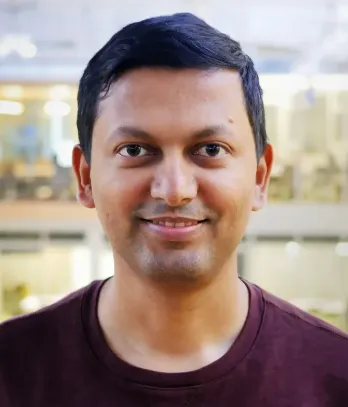
Sri Viswanath (Coatue Partner, Stanford graduate)
By early 2023, Viswanath’s doubts about Emad intensified, and he recommended replacing the CEO. In June, Forbes published negative reports about Emad, worsening tensions. Coatue attempted to assist with recruitment and PR, but distanced itself after the scandal broke, souring relations between Viswanath and Emad.
By late 2023, Emad’s relationship with investors deteriorated further. Seed-round lead investors Coatue and Lightspeed announced their exit from the board. Coatue gave up its seat on October 5 due to conflicts with Intel investments. On October 24, Coatue demanded Emad resign and initiate sale talks, requiring disclosure of his salary and approval of future bonuses by non-executive directors.
It’s fair to say that Stability AI’s current state owes significantly to betrayal by Coatue and Lightspeed. Emad never publicly criticized them after stepping down in March 2024. Compared to Coatue and Lightspeed’s actions, Emad’s courage to shoulder responsibility is extraordinary.
Reality 2: Professor Björn Ommer Overstated His Contribution to Stable Diffusion
Professor Ommer’s criticism of Stability AI may be exaggerated. In reality, Emad initially collaborated with Ommer’s PhD students, not Ommer himself. The success of Stable Diffusion primarily stems from the efforts of Robin Rombach and others, not Ommer’s CVPR 2022 paper.
Without Emad’s aggressive promotion, Robin Rombach might not have become so well-known. At the time, publicly releasing a hundreds-of-MB model was nearly impossible. Stable Diffusion launched in August 2022, over half a year before Llama. One could argue that without Emad, the generative AI ecosystem might look entirely different. Without Stable Diffusion, would Meta have open-sourced Llama? Would they have adopted today’s open-source strategy? Unknown.
Stable Diffusion’s open-sourcing was undoubtedly a pivotal moment in AI model history, making an indelible contribution to Hugging Face (also backed by Coatue), enabling Hugging Face’s diffusers framework to nearly monopolize industrial applications of diffusion models.
From this perspective, Ommer’s accusations may be excessive. His anger likely stemmed from Stability AI not paying him directly. Throughout the process, however, Stability AI bore the full cost of model training, and PhD students like Robin Rombach were fairly compensated.
Reality 3: Runway ML Deceived Stability AI, Releasing Stable Diffusion v1.5 First and Putting Stability AI on the Back Foot
Looking at this from another angle: Patrick Esser (PE), former Tech Lead at Runway and co-author of the Stable Diffusion paper, left Runway in 2023 to join Stability AI, working with Robin Rombach on SD3, and later co-founded Blackforest Labs (incubated by a16z).
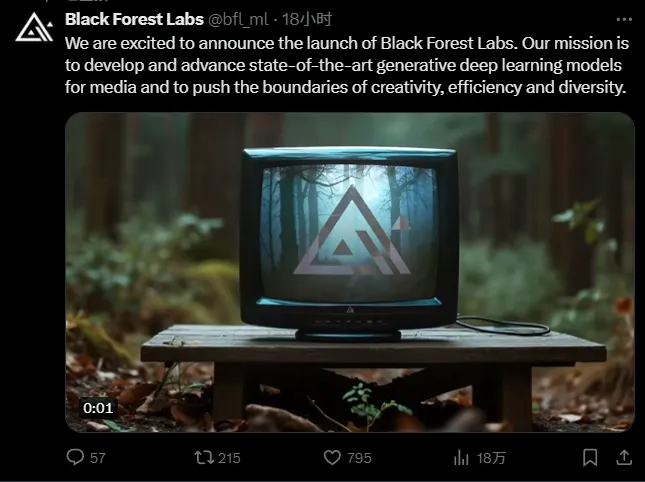
If Runway was truly innocent, why would PE leave Runway to join Stability AI? This choice might reveal insiders’ true sentiments—perhaps those involved understand the situation best.
Reality 4: Spending His Own Money to Reward Employees, But Accidentally Forgetting His Own Needs
Nathan Lile, former Chief of Staff at Stability AI who frequently traveled with Emad, recalled: During a layover, Emad’s phone had Wi-Fi issues. He went into the terminal to find better signal and a new SIM card. Half an hour later, he returned holding a new pair of AirPods—for Nathan.

“I was completely touched by Emad’s thoughtfulness!” Nathan said, surprised and delighted. Emad said it was a reward for Nathan’s relentless effort—paid out of his own pocket! Recalling the moment, Nathan said: “I remember how his eyes sparkled with excitement when he asked if I’d experienced spatial audio.”
As Nathan fiddled with the gift, Emad suddenly realized: “I think I forgot to buy that new SIM card!”
07 Moving Beyond Pure AI: Embracing Web3
Having grown disillusioned with the “bunch of bureaucracies” in the Web2 world, Emad turned decisively toward Web3—a realm of fast cars, beautiful people, and mature, lightly regulated markets (deliberately designed that way).
Driven by the fulfillment of building projects, two months after leaving, Emad launched his Web3 + AI project: SchellingAI.
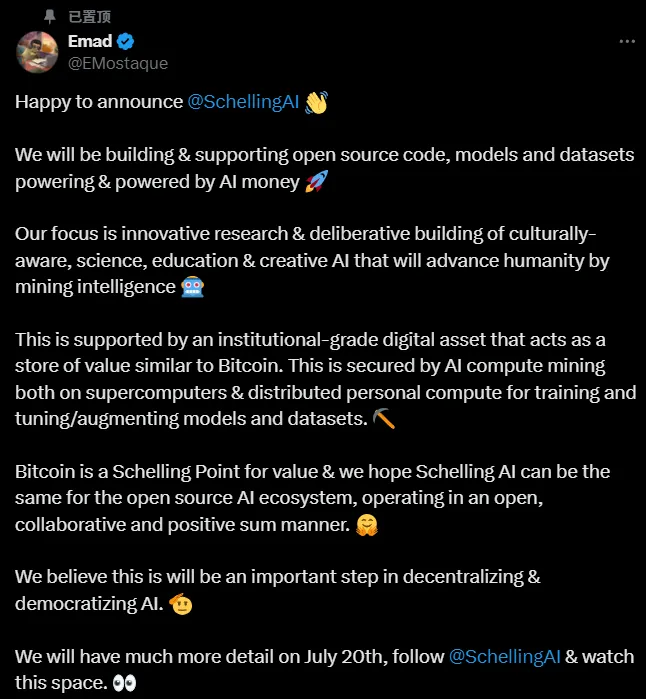
According to Emad, the project aims to support open-source models, datasets, and code through token issuance, though details remain vague.
Well, it’s August now, and SchellingAI’s official Twitter remains completely empty. True to form, Emad and his Web3 team have delayed again.
The promised token launch on July 20th? Still nothing as of publication...

They don’t even have a website yet... very on-brand for Emad...

Writing this to the end, I feel that the remarkable Bangladeshi Emad Mostaque has set a benchmark for himself, completing a life journey that others “cannot imitate, let alone surpass.”
Let’s hope his Web3 project brings us something truly different!
Join TechFlow official community to stay tuned
Telegram:https://t.me/TechFlowDaily
X (Twitter):https://x.com/TechFlowPost
X (Twitter) EN:https://x.com/BlockFlow_News