Trading Strategy in 3 Steps: From Identifying Market Patterns to Developing a Consistent Strategy
TechFlow Selected TechFlow Selected
Trading Strategy in 3 Steps: From Identifying Market Patterns to Developing a Consistent Strategy
Identifying the environment is the greatest secret to reducing trades and gaining more profit.
 Navigating Web3 tides with focused insights
Author: Koroush AK
Translation: TechFlow
These are the trading techniques I used to achieve financial freedom. Below is the guide you need to follow:
-
Identify market phases
-
Maximize profits
-
Create a consistent strategy
Use this guide to:
-
Understand structure, news, and market sentiment
-
Formulate hypotheses
-
Lock in profits
-
Execute your system
I've put in a lot of effort and will continue releasing more useful content.
Step 1: Identify the Environment
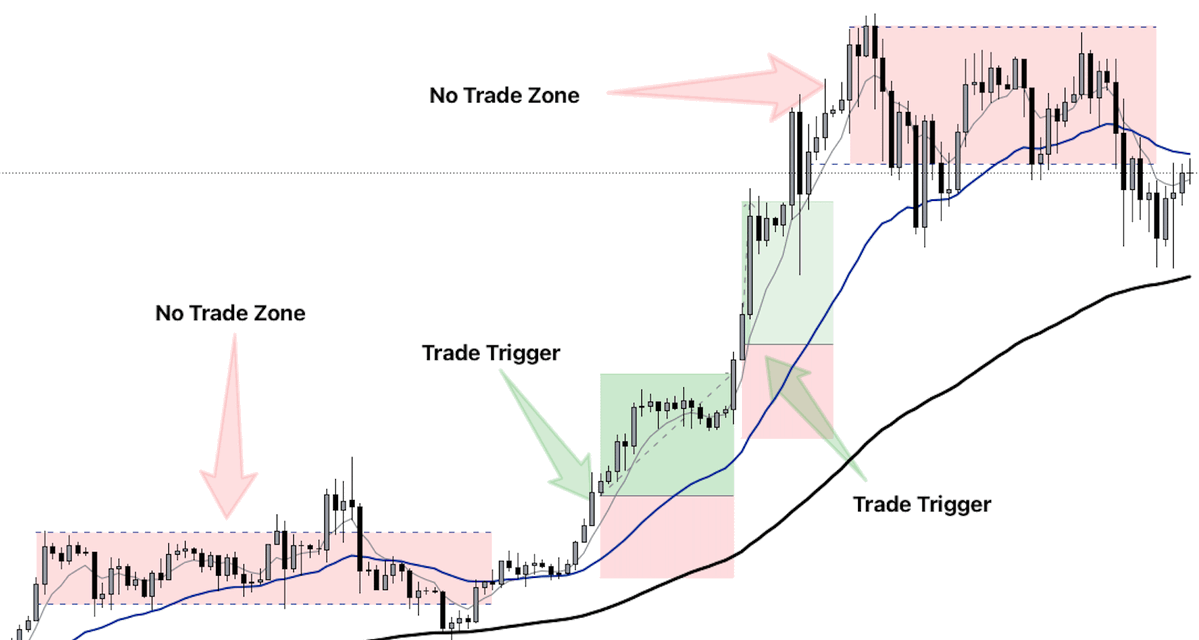
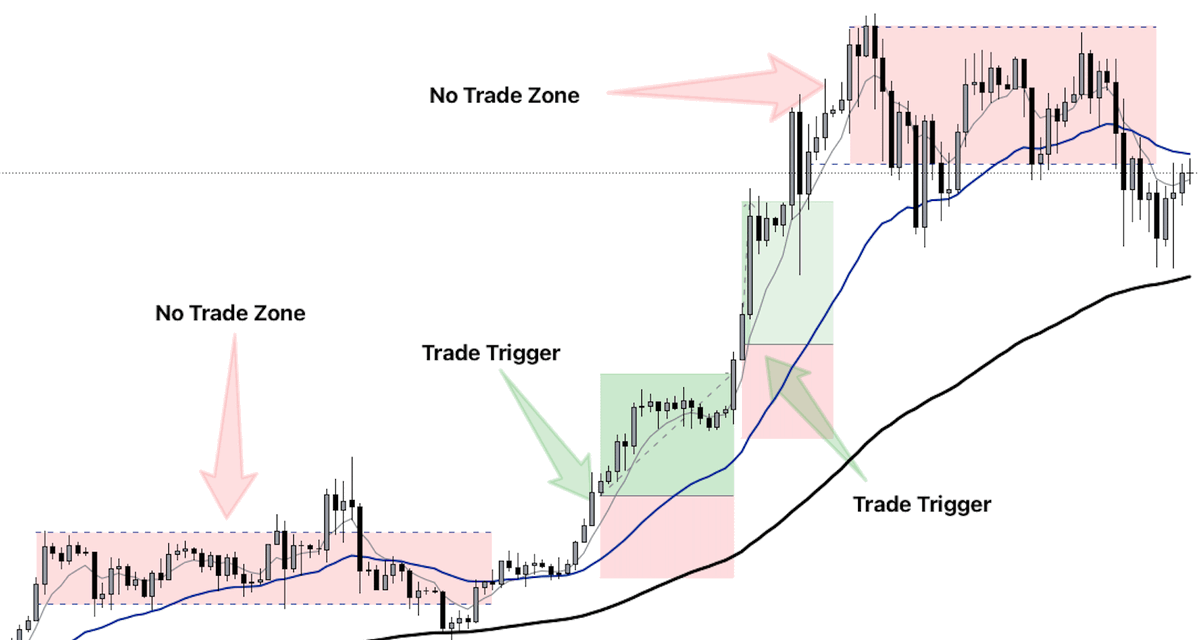
This is the biggest secret to reducing trades and increasing profits.
Because your largest losses come from trading in the wrong environment.
Identifying "no-trade zones" allows you to focus on high-probability setups.
There are three ways to identify the environment:
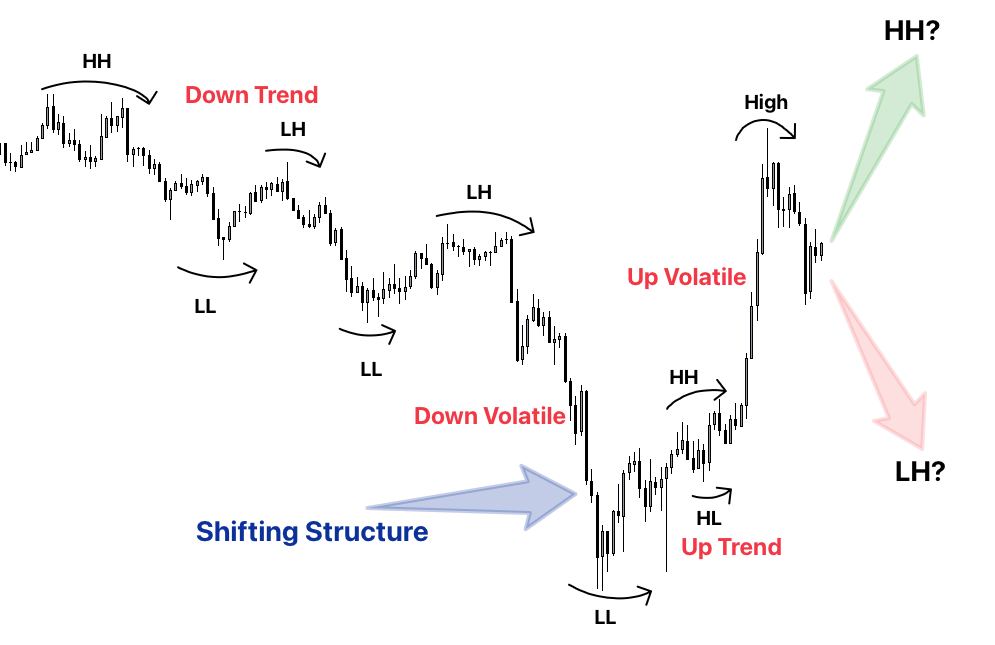
A) Market Structure
This helps you determine the trend direction—there are only six types:
-
Uptrend
-
Rising oscillation
-
Sideways
-
Sideways oscillation
-
Downtrend
-
Falling oscillation
B) Market Sentiment
This helps you understand which narratives are trending.
I use:
-
Twitter for general market sentiment
-
Group chats with industry leaders to gauge market dynamics
You can get started with:
-
Twitter for general market sentiment
-
TradingView for macro analysis
-
Fear & Greed Index
C) Market News
This allows you to anticipate:
- Major volatility days
- Macro market direction
- Key economic events
My go-to market news account: @kimtalkscrypto
Step 2: Logic
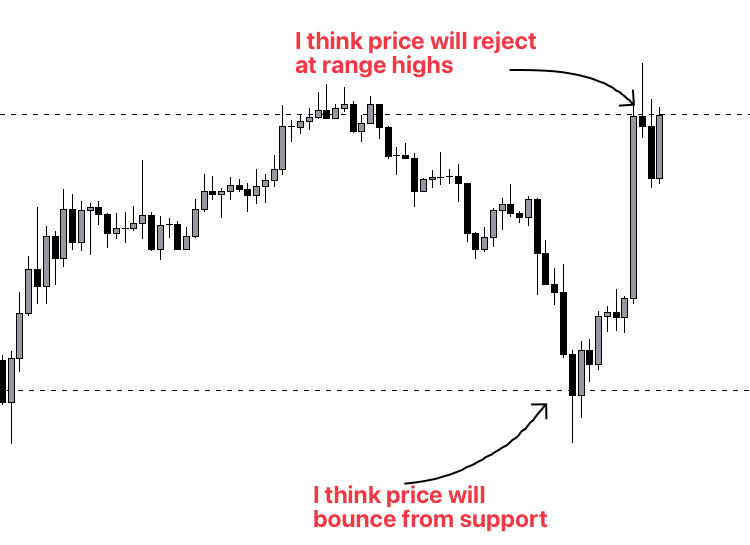
This is your hypothesis about the market: "I think X will happen because Y."
90% of trading strategies fall into two categories:
- I think price will trend
- I think price will revert to the mean
Simpler is better.
Step 3: Risk Management
This includes:
A) Entry
B) Stop-loss
C) Profit target
D) Risk (position sizing)
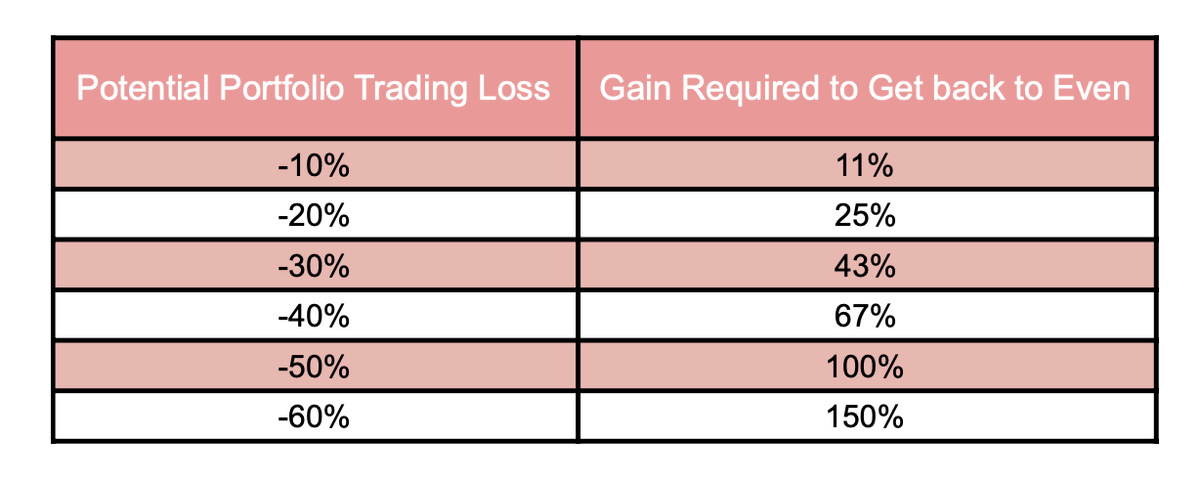
Limit losses when your hypothesis is wrong, and maximize profits when it's correct.
This framework will help you survive during losing periods:
Step 4: Execution/Management
A) Stick to your plan
B) Adapt based on new data
Execution is the dividing line between good and great.
Management requires testing, data, experience, and intuition.
However, even with profitable strategies, traders may still face losses.
To consistently execute your trading system, extreme psychological discipline and a structured lifestyle are required.
This is a lifelong challenge—even traders with over 20 years of experience struggle with it.
Now you have the tools to build your own strategy.
But there’s still a long way to go before achieving profitability.
Join TechFlow official community to stay tuned
Telegram:https://t.me/TechFlowDaily
X (Twitter):https://x.com/TechFlowPost
X (Twitter) EN:https://x.com/BlockFlow_News
 @KoroushAK