Culper Research: Why We Are Firmly Shorting ETH
TechFlow Selected TechFlow Selected
Culper Research: Why We Are Firmly Shorting ETH
Data fabrication, economic collapse, and founders fleeing—the moat around Ethereum is being filled in by Ethereum itself.
 Navigating Web3 tides with focused insights
Author: Culper Research (@CulperResearch)
Translated and edited by TechFlow
TechFlow Introduction: Culper Research is a well-known short-selling firm on Wall Street that has accurately targeted several prominent companies. This report directly addresses Ethereum’s core issue: the Fusaka upgrade in December 2025 introduced abundant cheap blockspace—but genuine organic demand failed to keep pace. The “boom” data observed on-chain is, in fact, fabricated via address poisoning attacks. Vitalik himself has been actively selling ETH, while Tom Lee—the most ardent ETH bull—continues defending it using flawed data. This article is not a prediction; it is a short thesis grounded in data and verifiable analysis—required reading for every ETH holder.
We are short Ethereum and ETH-linked securities, including BMNR.
We believe the Fusaka upgrade in December 2025 has severely damaged Ethereum’s token economics. Vitalik knows this—and is selling persistently—while Tom Lee, ETH’s staunchest bull, is throwing good money after bad.
$ETH will continue falling.

Tom Lee’s Defense: Rising Active Addresses and Transaction Volume
Tom Lee defends $BMNR for ETH, claiming “ETH is not entering a death spiral because utility is rising.” He cites the surge in ETH active addresses and transaction volume post-Fusaka as evidence of “strengthening fundamentals” and institutional adoption.
Lee’s logic is flawed.
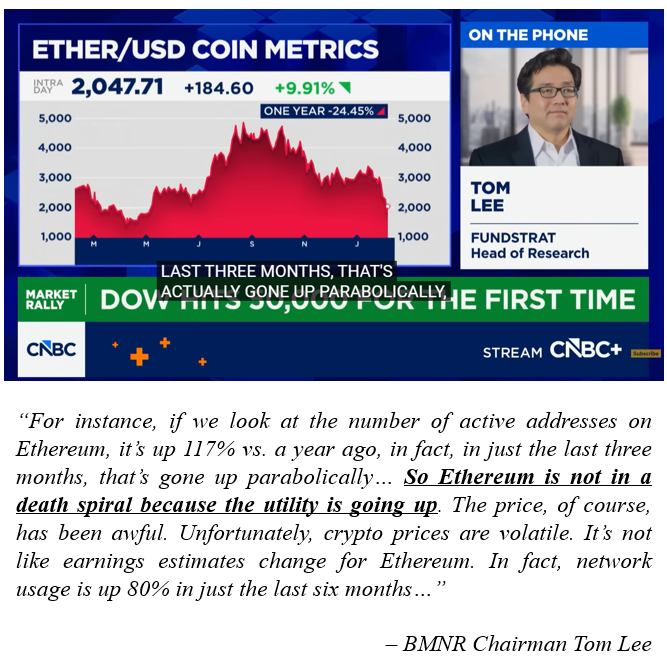
By his own logic, if on-chain activity does not reflect genuine growth in utility, then ETH is entering a death spiral.
Our research shows this is precisely what is happening.
The full report and disclosures are now available at culperresearch.com.
The Truth Behind On-Chain Data: 95% of New Wallets Are Poisoning Attacks
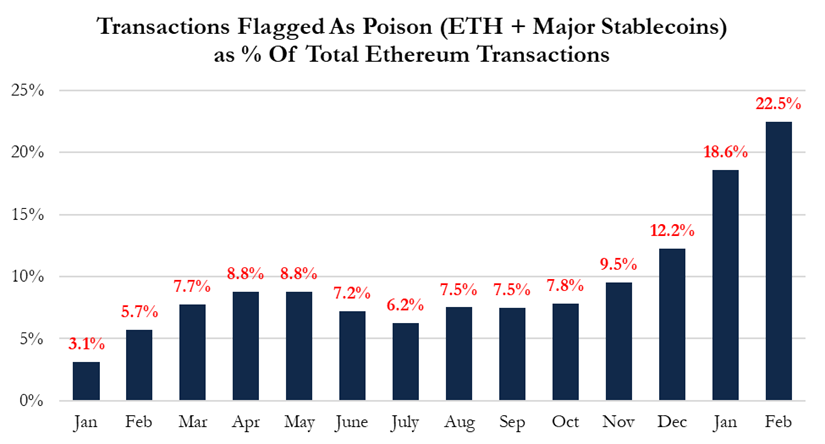
Our comprehensive analysis of on-chain data from January 2025 to February 2026 reveals that the “institutional adoption” metrics cited by Tom Lee are actually explained by large-scale low-value address poisoning (“wallet dusting”) attacks triggered by the excess blockspace introduced by Fusaka.
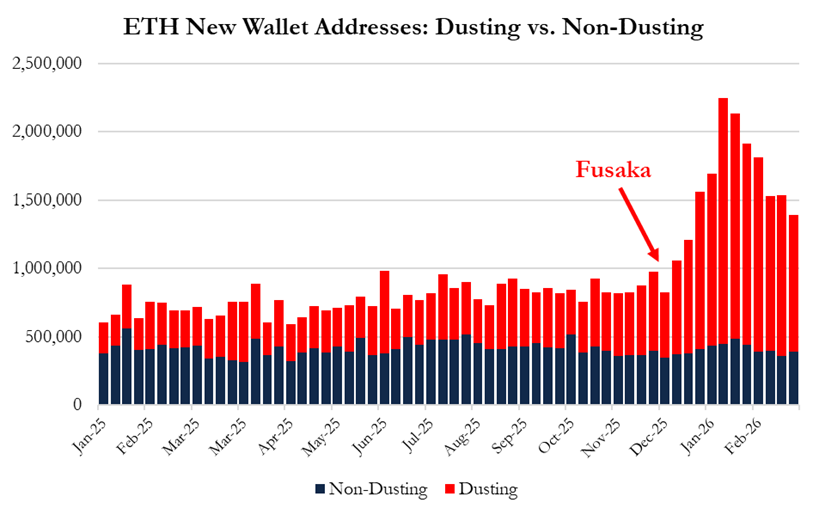
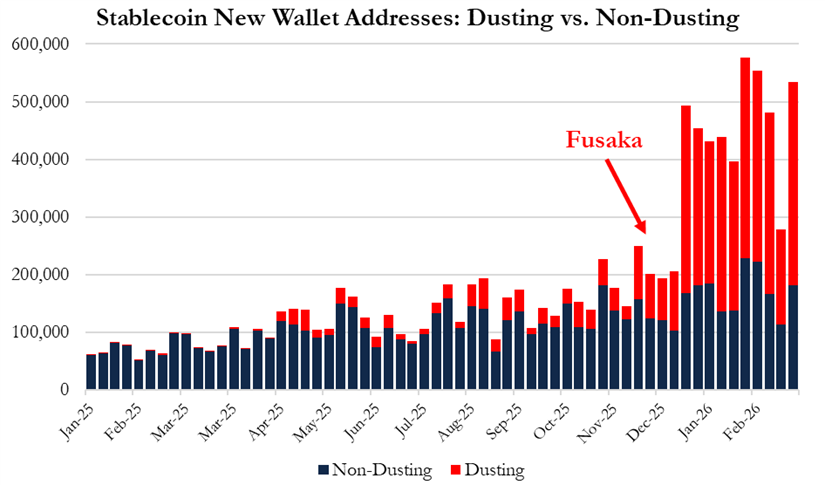
Post-Fusaka specifics:
- 95% of new wallet growth is attributable to newly created “poisoned” wallets
- Address poisoning attacks increased over 3x
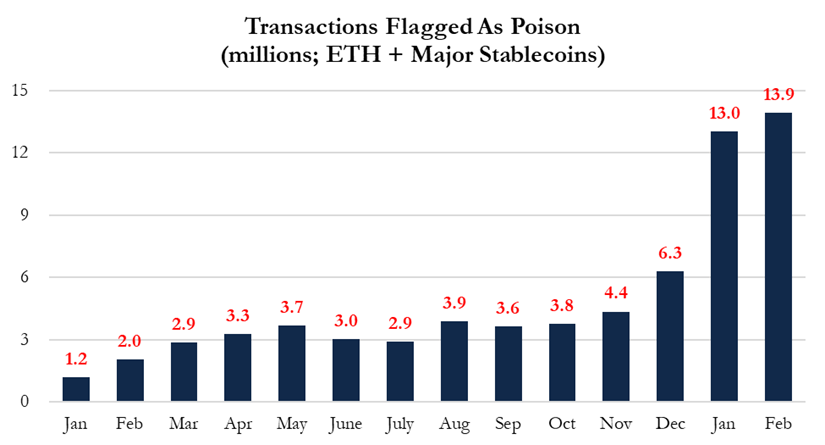
- Poisoning attacks account for over 50% of ETH transaction volume growth
- Poisoning attacks now represent 22.5% of all ETH transactions
The Fusaka Upgrade: Gas Fees Collapsed by ~90%, Worse Than Expected by 3–9x
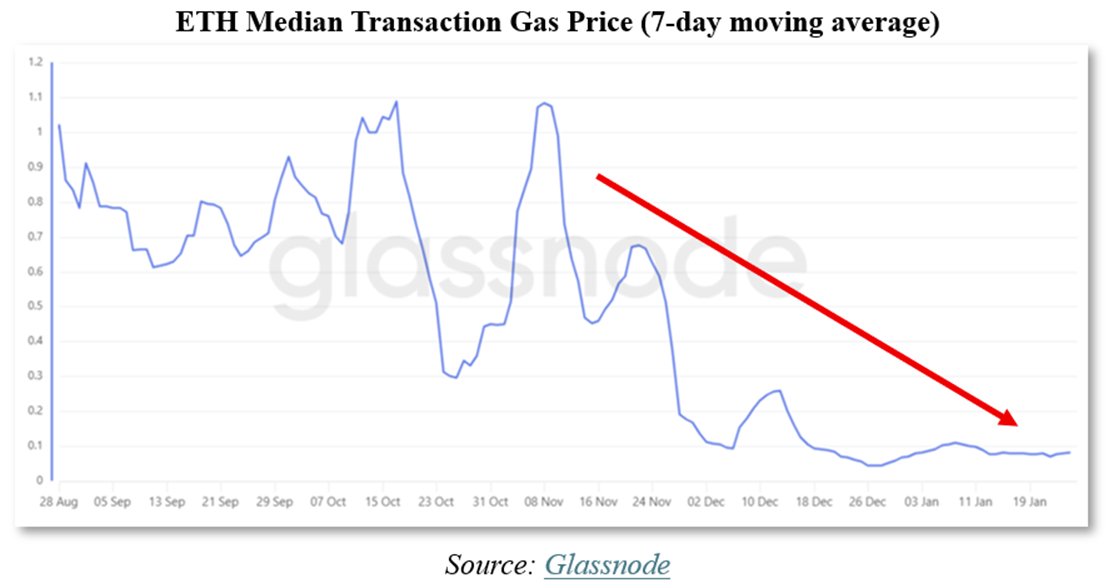
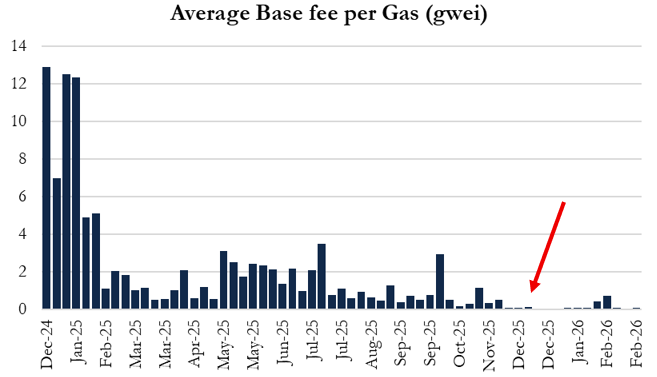
Fusaka raised the gas limit from 45 million to 60 million to scale Ethereum L1. Vitalik and the Protocol Guild estimated gas fees would fall by 10–30%.
Reality: Gas fees fell by ~90%.
Vitalik and validators severely underestimated L1 demand elasticity—by a factor of 3–9—relying on outdated mathematical models predating EIP-1559 and the emergence of L2s.

Vitalik Is Selling Aggressively
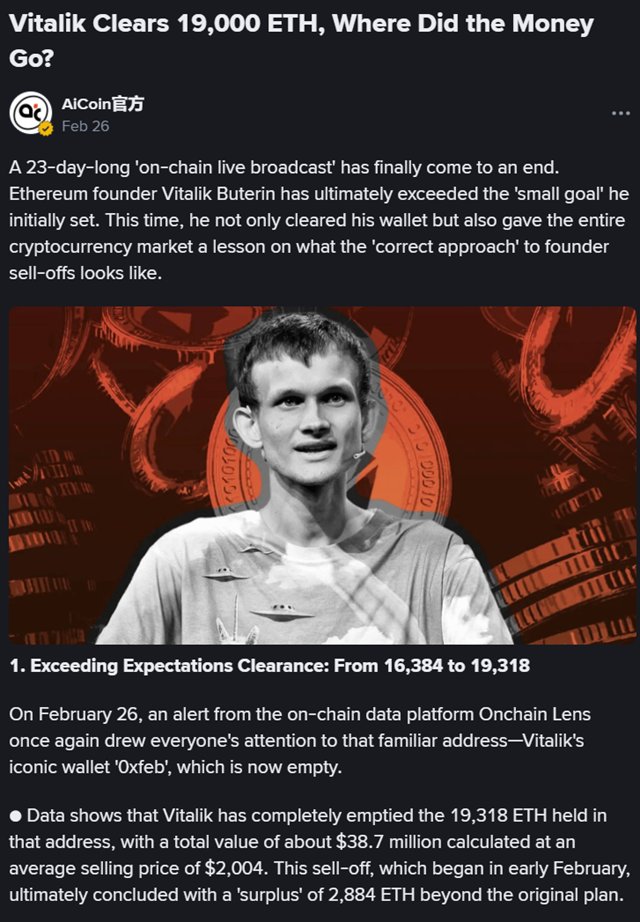
This is why we believe Vitalik is aggressively selling ETH. On January 30, he announced plans to sell 16,384 ETH to fund the Ethereum Foundation’s “austerity period.” Since then, he has sold over 19,300 ETH—and continues selling.
He knows something Tom Lee does not: ETH’s token economics have broken down.
We Personally Verified Address Poisoning Attacks
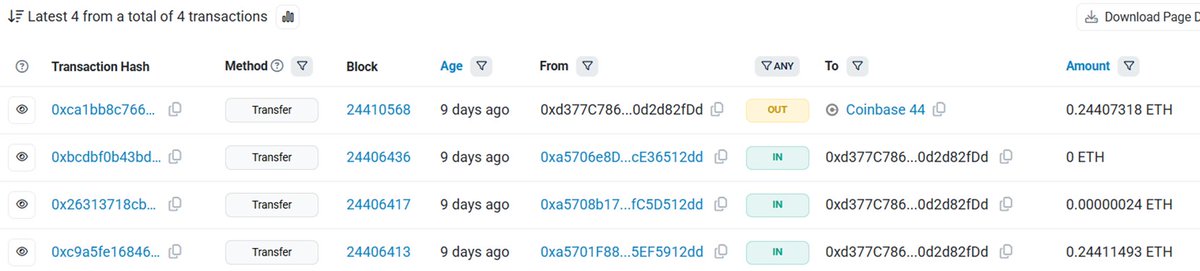
We documented the ETH address poisoning process firsthand: We created two new wallets and initiated transfers between them—within five minutes, both were targeted by poisoning attacks.
We encourage readers to verify this themselves.
Losses caused by poisoning attacks are now growing at over 8x the pre-Fusaka rate.
The Validator Flywheel Is Reversing
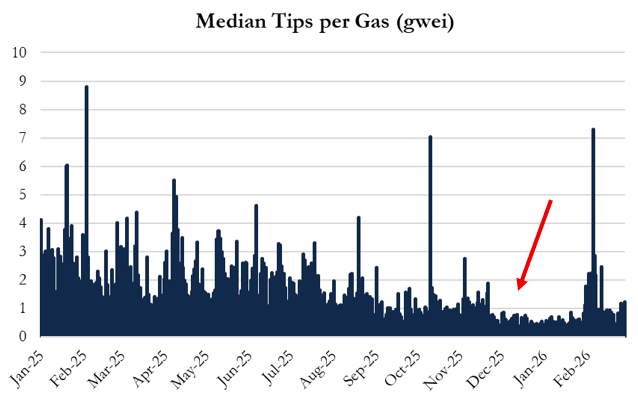
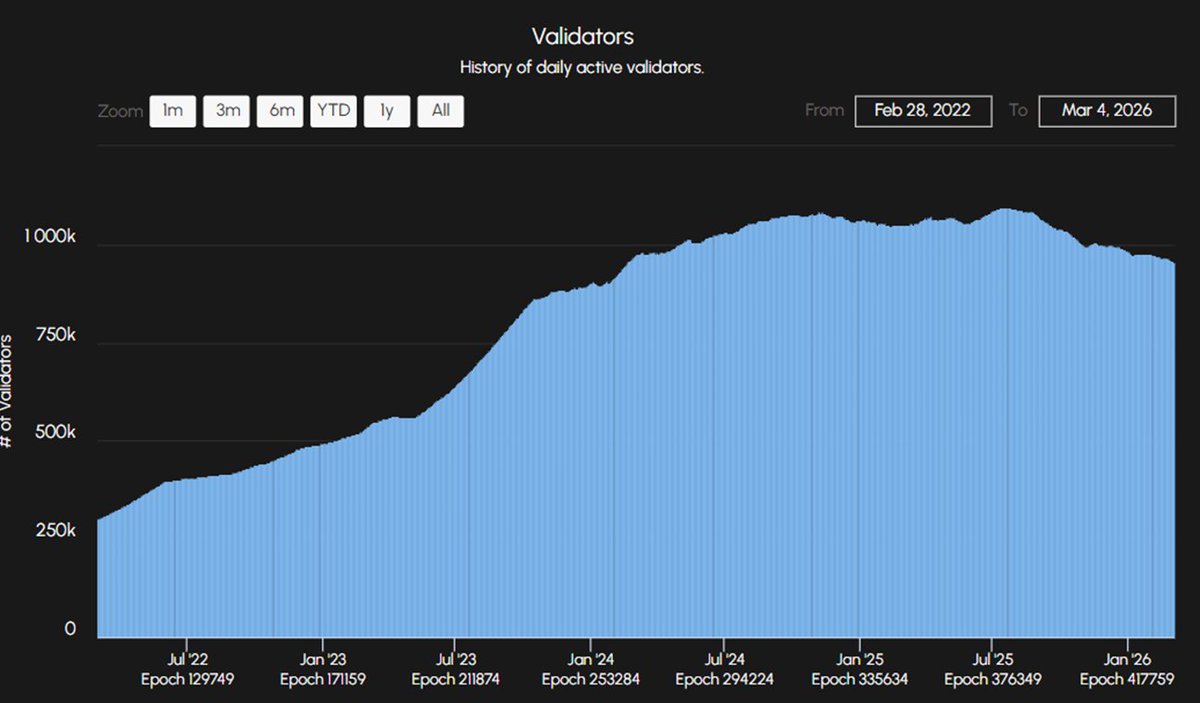
Moreover, the gas limit increase has also severely harmed ETH validators, whose per-unit-gas tips have dropped 40–50%. Lower yields reduce staking demand and high-value activity—undermining the foundation of institutional adoption.
The flywheel is now spinning in reverse.
Ethereum Is Losing to Solana—and Its Own L2s
Meanwhile, ETH continues ceding market share:
- Solana developer growth was 29% in 2025 vs. just 6% for Ethereum—talent is migrating
- Visa and Citigroup chose Solana to build DeFi applications
- Solana DEX transaction volume is now over twice that of Ethereum
Conclusion: The Next Nokia
During the dot-com bubble, Netscape and Nokia dominated their markets for over a decade—only for Google and Apple to ultimately capture the spoils.
We view ETH through the same lens.
We believe its token economics have collapsed, Tom Lee is trapped, and $ETH will continue declining.
Join TechFlow official community to stay tuned
Telegram:https://t.me/TechFlowDaily
X (Twitter):https://x.com/TechFlowPost
X (Twitter) EN:https://x.com/BlockFlow_News
 @CulperResearch