








Consensys executive: Stop naively fixating on CT; what can be openly discussed probably isn't the real alpha
TechFlow Selected TechFlow Selected
Consensys executive: Stop naively fixating on CT; what can be openly discussed probably isn't the real alpha
Crypto Twitter (CT) is a beast.
 Navigating Web3 tides with focused insights
Author: Matt Gilmour, Manager of Business Development at ConsenSys
Translation: Yangz, Techub News
Crypto Twitter (CT) is a beast. After years of coexisting with it, I’ve come to understand its rhythms—but more importantly, how it “forces” me to move in sync with it.
The key lies in understanding what something truly is, not what people wish it to be. In the case of CT, grasping its true nature means understanding the core of the game—and only then can we say we’ve truly entered the arena.
What Is CT?
Crypto Twitter resembles a Rorschach inkblot test—you see what you want to see. For degens, it’s like a casino filled with memes and all forms of shitposting; for newcomers, CT appears brimming with alpha and seemingly kind “experts” willingly sharing investment insights; for slightly more experienced investors, the narrative shifts subtly—they perceive CT as populated by seasoned market players and reputable VCs offering seemingly thorough and systematic investment theses.
But don’t be fooled—these are all illusions created by the Rorschach effect. When one removes CT’s Rorschach “mask,” its true face is revealed: nothing more than a chaotic, polluted cesspool. CT contains (occasionally) genuine market commentary, but far more often nauseating investment endorsements. The result is a continuous stream of useless and harmful noise, making it nearly impossible for any real investment signal to emerge.
Why CT Is Useless
No One Knows Everything
What evidence suggests that anyone on CT actually knows what they’re talking about? Certainly, some investors may have succeeded in previous cycles. But bull markets always produce a few winners. Like John, the high-earning trader in *Fooled by Randomness*, these investors succeed through luck—and simultaneously remain vulnerable to financial ruin.
What about project founders who raised large VC rounds? People assume they must know something special. But consider this: why is fundraising so celebrated on CT? How did they actually raise? In many cases, institutions invest based on past success, expecting history to repeat itself for profit. As previously mentioned, in most cases, their success stems from luck alone.
To be clear, I’m not claiming that all investment success is due to luck. I’m saying all success is a mix of luck and skill—and distinguishing between the two is nearly impossible (Nassim Taleb has already covered this extensively in *FBR*, so I won’t belabor it).
There Is No Alpha on CT
Setting aside “luck” versus “skill,” is it even possible to find alpha on Twitter? By definition, alpha refers to excess returns relative to a benchmark. To achieve this, an investor must anticipate future developments before others do. Therefore, by definition, anything discovered on your CT feed cannot be alpha. When so-called alpha appears on your timeline, that information has likely already spread widely. You’d be taking on massive risk for potentially minimal reward. Remember: every loudly proclaimed alpha quickly turns into beta.
Herd Mentality
Even if CT held some value, investor sentiment fluctuates wildly. Under such conditions, maintaining consistent investment principles becomes extremely difficult. One day everyone might be euphoric; the next, utterly despondent. You may intellectually understand this, yet still fall victim to “lemming-like emotions.” Eventually, you too become just another lemming on CT.
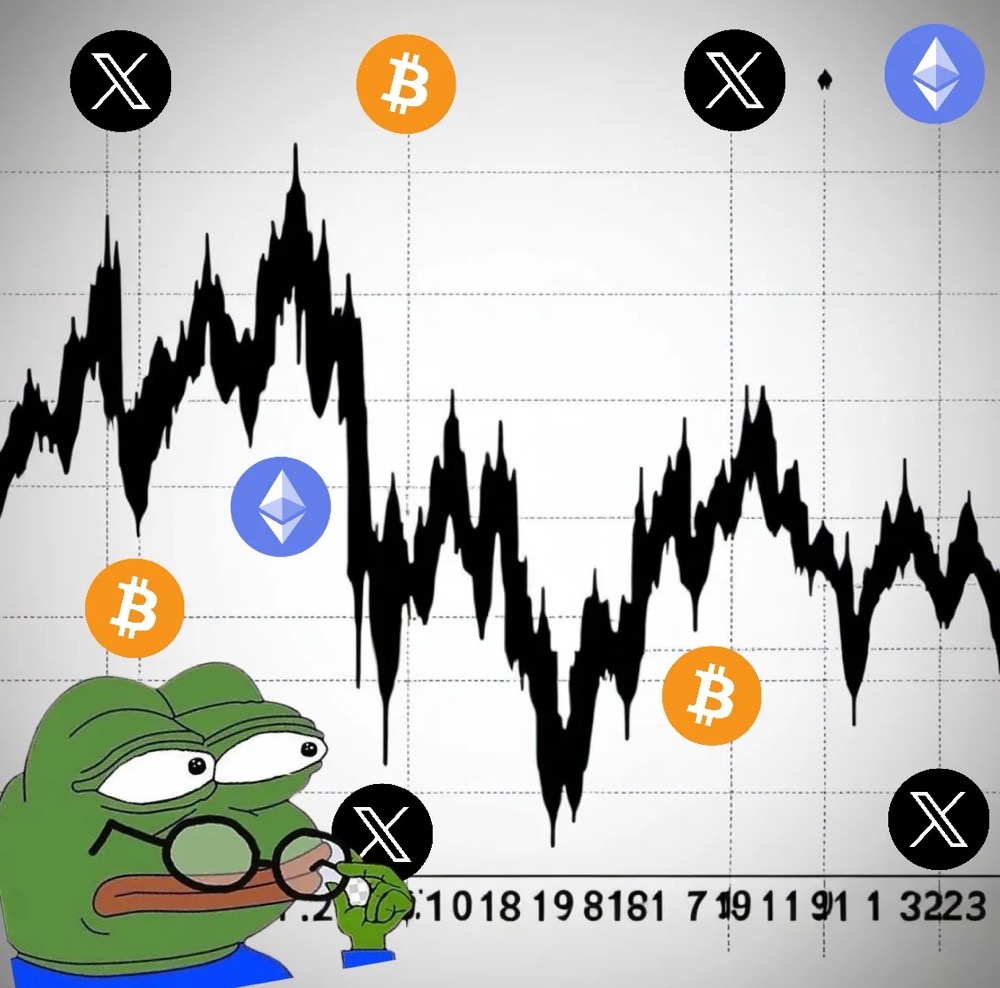
So What Should You Do?
Without needing to be told, investors who genuinely desire successful investing—and deeply understand they’re navigating a valueless cesspool—will naturally walk away from CT. It’s like not needing to warn someone against stepping into traffic. Yet while this idea is easy to grasp intellectually, its deeper implications may not be as simple as they seem.
Rationally understanding the consequences of engaging with CT isn’t hard. What’s harder—and more essential—is knowing what you truly want, what your real desires are.
If the inevitable outcome of following CT is subpar investment returns, then why do aspiring investors continue to spend time there? The answer is: their actual goals aren’t about investment returns at all. Their true motivations lie elsewhere.
One might ask, “How could anyone prefer lower returns when higher returns are possible?”
Because behind these suboptimal returns, people are actually pursuing other things. Some seek validation or entertainment; others crave community, wanting to belong to a consensus. Some look for self-soothing, an outlet for anger, or indulgence in self-pity. While CT users’ desires vary, the truth remains: superior returns may not be their primary goal.
Another reason CT remains popular is the persistent belief that “alpha must exist somewhere on CT”—the conviction that “I haven’t found it yet, but I will.” This is how humans waste their lives, whether on CT or elsewhere.
Seeking lower returns isn’t wrong; chasing high returns isn’t inherently right. Self-judgment leads to a dead end—neither “should” nor “shouldn’t” offers an escape. Simply put, people begin examining their desires not because they ought to, but because they’ve realized their current path inevitably leads to failure. No matter how many boxes they open or how hard they chase CT, the outcome will still be failure. Since goals differ, one person’s poison can be another’s honey. That very “poison” may propel investors toward a new journey—one where they discover the true source of world-class investment returns, something CT can never provide.
Join TechFlow official community to stay tuned
Telegram:https://t.me/TechFlowDaily
X (Twitter):https://x.com/TechFlowPost
X (Twitter) EN:https://x.com/BlockFlow_News
 @mattigags


