Why Are You Always Losing? The 10 Psychological Biases You Need to Overcome
TechFlow Selected TechFlow Selected
Why Are You Always Losing? The 10 Psychological Biases You Need to Overcome
Only when conducting an objective market sentiment analysis should the behavior of the masses be considered.
 Navigating Web3 tides with focused insights
Author: Koroush AK
Translation: TechFlow
Your biggest trading mistakes aren't technical—they're psychological. These biases have destroyed countless traders.
Avoid the following at all costs:
1. Anchoring Bias
-
Traders fixate on a specific price (the "anchor"), which can distort their decision-making.
-
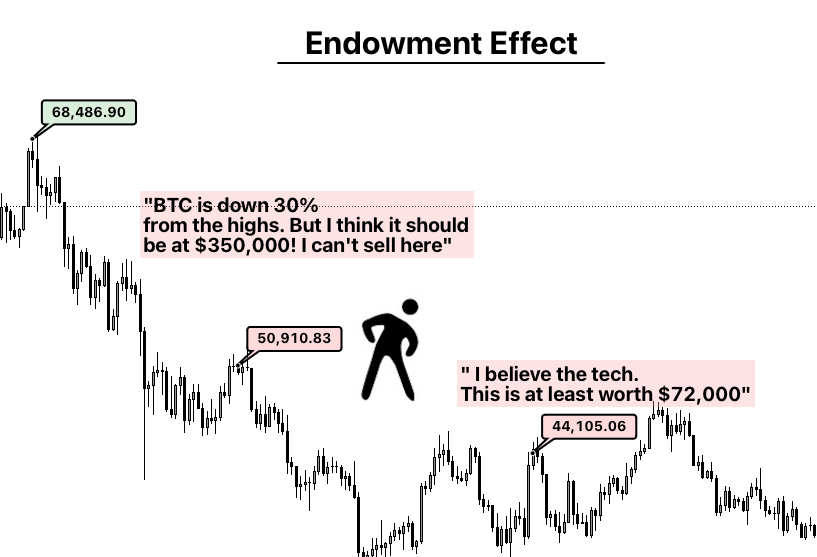
If Trader A entered crypto when BTC was $52,000, then BTC at $61,000 may seem expensive.
-
If Trader B entered when BTC was $71,000, then BTC at $61,000 may seem cheap.
2. Recency Bias
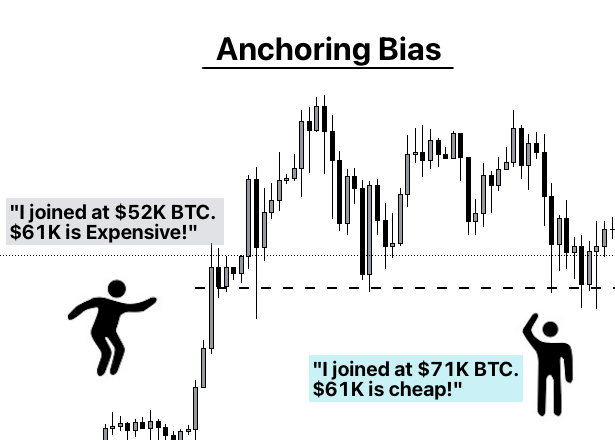
This is the tendency to remember and overweight the most recent information.
Traders may carry insights from their latest trade into the next one, potentially leading to overconfidence and losses.
3. Loss Aversion
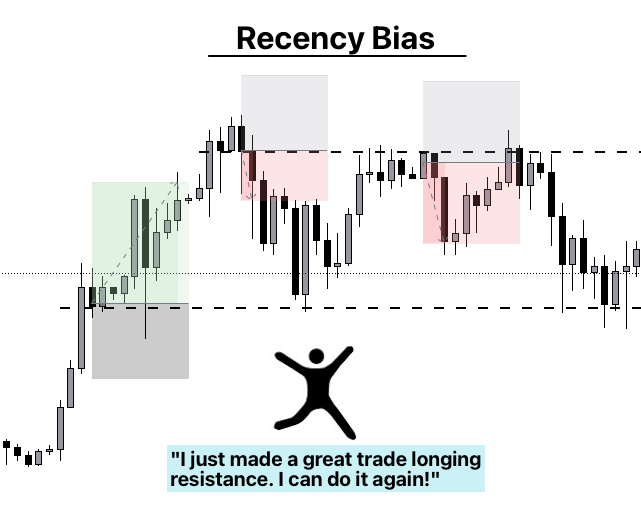
Traders feel the pain of losses more intensely than the pleasure of gains.
Losing $100 often hurts more than gaining $100 feels good.
This bias may cause traders to exit profitable positions too early, fearing those gains might turn into losses.
4. Endowment Effect
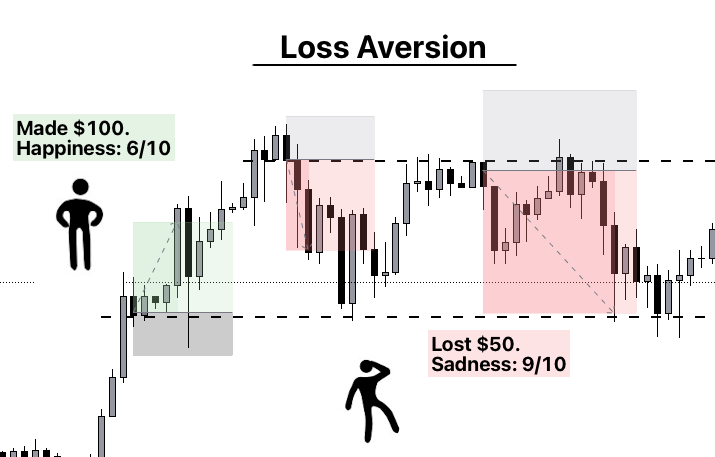
Traders tend to overvalue assets they already own.
This emotional attachment makes it hard to sell at a loss—or even at fair market value—because they base future price expectations more on personal hopes than on actual market conditions.

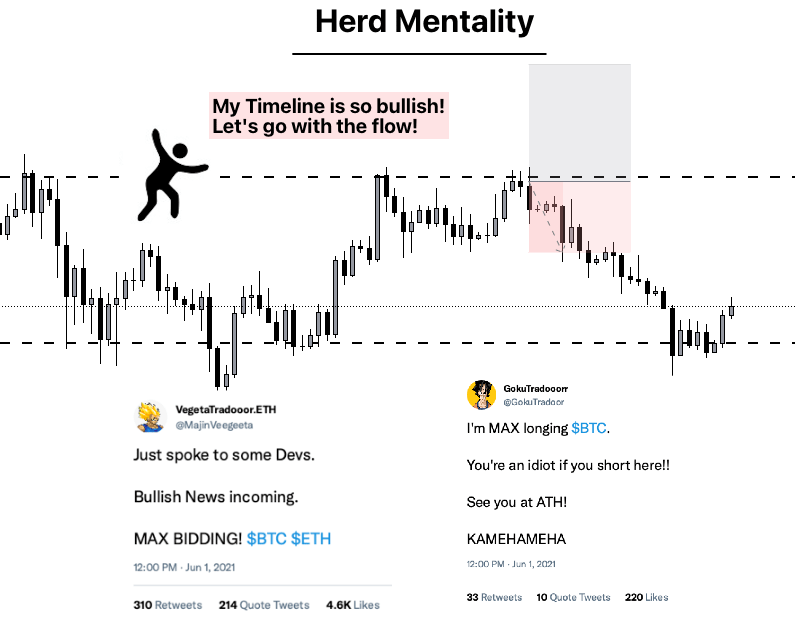
5. Herd Mentality
Both blindly following the crowd and deliberately going against it carry risks.
Stick to your trading plan and avoid impulsive actions driven by others' behavior.
Only consider crowd behavior when conducting objective market sentiment analysis.
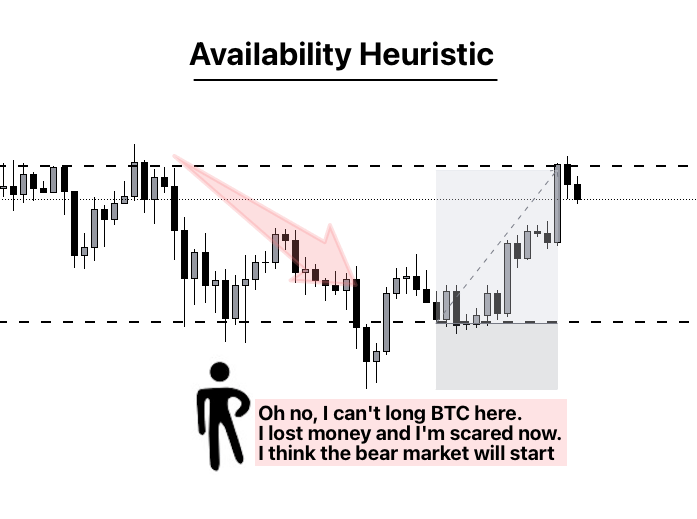
6. Availability Heuristic
Traders tend to give excessive weight to emotionally intense or recently experienced information.
For example, even if market conditions have changed, a recent market crash might make traders overly cautious.
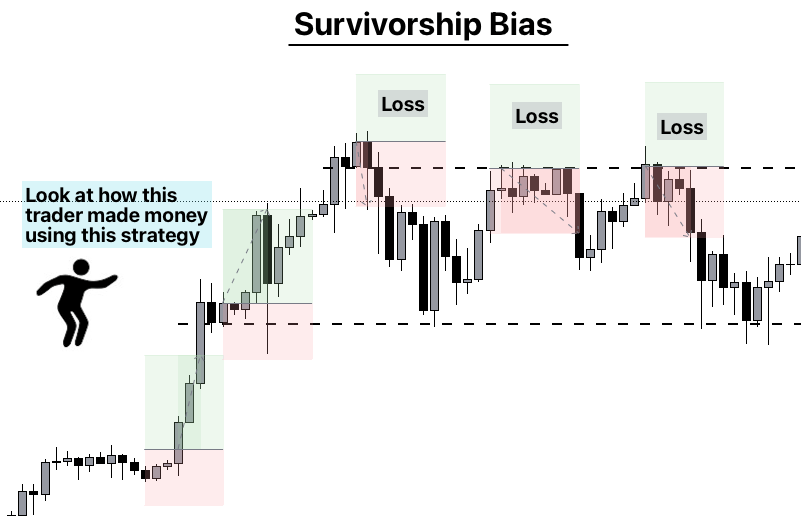
7. Survivorship Bias
Systematically overestimating the probability of success.
We usually only see success stories; failure stories are often forgotten.
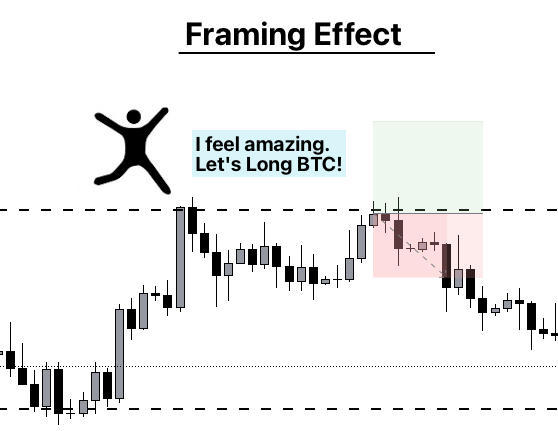
8. Framing Effect
The way information is presented influences decisions.
A trader's mood and confidence level affect their risk assessment.
Positive emotions may lead to underestimating risk, while negative emotions may lead to overestimating it.
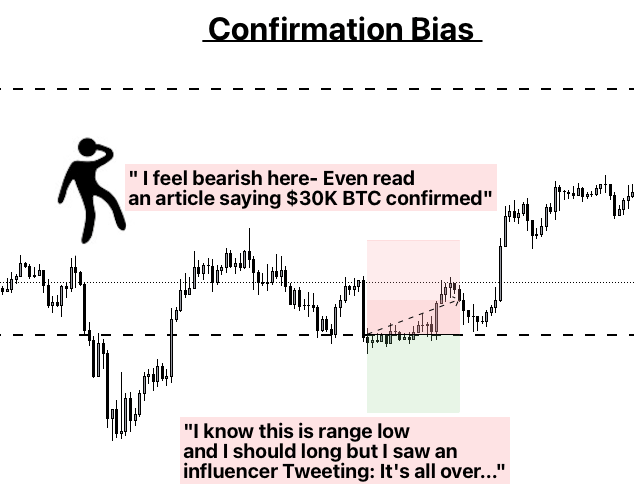
9. Confirmation Bias
Traders tend to seek out data that supports their existing beliefs.
If you're bullish on an asset, you'll look for all information supporting its rise while ignoring bearish data.
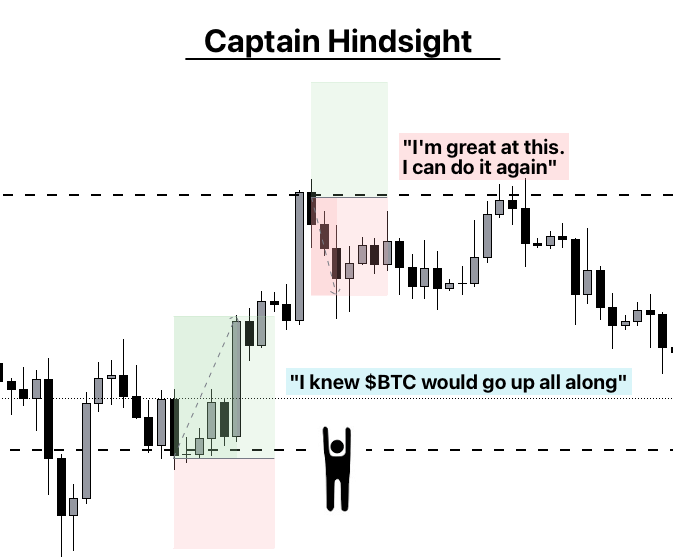
10. Captain Hindsight
In hindsight, everything seems obvious.
After an event occurs, traders often believe they foresaw the outcome all along.
This bias leads to overconfidence in future predictions and unrealistic expectations about one's trading abilities.
Join TechFlow official community to stay tuned
Telegram:https://t.me/TechFlowDaily
X (Twitter):https://x.com/TechFlowPost
X (Twitter) EN:https://x.com/BlockFlow_News
 @KoroushAK