Meme Coin Value Consensus Mechanism, Future Trends, and Investment Logic
TechFlow Selected TechFlow Selected
Meme Coin Value Consensus Mechanism, Future Trends, and Investment Logic
We are gradually realizing that this is a brand-new consensus mechanism—FAIR PLAY!
 Navigating Web3 tides with focused insights
Author: BillyWen, Partner at Negentropy Capital
In 2015, I bought meme coins for the first time when my internet company held its annual meeting. HR proposed using cryptocurrency as one of the prizes in an employee raffle. I found a seller on the Bitmain forum, followed a link to a Taobao store, and purchased Dogecoin worth 1,500 RMB as a prize (valued over 20 million RMB at its all-time high).
At that time, most people didn’t have crypto wallets—so we printed private keys on small slips of paper and placed them into a lottery box for the draw. Looking back now, it still feels incredibly amusing.
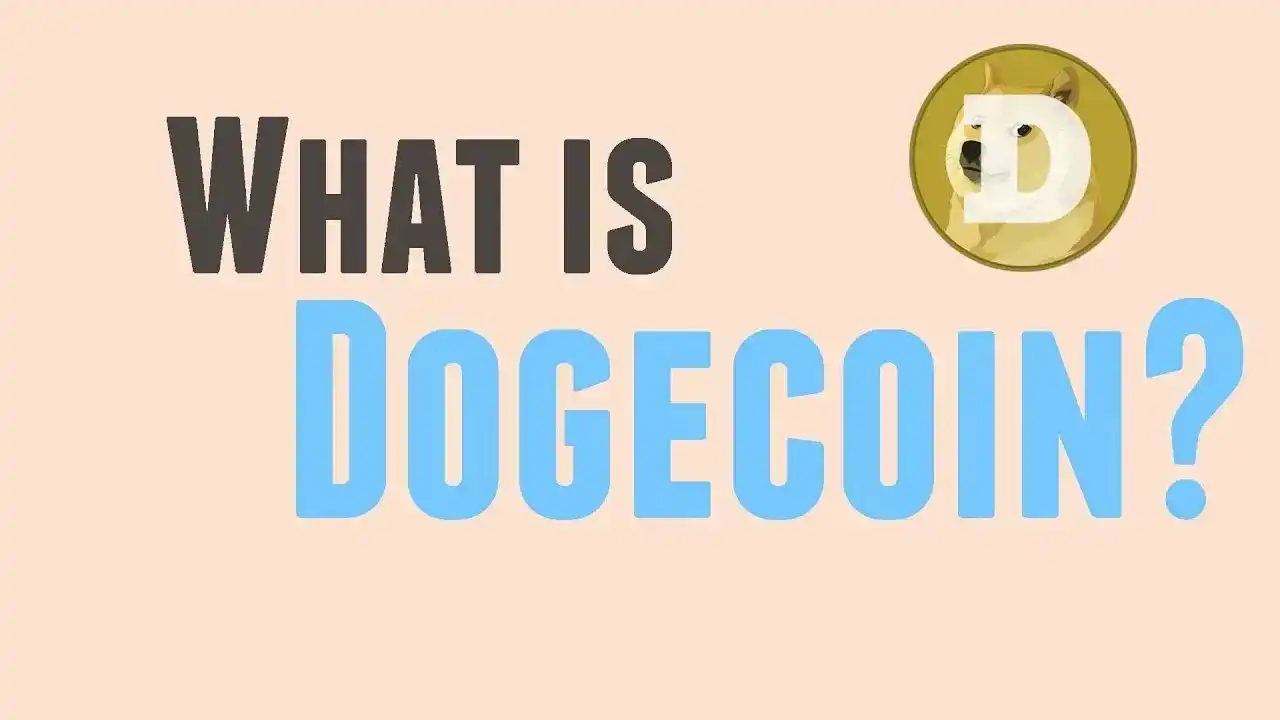
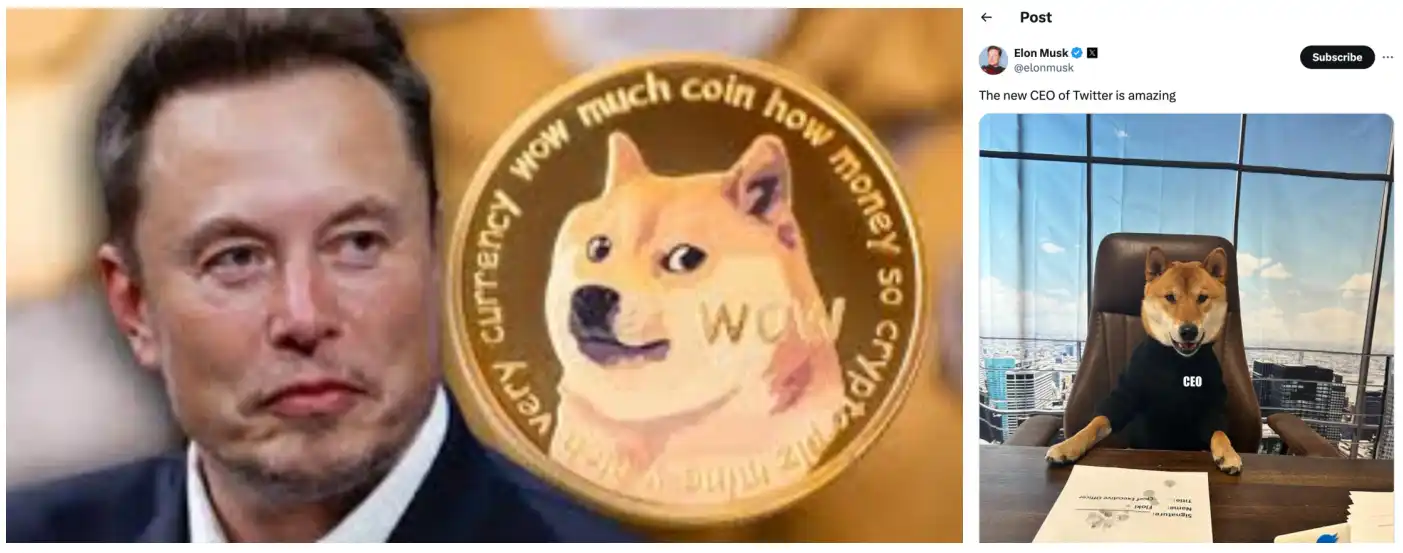
During the 2021 bull market, Elon Musk began promoting Dogecoin, causing its price to surge by thousands of times. I felt deeply regretful for not holding onto the Dogecoin I’d bought earlier, and was even more puzzled by how many people were asking me how to buy Dogecoin. Back then, my mindset was still rooted in the so-called Web3 vision—that crypto must solve real problems to justify its existence—and so I advised friends against buying such "valueless" meme coins. My bias toward meme coins made me overlook the most important truth: consensus is value; existence implies legitimacy!
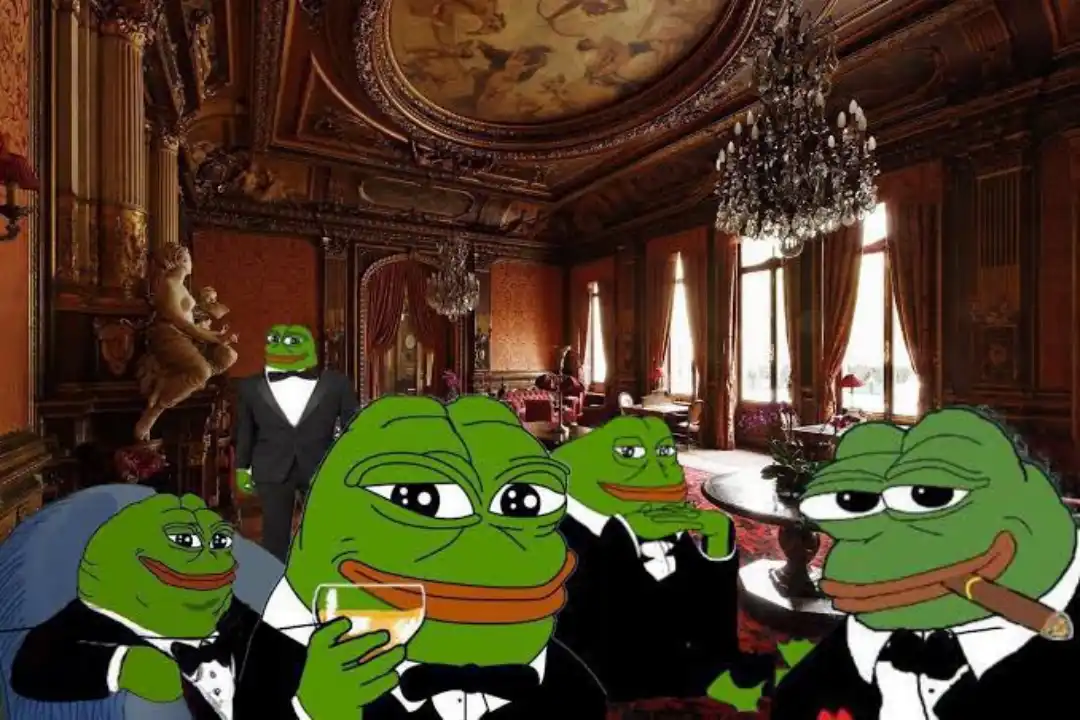
By April 2023, the frog-themed meme coin $PEPE surged past a $1 billion market cap in a short period and quickly listed on major tier-one exchanges, reigniting massive FOMO around meme coins.
When our fund held internal meetings to review the investment value and trading models behind memes, we gradually realized this represented a new consensus mechanism: FAIR PLAY! Fair competition! This is, after all, the ultimate goal pursued across all human endeavors. This value-based consensus, combined with blockchain technology, has given rise to a new financial product—the crypto-native meme coin.
Why is FAIR PLAY the core of the meme coin value consensus? To understand this, we need to start from pricing, valuation, and trading mechanisms in crypto. Since Satoshi created Bitcoin, the fixed supply of 21 million BTC—non-inflationary and non-dilutable—has become the foundation of crypto pricing. Blockchain technology enables this immutability, creating a unique anti-inflation mechanism that generates scarcity.
Fiat currencies around the world are constantly inflated through monetary expansion. In contrast, the non-inflationary nature of cryptocurrencies provides a theoretical basis for their rising fiat-denominated prices.
While blockchain solves the problem of fixed total supply, early crypto projects were far from fair play—they were often filled with scams and frauds. When Ethereum's smart contracts enabled ultra-low-cost, rapid token issuance, ICOs became popular. Smart contract-driven token launches essentially pre-mined all project tokens upfront—what’s known as Fully Diluted Valuation (FDV).
Pre-mining means all project assets are created in advance. Project teams use tokenomics to allocate tokens among various stakeholders—VC investors, ecosystem funds, team members—with scheduled unlock and vesting rules.
As a result, the secondary crypto market became flooded with low-circulation, high-market-cap projects. Retail investors buying these tokens in the secondary market are effectively purchasing inflationary assets—despite fixed total supply, circulating supply keeps increasing. More tokens enter circulation over time, devaluing what existing holders own—this is why so many retail investors feel constantly “rekt” and “rugged.”
Meme coins emerged at just the right moment—no complex tokenomics, no VC backing, no actual product or business use case, and often anonymous founders with no public identity. Yet they offer one compelling feature that attracts young crypto investors and speculators: transparent token distribution and fully liquid supply.
Many may not yet realize that meme coins, having survived multiple market cycles, represent an evolution in humanity’s consensus about crypto asset value—a shift to Version 2.0. We’ve moved from Phase 1.0, where crypto assets were valued primarily for being non-inflationary (e.g., Bitcoin), to Phase 2.0, where they’re valued for being non-dilutive. This is the natural progression driven by the FAIR PLAY consensus mechanism.
The value model of meme coins confuses traditional investors and even crypto VCs—it’s a type of digital asset they can neither understand nor accept, let alone appreciate. Its pricing lacks support from products, users, or business metrics. There’s no calculable valuation formula. The only drivers are community consensus and collective trading sentiment.
Through continuous participation in meme project investments and trading, I’ve developed some understanding of this sector. Here are three key trends shaping the future of meme coins:
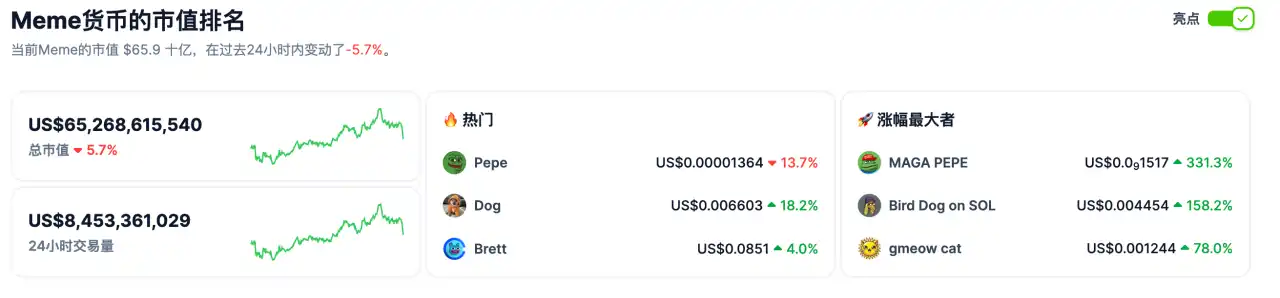
1. The meme sector’s market capitalization will grow rapidly in the coming years. Currently, leading meme coins like $Doge, $Shib, $Floki, and $Pepe have a combined market cap under $70 billion. Over the next 2–3 years, this could expand to $400–500 billion, accounting for over 10% of the entire crypto market. We’ll likely see individual meme coins surpassing $100 billion in market cap, with more than 20 meme projects exceeding $1 billion each.
2. The meme sector will experience clear generational stratification. As blockchain and public chain technologies evolve, meme coins are upgrading alongside them.
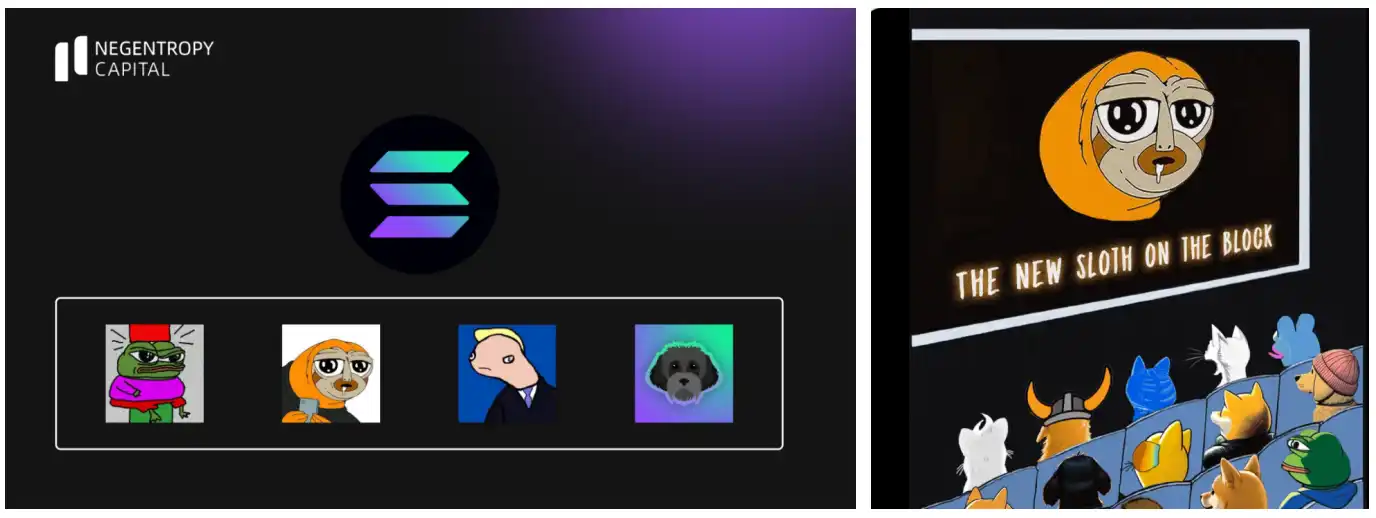
The original Dogecoin was forked from Bitcoin’s codebase—representing first-gen meme coins built on Bitcoin’s mainnet technology. Second-gen meme coins like $Shib launched via Ethereum smart contracts directly into secondary markets. This year’s viral third-gen meme coins like $BOME and $Slerf emerged on Solana, benefiting from the mainstream adoption of DEXs for meme coin trading.
These three generations reflect distinct technological eras. Bitcoin, the earliest blockchain, supports only simple P2P transfers without smart contracts—hence Dogecoin trading is largely confined to centralized exchanges (CEXs). In contrast, second- and third-gen meme coins leverage smart contracts and enable full on-chain trading, opening a new world for memes. Their AMM liquidity pools on DEXs rapidly attract massive user engagement in secondary markets.
3. Fair launch models will become the dominant trend for meme coins. To gain community and market acceptance, projects must adopt Fair Launch practices—traditional IXO-style launches will no longer be supported by users or secondary markets.
The presale model popularized by $BOME exemplifies fair launch: 50% of tokens are airdropped to presale participants, while the remaining 50% are sent to a DEX liquidity pool with LP tokens burned and publicly verified. Despite its simplicity—or perhaps because of it—this model has gained broad support, with many subsequent meme projects successfully launching this way.
Recently, however, some meme project teams have pulled rugs after raising funds during presales, or added only minimal liquidity—undermining trust in even these basic fair launch models. The root issue is the lack of automated systems; relying solely on human integrity doesn’t scale.
This led to the emergence of pump.fun—a smart contract-based, one-click platform for launching meme coins and automatically adding DEX liquidity. Developers can deploy and bootstrap liquidity in under a minute, with extremely low barriers for traders. These all-in-one, automated launchpads are particularly suited for early-stage speculation in low-market-cap meme projects and are poised to become foundational infrastructure for the meme coin ecosystem.
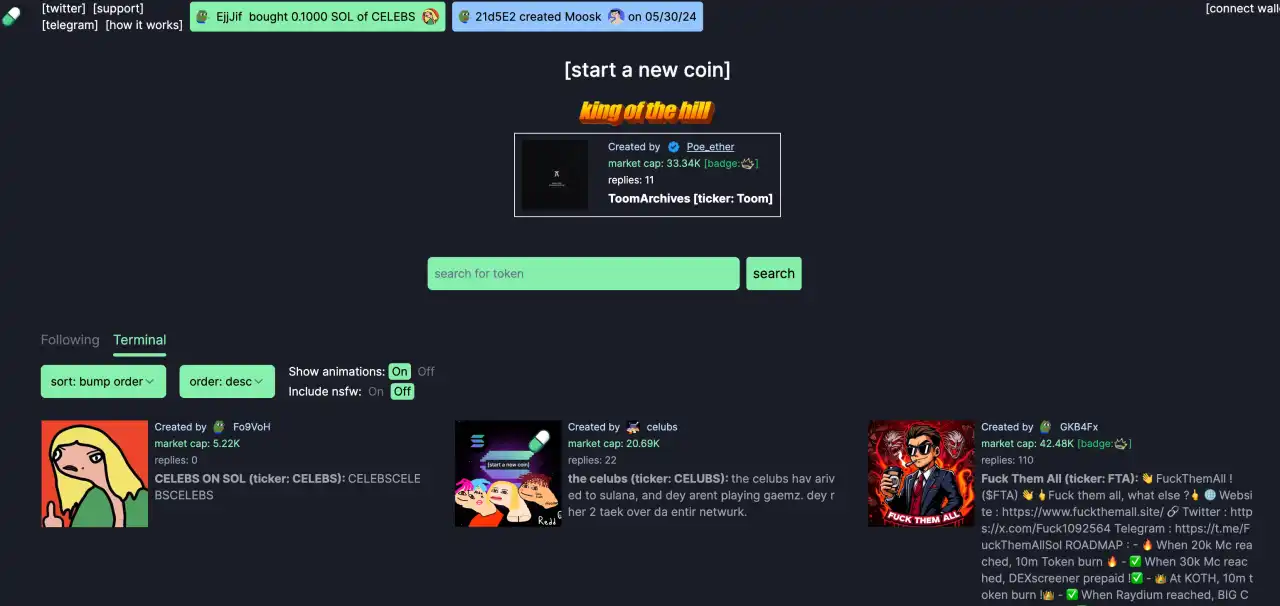
When analyzing meme coin investments, I typically consider three factors: meme cultural influence, community size and cohesion, and unique storytelling—but none of this constitutes investment advice.
1. Meme coins are inherently products of internet meme culture, though some—notably $People and $Trump—are not based on image macros. Still, they all stem from widely influential internet pop culture. Most memes feature distinctive animal characters: Dogecoin’s Shiba Inu dog has hundreds of millions of fans worldwide; $PEPE draws from the frog character in the comic “Boy’s Club,” whose expressive face became a highly recognizable internet meme.
When a meme’s cultural impact translates to a tradable asset, it creates powerful value consensus, rapidly inflating the token’s market cap to unimaginable levels.
2. Community scale and cohesion are equally critical. Once a community reaches a certain size, organic solidarity emerges—members create derivative content and merchandise, amplify reach across social platforms, and spread awareness of the meme’s imagery and cultural meaning.
Most importantly, they encourage others to buy and hold the meme token. By observing the density and quality of interactions within the community, one can gauge overall cohesion and token holder alignment.
3. Unique narratives generate strong value consensus. For example, Dogecoin’s founder once sold all his Doge to buy a used Honda. Vitalik Buterin donated billions worth of $Shib tokens airdropped to him to aid flood victims in India. Elon Musk claimed Dogecoin might become the official currency for Mars colonization. More recently, the Slerf team accidentally sent presale tokens to a black hole address—now planning to issue NFTs to repay early investors.
These are quirky, compelling crypto stories that spread rapidly across social networks, amplifying cultural influence and fueling value consensus and price appreciation.
Finally, I’ve come to realize one thing: BTC is the greatest meme of all—the ultimate representation of crypto-native culture!!!
Join TechFlow official community to stay tuned
Telegram:https://t.me/TechFlowDaily
X (Twitter):https://x.com/TechFlowPost
X (Twitter) EN:https://x.com/BlockFlow_News
 @negentropy_fund