Knockoff Investment Methodology: Ditch Emotional Bias, Develop a "Thematic" Strategy
TechFlow Selected TechFlow Selected
Knockoff Investment Methodology: Ditch Emotional Bias, Develop a "Thematic" Strategy
Successful investors typically prioritize investment themes based on in-depth research and analysis, rather than engaging in short-term speculation.
 Navigating Web3 tides with focused insights
Written by: Crypto, Distilled
Translated by: TechFlow
A scenario: It’s the fourth quarter of 2024, Bitcoin has reached $80,000, and the altcoin season has finally arrived. You might rely on your instincts to time the market peak. But is there a better way?
“Failing to prepare is preparing to fail.”

The Pitfall of Price Predictions
Managing investments solely based on price targets is a common mistake. These targets are often subjective, driven by emotions or influenced by social media. Accurately predicting prices and timing their movements is extremely difficult.
The Tactical Advantage of Mindset
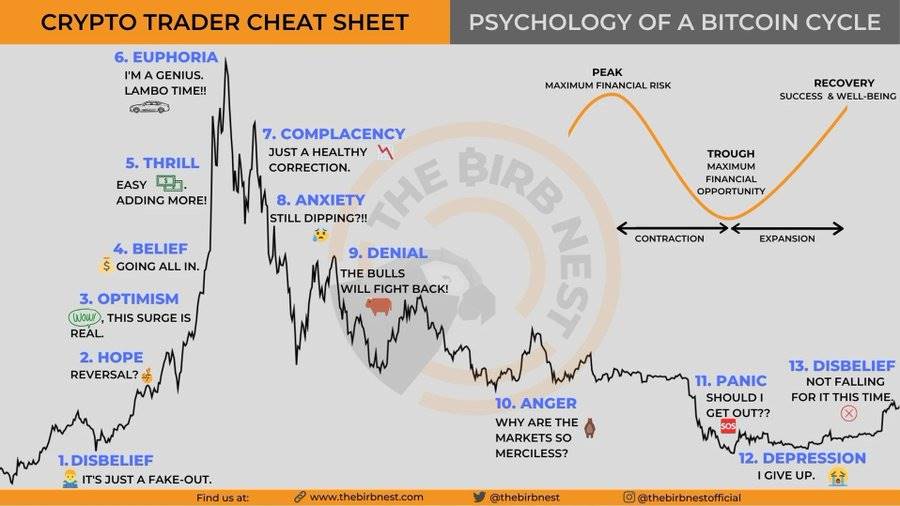
Every market upswing and downturn makes rational thinking harder. Your investment goals shift constantly, and you become more prone to seeking information that supports your views while ignoring other critical signals—increasing confirmation bias. At the same time, your ability to maintain discipline in investing gradually weakens. This is an internal battle, and as capital deployed and risk increase, this inner struggle becomes progressively harder.

The Power of Thematic Investing
Besides relying purely on price and sentiment, what other strategies can be used in investing? There are many options: market sentiment, technical indicators, or on-chain analysis. However, strategies centered around a clear investment thesis or logic tend to be the most reliable.

Creating an Investment Theme
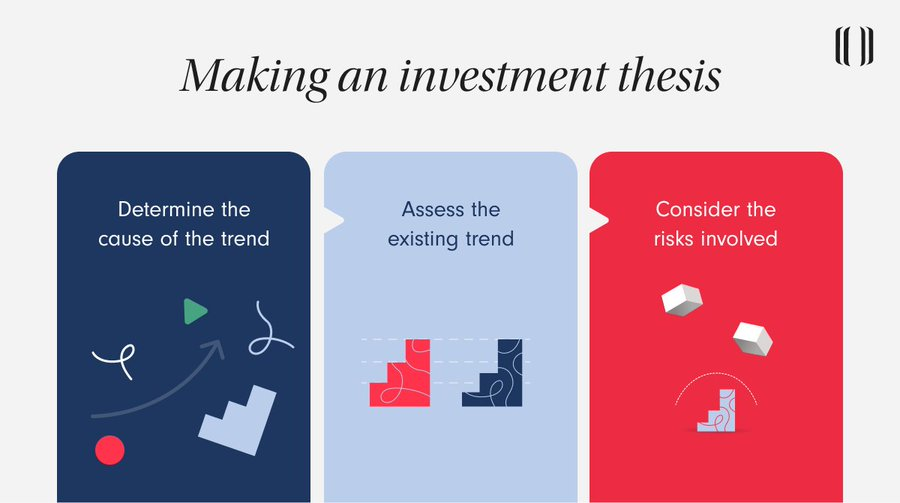
An investment theme is a well-reasoned analysis and argument about a project's potential over a specific period. This theme can consist of multiple factors and doesn't necessarily depend only on price. A good investment theme should be testable, allowing investors to precisely and flexibly manage their investments through testing and adjustments.
The Rationale Behind Thematic Investing
Thematic investing offers several significant advantages:
-
Scalable as your portfolio grows
-
Eliminates emotional and market sentiment influences
-
Provides clear validation and falsification criteria
-
Filters out noise from short-term price fluctuations

Example 1
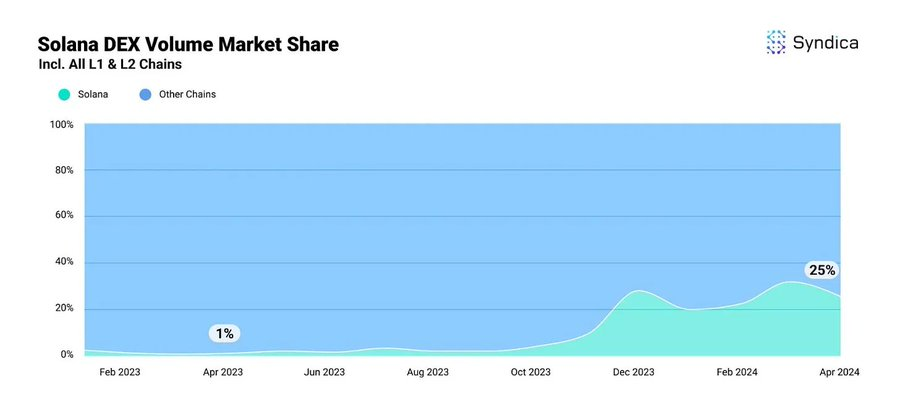
Suppose you’re bullish on a particular Layer 1 blockchain (L1). Instead of using its past all-time high (ATH) as a target, focus on metrics such as:
-
Total Value Locked (TVL)
-
Trading volume
-
Number of active wallets
Further, consider relative metrics like market share or awareness.
Validation and Falsification
Next, set validation criteria based on your chosen key performance indicators (KPIs). This helps assess whether the L1 is progressing along your expected path or deviating. For example, you could use 30-day KPI growth trends to guide management of your investment theme.

Example 2
Consider a new project featuring AI agents. Instead of focusing on price, concentrate on key performance indicators (KPIs) such as:
-
Number of agent transactions
Set a benchmark based on your conviction—for example, achieving one million on-chain transactions.

Whitepaper and Minimum Viable Product (MVP)
When exploring lesser-known, highly volatile cryptocurrencies, many projects may only have a minimum viable product (MVP), or even no actual product yet. In such cases, focus closely on roadmap milestones or key development nodes.

Navigating Events
Your investment theme might focus more on event execution than metric growth. As the saying goes, “Buy the rumor, sell the news.”
Sometimes, exiting immediately after an event date is confirmed is wiser than waiting for the event itself. Afterwards, establish new metrics and form a fresh investment thesis.
Alternative Strategies:
Is complex thematic investing not for you? Consider these alternative approaches:
-
Time-based strategy
-
Fear and Greed strategy
-
Relative outperformance strategy
Let’s explore each in detail.

Time-Based Strategy:
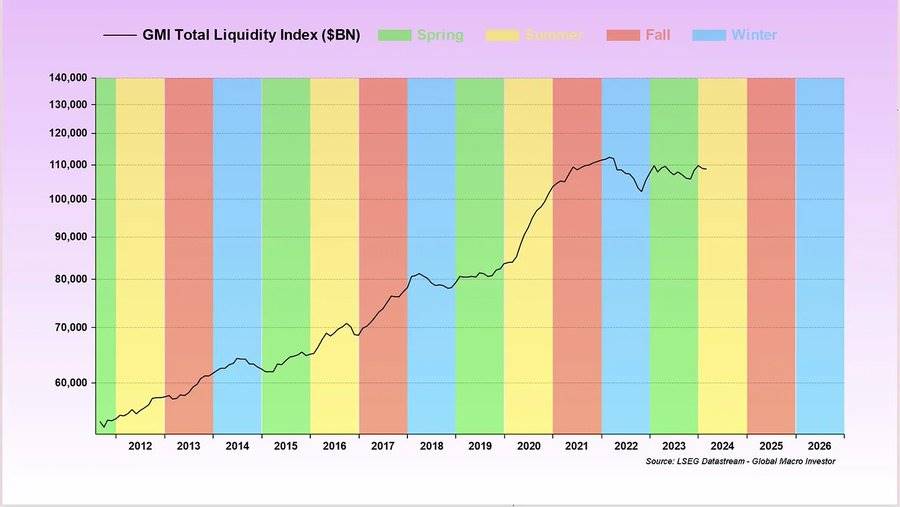
A time-based strategy offers a simpler, more reliable approach. Consider selling a small portion of your portfolio weekly or monthly.
Adjust the timing and size of sales based on macro factors, liquidity conditions, and your personal objectives.
Fear and Greed Strategy:
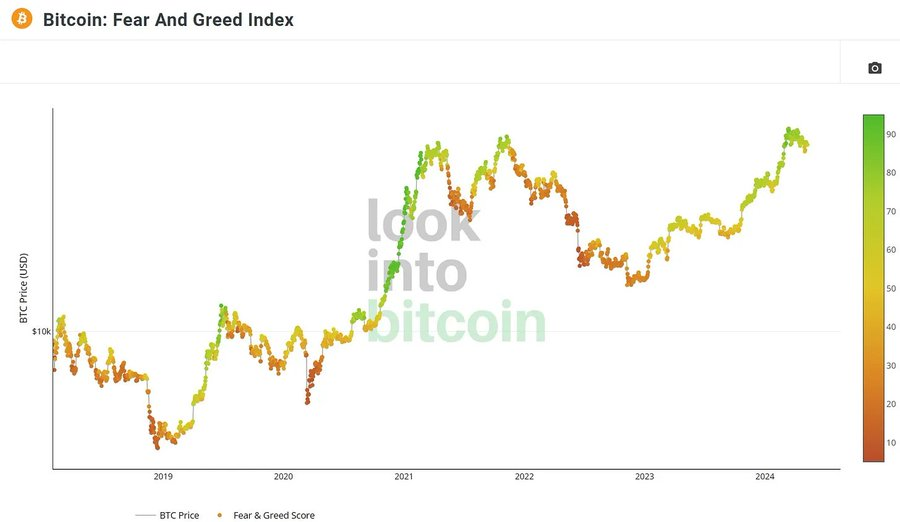
Market sentiment swings are like ocean tides—rising greed pushes prices higher. The key to the fear and greed strategy is capturing gains at the peak of euphoria. One method is using a weighted dollar-cost averaging (DCA) exit strategy based on the Fear & Greed Index.
Relative Outperformance Strategy:
Imagine the market as a race, with each cryptocurrency being a speeding car. The goal is identifying which car accelerates faster relative to others. One way to profit is by selling at specific market cap (MC) ranks—for instance, selling 10% when it reaches rank #50, 20% at rank #40, and so on.

Summary
The cryptocurrency market is highly speculative, and investor sentiment—such as fear and greed—often influences decisions. In such an environment, establishing a risk management system independent of price volatility allows investors greater peace of mind, reducing concern over short-term market fluctuations.
Successful investors typically prioritize investment themes grounded in deep research and analysis over short-term speculation. This approach enables them to make more rational and sustainable investment decisions.
Join TechFlow official community to stay tuned
Telegram:https://t.me/TechFlowDaily
X (Twitter):https://x.com/TechFlowPost
X (Twitter) EN:https://x.com/BlockFlow_News
 @DistilledCrypto