








Blockchain Capital: How Can Meme Coins Empower Web3 Social?
TechFlow Selected TechFlow Selected
Blockchain Capital: How Can Meme Coins Empower Web3 Social?
Meme coins are having their moment in the spotlight.
 Navigating Web3 tides with focused insights
By KINJAL SHAH
Meme coins are having their moment in the spotlight. Yet at their core, what we've witnessed in the crypto world over the past four years has largely been the same set of ideas realized through different new mediums—such as social tokens, NFTs, or meme coins. What unites them is the financialization of shared ideas, assets, or information. Participating in these markets means engaging with the next evolving "meta" of creation, dissemination, and evolution.
The current state of meme coins is highly controversial, as their culture often embraces mechanisms akin to gambling. However, imitating online behaviors is a widely popular form of entertainment on the internet. If you look closely, this could evolve into deeper forms of participation, ownership, and monetization between creators and users.
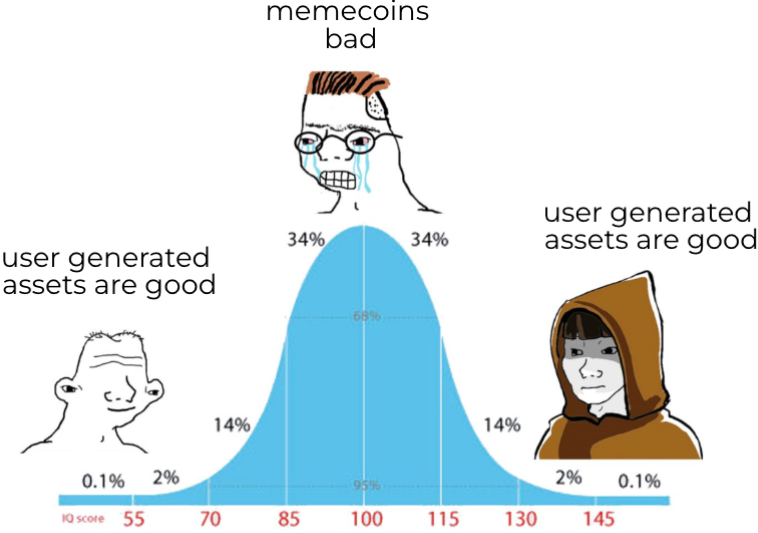
In a previous article I wrote, I argued that user-generated content functions as a native currency of the internet. Memes and similar content are primarily published and spread through media aggregators like Meta (Facebook) and X (Twitter). With cryptocurrency, we take one step further: user-generated assets are now being issued and circulated on digital-native exchanges. As we're beginning to see, they represent a new mode of publishing for a new era. Memes are simply another way to capture attention—an approach to distribution and propagation across web3 platforms.
Meme Coins as Part of the Creator Toolkit
Though still in early stages and far from final form, a toolkit tailored for web3 creators is gradually emerging. Mechanisms such as points and airdrops reward protocol usage. We still have significant room to mature in airdrop design—for example, refining whitelist criteria and vesting schedules—which could unlock more targeted incentive structures. Growth can be further driven by leveraging existing communities, on-chain referral rewards, and "social proof of token ownership."
Meme coins can also serve to unite different communities or capture a specific moment in time. For instance, Seed Club recently launched $ENJOY on Zora in a fully permissionless manner. This meme coin was airdropped specifically to users who had meaningfully interacted with Zora and Seed Club in various ways. This move allowed them to leverage Zora’s network traffic to attract broader visibility.
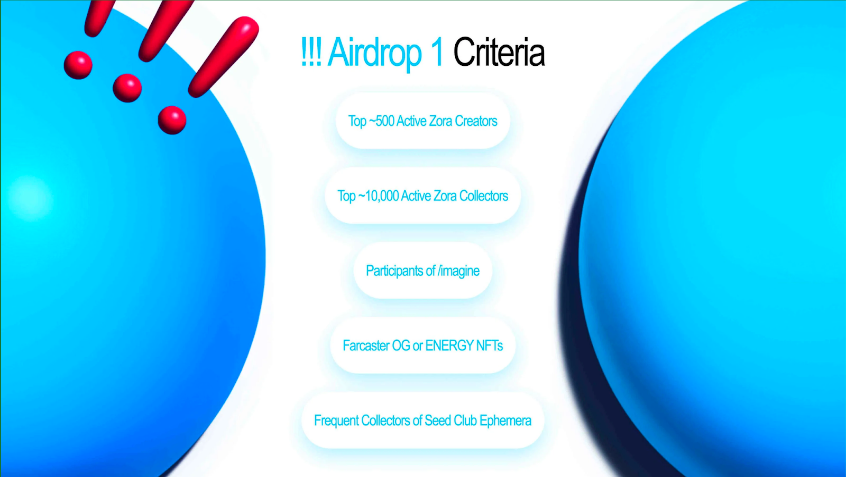
With on-chain addresses and wallets, $ENJOY was able to reward deeper engagement beyond simple minting actions. Holders of $ENJOY represent a unique set of wallet addresses that demonstrated loyalty and active participation with both Zora and Seed Club. While meme coins may inherently be ephemeral, they are also powerful tools for capturing attention and marketing.
We will begin to see more creators and brands using on-chain mechanisms to reward and engage their audiences. Your favorite newsletter writer might offer referral incentives to select readers. Influencers might airdrop their meme coins based on engagement levels across social channels. Below are some examples of tools creators can use to acquire users and drive asset value.

Social consensus and narrative-building play a crucial role here. We’ve seen nearly all forms of content aggregation happen on the internet. To this day, crypto communities largely rely on traditional social media platforms to build narratives. However, we’re now seeing early examples of on-chain publishing products—protocols like Lens and Farcaster, along with applications built atop them such as Warpcast, Drakula, and Orb.
On these platforms, meme coins can become part of the product experience. For example, you could comment on a post (Cast) on Warpcast, and your wallet address linked to your Warpcast account (FID) would receive BONSAI. $BONSAI holders could then gain access to exclusive collectibles or private groups. We’re also observing similar social behaviors emerge in other growing markets, such as wallets and Telegram trading channels. Publishing platforms can utilize this data to deliver seamless user experiences tailored to specific protocols or applications.
So far, our primary mechanisms for monetizing internet memes and content have relied on advertising and sponsorships. With the emergence of on-chain assets, we are witnessing a new generation of behaviors and mechanisms shaping the next internet “meta.” Today, we’ve only just opened this Pandora’s box. If you’re building in this space, DM me!
Thanks to Denise Shaefer, Anay Simunovic, Sterling Campbell, and Jess Sloss for reviewing this piece.
Join TechFlow official community to stay tuned
Telegram:https://t.me/TechFlowDaily
X (Twitter):https://x.com/TechFlowPost
X (Twitter) EN:https://x.com/BlockFlow_News
 @blockchaincap











