








Which crypto wallet should you use in 2024?
TechFlow Selected TechFlow Selected
Which crypto wallet should you use in 2024?
Notable emerging wallets: Rabby, Backpack, Privy, Particle, JoyID.
 Navigating Web3 tides with focused insights
Text by: 0XNATALIE
As Web3 use cases continue to expand, market demand for diverse transaction methods is growing, moving beyond simple swap operations. As the gateway to Web3 transactions, wallet tools have seen numerous iterations, with constant innovation and improvements in security, user experience, and accessibility.
The following five wallet platforms represent significant advancements over established tools like MetaMask. For new users, trying these products could completely transform their understanding of the Web3 experience.
Rabby Wallet: The Best Choice for Ethereum Ecosystem
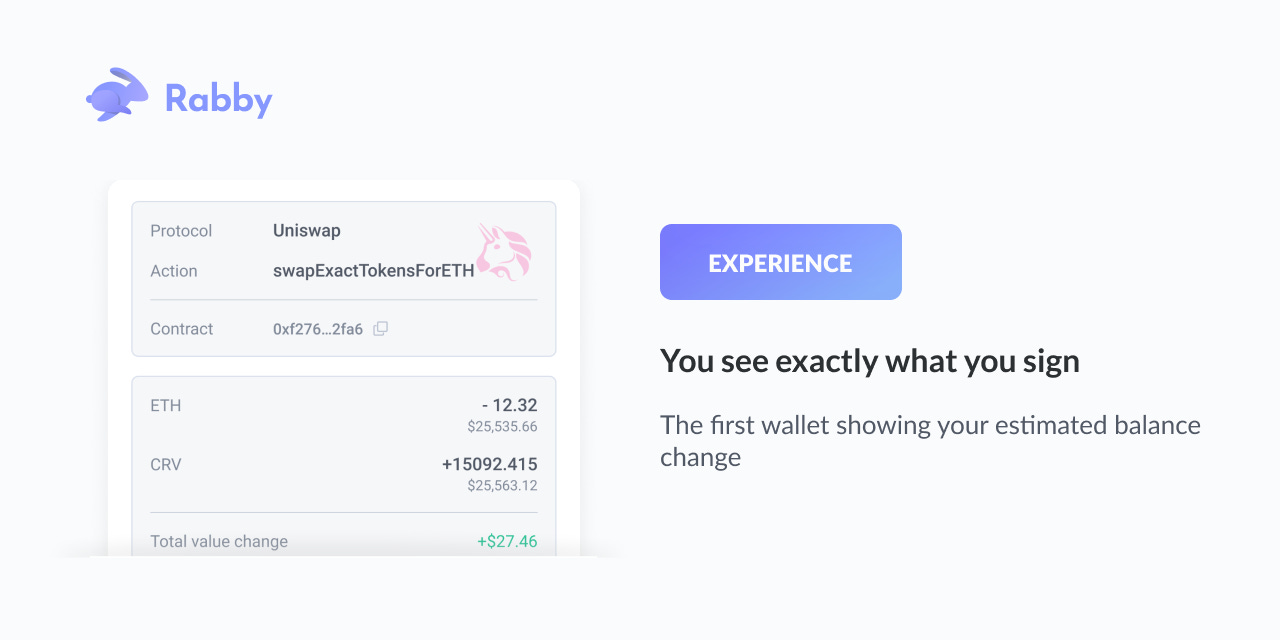
Rabby Wallet, launched by the DeBank team, is a strong contender against MetaMask. Compared to MetaMask, Rabby Wallet offers a more user-friendly interface. It analyzes transaction details and presents them clearly on the signing page, showing users the expected balance changes and reducing the risk of blindly approving transactions. Rabby Wallet sends every transaction to a security engine for screening, helping users identify potential risks and issuing alerts when vulnerabilities are detected—such as "the contract you're interacting with has been previously attacked" or "the recipient address does not exist on-chain."
Additionally, existing MetaMask accounts can be seamlessly imported into Rabby Wallet with one click. Once an address is imported, all tokens across EVM chains are automatically displayed, eliminating the need to manually add each token as required in MetaMask.
Recently, Rabby also launched a points system to incentivize user migration, possibly laying the groundwork for a future token launch.
Backpack: The Best Choice for Solana Ecosystem
In the Solana ecosystem, Phantom—the well-known "phantom" wallet—recently faced controversy over allegations of internally tracking wallets and selling user data. Although Phantom co-founder Brandon Millman stated they do not sell user data but only use technical measures to prevent Sybil attacks, the market remains skeptical, viewing this as indirect confirmation of sharing wallet data with third parties.
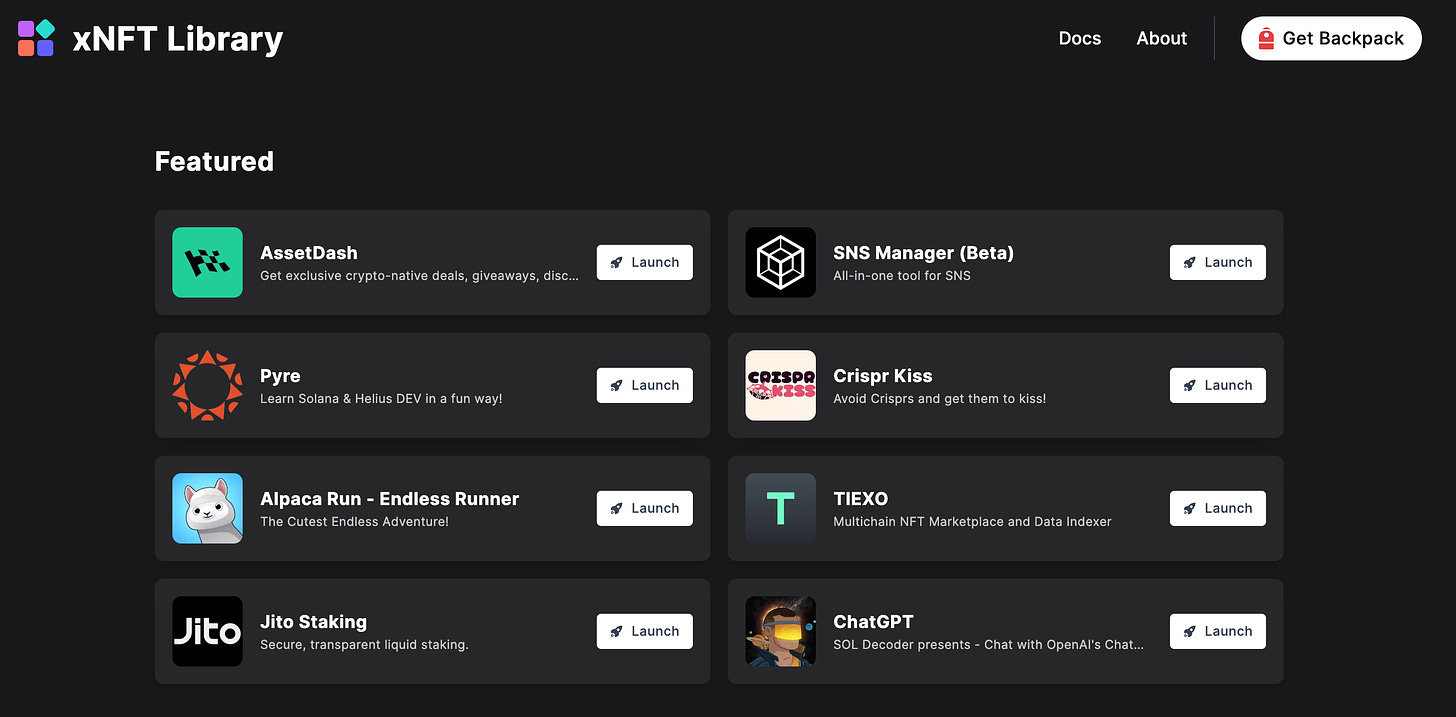
In contrast, Backpack Wallet has taken a completely different approach, emphasizing openness and ease of use. Its biggest distinction is being the only open-source wallet in the Solana ecosystem. While open-source code should be a basic industry standard rather than a competitive advantage, Phantom has not only failed to achieve this but has attempted to monetize user data.
Beyond that, Backpack Wallet also offers many advanced features suitable for power users.
Privy: A Next-Generation "Wallet-as-a-Service" Platform
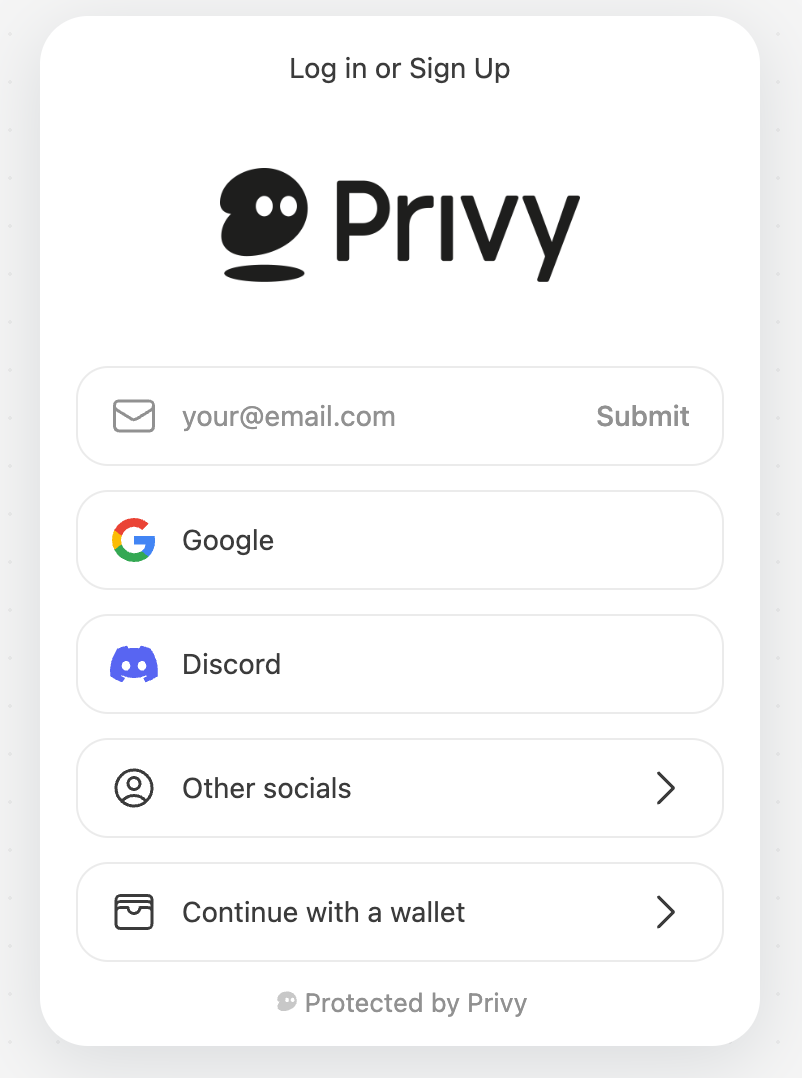
In 2023, Friend.tech's explosive growth brought its integrated Privy embedded wallet into the spotlight. Privy is a WaaS (Wallet-as-a-Service) toolkit designed to enable progressive authentication in Web3. WaaS provides a set of APIs that deliver wallet functionality via cloud services, allowing users to access digital wallets without downloading, installing, or managing complex wallet software. This means Friend.tech users can create accounts directly using their phone number, Apple ID, or Google ID and immediately start using the app. Part of Friend.tech’s rapid success can be attributed to its simplified onboarding process.
Privy helps developers onboard users through multiple authentication methods, giving developers precise control over when to trigger authentication flows and wallet connections, improving user experience and conversion rates. In terms of security, Privy supports multi-factor authentication for embedded wallets, including SMS verification and time-based one-time passwords (TOTP). According to Privy's documentation, they implement Shamir's Secret Sharing (SSS), splitting private keys into three parts: one stored in the user’s browser, one held by Privy, and one encrypted with a strong password (or stored on Privy’s independent server). Any two parts can reconstruct the private key, which exists only in device memory and is never stored permanently.
Particle: A More Mature, Rapidly Iterating, Developer-Friendly "Wallet-as-a-Service" Platform
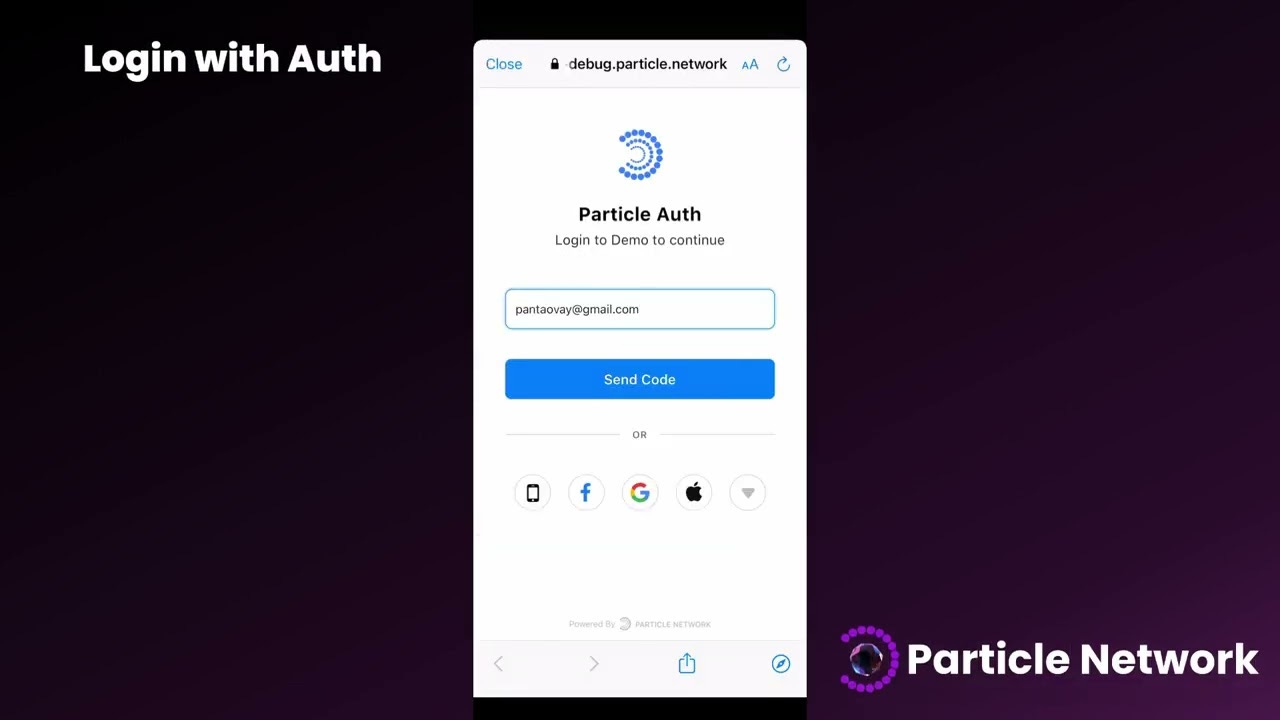
Particle Network, focused on chain abstraction infrastructure, builds upon WaaS by offering a comprehensive suite of tools and introducing the Smart Wallet-as-a-Service Modular Stack. This modular stack integrates account abstraction technology, enabling developers to freely build more sophisticated applications with advanced logic. According to publicly available data from Particle Network, they have already facilitated 3 million ERC-4337 standard User Operations for users.
Furthermore, within the BTC ecosystem, Particle Network launched BTC Connect to solve the compatibility issues between native Bitcoin wallets (like Unisat) and EVM chains—problems arising from differences in signature algorithms, address generation logic, and transaction structures. BTC Connect provides account abstraction and adaptation capabilities, allowing users to interact with EVM chains using only Bitcoin wallet signatures, significantly enhancing user experience.
JoyID: A Next-Generation Wallet Experience Based on Open Standards
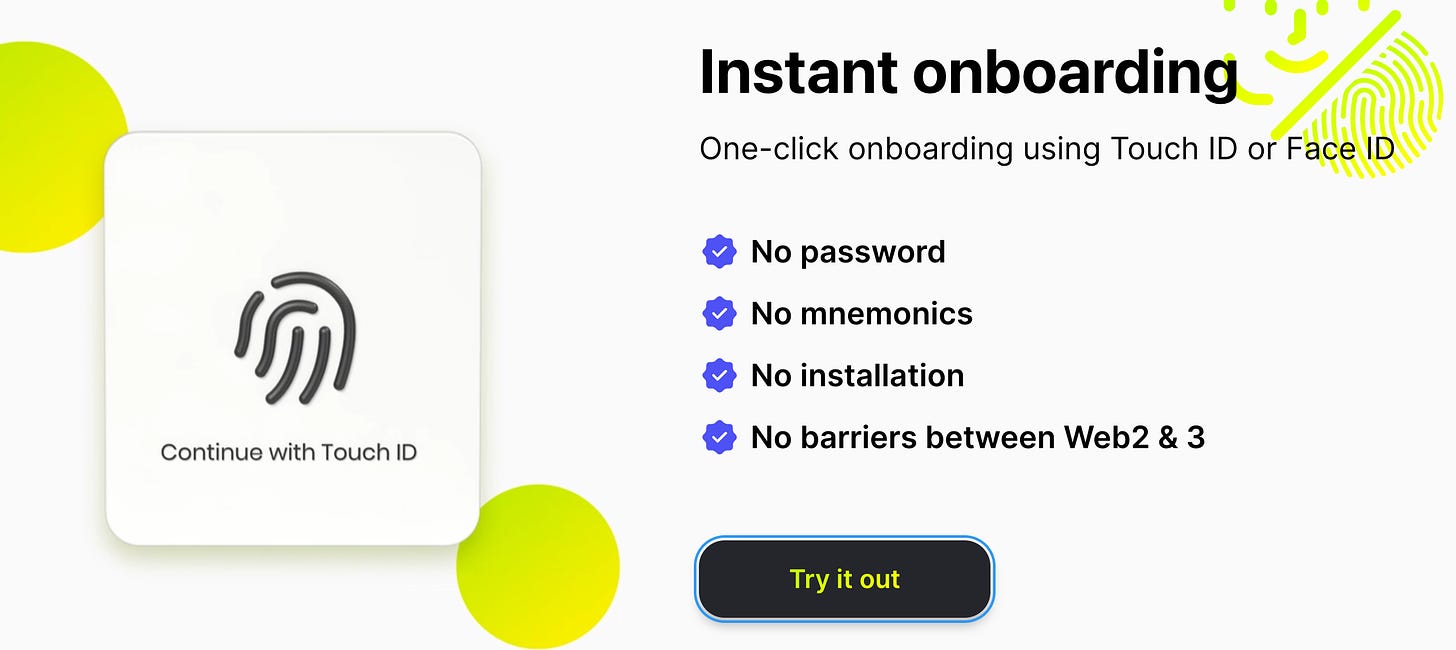
JoyID Wallet is built on Passkey, a next-generation open standard. Many modern mobile devices can leverage built-in secure chips to enhance wallet security without compromising user experience—in fact, surpassing traditional "username + password" login methods.
Moreover, JoyID adopts PWA (Progressive Web App) technology, bypassing Apple/Google restrictions on App Store distribution and further reducing the risk of censorship.
Join TechFlow official community to stay tuned
Telegram:https://t.me/TechFlowDaily
X (Twitter):https://x.com/TechFlowPost
X (Twitter) EN:https://x.com/BlockFlow_News
 @0xnatalie860











