








How to create a successful MEME?
TechFlow Selected TechFlow Selected
How to create a successful MEME?
The total volume should be large, and the unit price should be low.
 Navigating Web3 tides with focused insights
Author: 1912212.eth, Foresight News
Meme coins are dancing again. Yesterday, PEPE, BONK, and FLOKI all surged sharply, with WIF even hitting a new all-time high. Is the familiar meme market cycle returning? Buying memes is an art—but what about creating a successful meme project?
Before answering how to build a meme, let’s first ask: why do memes matter?
"Meme," translated as "meme" in Chinese, defines a world where we don’t talk fundamentals, forget market cap and FDV, and ditch the sophisticated jargon favored by mainstream VCs.
Here, it’s paradise for ordinary players.
Here, entertainment comes first. Xiao Zhao plays slot machines, Xiao Ming trades A-shares, Xiao Wang collects sneakers, Xiao Zhang invests in U.S. stocks, Xiao Chen holds mainstream cryptocurrencies—and right now, we play memes, perhaps even striking it rich and securing a bright future.
Precisely because of this, memes have remained enduring in financial markets, especially within the crypto industry.
Decentralization, community, anti-VC sentiment, anti-traditionalism, fair launches, grassroots movements—these Web3 concepts are naturally tailored for meme enthusiasts.
Over the past few years, notable meme coins like Dogecoin, BONK, PEPE, and SHIB have emerged. No successful meme coin has gone viral by accident or without effort.
So, back to the main question: how can we create a successful meme?
Large supply, low price per unit
Unlike public blockchains, Layer 2 solutions, or DeFi projects—which typically issue between 1 billion and 10 billion tokens—meme coins often have supplies measured in hundreds of billions or even trillions. Take the top 150 meme coins by market cap as an example, illustrated in the chart below.
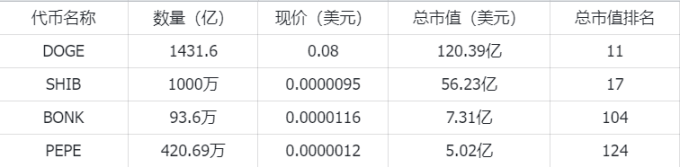
(Data as of February 23, 2024)
Such massive total supplies are designed to align with retail investors’ psychological expectations. Savvy project teams avoid launching meme tokens at several dollars apiece. Instead, they use low pricing strategies to attract high-risk-tolerant players and retain small investors with limited capital.
We must keep the price per token low so that when users buy, they get large quantities—enabling them to “bet small to win big,” making them more likely to hold.
Another key advantage: facilitating “zero-stripping” campaigns.
In trading, “zero-stripping”—reducing the number of zeros after decimal points—is a strong bullish signal. For communities, it also helps ignite FOMO (fear of missing out), accelerating viral spread.
During bull markets, stories of overnight wealth spread fastest and widest. Once a meme coin captures attention, it attracts bold capital inflows.
Design a pop culture symbol
Many globally recognized brands are associated with universal mascots: Ferrari’s logo is a horse, Lamborghini’s is a bull, QQ’s is a penguin. These widely known animal images and logos are simple, memorable, and easy to understand—giving brands a significant edge in global reach.
To build a successful meme coin, we should draw from these lessons. Dogecoin, SHIB, and BONK all feature dogs as mascots—specifically Shiba Inus. These animals originate from pop culture, and their expressive images have spread widely online. Additionally, Dogecoin’s tipping culture once made it a popular micro-gratuity token in the U.S.
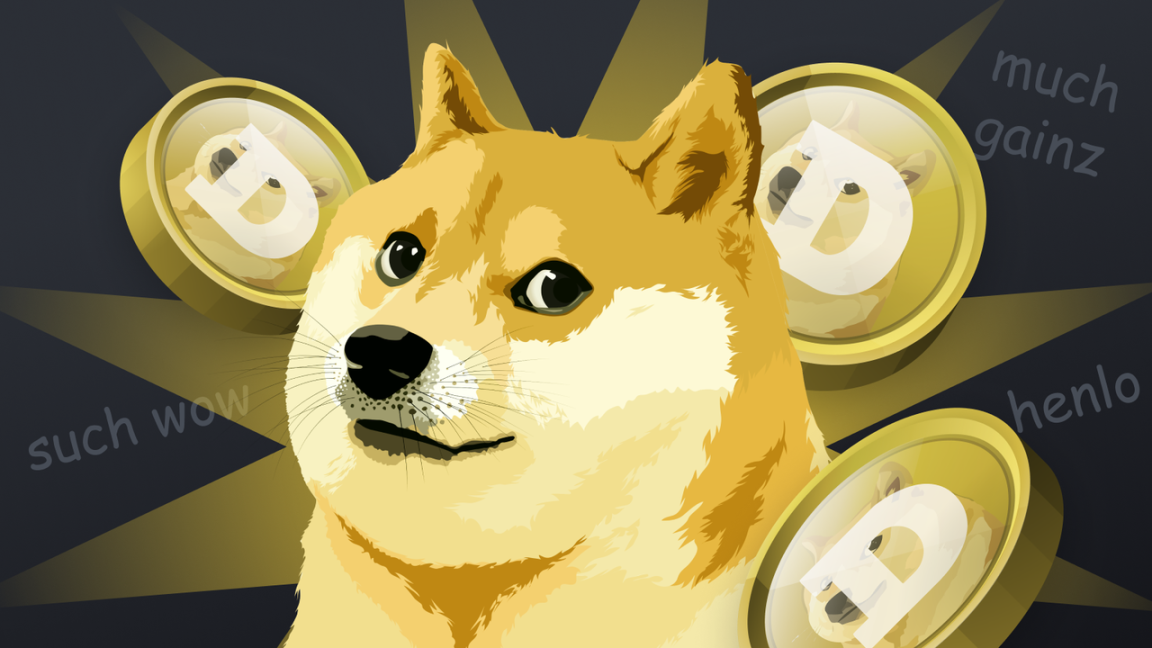
As the longest-standing meme coin, Dogecoin has endured multiple bull and bear cycles and continues its legendary journey.
Looking at PEPE, which emerged last year, it stands apart by choosing a frog—a beloved figure in Western internet culture—as its mascot. Its distinctive design, with large eyes and green skin, gives it extremely high recognition.
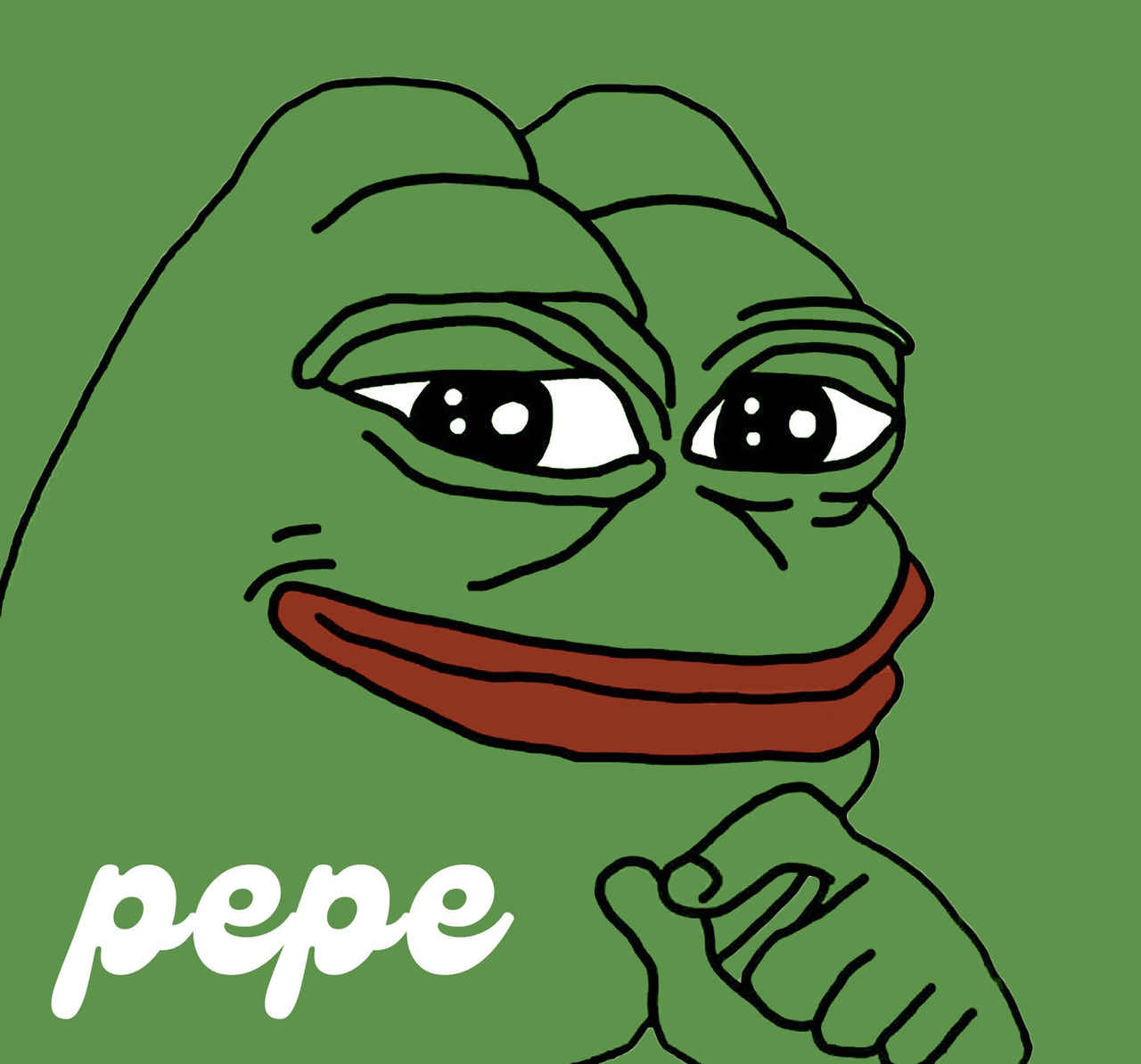
Moreover, this frog has been adapted into countless memes, expressing emotions like joy, anger, and surprise. Some crypto KOLs occasionally use these frog images in replies, further boosting its popularity.
Therefore, leveraging well-known pop culture icons or mascots significantly benefits meme creation.
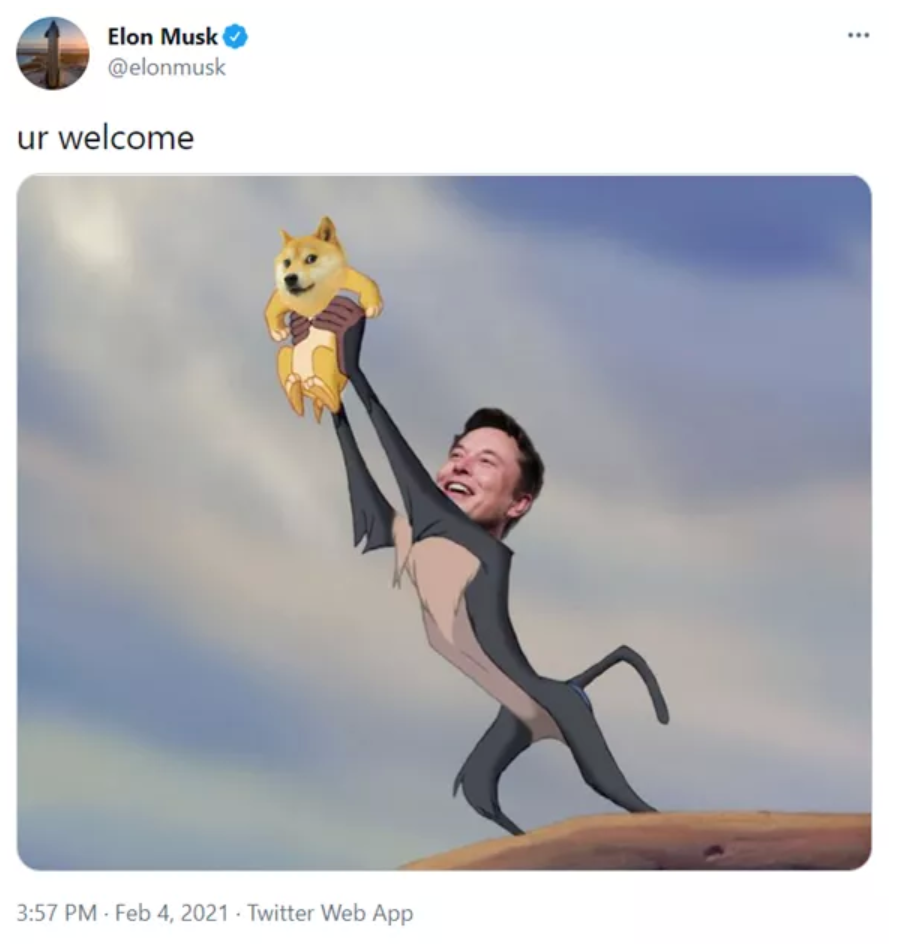
We see that meme coins aren’t instantly embraced by celebrities upon launch. Dogecoin only gained Elon Musk’s favor in recent years due to its cute, fun symbolism and tipping culture.
With hundreds of millions of followers on Twitter, Musk’s endorsement brings immense exposure. Combined with favorable factors like X platform’s small-payment tipping features, this amplifies Dogecoin’s visibility.
In 2023, Musk even replaced Twitter’s logo with Dogecoin’s head for three full days. Earlier, he jokingly declared himself Dogecoin CEO, posting tweets about its payment utility and opinions.
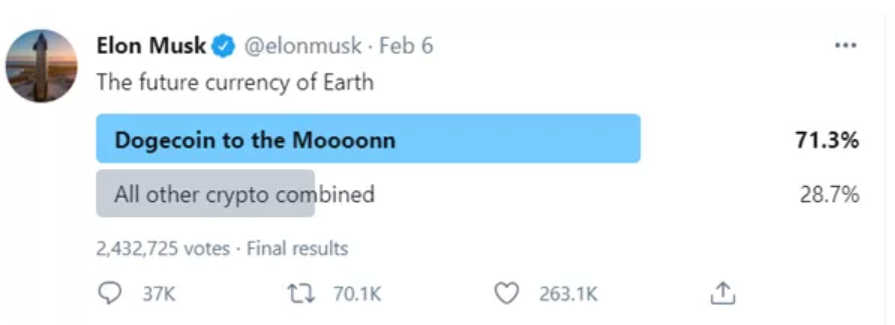
Every time Musk mentions Dogecoin—or his companies partner with it—it injects massive attention into the token.
Beyond relying on superstar endorsements—a rare opportunity—piggybacking on celebrity influence is also effective.
SHIB, which soared in the last cycle, may now be underperforming, but initially used a smart tactic: commenting in Musk’s posts, successfully prompting him to inquire publicly and gain attention.
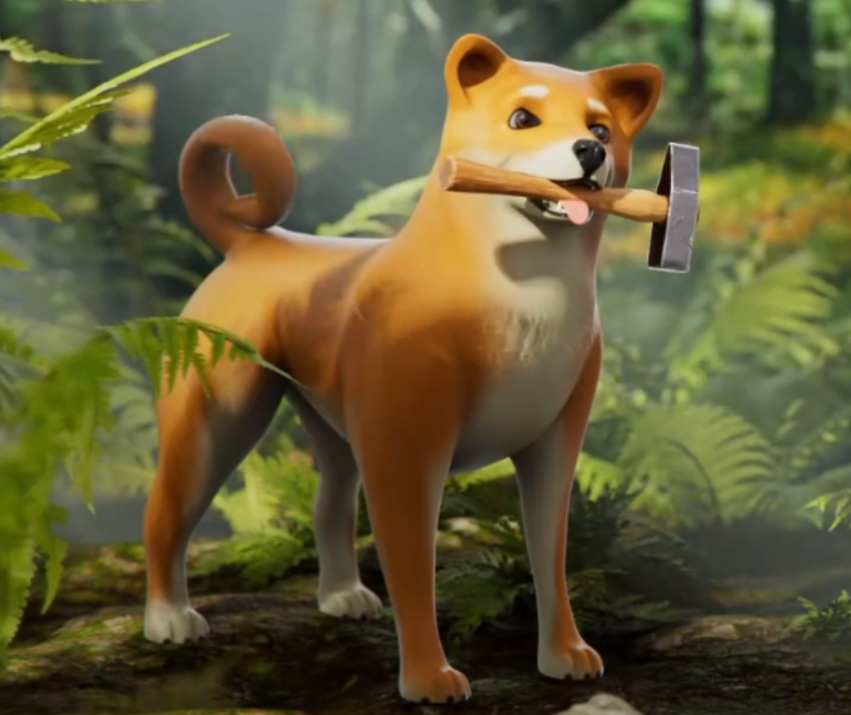
Then, SHIB sent half its supply to Vitalik Buterin. Amid the global pandemic, Vitalik donated the tokens to an Indian charity, generating widespread buzz—many Indians learned about SHIB because of this. Afterward, numerous meme projects imitated sending tokens to Vitalik, but none matched SHIB’s impact.
Notably, even Solana-based protocol nuts leverages Musk’s wordplay. Whenever Musk comments “nuts” (meaning strange), the nuts token price spikes.
Another influential figure is Solana co-founder Toly. SILLY, with its cute and goofy dragon design, captured Toly’s interest. He even wore a dragon costume while speaking at Solana Breakpoint 2023, sparking a “Silly Dragon” craze.
Build stronger "community consensus"
Cryptocurrency price increases are highly correlated with attention. The more attention a project receives, the wider its audience grows, driving more buyers and pushing prices upward.
To create a successful meme, we must understand its essence. Unlike functional or governance tokens, memes completely discard narratives, staking, and traditional justifications, openly admitting their tokens are “useless.” In this context, value depends entirely on “community consensus.”
Community and decentralization are core tenets of crypto culture. This means viral spread relies on genuine resonance and “organic” participation—rather than forced marketing.
Of course, some marketing remains necessary during lulls in momentum.
DOGE-funded “Doge-1” lunar mission boosted its token price, while SHIB and Dogecoin have extended beyond online presence through real-world integration. Some cinemas, supermarkets, and brands accept them as payment—including luxury brand Gucci, U.S. telecom giant AMC, and video game retailer GameStop—enhancing their brand exposure.
Being a meme coin doesn’t mean doing nothing and merely posting images on Twitter to gain support. While BONK hasn’t aggressively pursued offline brand partnerships like its predecessors, it has actively engaged within the Solana ecosystem—collaborating with other DeFi products, adding liquidity, enabling staking, etc.
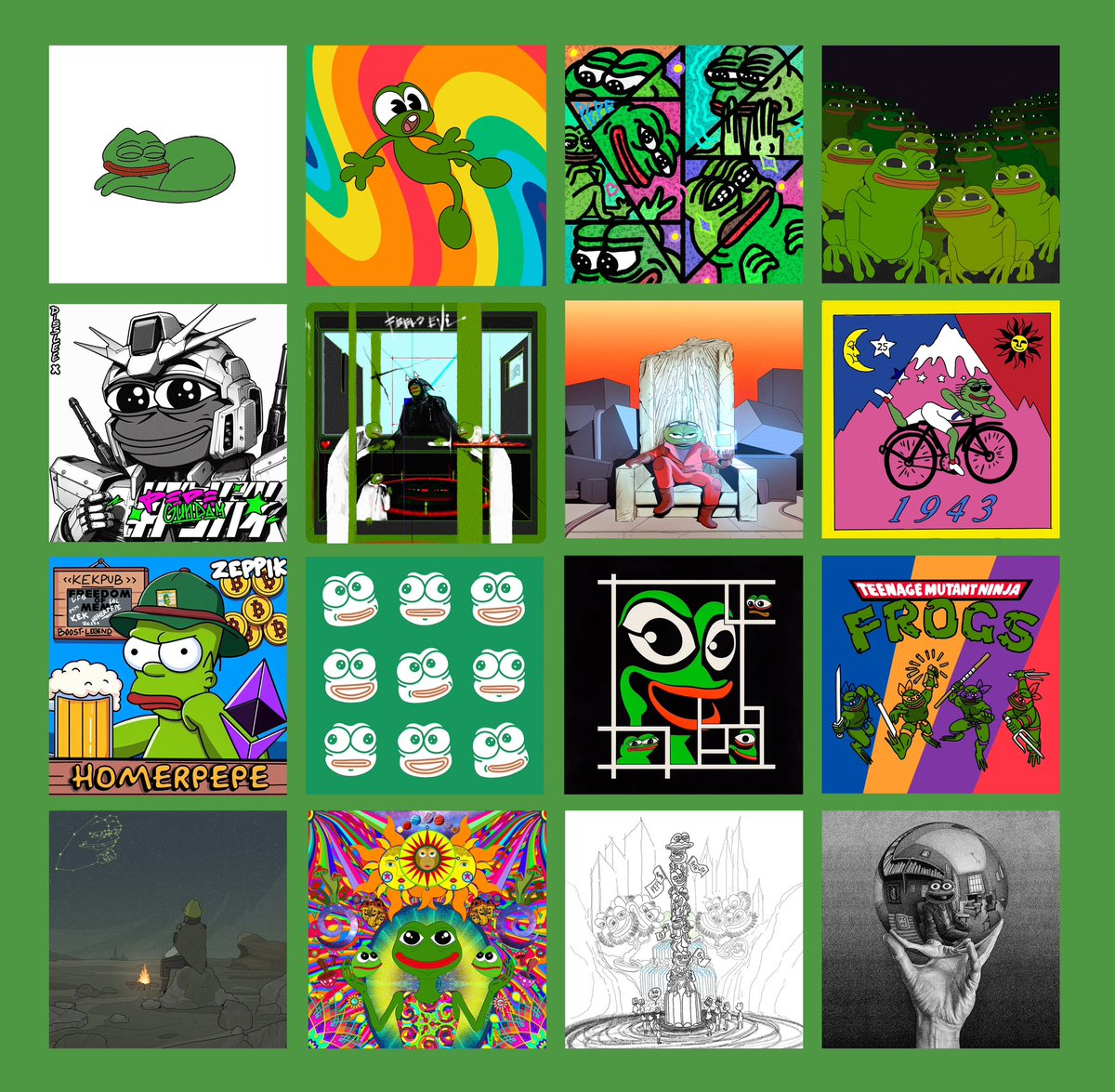
PEPE regularly shares fun images, memes, and comics within its community. It also sponsors art contests to promote the frog meme.
Whether online or offline, whether via celebrity influence or trending events, building broader “community consensus” fuels a meme coin’s ascent.
Choose major public chains with the largest capital and user bases (Ethereum and Solana)
Looking at existing meme coins, most are built on popular blockchains: Dogecoin, SHIB, and PEPE run on Ethereum. With the rise of Solana, newer stars like BONK, WIF, and SILLY have also gained fame.
Other blockchains haven’t produced particularly successful memes due to various reasons. Blockchains act like reservoirs—the more wealth and users they hold, the greater the potential inflow of meme capital. Moreover, since meme assets largely depend on spillover activity from on-chain liquidity, relatively nascent chains—or those outside the top tier—offer almost no viable space for meme assets.
Take FUD, a meme coin on Sui: despite early attention from Sui’s official Twitter account and adopting the highly relatable dog mascot, FUD failed to meet “expected” performance—even as SUI’s price surged and TVL hit new highs. In fact, no meme token in the Sui ecosystem has yet broken into the mainstream.
Turning to Layer 2s, we find very few memes. Airdoge briefly gained attention through wide-scale airdrops but quickly faded. To date, no L2 has produced another high-profile meme coin.
At critical project milestones—such as airdrops, mainnet launches, or token model announcements—strategic planning could generate significant attention.
Use airdrops to capture market attention
Without other advantages, if we want a meme to quickly gain fame, conducting broad airdrops on selected blockchains or to specific token holders is one of the most effective methods.
A prime example is Solana’s rising star BONK. Initially struggling, it allocated 60% of its supply to airdrop to Solana ecosystem users—a generous move during a period when the ecosystem suffered heavily from the SBF collapse. As SOL recovered rapidly over the past year and regained market attention, BONK was subsequently listed on Binance and OKX. Without celebrity endorsements or major news events, BONK carved its own path through widespread airdrops and Solana’s ecosystem revival.
Even non-meme projects frequently gain massive attention through airdrops—such as Flare, Celestia, Dymension, AltLayer, and Wormhole. Some project tokens have even become “golden shovels,” where simply staking in a wallet grants eligibility for new airdrops.
For instance, airdrops in the Cosmos ecosystem often target holders of TIA or ATOM, as these communities are large and active. Leveraging established project recognition helps rapidly boost visibility.
Summary
If you’ve read this far, attentive readers probably already know what to do. Creating a successful meme requires careful consideration of tokenomics, mascot design, airdrop strategy, and choice of blockchain. With the right timing, environment, and community alignment, the odds of success increase dramatically.
If you need inspiration for animal mascots, consider these: Cotton-faced Frog, Zha’s Reed Rabbit, Xilawa Monkey, Utah Goose, South African Elephant Shrew, Marimba Bear…
Join TechFlow official community to stay tuned
Telegram:https://t.me/TechFlowDaily
X (Twitter):https://x.com/TechFlowPost
X (Twitter) EN:https://x.com/BlockFlow_News
 Foresight News






