









USV Co-founder's View: Mint as Ownership — a Native Business Model for Both Web3 and AI
TechFlow Selected TechFlow Selected
USV Co-founder's View: Mint as Ownership — a Native Business Model for Both Web3 and AI
You're not just telling creators you like their work—you're also giving them a small amount of money and getting a copy of the work.
 Navigating Web3 tides with focused insights
Author: AVC
Translation: TechFlow
Introduction
In this article, AVC, co-founder of USV, explores how Web3 and artificial intelligence are redefining data ownership and business models. Today, personal data is used by large tech companies, but Web3 is changing this dynamic. This piece introduces minting as a native Web3 business model and examines its potential impact on the AI landscape. Let’s dive into the promise of this emerging trend.
Main Text
We’ve all seen ads that made us wonder, “How did they know I was looking for that product?” The answer lies in powerful AI/ML models trained on our personal data by big tech companies.
There are two key issues here:
-
First, the "data" they use to train these models actually belongs to us, yet for two decades we've handed it over freely to large tech firms.
-
Second, even though these models are trained on our data, they belong to the tech giants—not us.
It doesn’t have to be this way—and I believe this status quo won’t last much longer.
Web3 can help change this. Let me explain how.
If you visit zora.co, you’ll find a social platform that feels like Tumblr, Instagram, or Facebook—you can browse content and “like” what you enjoy. But there’s a twist: on Zora, “liking” is called “minting.” Instead of just signaling appreciation, you pay a small amount and receive a copy of the work you liked—something you truly own.
The difference is clear: you now own a piece of what you liked, having paid a little for it. If creators get thousands of people to mint their work—which isn’t uncommon on Zora—they can earn significant income from their creations.
Meanwhile, collectors are building datasets they actually own. These datasets are stored on the blockchain and belong to them—not the platform.
The next step is obvious: platforms like Zora will allow collectors to train models directly on their collections. This turns their personal collections into training datasets—but crucially, datasets owned by the collectors themselves, not by Zora.
Soon, we’ll have open-source AI/ML models capable of running on our phones. These will be our models, trained on our own datasets.
Below is a screenshot of the Ethereum wallet connected to this blog. You can see some recent collection transactions from the past week or two.
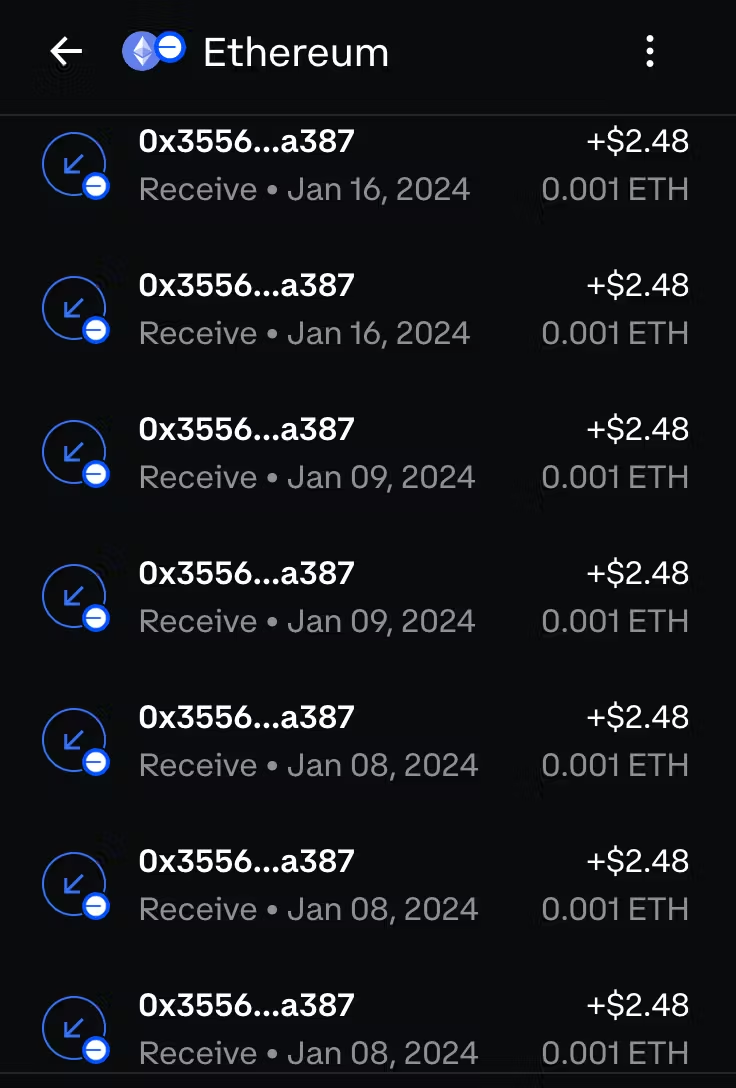
So what’s happening here?
-
Writers are getting paid for their work.
-
Readers are building datasets they own—on-chain, not on Facebook.
The next phase? We’ll own open-source models trained on the very collections we’re building.
These models will assist us in writing, discovering new content, launching startups, investing in new ventures, listening to new music, and doing countless other things we care about.
To echo Chris Dixon (General Partner at A16Z) from his post yesterday: In the long run, we still need an economic contract between AI systems and content creators. AI always needs fresh data to keep pace with change. The world evolves—tastes shift, new genres emerge, new things are invented. There will always be new subjects to describe and represent. Those who provide content for AI systems must be compensated.
There is a path forward—for writers, readers, collectors, creators, and everyone else.
It starts with owning our own work and allowing others to pay to collect it.
What gives me hope is that this isn’t just talk or fantasy. It’s already happening—right here on this blog. The tools we need to change how the world works are already available. We just need to start using them.
Join TechFlow official community to stay tuned
Telegram:https://t.me/TechFlowDaily
X (Twitter):https://x.com/TechFlowPost
X (Twitter) EN:https://x.com/BlockFlow_News
 @avc
@avc











