









The Five Factors of Modular DA Design: Who Wins Among Celestia, Avail, and EigenDA?
TechFlow Selected TechFlow Selected
The Five Factors of Modular DA Design: Who Wins Among Celestia, Avail, and EigenDA?
The five factors include data availability sampling, consensus + DA assurance, degree of decentralization, scalability, and cost.
 Navigating Web3 tides with focused insights
Author: hitesh.eth, crypto KOL
Translation: Felix, PANews
Last month, Arbitrum paid about $1,980 per MB in DA fees. Meanwhile, Manta pays only $3.41 per MB using Celestia DA. Modular DA layers can save Rollups massive amounts in gas fees. Celestia, Avail, or EigenDA—who will win the DA race?
Why Do We Need Modular DA?
In monolithic blockchains like Ethereum, data availability (DA) is typically part of a single system design. When block space utilization is high, data availability becomes a bottleneck that limits scalability. Higher gas fees lead to worse user experience.
Ethereum has long recognized this scalability issue and has begun exploring various off-chain scaling solutions. Rollups, especially optimistic rollups, have become popular off-chain scaling approaches, but still face high gas fees during periods of high block space demand.
Another challenge for Rollups is that they spend nearly 70–90% of their revenue on calldata and storage costs for Ethereum DA.
Modular data availability layers offer a potential solution to reduce DA costs by up to 99%.
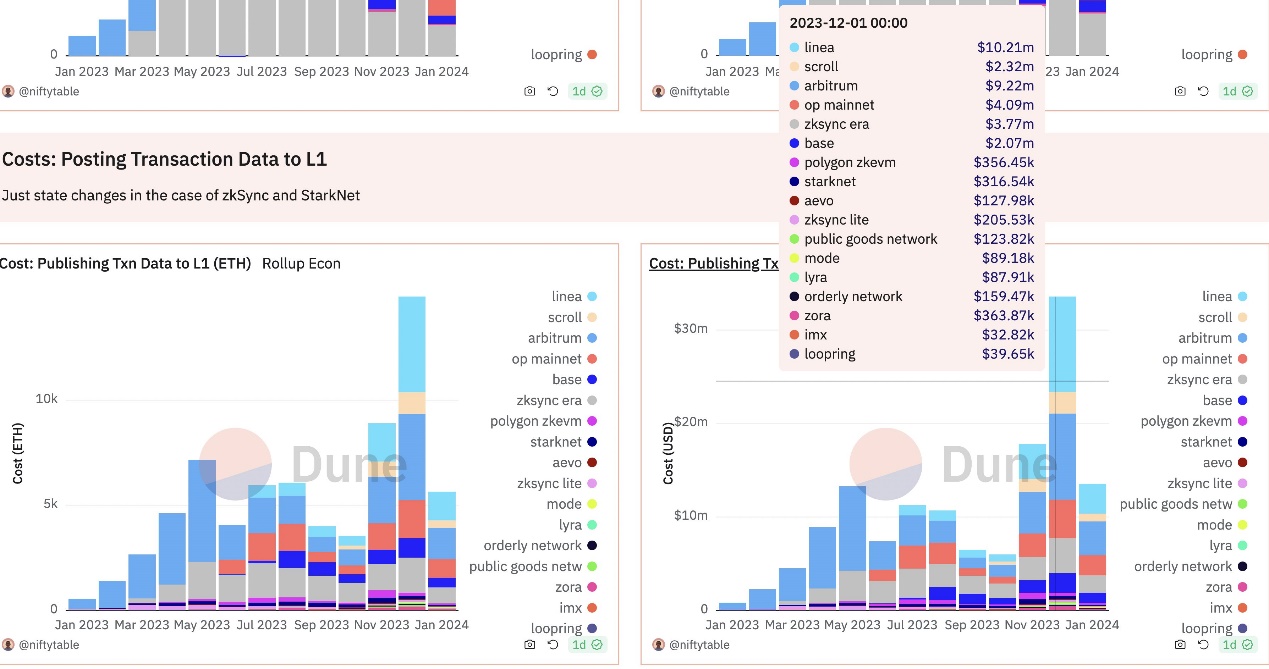
This has already been proven by Celestia and Manta. By choosing Celestia instead of Ethereum DA, Manta successfully reduced its DA costs by nearly 99%. Although Ethereum is also undergoing major upgrades that will introduce dedicated blockspace for L2 calldata.

It’s estimated that this could reduce calldata costs by 5–10x. Yet even when comparing Proto-Danksharding (EIP-4844) with Celestia, Celestia still holds at least a 50x cost advantage over Blobspace.
Now the question is: what design considerations in modular DA systems like Celestia, Avail, and EigenLayer allow them to reduce calldata publishing costs so dramatically?
Many factors affect the overall performance and cost of a DA layer. According to crypto KOL hitesh.eth, the following five are the most important:
-
Data Availability Sampling (DAS)
-
Consensus + DA Guarantees
-
Degree of Decentralization
-
Scalability
-
Cost
Data Availability Sampling
In Ethereum DA, nodes must download all data in a block to verify its availability—this is time-consuming and costly. With data availability sampling, light nodes can verify data availability without downloading the full data set.
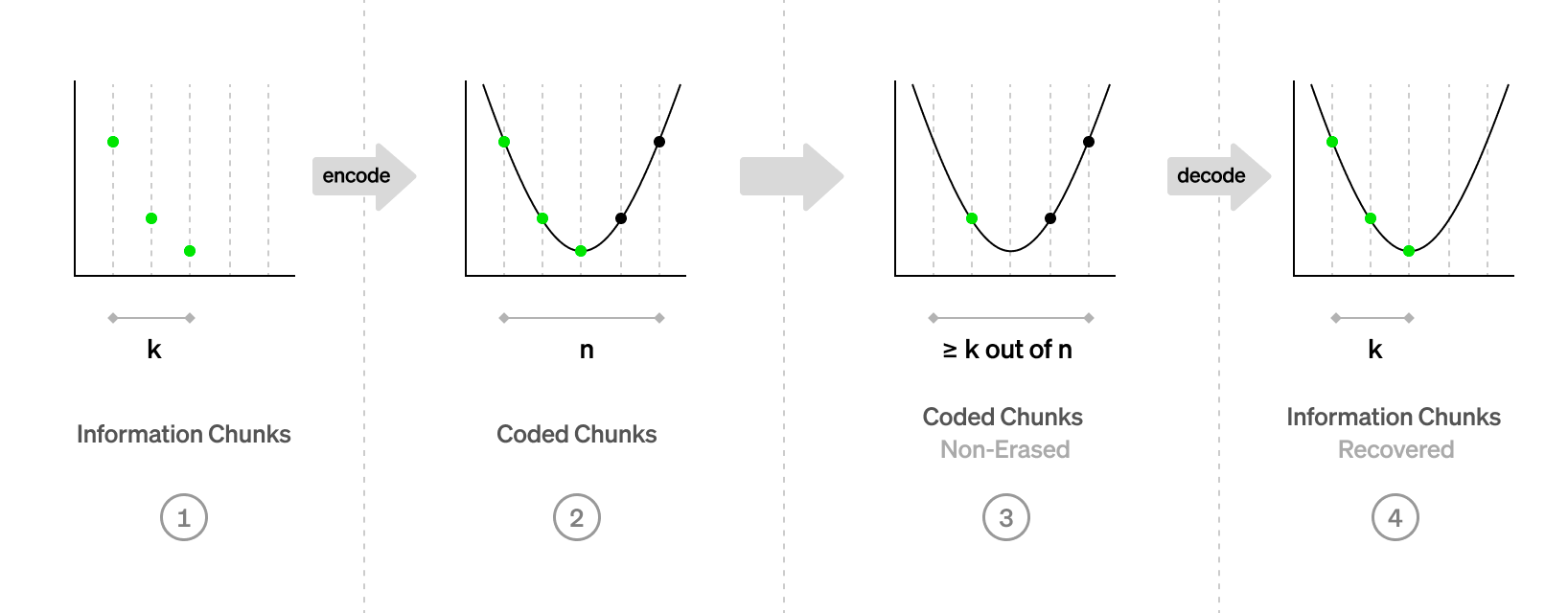
Modular DAs like Celestia and Avail use techniques such as erasure coding to split data into small shards, allowing light nodes to randomly sample and verify subsets of these shards.
Celestia also uses Namespaced Merkle Trees (NMT), enabling Rollups to publish only relevant portions of data to Celestia blocks, which helps reduce storage and verification costs for light nodes. EigenDA does not use data availability sampling.
Consensus + Data Guarantees
When discussing lower data availability costs, consensus plays a critical role. It involves two aspects: transactions should be included in blocks quickly, and there must be security guarantees regarding transaction accuracy.
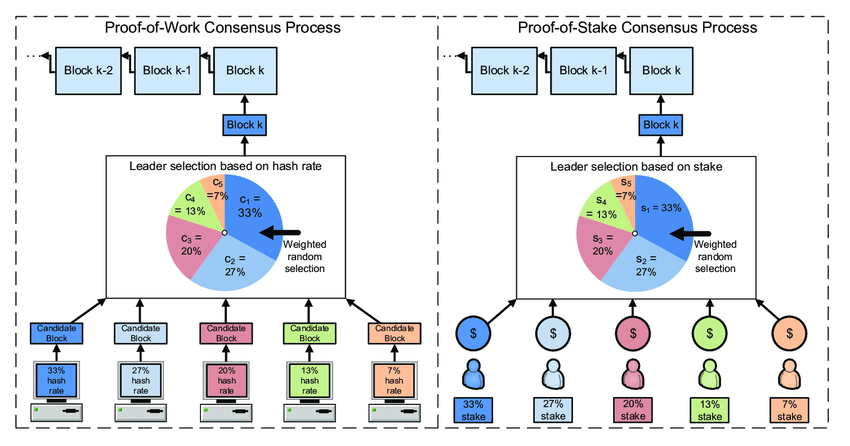
Thus, block finality time plus data guarantee time both contribute to optimizing DA layer performance. Celestia uses Tendermint, which achieves faster block finality, and employs fraud-proof designs to ensure transaction correctness.
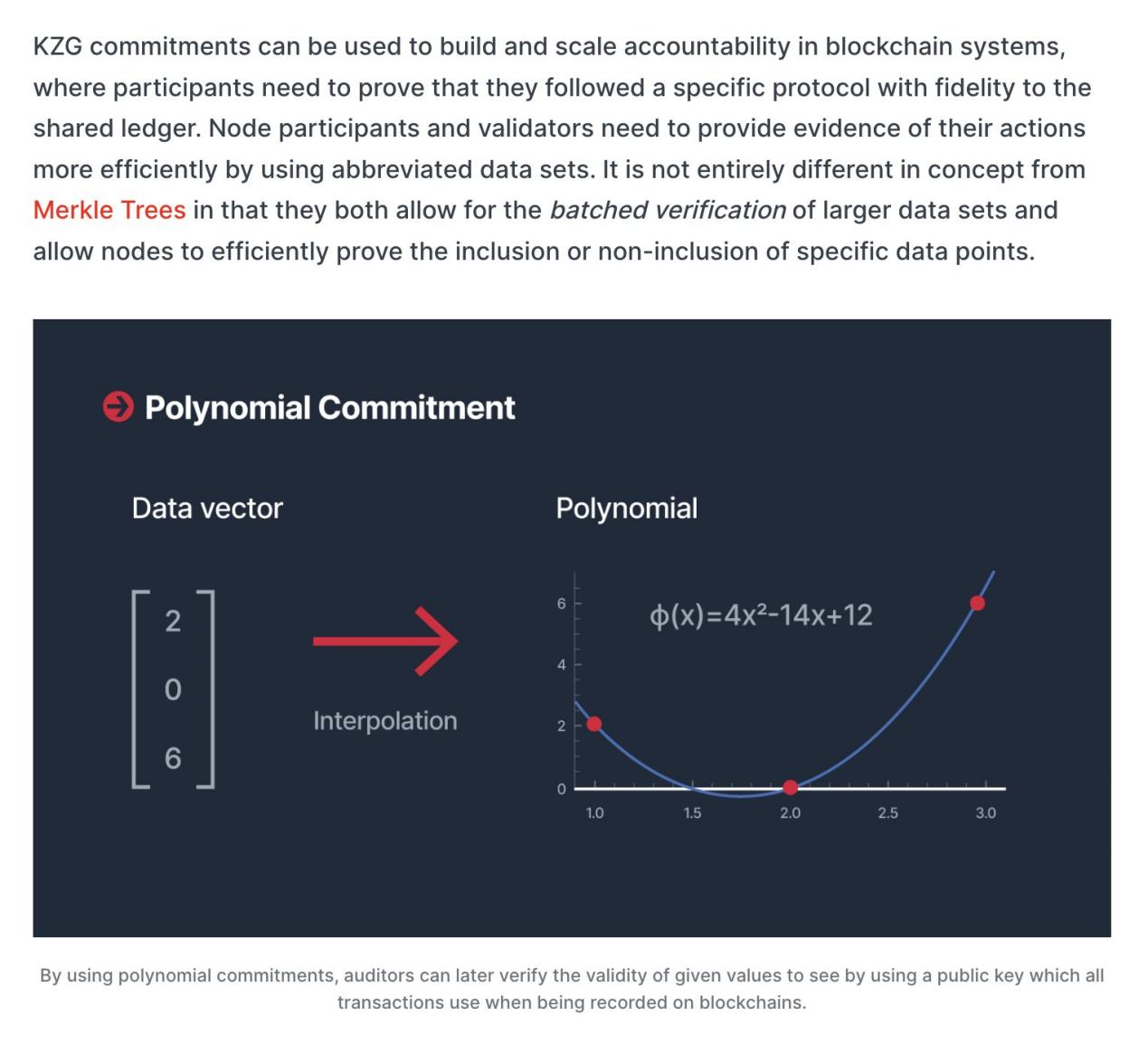
Avail, on the other hand, uses a hybrid consensus mechanism (Grandpa and Babe) inherited from the Polkadot SDK, resulting in slower block finality compared to Tendermint. However, because Avail also uses KZG commitments for validity proofs, it verifies transaction correctness faster than Celestia.
EigenDA uses Ethereum’s Casper Proof-of-Stake consensus, which is slower than the other consensus mechanisms discussed above. EigenDA relies on DACs (Data Availability Committees) for validation—a committee of validators responsible for the verification process.
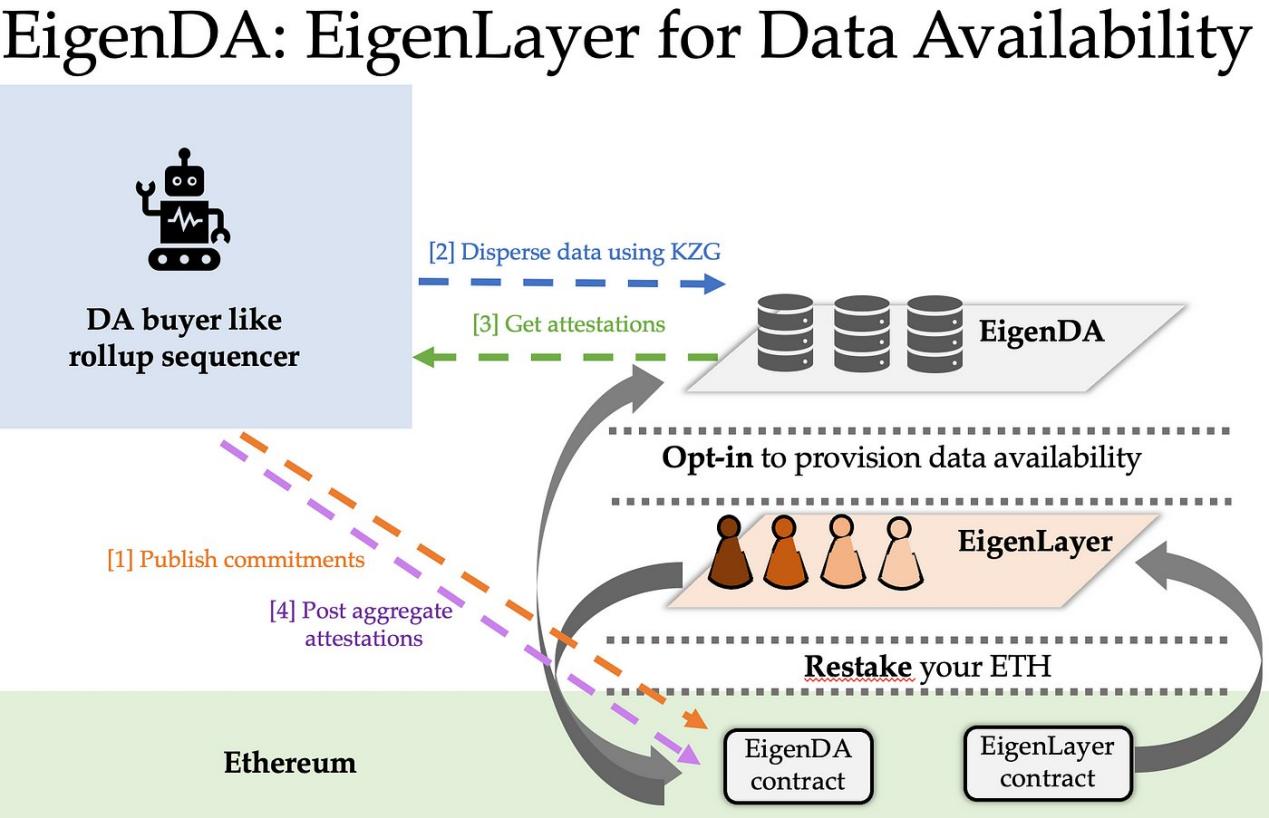
DACs save on verification time but introduce centralization risks. Using DACs can effectively reduce DA costs, as demonstrated by Metis and other validity solutions.
Decentralization
The degree of decentralization is one of the most important design considerations. This refers to how many validators secure the network and how stake is distributed across the network. Celestia supports up to 100 validators.
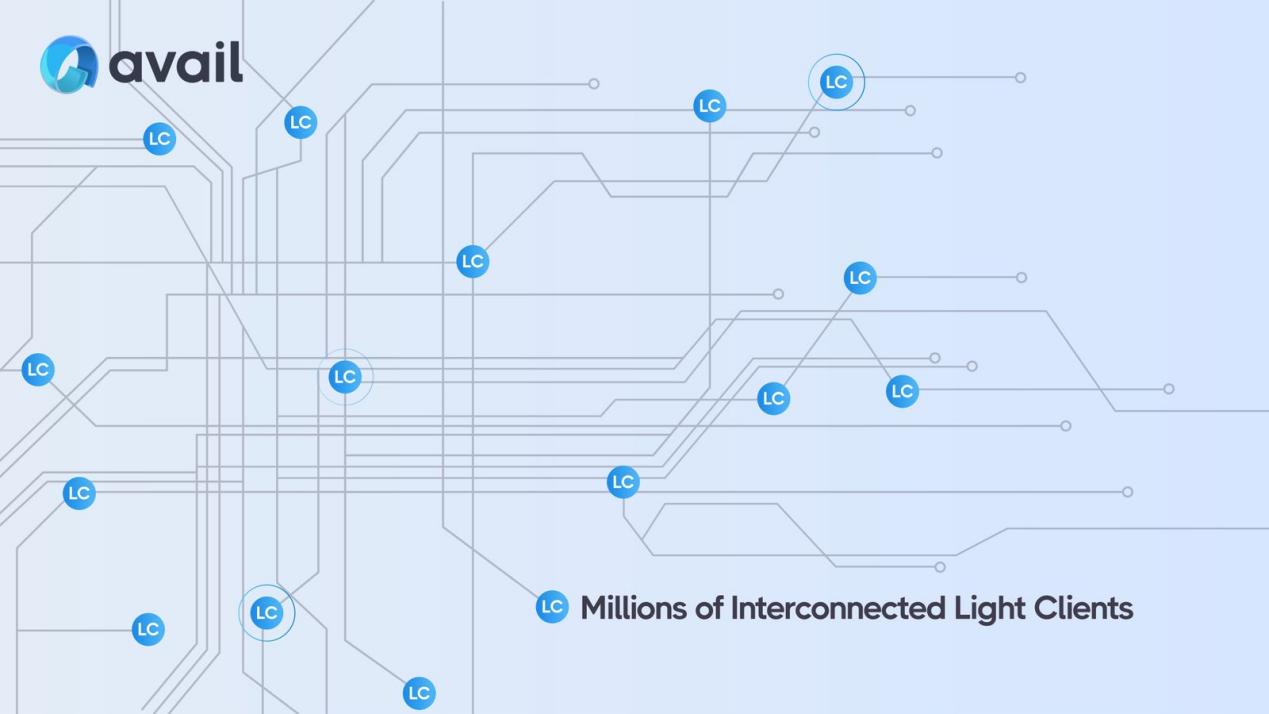
Avail uses nominated proof-of-stake and supports up to 1,000 validators. The network can remain operational even if most full nodes go offline, as light nodes perform sampling via a peer-to-peer network. Avail is the only DA layer with strong fault-tolerance mechanisms.
EigenDA is an Active Validation Service (AVS) that shares security from Ethereum validators through restaking ETH via smart contracts. The security guarantees of EigenDA depend on the number of validators and the amount of ETH restaked.
Scalability
A modular DA layer should be able to dynamically scale block size as demand increases. Celestia and Avail use large blocks, data availability sampling, and light nodes to meet growing demand. The DAC used by EigenDA is also considered scalable.
Cost
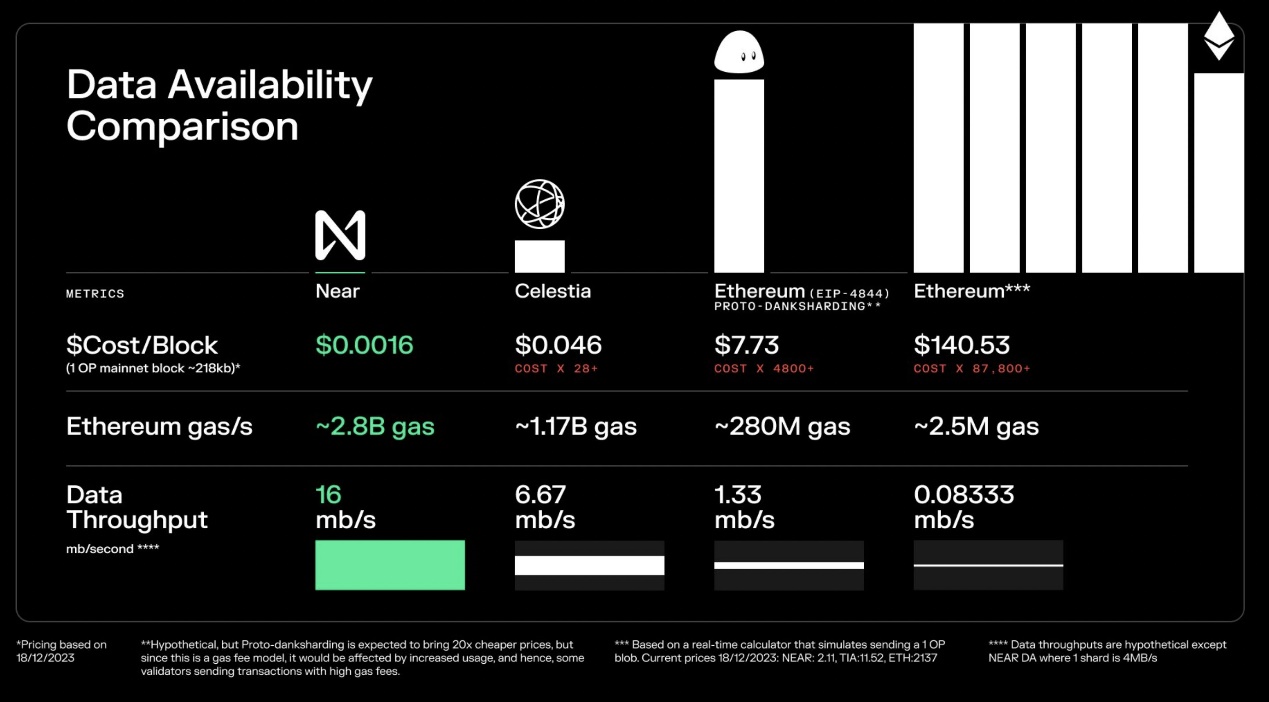
The cost of modular DA depends on the various factors discussed above. Celestia DA is already live and currently charges Manta $3.41 per MB; this cost may fluctuate based on the price of TIA. Avail and EigenDA are not yet launched. NEAR currently offers the lowest DA cost.
Join TechFlow official community to stay tuned
Telegram:https://t.me/TechFlowDaily
X (Twitter):https://x.com/TechFlowPost
X (Twitter) EN:https://x.com/BlockFlow_News
 hitesh.eth









