









Detailed Analysis of CSOP International's First Hong Kong Tokenized Fund and the Advantages of Tokenization
TechFlow Selected TechFlow Selected
Detailed Analysis of CSOP International's First Hong Kong Tokenized Fund and the Advantages of Tokenization
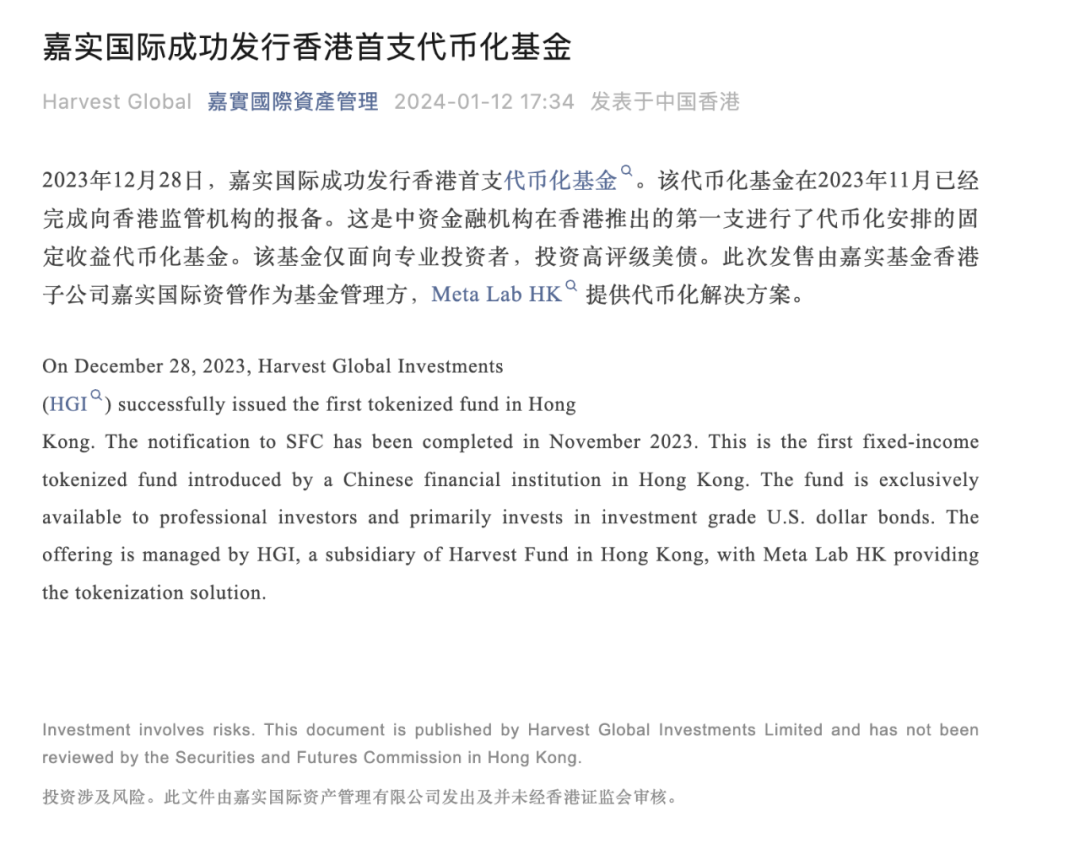
On December 28, Harvest Global successfully launched Hong Kong's first tokenized fund.
 Navigating Web3 tides with focused insights
Author: Bowen, Bailu Salon
On January 12, 2024, Harvest Fund Management International announced via its official public account: On December 28, 2023, Harvest successfully launched Hong Kong’s first tokenized fund.
The tokenized fund completed filing with Hong Kong regulators in November 2023, marking the first fixed-income tokenized fund arranged by a Chinese financial institution in Hong Kong. The fund is available exclusively to professional investors and invests in high-rated U.S. Treasury bonds. Harvest Fund Management's Hong Kong subsidiary, Harvest Fund Management International, serves as the fund manager, while Meta Lab HK provides the tokenization solution.
With the implementation of Hong Kong's new STO regulations in 2023, an increasing number of traditional financial institutions have begun exploring innovative tokenized investment products. As one of the earliest adopters, Harvest International’s swift launch of its tokenized fund indicates broader application prospects for fund tokenization.
This article from Bailu Salon aims to share and analyze Harvest International’s tokenized fund, along with the advantages of fund and asset tokenization, helping readers better assess future developments in this field.
Understanding Harvest International
Founded in 1999, Harvest Fund Management Co., Ltd. became one of China's earliest asset management companies. In 2008, Harvest established its wholly-owned subsidiary in Hong Kong—Harvest Fund Management International. Currently, Harvest manages over $200 billion in assets, has generated more than $30 billion in returns through mutual funds, and employs a research and investment team of over 300 professionals.
In 2018, Harvest International formed an international ESG expert team, integrating quantitative and qualitative ESG research into its investment process. In 2020, Harvest Fund Management received an A+ rating under the "Strategy and Governance" module from the Principles for Responsible Investment (PRI), recognizing its efforts to incorporate ESG considerations into investment decisions.
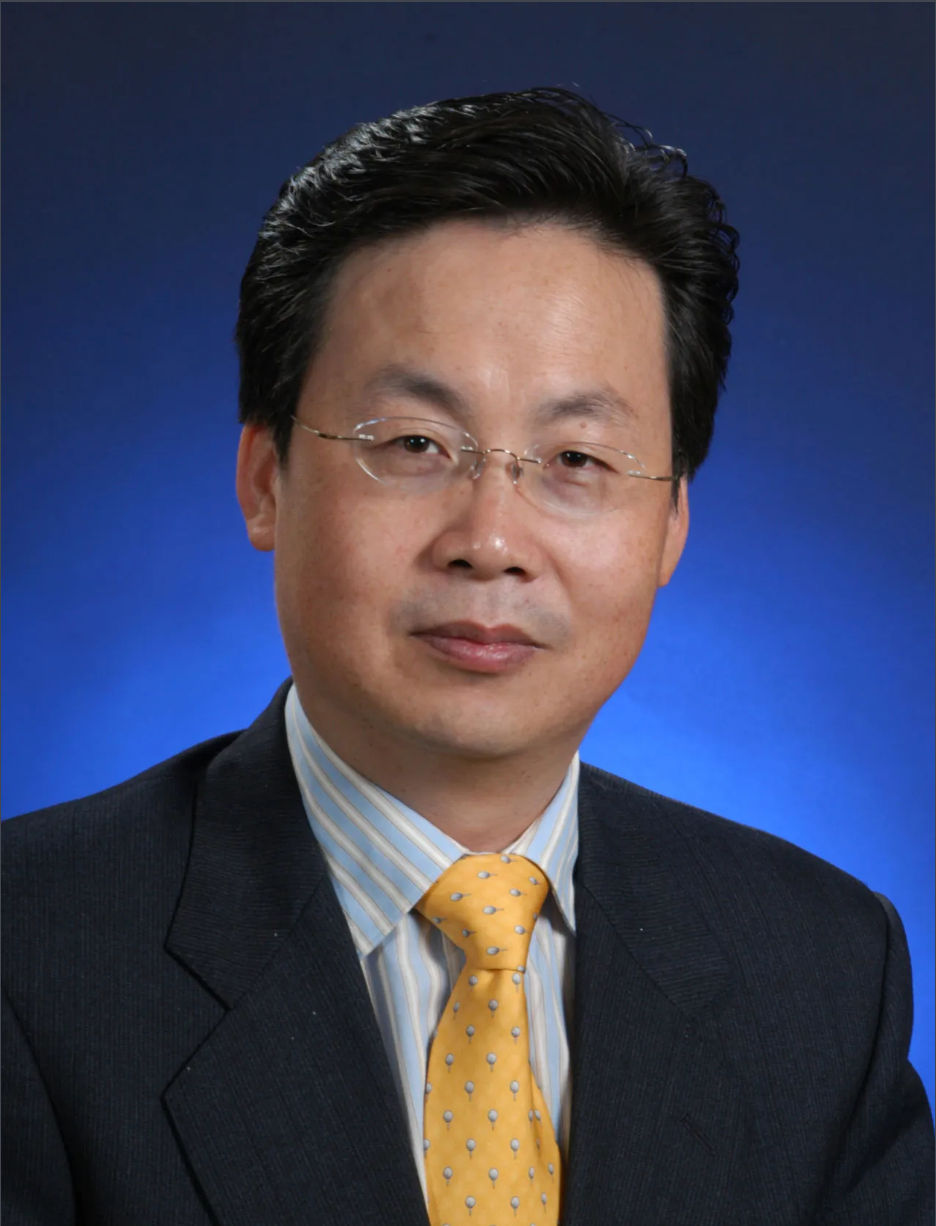
Group CEO Zhao Xuejun holds a Ph.D. in Economics from Guanghua School of Management at Peking University and brings over 20 years of experience in financial investment, capital markets, and corporate management. He is among the longest-serving CEOs in China's fund industry. Currently, Zhao serves as a mentor at Peking University’s Postdoctoral Research Center and as a lecturer for the Executive MBA program at Tsinghua University PBC School of Finance. He also holds positions such as part-time vice chairman of the Asset Management Association of China and member of the International Advisory Board for Financial Engineering at UCLA Anderson School of Management.
Harvest International has deep roots and strong expertise. Its recent issuance of a tokenized fund represents a proactive response to Hong Kong’s 2023 STO regulatory updates—an innovative move whose outcomes offer valuable insights for other institutions considering similar initiatives.
What Are the Advantages of Asset and Fund Tokenization?
According to Forbes, Nadine Chakar, formerly head of digital assets at State Street Bank in the U.S., stated: “Whether at BlackRock and Goldman Sachs, or Citigroup and JPMorgan Chase, everyone is saying tokenization is the future.”
What potential does asset tokenization hold?
First, improved efficiency: Tokenized asset transactions enable DvP (Delivery versus Payment) atomic settlement, significantly shortening settlement time and reducing settlement and counterparty risks. For example, Hong Kong’s government-issued tokenized green bond earlier this year reduced the traditional T+5 business day settlement period to just one business day. This remains, and will likely remain in the near term, the most widely recognized benefit of tokenization by both market participants and regulators.
Second, enhanced liquidity: Tokenization can improve asset liquidity by enabling fractional ownership and greater trading flexibility. However, efforts to boost liquidity through tokenization and secondary market creation face challenges in risk control and investor protection, leading to strict regulatory constraints on this function.
Additionally, tokenization reduces operational costs and enhances compliance, primarily by leveraging smart contract automation. Embedding traditional compliance procedures directly into token smart contracts automates these functions, thereby lowering costs.
Global market responses further reflect the advantages of asset tokenization. In Singapore, for instance, the Monetary Authority of Singapore (MAS) launched Project Guardian in November 2022, collaborating with major global financial institutions on pilot programs involving asset tokenization and DeFi applications. Institutions including DBS Bank, HSBC, UBS, JPMorgan, and Ant Financial have joined the initiative and achieved notable progress.
Hong Kong offers even stronger support for asset and investment product tokenization, providing significant policy facilitation. On November 2, 2023, the Securities and Futures Commission (SFC) issued two circulars: “Circular on Activities Relating to Tokenized Securities by Intermediaries” and “Circular on Tokenized SFC-Authorized Investment Products.” These regulations not only introduce new rules for issuing tokenized securities—allowing access to retail investors—but also formalize standards for STO product issuance, officially recognizing the launch of tokenized investment products. The policies actively encourage Hong Kong-based firms to experiment with tokenized investment offerings.
For more details on Hong Kong’s 2023 virtual asset policies, see: 2023 Review of Hong Kong’s Virtual Asset Policies: Dawn Is Breaking
Harvest International’s Tokenized Fund
Supportive policies served as a catalyst for Harvest International’s decision to issue a tokenized fund. William, Chief Advisor at Harvest Fund Management International, provided a brief introduction to the fund in an interview with Hong Kong News Network.
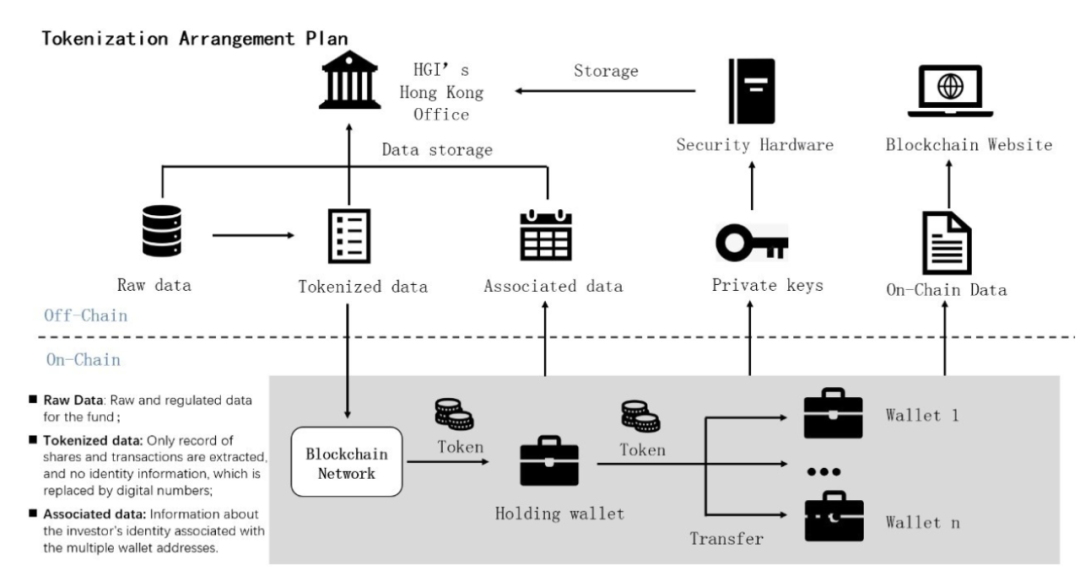
Harvest International’s tokenization arrangement primarily leverages public permissionless blockchain technology to record fund share ownership and transaction history on-chain. Specifically, each token represents a record of one fund share. After minting, tokens are initially stored in a master wallet and then transferred to individual investor wallets based on subscription records. Upon redemption, tokens are moved from the investor’s wallet to a burn address, creating an on-chain redemption trail. Investors can use a custom-built blockchain explorer to view relevant on-chain data. Additionally, all on-chain data undergoes anonymization processing—no regulated information is disclosed publicly—and sensitive data is stored separately in compliance with legal requirements in Hong Kong.
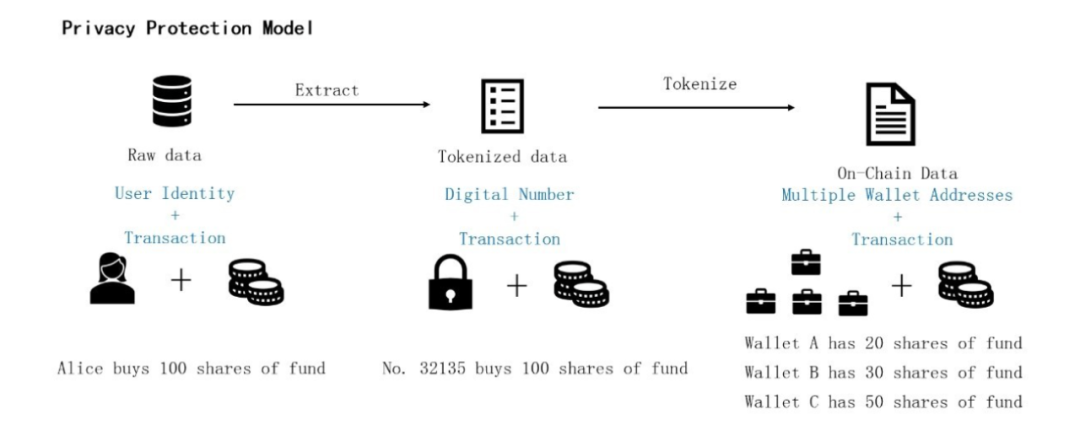
Regarding privacy protection, the fund’s tokenization design introduces a new privacy model. External parties could otherwise infer investor identities by linking wallet addresses to known holdings—for example, if someone is known to own 1,000 fund shares and only one wallet holds exactly 1,000 tokens, identity linkage becomes possible. To prevent this, Harvest International adopts a “one-to-many” approach, randomly distributing an investor’s fund shares across multiple wallets, thereby strengthening investor privacy.
Nevertheless, William noted that challenges remain in launching tokenized funds. First, insufficient infrastructure for tokenization. Available blockchain development platforms and custody solutions are still limited. Some platforms require institutions to build and operate their own nodes, resulting in high costs. Moreover, discrepancies in standards and interoperability between blockchain systems and traditional financial infrastructure deter many traditional institutions.
Second, numerous institutional arrangements still need resolution—such as security standards for blockchain platforms, secondary market frameworks, and cross-jurisdictional movement of tokens—all of which remain unclear.
Regardless of current hurdles, initiatives like the Hong Kong government-led tokenized green bond issuance have gradually demonstrated that tokenization of investment products is likely to become a future trend. Hong Kong has already established a favorable regulatory environment for tokenization innovation. The next step is continued observation and anticipation of more pioneering contributions from leading institutions.
Join TechFlow official community to stay tuned
Telegram:https://t.me/TechFlowDaily
X (Twitter):https://x.com/TechFlowPost
X (Twitter) EN:https://x.com/BlockFlow_News












