Weekly Podcast Recommendation | Envisioning DeSci: Maybe We Can Store On-Chain Data Using DNA
TechFlow Selected TechFlow Selected
Weekly Podcast Recommendation | Envisioning DeSci: Maybe We Can Store On-Chain Data Using DNA
Using DNA as a medium for on-chain data storage might not be impossible, right?
 Navigating Web3 tides with focused insights
Compilation: Sunny, TechFlow
1. a16z: Will DNA Data Storage Become the Norm for Future Data Storage?
Could storing on-chain data using DNA actually be feasible?
In this latest a16z podcast episode, the host discusses DNA as a future data storage medium with biotech investor Vijay Pande. Nature’s blueprint—DNA—is an extremely efficient machine. Invisible to the naked eye, it can preserve information for hundreds or even millions of years. And just one gram of DNA can store over 200 million gigabytes! As the cost of DNA sequencing (reading) and synthesis (writing) continues to decline, scientists are delving deeper into our own biology to explore potential applications such as data storage. According to a16z partner Vijay Pande, this wave of biological computing will "spawn many new exponential curves."
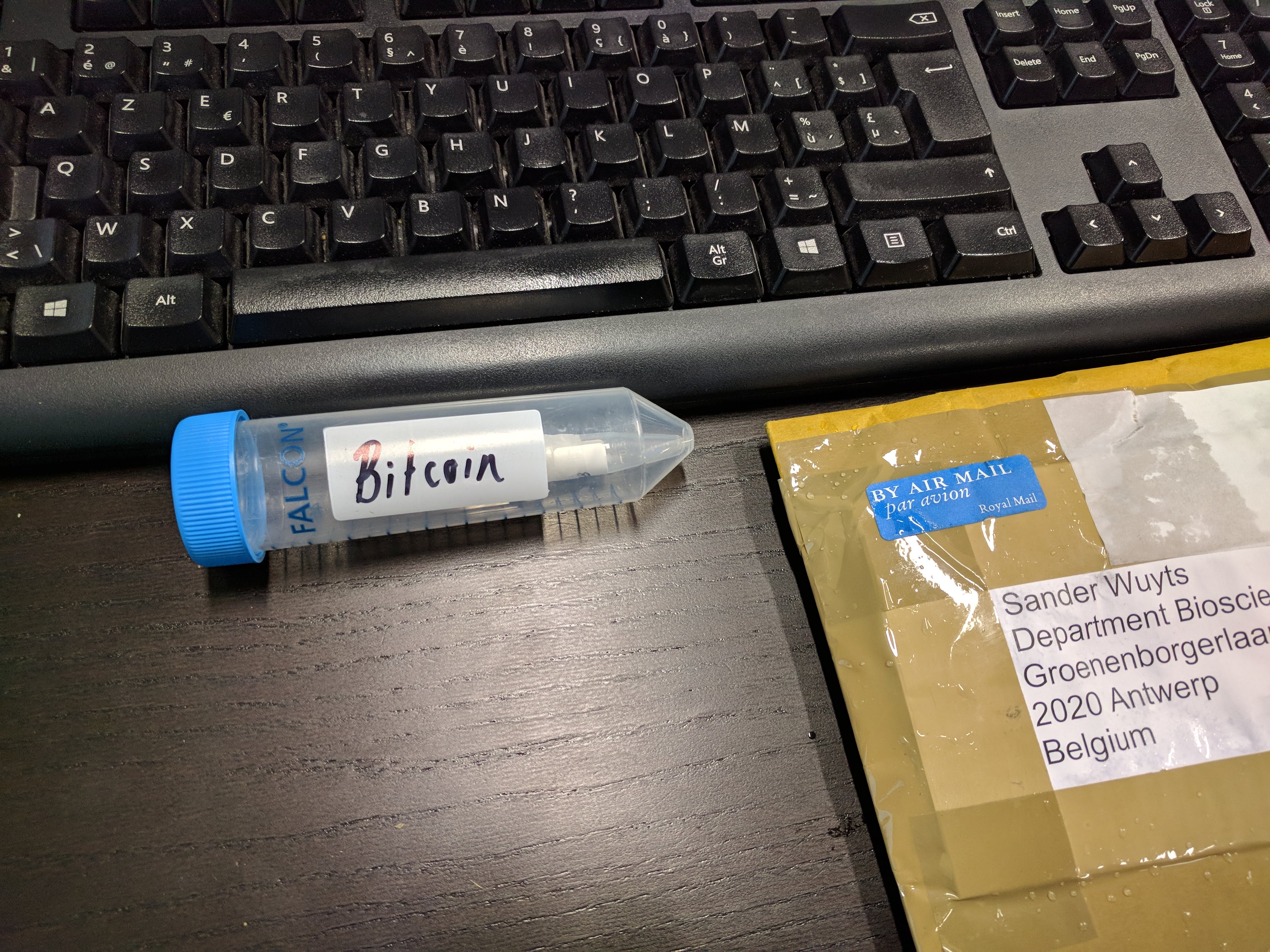
Back in 2015, Professor Nick Goldman from the UK demonstrated their research published in Nature, showing how computer files could be stored in DNA. Later, Goldman stored a Bitcoin private key within DNA and offered the associated Bitcoin as a reward to whoever could decode it. A month later, a computational microbiologist from Belgium cracked the key using microbial sequencing techniques his lab specialized in—but unfortunately, the scientist didn’t recognize Bitcoin’s long-term value and immediately exchanged it for fiat currency.
🔗:DNA's Potential to Store the World's Data
2. From Artificial Intelligence to High-Throughput Blockchain: Near Founder Illia Poloshukhin Makes a Comeback
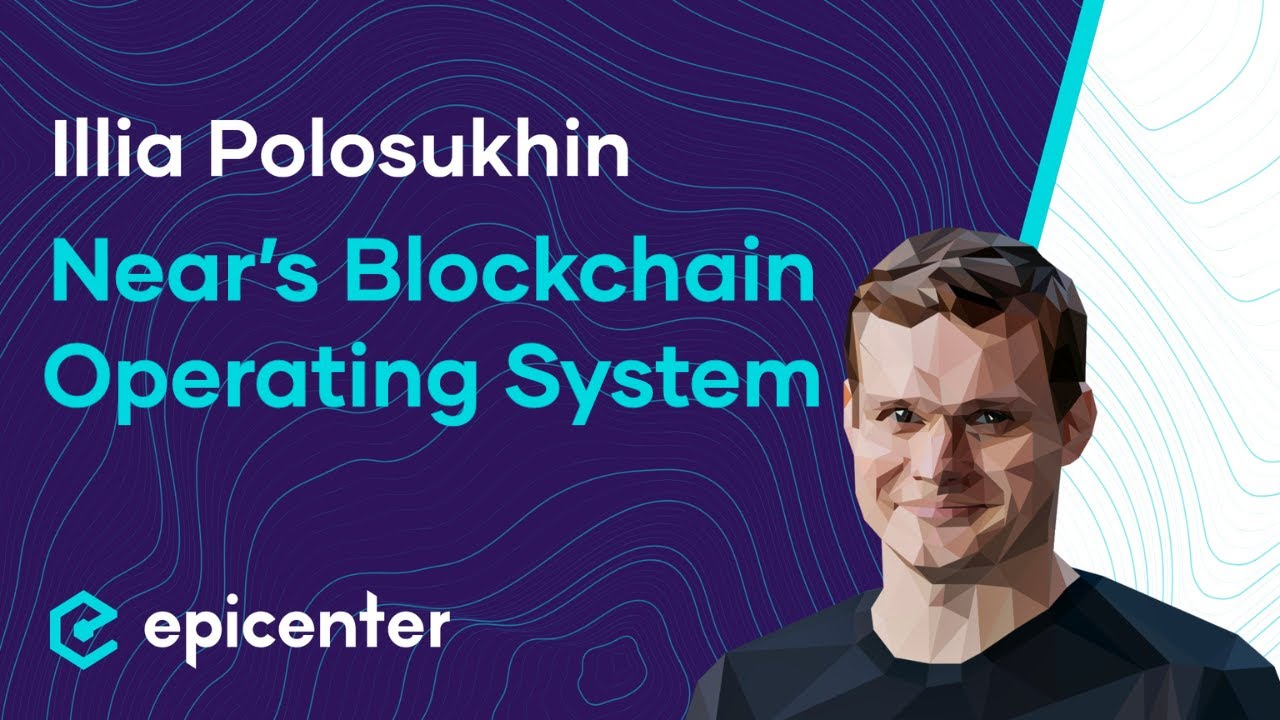
🔗:Illia Poloshukhin: Near Protocol – From AI to High-Throughput Blockchain
Near Protocol plays a significant role in blockchain innovation. By applying attention mechanisms from Transformers, it enables parallel reading across entire documents, bringing substantial performance improvements and scalability benefits to modern hardware. In developing blockchain standards and support systems, Near emphasizes incorporating trusted sources and context to combat misinformation and maintain reputation. The protocol aims to deliver a more human-friendly experience by hiding the complexity of blockchain for both developers and end users. One striking and controversial idea is forking Bitcoin and placing it as an ultrasonic currency on the Near Protocol, opening up new possibilities for the future.
By defining protocol standards, Near provides space for all clients to implement them, offering a framework for the evolution of the blockchain ecosystem. Remarkably, Near has created an entirely new form of transaction—trading Near accounts as NFTs—enabling innovative cross-network asset access and transfer. To tackle challenges around large-scale data processing and storage, Near introduces sharding technology, providing critical solutions especially for blockchains aiming to serve billions of users.
Moreover, Near integrates artificial intelligence with governance, demonstrating more complex reasoning capabilities through expanded models that better generalize and learn to execute various “programs.” In decentralized governance of AI models, Near’s innovations are crucial in preventing any single company from exerting excessive influence over model decisions. In the future, governance may involve AI making decisions based on public needs, resolving principal-agent problems and addressing current challenges. This positions Near Protocol as a leading force in merging blockchain and AI, opening new frontiers for innovation.
3. Epicenter Interviews Celo Co-Founder: Africa, Mobile-First Design, and High Throughput Define Celo’s Identity
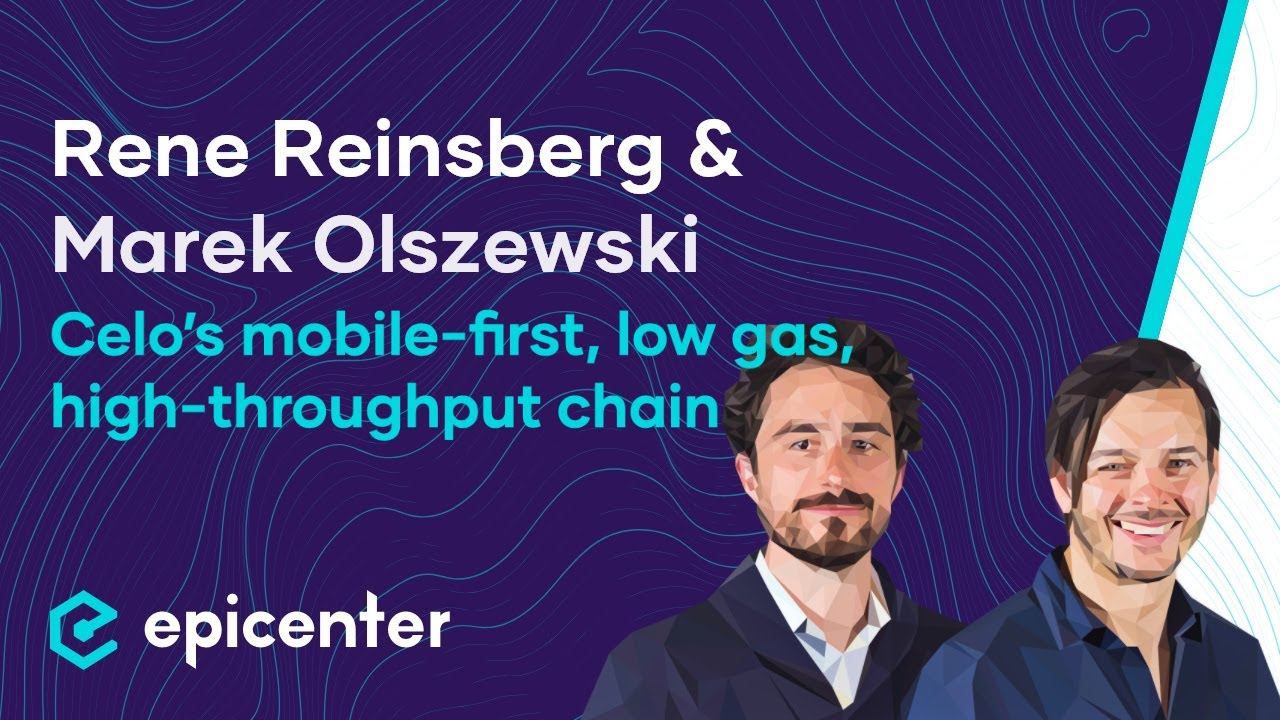
🔗:Marek Olszewski & Rene Reinsberg: Celo – The Mobile-First High-Throughput Blockchain
Celo processed 20 million transactions in a single day without increasing gas fees, showcasing its exceptional scalability and focus on mobile applications. Its efficient state proof consensus mechanism and fast EVM execution are key enablers of high throughput. Although Celo currently faces limitations in validator count during its transition to Layer 2, this shift opens up novel use cases for early builders on a mobile-first blockchain, making its functionality more accessible to everyone. With over 100 million people across Africa, Celo’s adoption rate in the region is impressive. Featuring a 5-second block time and instant block finality, Celo delivers sufficient performance for mobile users conducting real-world transactions. Its scalability also presents a compelling alternative to Ethereum’s high gas fees, offering promising prospects for economic activity on blockchains. By engaging directly with local African entrepreneurs and understanding their real needs, Celo is committed to building solutions that empower their success.
4. Interview with Longevity Biotech Investor Sebastian Brunemeier: DeSci DAO Is a Massive Revolution
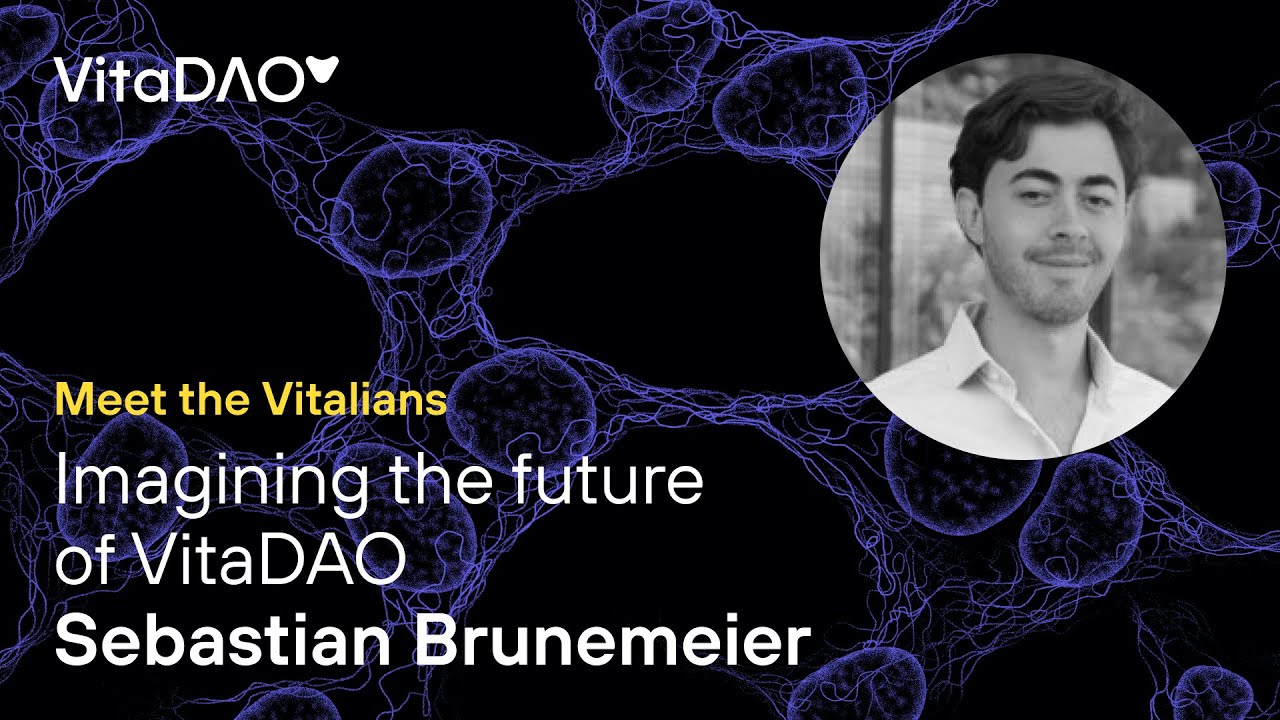
🔗:Meet The Vitalians | Imagining the future of VitaDAO | With Sebastian Brunemeier
VitaDAO’s vision is to advance scientific discovery and innovation by funding early-stage research that has not received adequate support, demonstrating its commitment to pushing forward science. In their view, DAOs represent a more democratic and inclusive organizational model compared to traditional for-profit companies. As longevity moves from the fringes into the mainstream, heavyweight players and renowned scientists—including Google—are investing billions into cellular rejuvenation. Slowing down aging could trigger a massive revolution in medicine, making biological immortality physically and biologically possible. VitaDAO offers scientists equal opportunities to apply their expertise and receive fair compensation, creating pathways for those who might otherwise lack access to high-paying roles. By targeting the root molecular causes of cellular damage that lead to aging, effective therapies for age-related diseases could emerge within the next 10–20 years. VitaDAO funds and supports academic labs and biotech groups dedicated to developing geroscience paradigms focused on the fundamental causes of aging.
5. Classic Podcast Recap: Conversation with Vitalik – The DeSci Movement Could Spark a Profound Philosophical Awakening

🔗:Vitalik Buterin on Decentralized Science, Aging, AI and Scientific Progress
If we discovered evidence of extraterrestrial life—even just bacteria—it would spark a profound philosophical awakening. Within this context, decentralized science funding becomes a key driver of scientific progress, enabling a more diverse set of individuals to contribute financially and breaking free from constraints imposed by traditional institutions. Vitalik Buterin actively supports zero-knowledge research, helping make cryptography accessible and allowing broader contributions to science. He highlights the decentralized nature of cryptocurrency, contrasting it sharply with the Bay Area’s dominance in artificial intelligence. One of the biggest obstacles to scientific advancement is the chronic underfunding of public goods due to a lack of viable business models. Unlike wealthy Western nations, developing countries have not undergone the same phase of technological disillusionment, leading them to adopt different paths in tech development. The future of AI may trend toward what he calls a “fat movie world,” where AI recursively self-improves to the point of controlling the world—a scenario that demands careful consideration of its implications.
6. Conversation with Blockchain Capital Partner: Four Factors That Will Determine Bitcoin ETF Success
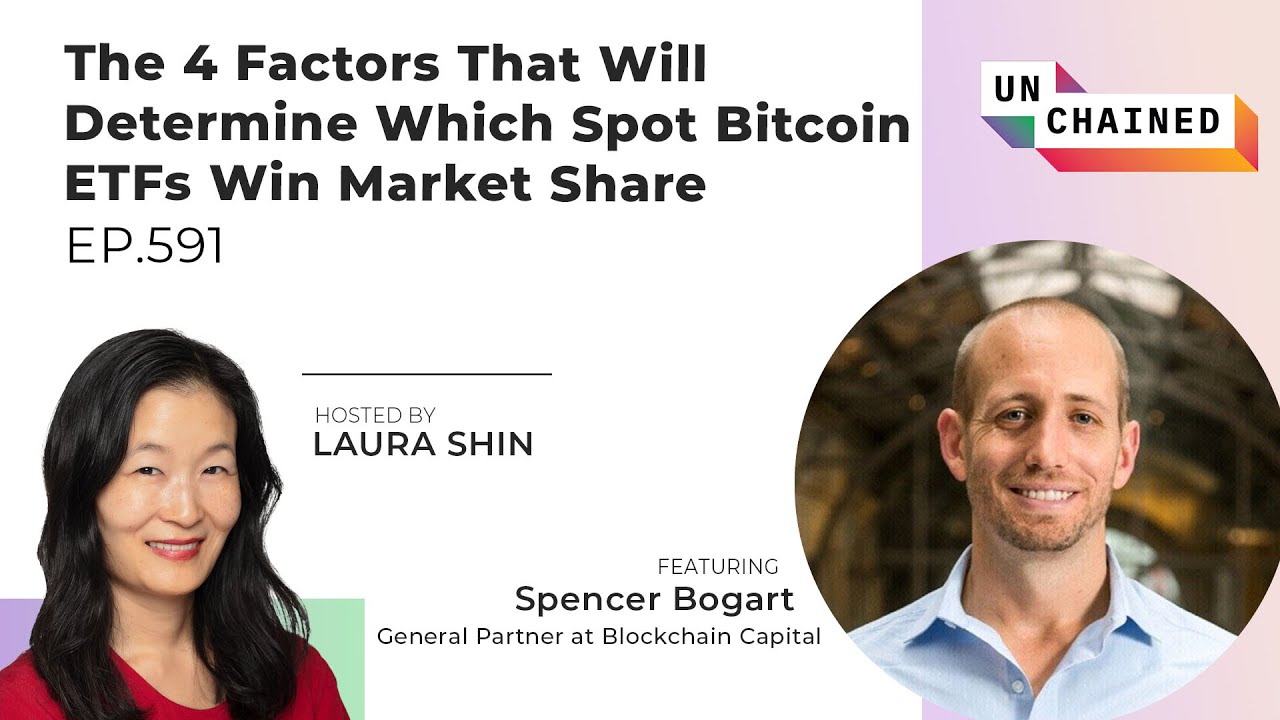
🔗:The 4 Factors That Will Determine Which Spot Bitcoin ETFs Win Market Share
The success of Bitcoin ETFs will be determined by four key factors. First, authorized participants can arbitrage between the underlying Bitcoin price and the ETF’s market price, generating additional trading volume on exchanges. Second, competition among Bitcoin ETFs is intensifying, with more applicants entering the space and fee wars emerging. Goldman Sachs’ involvement in Bitcoin ETFs is seen as a bullish signal, given its status as a platinum brand in high finance. Some issuers have secured substantial seed funding—Bitwise allocated $200 million and BlackRock $10 million—indicating strong market interest. Distribution is the most critical factor for spot Bitcoin ETFs, as it determines accessibility and adoption by retail investors and registered investment advisors. Compared to futures-based products, spot Bitcoin ETFs hold a competitive edge, particularly in tracking asset performance more accurately. Unlike leveraged ETFs, spot Bitcoin ETFs are expected to gain broad adoption among both financial advisors and retail investors. Market leaders BlackRock and Bitwise have spent the past six years laying the groundwork, positioning themselves as top contenders in the Bitcoin ETF race.
7. Lex Fridman Talks with Western Bitcoin Titan Michael Saylor: Bitcoin Is Humanity’s Ultimate Property
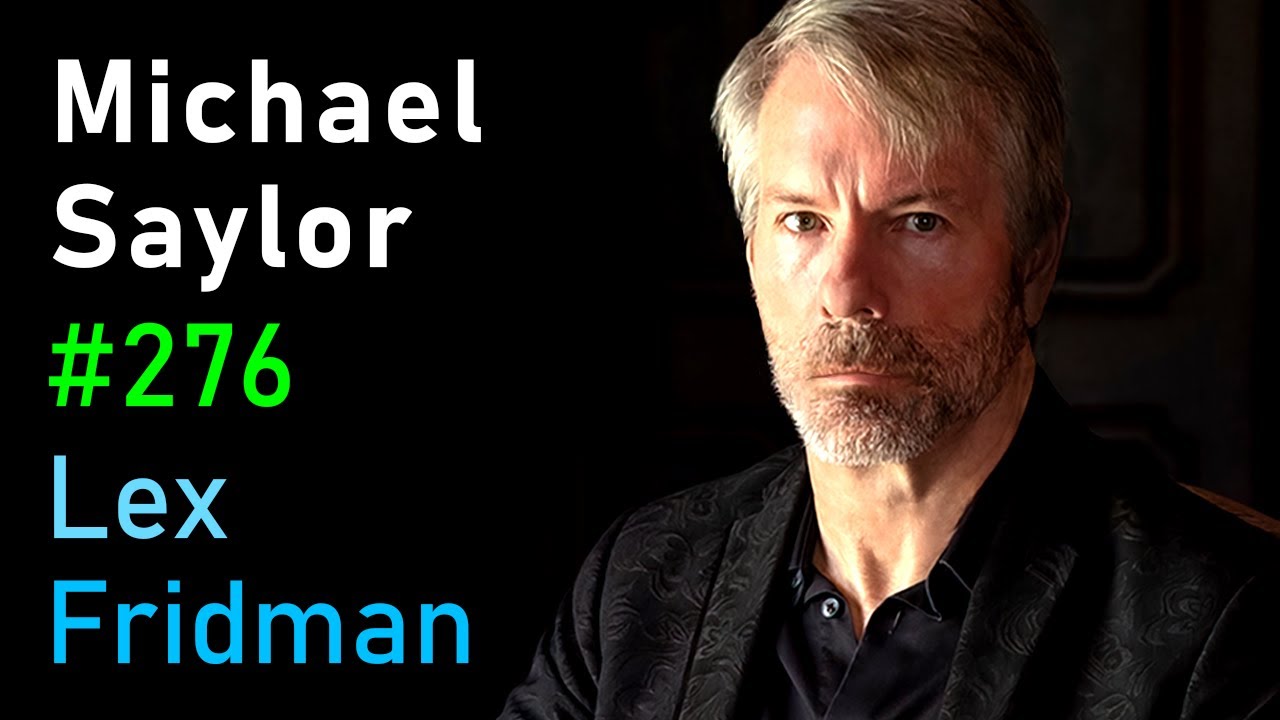
🔗:Michael Saylor: Bitcoin, Inflation, and the Future of Money
Bitcoin offers several key insights as a solution to inflation and economic empowerment. First, as a digital asset, its moral innovation lies in being property—not a security—immune to control by any entity or government. It represents the first successful creation of global, permissionless digital property in human history. The private-key ownership model makes it the hardest form of property to confiscate, granting individuals greater security over their assets. Bitcoin’s linguistic properties enable participation in global commerce and intelligent networks, serving as a tool to enhance economic agency for billions of unbanked people.
Additionally, institutional adoption of Bitcoin is becoming normalized, with public companies and sovereign wealth funds investing in it as a digital gold asset. Government adoption of Bitcoin as a treasury reserve could create trillions in value. For populations facing inflation and political instability, Bitcoin may become a rational safe-haven choice. Its breakthrough contribution is believed to have the potential to heal many of the world’s problems and generate immense economic value for human civilization.
However, critiques from traditional economics remain. Inflation is viewed as a feature of human suffering, with conventional perspectives underestimating the wealth transfer burden borne by the working class. The overall understanding of inflation and economic concepts is said to be shaped more by scalar arithmetic than by nonlinear dynamic systems, which offer a truer grasp of its essence. Technology’s impact on human survival conditions is considered far greater than non-technological forces, having already transformed human lifespan and living standards.
Overall, Bitcoin presents a radically new path for tackling inflation and achieving economic empowerment, while prompting deep reflection on the impacts of economics and technology on human existence.
8. Bankless Talks with Celestia Co-Founder: Tens of Thousands of Rollups Could Disrupt the Blockchain Industry

🔗:What is Celestia ($TIA)? Unpacking Modular Blockchains
Celestia’s potential impact on the blockchain industry presents a thought-provoking vision and innovation. It envisions a future with thousands—or even tens of thousands—of rollups, fundamentally reshaping the blockchain landscape. By publishing Ethereum Layer 2 data onto Celestia, it could enable up to 10,000 rollups, dramatically increasing block production and unlocking entirely new application scenarios for blockchain technology. Celestia not only leverages Ethereum’s market cap but also connects to the Cosmos ecosystem via IBC, enabling trust-minimized bridges with Ethereum. As a data bridge between Ethereum rollups, Celestia has the potential to completely transform how data transmission and settlement occur within the blockchain ecosystem.
Celestia’s technical strengths lie in introducing the Cello Layer 2 architecture, bringing major advantages to the blockchain industry including decentralized sequencers, off-chain data availability, and single-block finality—driving real-world adoption and ensuring rock-solid security. Its philosophy is to execute transactions only where accurate execution is required, optimizing by deferring execution solely where necessary. Additionally, Celestia offers flexibility in increasing block size without compromising end-user chain verification capabilities, distinguishing itself from other blockchain systems like Ethereum and Solana. The flexibility of rollups allows for web3 applications with web3 guarantees, free from EVM constraints. Celestia’s vision also includes enabling users to verify chains through a billion light nodes running on various devices, allowing reconstruction of massive blocks even under waling attacks. These features position Celestia as a highly anticipated innovator in the blockchain space.
9. Conversation with Solana Founder Anatoly Yakovenko: The Return of Solana 2.0

🔗:Solana 2.0 - The return to greatness with Anatoly Yakovenko
Solana focuses on optimizing network performance by increasing bandwidth and computational capacity, reducing latency, and eliminating bottleneck-induced fees—all aimed at creating massive value for the world. Its speed enables near real-time trading based on news events, giving it potential to compete with traditional stock exchanges. Solana emphasizes ultra-high-performance message broadcasting, lowering fees while distributing data widely to resist malicious actors and ensuring fair information access for all participants. Its design allows scaling across multiple machines without requiring extra validation work. Its goal is to minimize latency and eliminate bottleneck-driven costs, bringing fees down to hardware-level lows and generating vast value globally.
In terms of transaction costs and finance, Solana effectively reduces financial transaction costs to nearly zero, unlike other networks that place a premium on financial services—highlighting its transformative potential for the financial industry. Its low transaction costs offer a more cost-effective financial infrastructure, giving it a clear competitive advantage. Solana uses asynchronous execution, allowing validators to skip executing every user transaction and instead vote only on forks, streamlining the entire process. In a zero-knowledge singularity world, Solana batches execution and submits ZK proofs of state, enabling validators to vote on forks while knowing all client transactions. These technological innovations and performance advantages give Solana profound influence across the blockchain and financial sectors.
10. Akash Network: A Decentralized Compute Resource Network

🔗:Building the Super Cloud of GPUs with Akash Founder Greg Osuri
Cloud computing is undergoing a disruptive transformation. As machine learning applications increase demand for GPUs and strain supply, acquiring GPUs through traditional hardware channels has become difficult. Akash unlocks GPU supply locked within large corporations and brings it to market, incentivizing utilization of previously idle resources. This shift resembles renting apartments instead of buying homes, creating interesting demand-supply dynamics and highlighting the network’s growth and utilization potential. Akash aims to deploy production environments within 30 seconds, making model deployment extremely simple.
In artificial intelligence and machine learning, adding GPU support as a feature on Akash is a game-changer. GPUs are exceptionally useful in machine learning, particularly for matrix multiplication, with Nvidia holding 80% of the market. The importance of compute resources in AI development is evident—larger datasets and greater computational power enable more powerful neural network models and more interesting outcomes. In fields like medical diagnostics, machine learning applications will bring transformative change.
The concept of the "super cloud" aims to reclaim control and return it to users, enabling higher levels of sovereignty. This idea disrupts the power structure of the cloud computing industry, emphasizing the potential of decentralized systems to drive technological progress. Sovereign AI is becoming central to AI evolution, as we begin to understand the consequences of unknowingly sharing data. Creating truly decentralized systems where end users have full sovereignty over every aspect will be Akash’s greatest challenge.
Join TechFlow official community to stay tuned
Telegram:https://t.me/TechFlowDaily
X (Twitter):https://x.com/TechFlowPost
X (Twitter) EN:https://x.com/BlockFlow_News
 深潮TechFlow