Exclusive Interview with Justin Wu, Head of Asia Growth at Injective: The First-Gen DeFi L1 Champion Bridging Ethereum and Solana Ecosystems
TechFlow Selected TechFlow Selected
Exclusive Interview with Justin Wu, Head of Asia Growth at Injective: The First-Gen DeFi L1 Champion Bridging Ethereum and Solana Ecosystems
Injective's Asia Growth Manager Justin Wu delved into the project highlights and recent development plans.
 Navigating Web3 tides with focused insights
Interview: Giovanni Chen, Meta Era
As Bitcoin dramatically surged past the historic milestone of $40,000, this landmark event has once again ignited the entire Web3 community. Looking back at Bitcoin’s breakout above $40,000 in January 2021, its powerful momentum drove the bull market throughout that entire year.
Now, two years later, the excitement within the Web3 community is resurfacing. Many people are wondering: Is a new crypto bull market beginning to unfold?
Meanwhile, even before Bitcoin reclaimed its previous highs, one project has quietly returned to its all-time high from the last bull run, reaching a record market cap of $200 million. With expectations of Bitcoin’s next halving coming in the next year, how much higher could this project go?
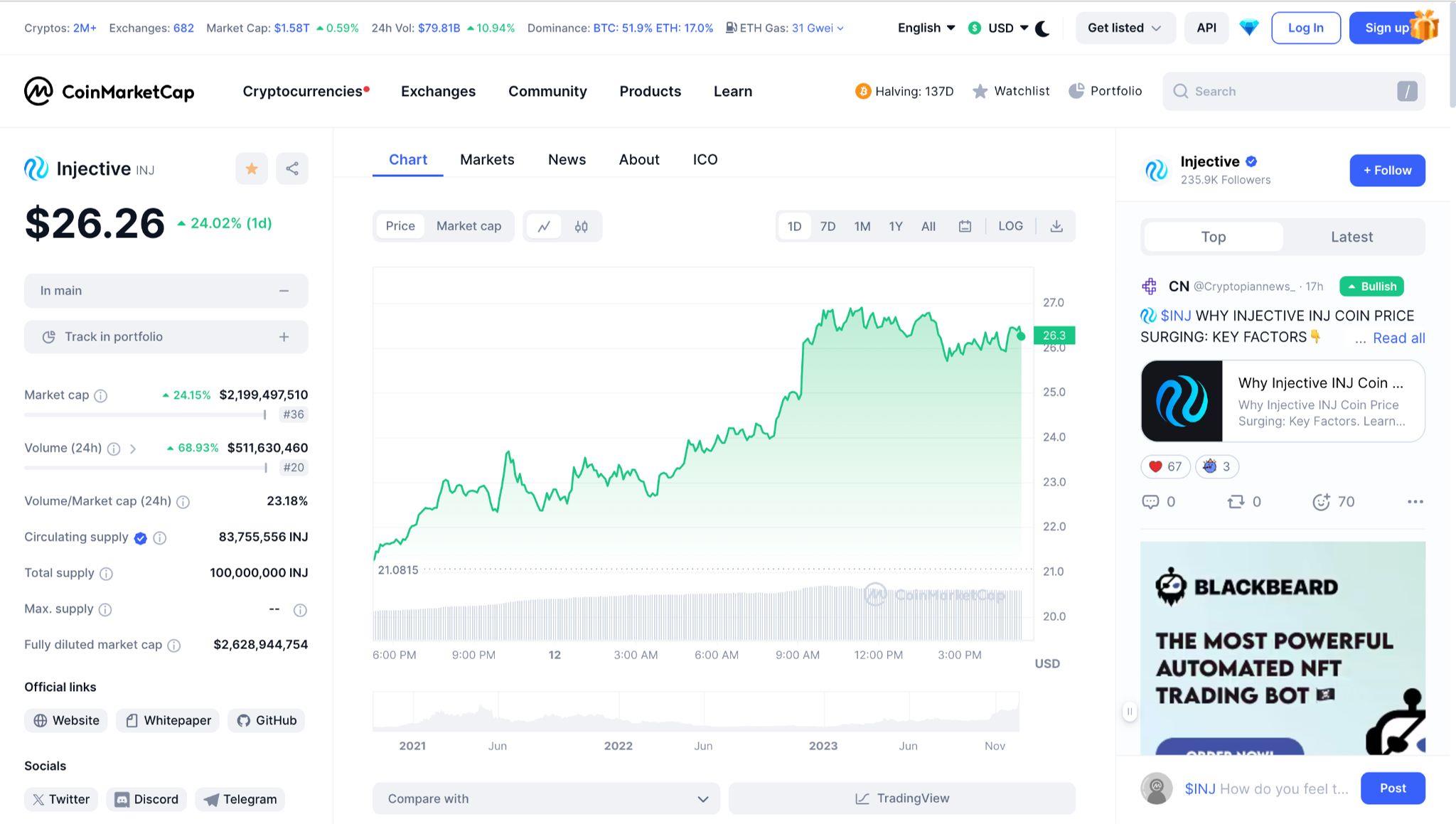
This offers tremendous imagination—and it’s none other than Injective, currently ranked No. 36 on CoinMarketCap (screenshot and ranking as of December 12, 2023), firmly securing its place among the top 50 standout projects.
In 2018, Injective Labs was founded by Eric Chen, then a student at New York University, and Albert Chon from Stanford University. Injective Labs serves as the primary contributor to Injective. As early as late 2018, Injective became one of the first star projects incubated and invested in by Binance Labs. Its mainnet launched in November 2021. Built as a Layer 1 blockchain purpose-built for finance, Injective powers the next generation of DeFi applications. Backed by marquee investors including Binance, Pantera, Jump Crypto, Hashed, and Mark Cuban, Injective has gained widespread recognition.
Amid a cozy atmosphere of tea brewing by the fire, Meta Era had the pleasure of inviting Justin Wu, Injective’s Asia Growth Manager based in Taipei, for an in-depth discussion on the highlights and recent development plans of the Injective project.
Meta Era: Could you briefly introduce the background, mission, and vision of the Injective project?
Justin: It's a pleasure to be interviewed by Hong Kong-based Web3 media Meta Era. This month is particularly special as November marks the second anniversary of Injective’s mainnet launch. From the beginning, Injective has been a Layer 1 blockchain built specifically for finance. Our vision is to build the best infrastructure to help Web3 developers co-create the future of finance. Injective is an open, highly interoperable Layer 1 blockchain whose primary goal is to power the next generation of decentralized finance. Over the past two years, we’ve already seen successful DeFi applications emerge on Injective—such as decentralized spot and derivatives exchanges, prediction markets, lending protocols, and asset management protocols.
Meta Era: Why has Injective grown so rapidly?
Justin: Injective provides modular financial infrastructure that enables any developer to build fully decentralized on-chain applications from scratch—one example being MEV-resistant DEXs with on-chain order books and near-zero gas fees, which is one of Injective’s flagship offerings.
Compared to traditional AMM-based DeFi, where trade execution prices often suffer from slippage—meaning buyers pay more than the quoted price—decentralized order books offer transparent, queryable pricing that aligns with traditional traders’ habits. On Injective, third-party platforms can be built independently, yet all trading platforms share the same order book and liquidity pool. This greatly improves capital efficiency and attracts more traders.
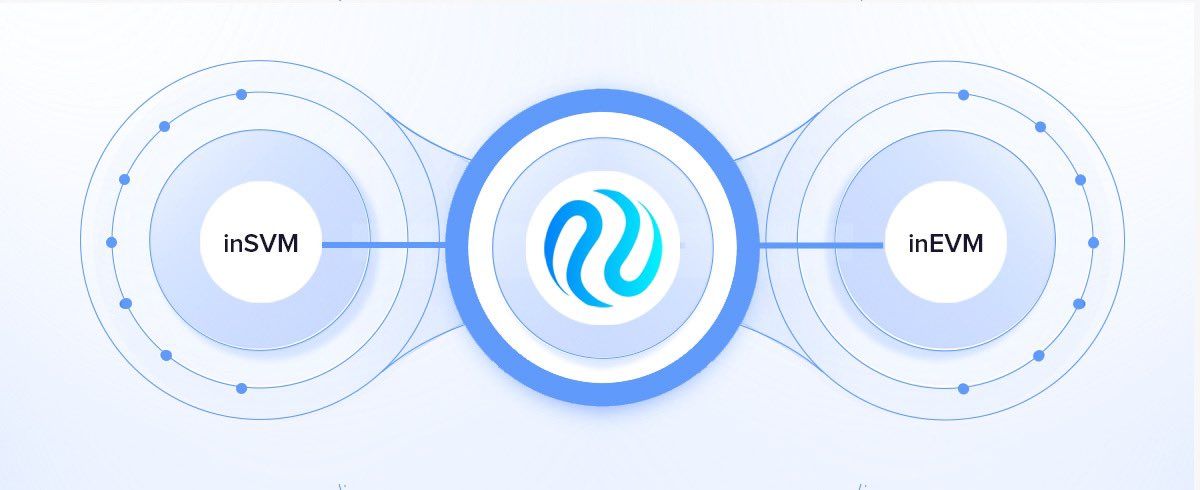
From a development perspective, Injective has recently launched two sidechains: inEVM and inSVM. This means Injective not only connects with the Cosmos ecosystem but also gains support from Ethereum and Solana developers, who can join the Injective ecosystem simply through one-click RPC configuration using their existing wallets. Mature projects built on other ecosystems can seamlessly migrate to Injective—so we welcome bridging and deployment of derivative platforms, exchanges, and various other types of projects.
Meta Era: Technically speaking, what innovations does Injective employ to deliver such DeFi infrastructure at the L1 level?
Justin: At the foundational level, Injective uses the Cosmos SDK framework to build an interoperable, decentralized financial infrastructure layer. This architecture ensures chain security and fast block times, enabling it to handle large transaction volumes efficiently.
Technically speaking:
First, as I mentioned earlier, Injective supports CLOB—the centralized limit order book—including matching engines for spot, perpetual futures, and options markets, all of which are now mature technologies.
Second, Injective employs a Frequent Batch Auction mechanism, where all orders in the mempool are executed at the end of each block—approximately every one second. Orders enter the order book only after the auction process completes, effectively preventing front-running MEV. Gas fees paid by users are nearly zero.
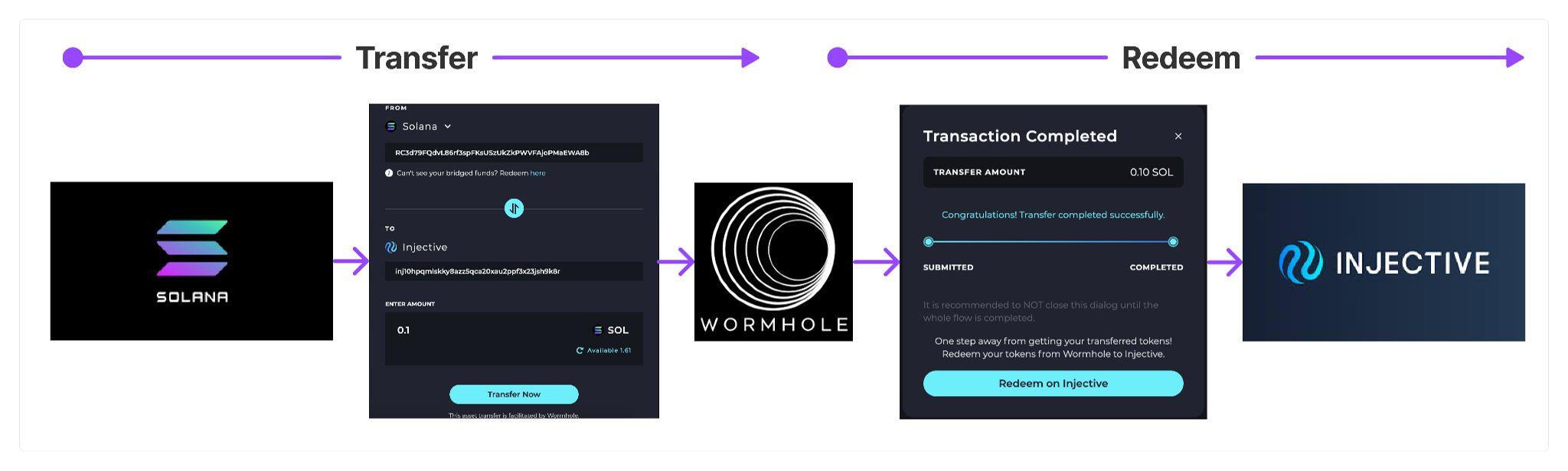
Third, Injective achieves cross-chain interoperability with other L1s via bridges like Wormhole—including Polygon and Solana—significantly enhancing liquidity on Injective.
Fourth, Injective utilizes a decentralized ERC-20 bridge to enable asset interoperability with the Ethereum network. Users can therefore use Ethereum-native assets when interacting with Injective.
Meta Era: That’s really interesting—can you actually use MetaMask on Injective?
Justin: Absolutely! When the team initially decided to build using the Cosmos SDK framework, they made a forward-looking decision to ensure compatibility with Ethereum bridges and wallet integrations. Even in 2023, we still see many users relying heavily on MetaMask wallets.
Meta Era: So Injective’s technical advantages include being purpose-built for finance, offering high speed, low cost, and seamless integration with mainstream ecosystems and assets. Regarding user acquisition, does Injective have any unique competitive strategies?
Justin: You’re absolutely right. Once technical advantages are established, it’s crucial to develop product strategies aligned with market demand.
On the product side, take Helix—the flagship DEX on Injective—as an example. Helix introduced innovative products such as Pre-Launch Futures for Celestia (TIA) in November, allowing users to trade futures contracts before the token launch. Since there's already significant speculation around hot upcoming assets pre-launch, this naturally draws in substantial new users and trading volume—an excellent example of meeting real user and market demand.
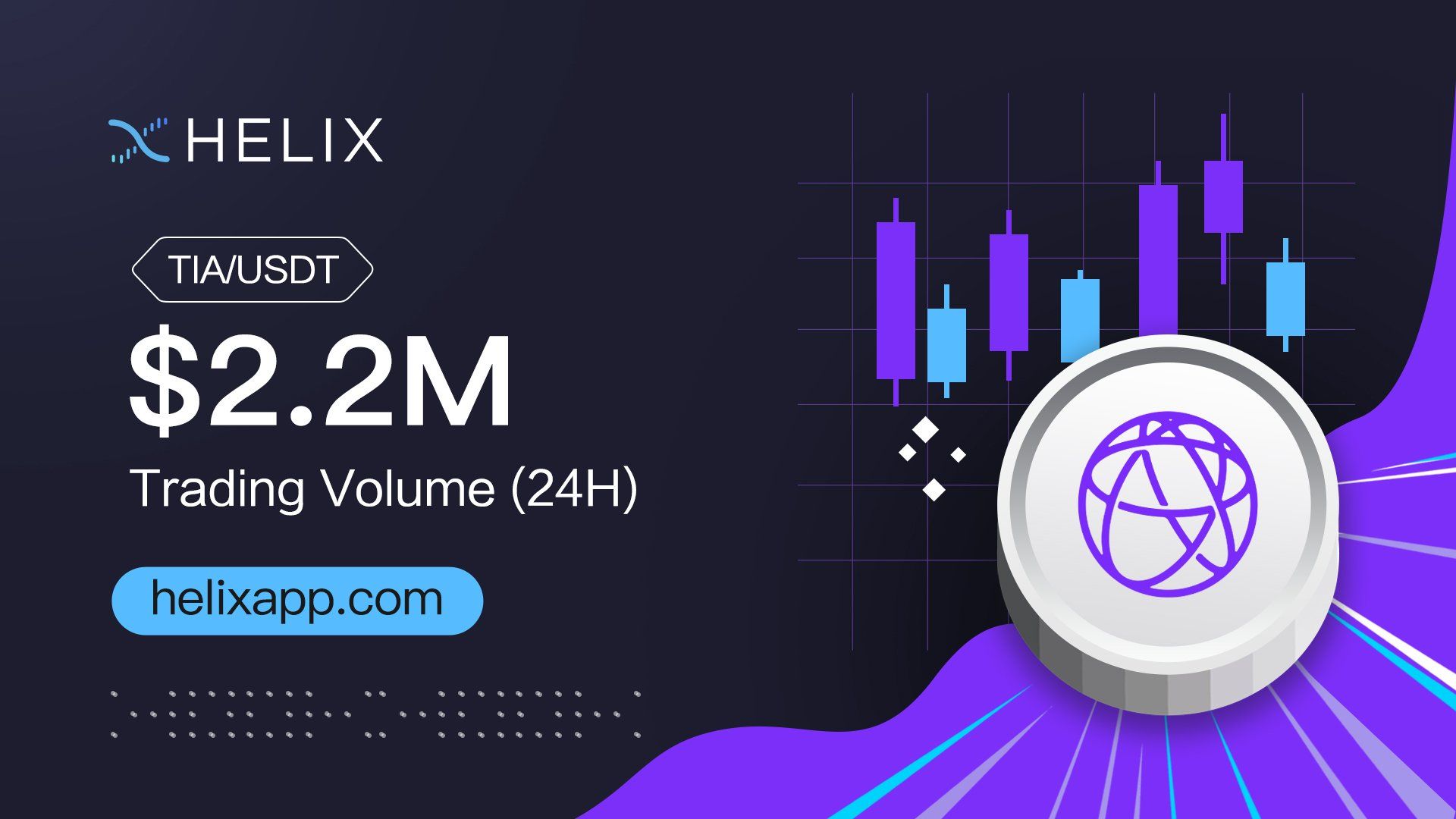
Helix’s performance over the past couple of months has been astonishing. Cumulative trading volume across all DEXs on Injective has surpassed $15 billion, with Helix alone achieving $1 billion in trading volume last month.
Last month, Helix also launched Trading Bots—advanced features typically found only on centralized exchanges like Binance—which are now being integrated into Helix. In the near future, we believe Helix’s advanced capabilities will surpass those of current decentralized exchanges and even rival centralized ones.
Another key highlight is Injective’s collaboration with over twenty market makers through its Open Liquidity Program. These partners provide deep liquidity to Injective’s on-chain order books. Each month, INJ rewards are distributed based on market makers’ contributions and rankings. Strong liquidity leads to a smooth trading experience, and when combined with user-friendly, market-driven products, this drives sustainable user growth.
Meta Era: That’s truly fascinating. I’ve noticed that Injective has recently intensified efforts on ecosystem expansion, integrating with several high-profile projects. What kind of ecosystem does Injective aim to build? And what ecosystem partnerships can we expect in the next six months?
Justin: This year has been pivotal for Injective’s ecosystem growth, with applications spanning NFTs, DeFi, AI, and more launching on-chain, thereby expanding our overall user base. For instance, our integration with Binance Web3 Wallet helps onboard users from the world’s largest exchange. Collaborations with public chains like Klaytn and Kava will further enhance cross-chain environments and asset interoperability for users.
Looking ahead six months, our focus will shift toward RWA (Real World Assets), where we’ve already partnered with Ondo Finance and Maple Finance. This will expand Injective’s DeFi ecosystem with richer and more diverse protocols.
Additionally, in January next year, the EVM-compatible inEVM chain will officially launch, paving the way for many more Ethereum-based projects to deploy on Injective.
It’s also worth noting that Injective’s smart contract platform, CosmWasm, is built on Rust—a language closely related to Move and used extensively on Solana. This opens up future opportunities for collaboration with Move-based ecosystems such as Aptos and Sui.
Meta Era: Let’s now talk about some projects within the Injective ecosystem. Could you introduce a few standout projects on Injective?
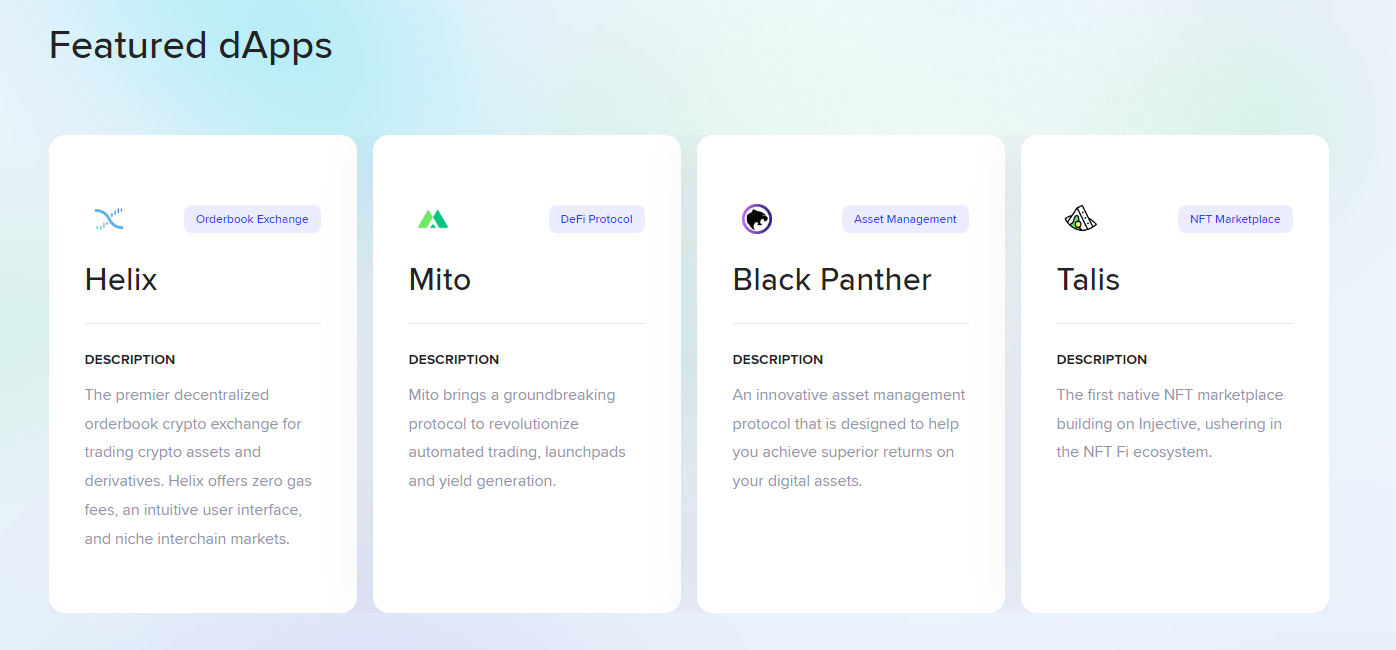
Justin: We’ve already discussed Helix, the decentralized exchange known for its lightning-fast speeds and ultra-low fees. Helix continues to add new trading pairs and offers long-term trading incentives to users.
Mito consists of multiple strategy pools and a launchpad supporting asset issuance. Over the past few months, it attracted 50,000 participants on testnet, and is now progressing toward mainnet deployment.
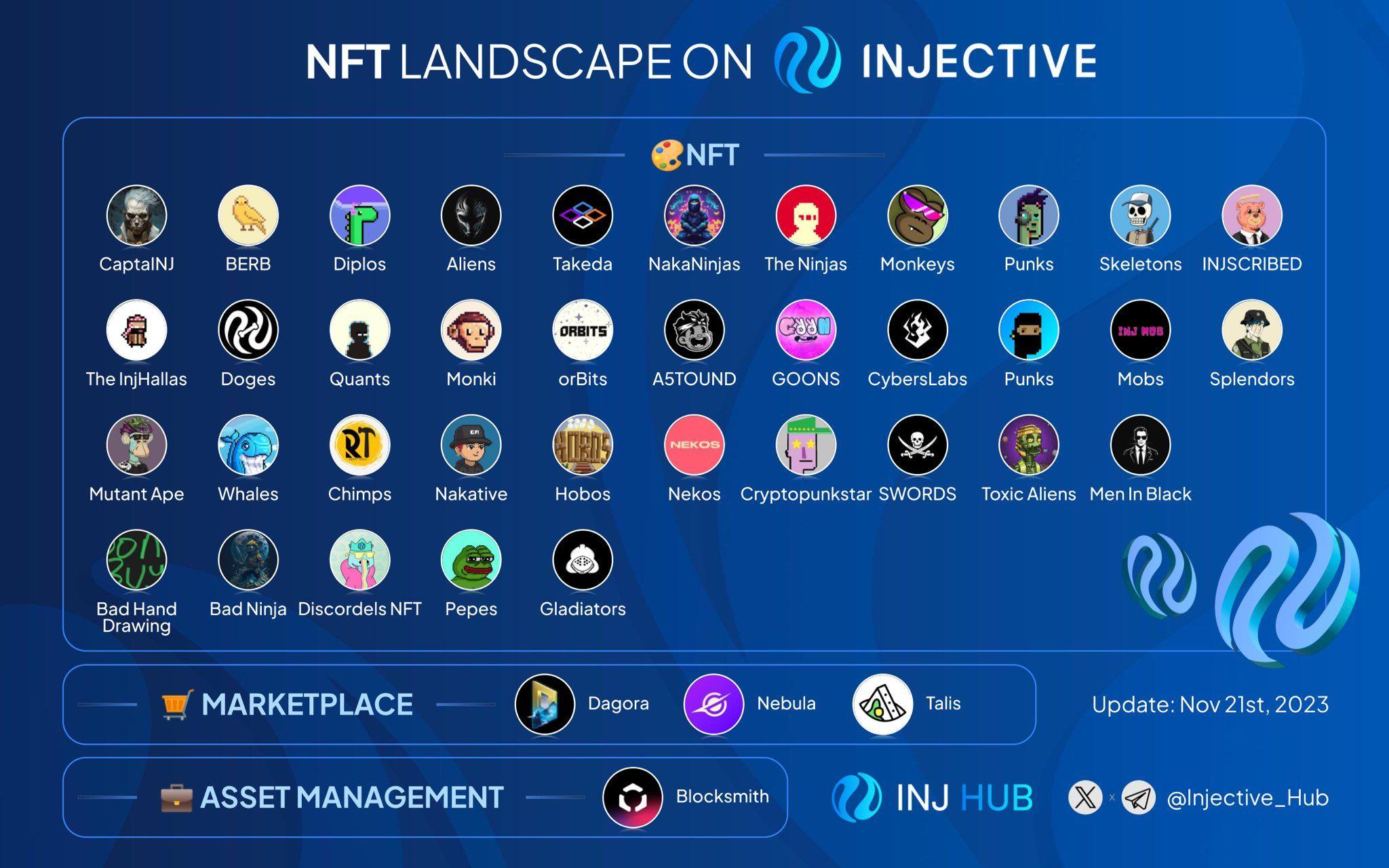
Talis Protocol is the first NFT marketplace built on Injective, listing numerous NFT projects. The NFT space within the Injective ecosystem is definitely one to watch.
Black Panther is an on-chain asset management platform incubated during an Injective hackathon and officially launched on mainnet a few months ago—users are encouraged to try it out!
Meta Era: Now let’s move to another topic of great interest—the INJ token auction and burn mechanism. Could you explain this and give us an overview of the Injective token?
Justin: Certainly. INJ is Injective’s native token. It serves multiple purposes: value capture for dApps, proof-of-stake (PoS) security, developer incentives, staking, and protocol governance. INJ is deeply integrated across every component of Injective—from on-chain upgrades and voting to proposals and PoS staking.
Regarding the auction-and-burn mechanism, 60% of all transaction fees generated on-chain are burned weekly. Users must bid in INJ during these auctions, creating recurring utility for the token. With the launch of INJ 2.0, individual on-chain protocols can now choose to contribute up to 100% of their fee revenue to these auctions, further contributing to the ecosystem.
Meta Era: Now let’s discuss challenges. Although Bitcoin recently rose to $40,000 and market sentiment has improved, Injective’s TVL dropped from $19M to $12M. Can you explain the reasons behind this? Are there additional plans to boost TVL?
Justin: TVL is influenced by many factors, and certain types of protocols—like liquid staking or lending platforms—tend to attract TVL more quickly. Currently, several such applications are live on Injective’s testnet, including Hydro Protocol and the recently launched Gryphon for liquid staking, and Neptune in the lending sector. I believe once these four or five projects launch on mainnet, Injective’s ecosystem TVL will reach a new level.
Meta Era: Let’s switch to a lighter topic! The founders of Injective Labs are alumni of New York University with strong technical backgrounds. You yourself also studied at NYU. What’s the team culture like? Are you all tech geeks?
Justin: The Injective Labs team has a very harmonious atmosphere. Most members have strong technical backgrounds, with over thirty engineers on the team—all highly capable. Because we’re a relatively small team, communication is fast and flexible. Information doesn’t sit idle for days; updates are shared and synchronized among team members on the same day. Internal collaboration is both enjoyable and efficient. Since joining, I’ve found the team culture to be highly dedicated—not only excelling in individual responsibilities but also proactively discussing ways to help ecosystem projects grow.
Meta Era: On community and ecosystem development, Injective has established a $150 million ecosystem fund to support developers. For regular users beyond just interacting with ecosystem projects, I understand there’s also the Ninja Ambassador Program. Could you tell us more about this program and its goals?
Justin: Starting with the ecosystem fund—developing projects requires significant time and resources, especially as teams scale. To address this, Injective established a $150 million ecosystem fund to provide grants. Funding is disbursed progressively based on milestone achievements.
Additionally, if project teams or developers wish to connect with VCs or investors, Injective facilitates introductions. However, they are expected to demonstrate tangible progress—such as maintaining consistent trading volume for six months post-mainnet launch—to qualify for greater opportunities.
On the community side, the Ninja Ambassador Program encourages active participation and deeper engagement with the project. Ambassadors are ranked across five tiers, with higher contribution leading to higher ranks. Each month, a set amount of INJ is distributed to ambassadors as incentives, encouraging interaction with Injective and its ecosystem projects, helping more users understand and engage with the ecosystem through meaningful contributions.
Meta Era: Today we’ve learned so many detailed insights about the project. Finally, do you have any special messages or thoughts you’d like to share with our Chinese-speaking audience in Greater China?
Justin: Of course! Beyond English-language communities, Injective has invested significant effort into engaging Chinese-speaking communities in recent years. We maintain official Chinese Twitter and Telegram channels, as well as a dedicated Chinese-language section on our Discord server, ensuring all ecosystem updates are promptly shared. Essentially, all announcements and articles are translated and organized in real time by our Chinese team. Therefore, users in Hong Kong and across Greater China who primarily speak Chinese can access the latest information instantly. For developer inquiries, questions can be directly posted on Injective’s Discord or official Telegram group, and team members typically respond promptly.
Lastly, I’d like to mention that Injective will send multiple team members to attend Taipei Blockchain Week in mid-December, along with hosting events around Taipei. Interested friends are welcome to sign up and meet us in person!
Meta Era: Thank you so much for your time today! We sincerely wish Injective continued success and thriving ecosystem growth.
Summary
Behind Injective is a highly skilled and efficient global team building Injective—a Layer 1 blockchain infrastructure tailored for the future of decentralized finance. Leveraging strong technical expertise and innovation, they’ve developed cutting-edge financial modules, provided developers with versatile toolkits for building upper-layer applications, and integrated multiple cross-chain bridges to interoperate with various public chains. Injective also boasts robust liquidity aggregation capabilities, fostering a vibrant public chain ecosystem and offering users a wide array of DeFi application choices.
On the tokenomics front, $INJ is designed with multifaceted utility, serving roles in protocol governance, dApp value capture, Proof-of-Stake (PoS) security, and developer incentives. The weekly INJ token auction-and-burn mechanism introduces recurring utility for the token.
Beyond its exceptional development and operations team, Injective enjoys backing from prominent investors such as Pantera, Jump Crypto, and Mark Cuban. To further support ecosystem projects and development teams, Injective has partnered with industry leaders including Kraken Ventures and Jump Crypto to establish a $150 million ecosystem fund dedicated to advancing the overall Injective ecosystem.
We look forward to seeing Injective drive greater breakthroughs in Real World Assets (RWA), bridging blockchain with tangible assets and delivering comprehensive, rich DeFi solutions to crypto users worldwide.
Join TechFlow official community to stay tuned
Telegram:https://t.me/TechFlowDaily
X (Twitter):https://x.com/TechFlowPost
X (Twitter) EN:https://x.com/BlockFlow_News