The Ordinals craze has sparked the BTC L2 narrative—what projects remain undiscovered?
TechFlow Selected TechFlow Selected
The Ordinals craze has sparked the BTC L2 narrative—what projects remain undiscovered?
This article will delve into the Bitcoin L2 ecosystem, introducing two relatively less-discussed projects: Tectum and BEVM.
 Navigating Web3 tides with focused insights
Written by: TechFlow
As FOMO around Bitcoin inscriptions intensifies, issues such as high network fees and slow settlement times on the Bitcoin network are becoming increasingly apparent.
The narrative in the crypto world moves in cycles. Years ago, there was extensive debate over Bitcoin's performance limitations, leading to a wide array of proposed scaling solutions.
Solutions like larger block sizes, sidechains, and the Lightning Network gradually emerged, yet remained largely under the radar.
Today, driven by the growing demand for inscription transactions, market interest in scaling Bitcoin has resurged—bringing these solutions back into the spotlight as potential focal points of new narratives.
Among them, Layer 2 (L2) networks built on BTC are beginning to stand out.
The most evident trend is the rapid influx of capital. Even previously overlooked Bitcoin L2 projects are now experiencing a windfall. For example, established Bitcoin L2 projects like STX and RIF have surged 93.6% and 38.7% respectively over the past week.
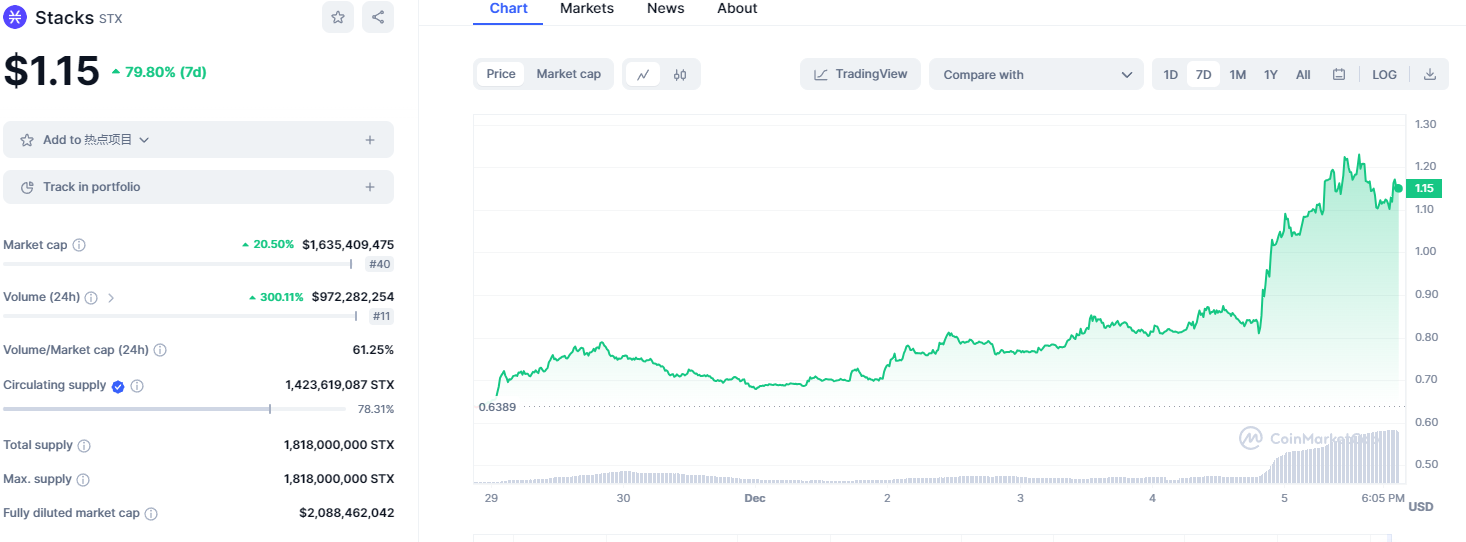
Most Bitcoin L2 projects listed on exchanges have already been discovered by the market. What earlier-stage alpha opportunities remain?
This article dives deep into the Bitcoin L2 ecosystem, highlighting two lesser-known but promising projects: Tectum and BEVM.
1. Tectum: A Ticket Transfer System Independent from BTC

Tectum Softnote is a Bitcoin Layer 2 scaling solution that enables instant, fee-free cryptocurrency transfers anywhere in the world.
How does Tectum achieve these capabilities?
Before understanding Tectum Softnote, it’s essential to first grasp what Tectum is.
Tectum is a complete distributed ledger protocol ecosystem comprising the Tectum Blockchain, Tectum Wallet, Tectum Token (TET), Tectum SoftNote, and a 3FA identity verification application.
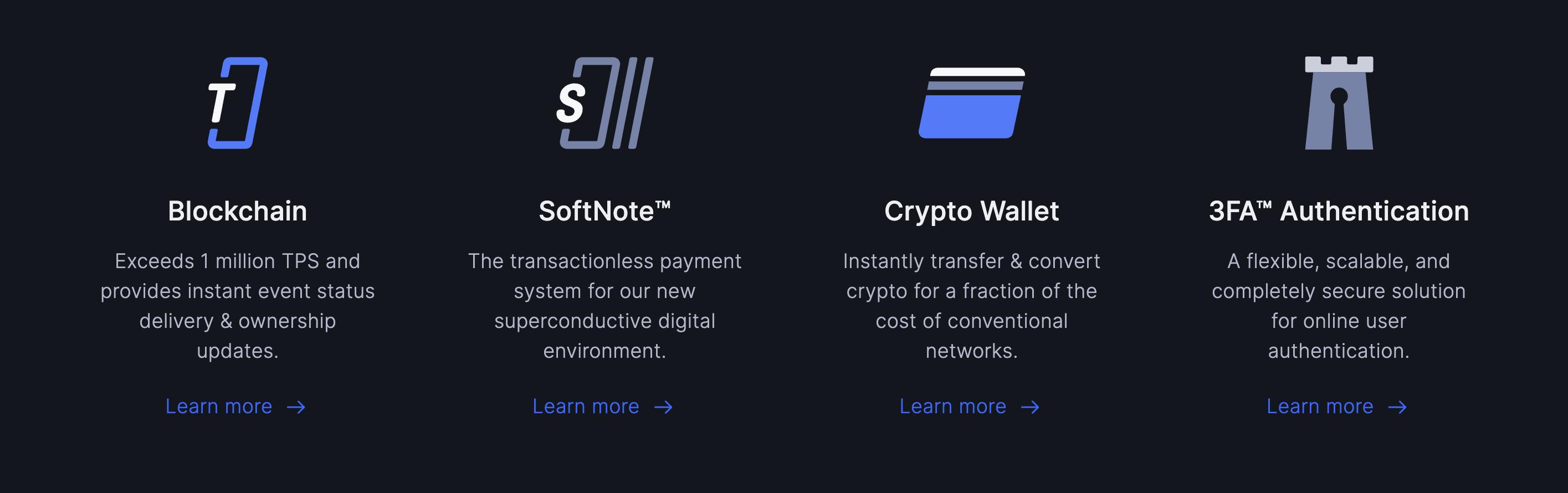
The Tectum Blockchain uses a proprietary record-update signature management algorithm called HashDrive. This algorithm supports over one million transactions per second, delivers instant status updates and ownership transfers across blockchain networks, and enables distributed access levels to functional system modules.
In simple terms, this algorithm enables extremely fast transaction speeds. The blockchain also employs a layered architecture that stores raw data at lower layers, achieving a balance between high security and high speed.
This structure makes Tectum an overlay network solution for blockchains like Bitcoin, avoiding congestion and high fees on native networks. Based on this technology, Softnote was born.
Softnote is a new tool built on the Tectum blockchain that enables fast, fee-free transactions. Let’s walk through its operation via a tutorial:
-
Create a Softnote Wallet—Tectum uses wallets generated from Bitcoin nodes.
-
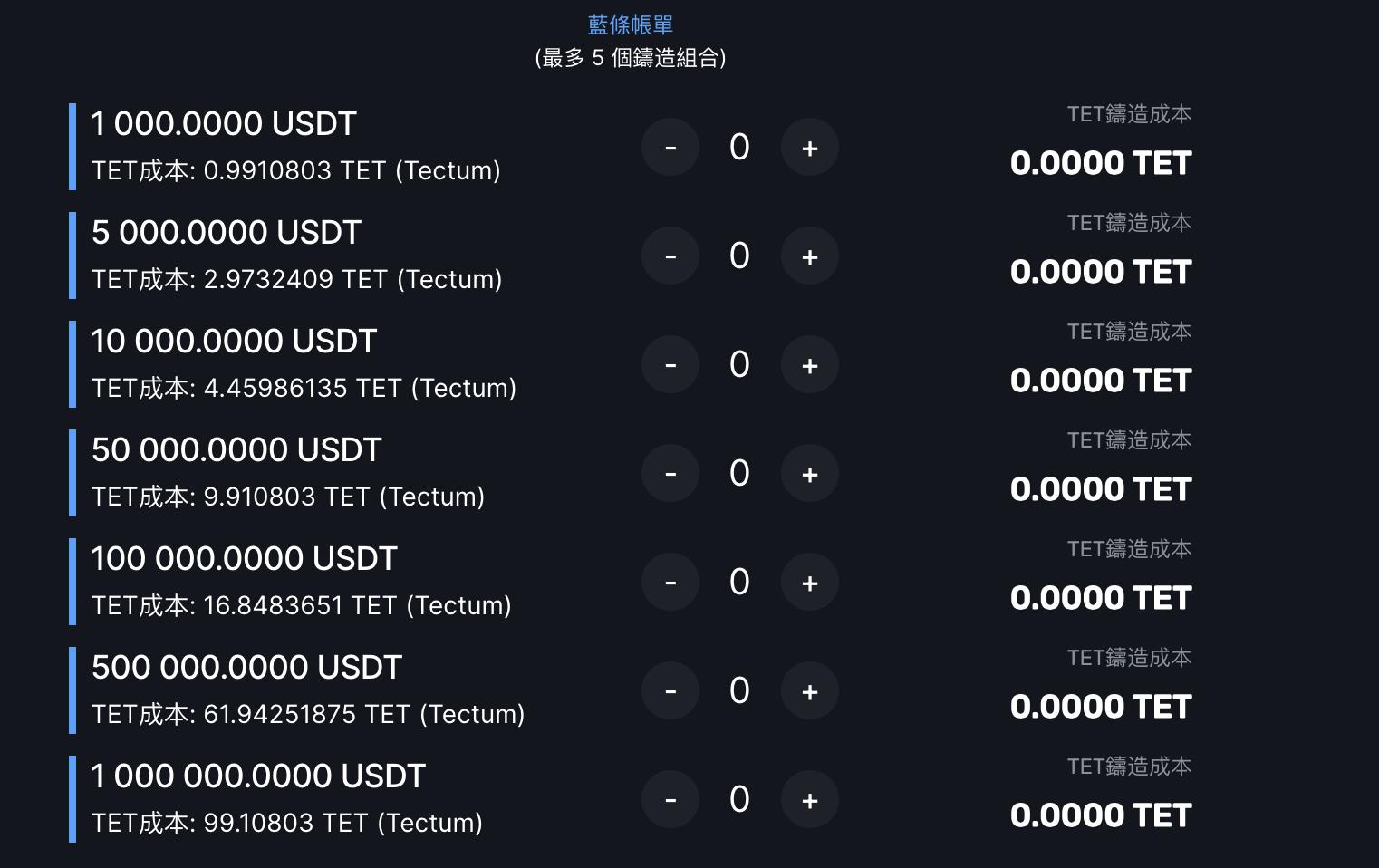
Mint SoftNote Bills—A Minter (Mt) spends TET to mint SoftNote bills. Each bill is assigned a unique serial number and can currently only be minted via the Tectum Softnote platform.
-
Provide Liquidity—Liquidity Providers (LPs) deposit BTC or other cryptocurrencies into the designated BTC/crypto wallet associated with their SoftNote bill.
-
Issue into Circulation—Liquidity providers sell their SoftNote bills to end users at various face values.
-
Generate Revenue—End users spend the bills for purchases. If used in transactions, payees incur a maximum fee of 1%.
User-to-user transfers can be completed via email and are not recorded on the Bitcoin blockchain. Therefore, SoftNote enables zero-fee, instant transactions with full privacy.
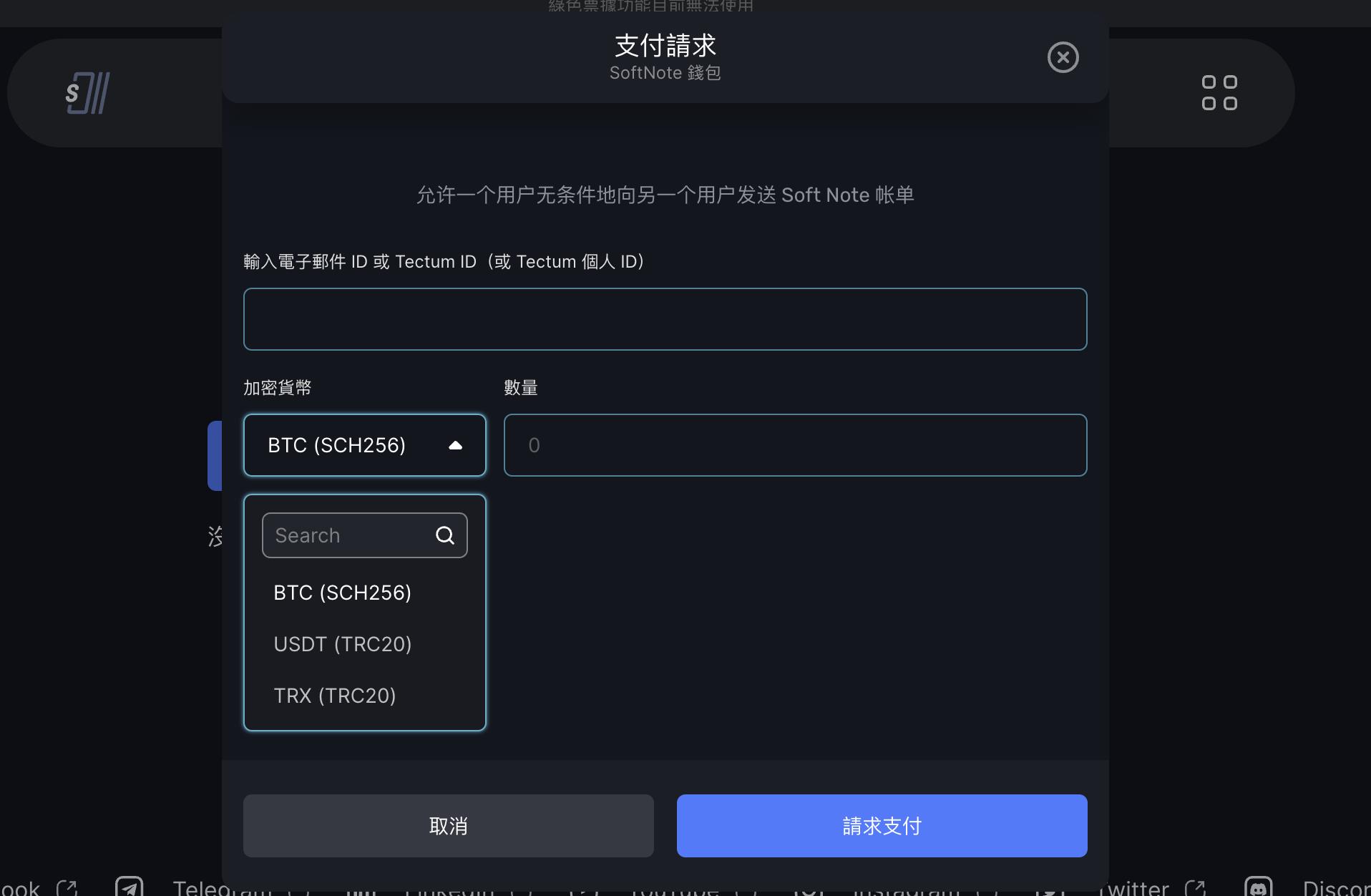
In essence, Tectum SoftNote creates its own "ticket credentials" outside the BTC network, allowing users to transfer and transact using these tickets.
-
Tectum Tokenomics
Tectum (TET) is the project’s native token. As mentioned above, it is used to mint Softnotes. Additionally, it reduces transaction fees for merchants receiving payments and grants access to other Tectum products.
The total supply of TET is capped at 10 million tokens: 15% allocated to private sales, 20% to staking and nodes, 10% to liquidity provision, and 10% to marketing.

2. BEVM: EVM-Compatible L2 on Bitcoin

BEVM is the first fully decentralized EVM-compatible Bitcoin L2, supporting wallets like MetaMask, development frameworks such as Truffle/Hardhat, and the Solidity programming language.
Additionally, BEVM uses BTC as its gas currency—applications on Layer 2 will all use BTC for gas. Most importantly, BEVM is fully EVM-compatible, meaning DeFi, GameFi, and other applications from the EVM ecosystem can seamlessly migrate to Bitcoin Layer 2. In the future, BEVM plans to support more non-EVM Layer 1 networks, extending BTC and BTC-based assets to any chain and maximizing the expansion of the Bitcoin ecosystem.
Currently, the BEVM ecosystem includes:
1. BEVM BLOCKCHAIN EXPLORER: The official BEVM block explorer for browsing on-chain data.
2. BSWAP: A BTC-EVM DEX built on BEVM, enabling users to swap between BRC20 and ERC20 tokens.
3. BITBOX: A professional, comprehensive Ordinals inscription service platform.

BEVM has not yet launched a token, but the team has hinted at an upcoming airdrop.
Therefore, trying the following methods may increase your chances of receiving an airdrop:
1. Interact with BSWAP: As noted, BSWAP is a DEX built on the BEVM network where users can trade tokens and participate in liquidity pools.
Currently, BSWAP features various pools paired with BTC, mostly centered on inscription assets such as Ordi and Sats.
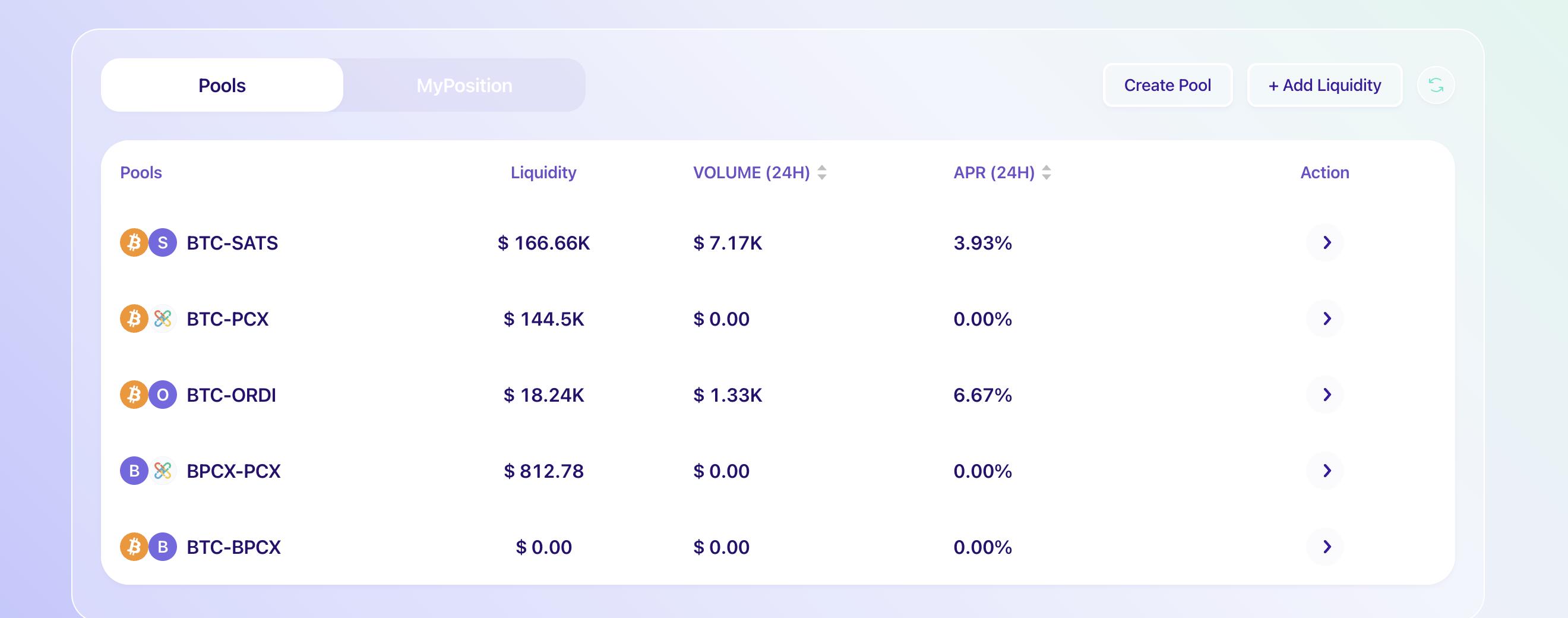
2. Complete tasks on Zealy, such as following social media accounts, joining communities, and claiming roles in the official Discord server.

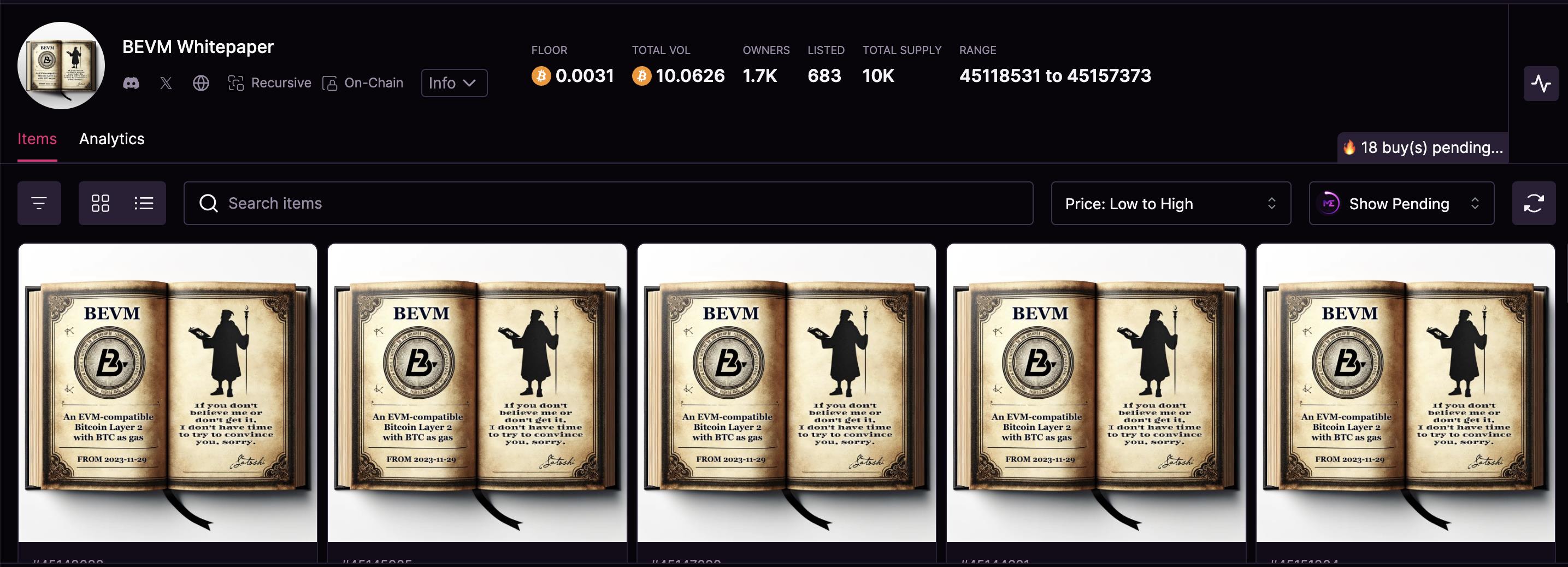
3. Purchase the official whitepaper as an NFT inscription. Currently, BEVM’s whitepaper has been minted as an NFT inscription on the Bitcoin network, limited to 10,000 copies. Owning this inscription may increase your likelihood of being airdropped.
Overall, BEVM decentralizes the integration of BTC directly into the mature EVM environment, significantly lowering the barrier to expanding the Bitcoin ecosystem. Meanwhile, Tectum tackles high Bitcoin transaction fees through an alternative ticketing system.
While these designs may seem less “orthodox,” they offer developers and users entirely new experiences, enabling both EVM-native developers and those unfamiliar with BTC to seamlessly enter the Bitcoin ecosystem.
Between “orthodoxy” and “user experience,” the market will ultimately decide.
Join TechFlow official community to stay tuned
Telegram:https://t.me/TechFlowDaily
X (Twitter):https://x.com/TechFlowPost
X (Twitter) EN:https://x.com/BlockFlow_News
 深潮TechFlow