Solana Inscriptions Frenzy: A Race-to-the-Ticket Game Where Falling Behind Means Getting Left Out
TechFlow Selected TechFlow Selected
Solana Inscriptions Frenzy: A Race-to-the-Ticket Game Where Falling Behind Means Getting Left Out
A frenzied market values efficiency, not logic.
 Navigating Web3 tides with focused insights
By TechFlow
“Opportunities that seem like free money often come with treacherous paths.”
With the emergence of BRC-20 at the beginning of the year and the repeated surges in Bitcoin's ecosystem around inscriptions over recent months, the market has been fully ignited.
As capital floods into this virgin territory of Bitcoin inscriptions, a clear FOMO effect has emerged, with liquidity spilling over into other ecosystems. If there are no inscriptions on a new chain, the market simply creates them anew—followed by a frantic race to mint them first.
Since minting these inscriptions is relatively fair—with no pre-mining or VC allocations—it feels like free money for retail investors and ordinary speculators.
But only if you act early enough.
Take yesterday’s sudden rise of the Lamp inscription on Solana as an example. Unlike Sols—the previous leading inscription on Solana actively promoted by its project team—Lamp appeared out of nowhere, proposed solely by a Twitter user @babla11001. It follows the SPL-20 format, has a total supply of 210,000 tokens, and came with a detailed step-by-step tutorial posted in a long tweet explaining how to mint it.
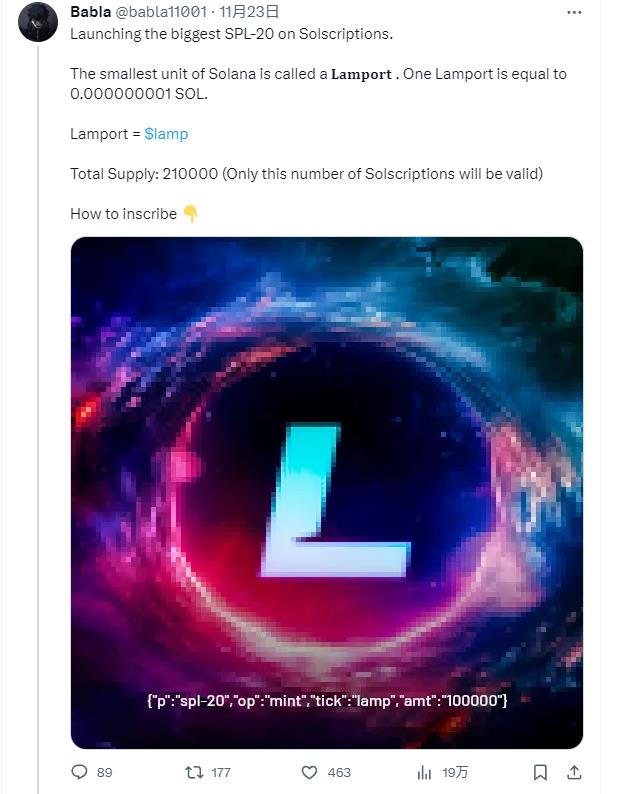
While you're still trying to figure out where Lamp came from, what SPL-20 means, or whether it's just vaporware,
the frenzied market only cares about efficiency—not logic.
Within just about three hours after babla’s post, all eligible LAMP inscriptions were rapidly minted. Shortly afterward, LAMP began trading on Magic Eden and OKX’s Web3 wallet. At the time of writing, the price of a single LAMP inscription reached 0.3 SOL.
Roughly estimated, the cost of minting one LAMP was around 1–2 USDT. Given the current floor price, anyone who successfully minted one essentially hit the jackpot.
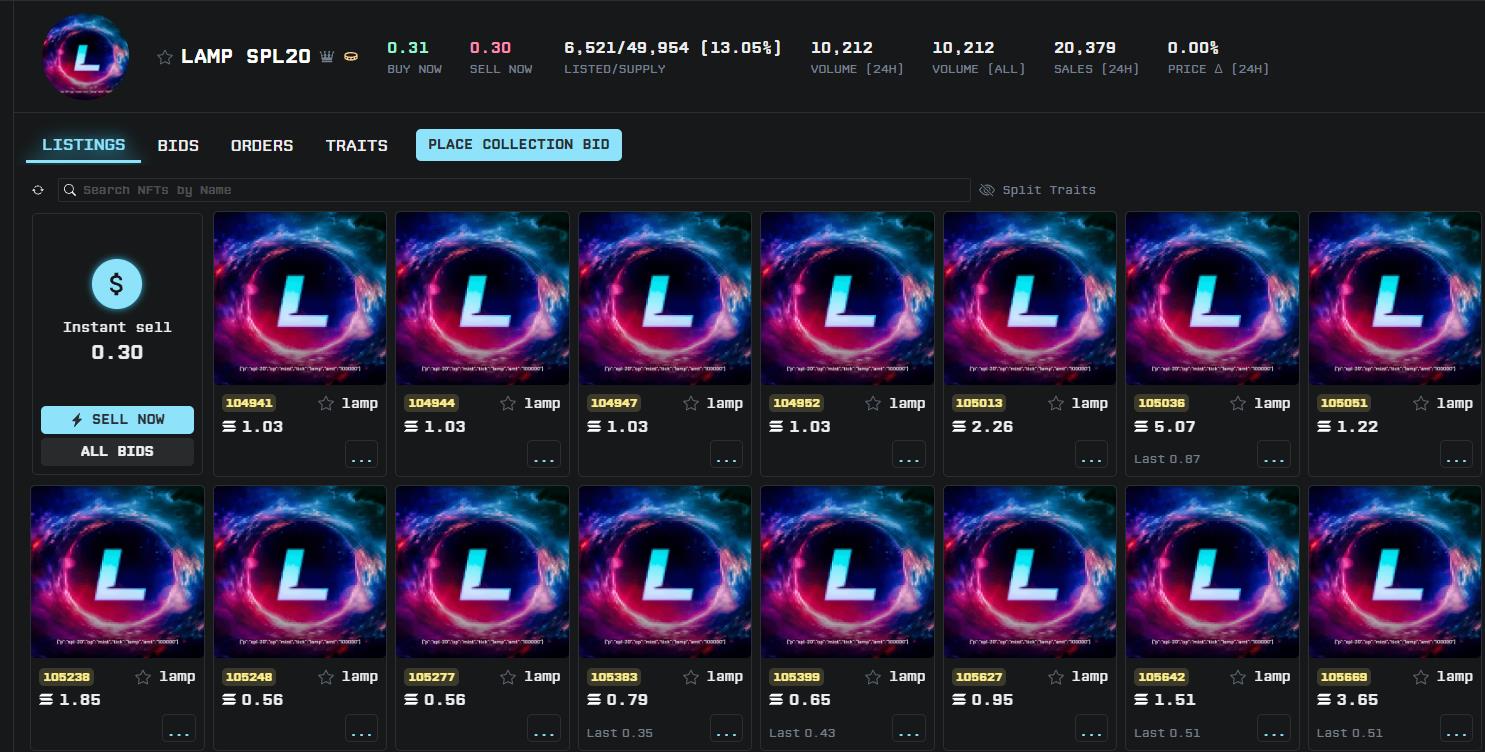
I discovered Lamp relatively early but failed to secure one. Amid overlapping bullish signals—from localized inscription hype to inflows of capital into Solana—the competition intensified dramatically.
A massive ticket-rushing scene—fall behind, get crushed
Looking back at the entire process of minting Lamp yesterday, it felt exactly like scrambling for train tickets during Chinese New Year or fighting for concert tickets online.
The key difference, however, is that you don’t actually know what you’re rushing for—you only clearly understand what it means to succeed.
Even before I fully grasped babla’s guide on how to mint Lamp, another post titled “Rule Clarification” completely exploded FOMO sentiment:
“After minting a Lamp inscription, there is a crucial verification step. Without completing this step, your inscription cannot be traded on the marketplace.”
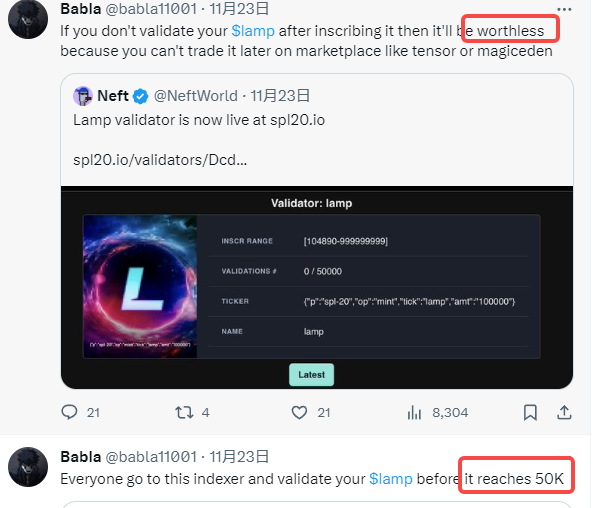
According to related websites, only 50,000 inscriptions could be verified—first-come, first-served—and even during the minting process, the number of successfully verified Lamps kept rising in real time, further fueling the sense of urgency and competition.
However, prior to verification, minting a Lamp inscription required going through several steps, which generally represent the standard procedure for creating inscriptions on Solana:
First, upload an image, name it, set transfer rules, and mint it as an NFT via a designated website;
Second, prepare specific data fields such as {"p":"spl-20","op":"mint","tick":"lamp","amt":"100000"} and "inscribe" the NFT, turning it into an inscription;
Third, to make the inscription valid and tradable, it must go through a “verification” process.
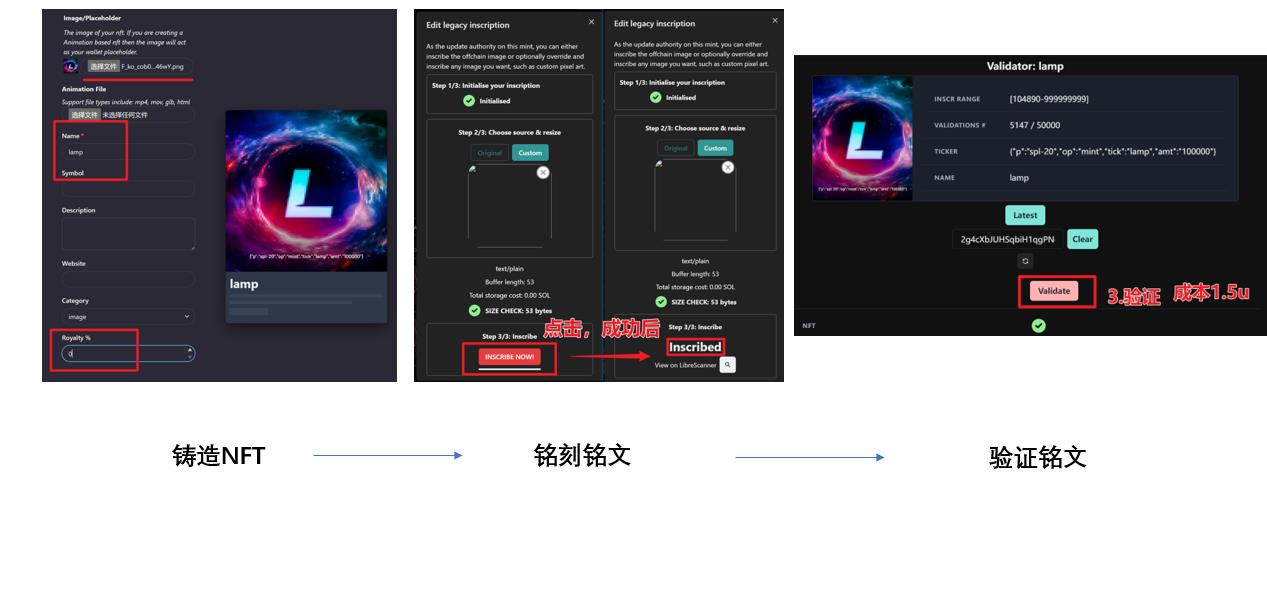
Image source: Compiled and created based on “SOLS Chain Inscription Minting Tutorial”
These steps are far from user-friendly—they’re abstract and confusing. You neither know nor care how each step technically works; all that matters is completing them faster than others.
At its core, this reflects weak infrastructure exposing complex development logic to end users. Rather than minting inscriptions, it feels more like acting as a developer manually configuring backend functions.
Due to the “first verified, first served” rule, more and more users rushed in to mint LAMP, worsening the already poor user experience:
Heavy traffic caused the three separate websites—for minting, inscribing, and verifying—to crash repeatedly. Many encountered errors such as unresponsive buttons or inaccessible pages. Even constant refreshing didn't help—whether you succeeded depended largely on luck.
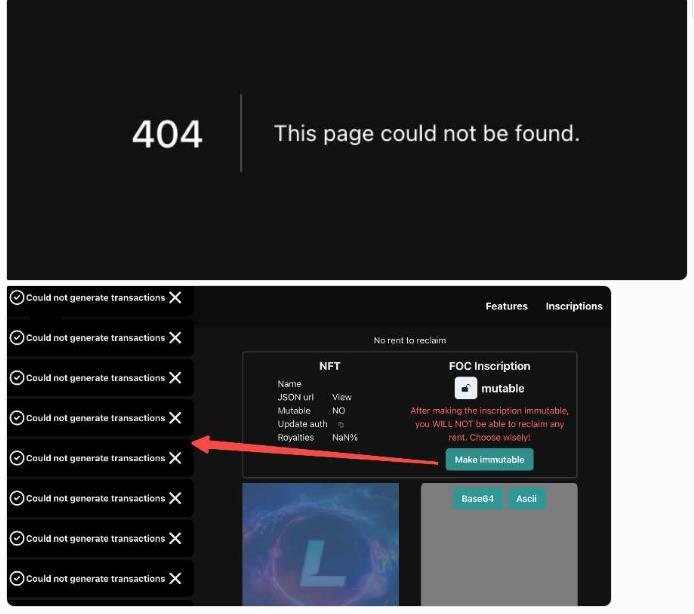
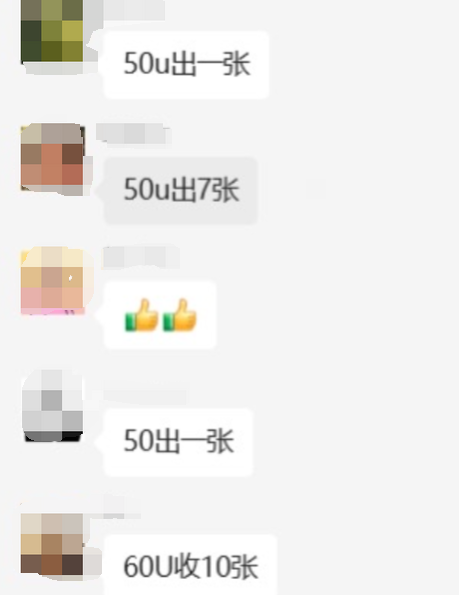
Meanwhile, the count of successfully verified LAMP inscriptions continued to climb. On one side: helpless rage from users stuck clicking endlessly due to lag. On the other: lucky early birds who completed everything smoothly and secured their rewards.
Eventually, after the “peak rush hour,” all inscriptions were claimed, and the websites stabilized. But here’s the catch: the sites didn’t notify users that continuing to mint was pointless. You could still complete every step seamlessly—but only to waste your SOL tokens.
The entire process proves one thing: fall behind, and you lose. Success depends on luck, execution speed, and incomplete rules—but the reward? Extremely tempting.
Equal opportunity in inscription hunting?
Looking back after the frenzy, what exactly are Sols or Lamp? What is an SPL-20 inscription?
In fact, SPL-20 inscriptions are unique Solana addresses containing images stored directly on-chain. This concept is no different from BRC-20—just somewhat “atavistic”:
Previously, the trend was storing all NFT images off-chain using third-party decentralized storage. Now, the trend reverses—images are being stored directly on-chain again.
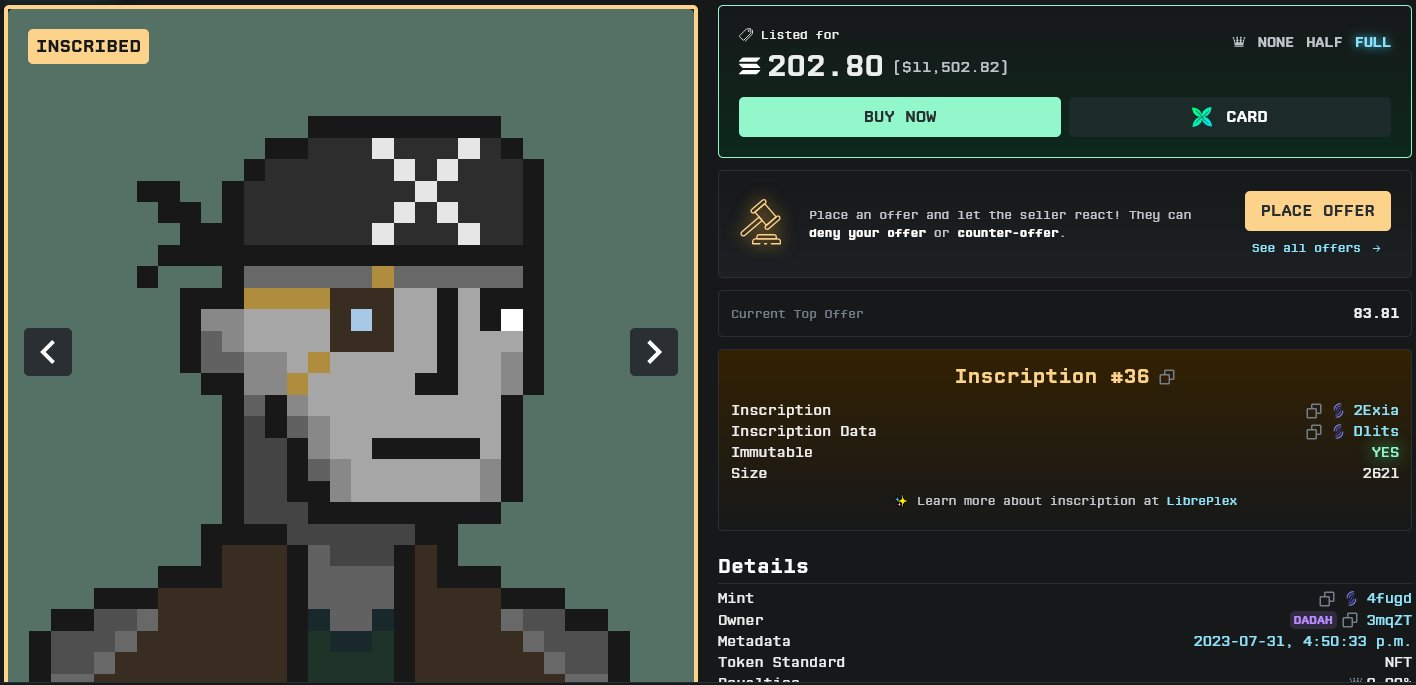
It's narrative when people say on-chain space is precious; it's also narrative when people fill that same space with junk images. There’s no right or wrong—only profit.
What matters is whether you can smartly, luckily, and quickly grab a slice during this narrative shift.
During this process, due to inadequate infrastructure—such as poorly designed frontends, missing data indexing, unclear prompts, and unpolished workflows—early participants face unfriendly interfaces and unstable competitive environments.
Currently, SPL-20 inscriptions on Solana are primarily supported by LibrePlex, an independent contributor and team within the Solana ecosystem. The inscription and locking websites mentioned earlier are both operated by LibrePlex.
Yet judging from the service crashes caused by the surge in demand during the Lamp craze, LibrePlex still has a long way to go in optimizing its infrastructure to support Solana’s growing inscription economy.
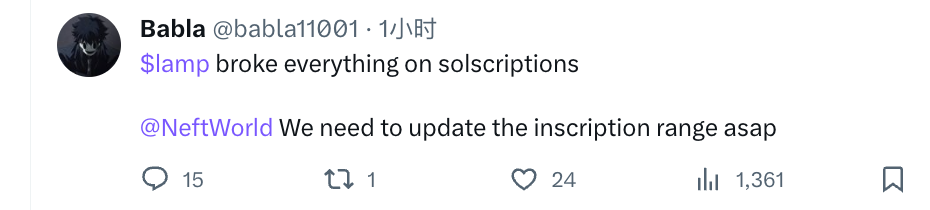
Even Babla, the creator of Lamp, publicly admitted that the sudden popularity of Lamp had significantly stressed the existing ecosystem, emphasizing the urgent need to upgrade and restructure supporting infrastructure.
Beyond these observations, apart from the creators and platforms collecting fees, ask yourself:
Do you have the time, energy, or even the luck to seize the next big inscription opportunity?
From my own experience, under the tension between fragile infrastructure and intense competition, catching an inscription requires not only constantly monitoring social media for sudden announcements but also staying glued to websites, troubleshooting issues in real time, and repeating tedious processes over and over.
And even if you do everything right, website crashes might still prevent success—so you also need a bit of luck.
We often hear advice urging us not to be biased, not to be lazy, and to boldly experiment in crypto markets. Yet amid wealth fever, even if you overcome bias, work hard, and try everything, you may still end up empty-handed.
Yes, opportunities may appear equal to all. But individual capabilities and availability vary greatly. It’s often difficult to align personal readiness with the timing of market trends.
In crypto markets, trading tokens means competing against VCs; rushing into inscriptions means competing against others just as eager as you. In the former, you risk getting rekt; in the latter, you risk getting squeezed out.
Therefore, fairness or unfairness isn’t the point. Execution capability is merely the baseline in the inscription market. When faced with massive wealth creation effects and overwhelming FOMO, the real skill lies in filtering noise wisely and realistically assessing your own ability to act.
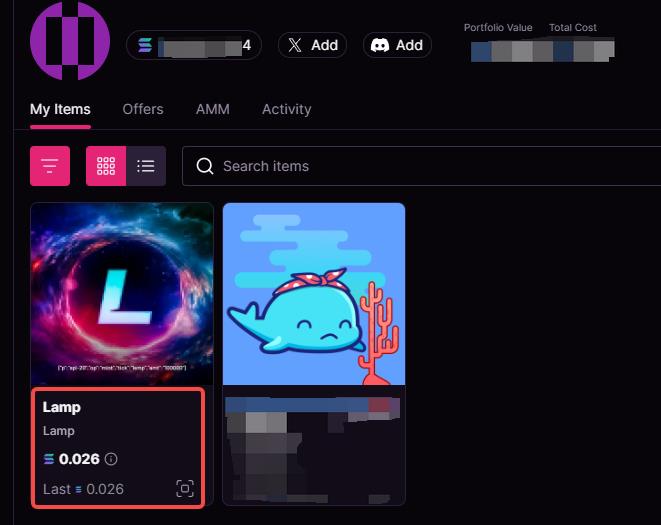
Finally, after the LAMP minting frenzy ended, I was surprised to find that my “half-finished” LAMP inscription—failed at the final verification due to site lag—could still be sold on Magic Eden at a price.
This gave me a strong feeling:
This surreal, manic, and fiercely competitive inscription rush game is far from over.
Join TechFlow official community to stay tuned
Telegram:https://t.me/TechFlowDaily
X (Twitter):https://x.com/TechFlowPost
X (Twitter) EN:https://x.com/BlockFlow_News
 深潮TechFlow