








Mantle Network: L2 Competition Intensifies, Modular Solutions on the Rise
TechFlow Selected TechFlow Selected
Mantle Network: L2 Competition Intensifies, Modular Solutions on the Rise
This article will begin with an analysis of the current L2 market landscape, then delve into Mantle Network's technological innovations and underlying principles, as well as its key initiatives in ecosystem development.
 Navigating Web3 tides with focused insights
The current L2 market is becoming increasingly competitive. Among the dozens of L2s we can observe, overall technical approaches are trending toward homogenization. With OP and ZK emerging as the only two viable options, the differences between various L2s seem less apparent.
Meanwhile, applications can often migrate across different L2s to reinitiate land-grab campaigns. From a technical standpoint, choosing any particular L2 appears feasible.
In such a homogenous competitive environment, what elements must an L2 possess to stand out?
Whether in technology or ecosystem development, differentiation is crucial.
For example, when discussing Base’s L2, Friend.Tech naturally comes to mind. A breakout success in the ecosystem brings attention, liquidity, and热度 (heat), benefiting the underlying L2 as well. So who will be the next distinctive L2? As the "Four Great Kings" of the L2 market have firmly secured top-tier market share, uniquely positioned newcomers deserve closer attention—and Mantle Network is one such candidate.
Addressing common L2 challenges, Mantle Network has adopted a modular design with an independent data availability (DA) layer. In terms of ecosystem development, Mantle has pursued differentiated positioning by focusing on yield-closer sectors like LSD and RWA, creating opportunities for a unique market position and user base.
Additionally, its substantial treasury reserves and recent series of marketing initiatives appear to signal strong confidence in growth and determination to attract users. However, there remains a lack of in-depth coverage about Mantle Network in Chinese-speaking regions—most content consists of scattered information without cohesive analysis—leading to fragmented and incomplete understanding of its technical architecture, ecosystem construction, and strategic roadmap.
Therefore, this article will analyze Mantle Network from both the current state of the L2 market and delve into its technological innovations, core principles, and key ecosystem initiatives.
Potential and Capital: A Rising Contender Poised to Disrupt
Before diving into Mantle Network's technical design, a more intuitive way is to examine multiple data points to quickly grasp its foundational status.
Firstly, in terms of total value locked (TVL), established L2s Arbitrum and Optimism hold absolute advantages and significantly lead other competitors in market share.
Given that Mantle Network launched its mainnet relatively recently (in July), it does not yet have a significant edge over other non-Arb/OP L2s in TVL, indicating that further development time is needed.
However, in terms of growth momentum, L2BEAT data shows that since its mainnet launch two months ago, Mantle’s TVL experienced rapid expansion before stabilizing after August, currently reaching approximately $90 million.

This transition from sharp growth to relative stability indicates that Mantle has completed initial ecosystem attraction and bootstrapping. However, pushing TVL to the next level will require differentiated ecosystem building. Specific strategies will be elaborated later.
Moreover, Mantle Network has recently shown a notable surge in on-chain activity over the past week.
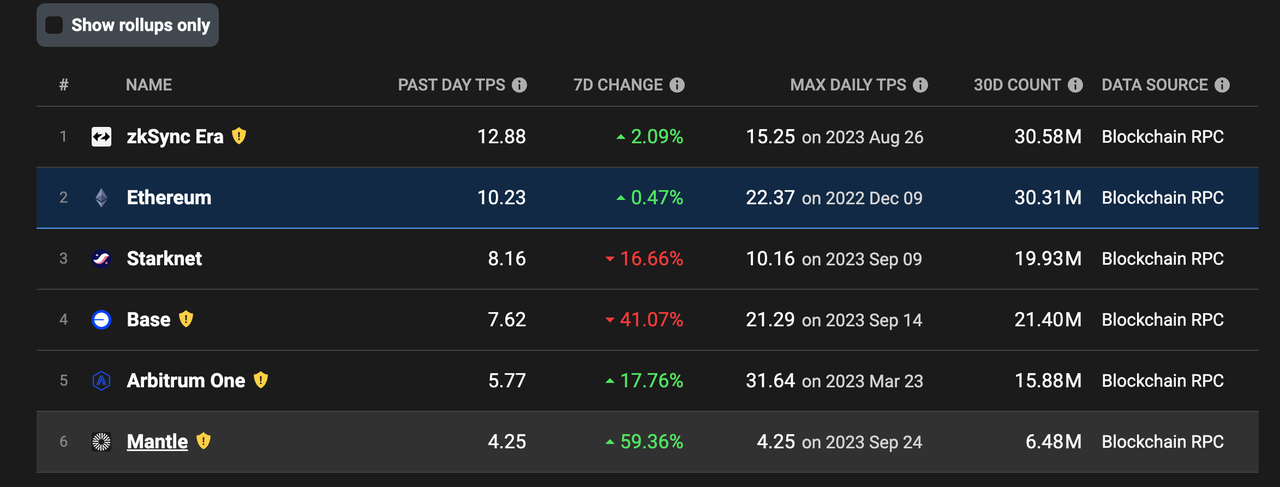
Although the absolute TPS value isn't high, the increasing rate reflects rising transaction volume, partially attributable to growing traction from partnered on-chain projects.
Looking at existing projects, Mantle’s current ecosystem primarily focuses on DEXs and lending protocols. Among the top 10 TVL-ranking projects, DEXs and lending platforms occupy half the list, with roughly equal numbers of native and cross-chain projects. Similar to early-stage development patterns seen in other L2s, DeFi-related projects form the foundation. To stand out in competition later, more distinctive applications need to emerge—or major star projects from existing categories should be introduced to generate large-scale attention.

Taken together, these data suggest that Mantle Network has already achieved a certain scale. With clear upward trends in TVL and on-chain activity, it now urgently needs to unlock its full potential.
Yet, advancing beyond the current stage—whether through technological innovation or ecosystem expansion—requires substantial financial backing. This is where Mantle Network notably distinguishes itself from other L2 projects: its robust capital reserve serves as a powerful lever for future ecosystem development.
As early as May this year, Mantle Governance passed BIP-21, allowing BIT tokens to convert 1:1 into Mantle’s native token MNT for use in project operations and ecosystem development.
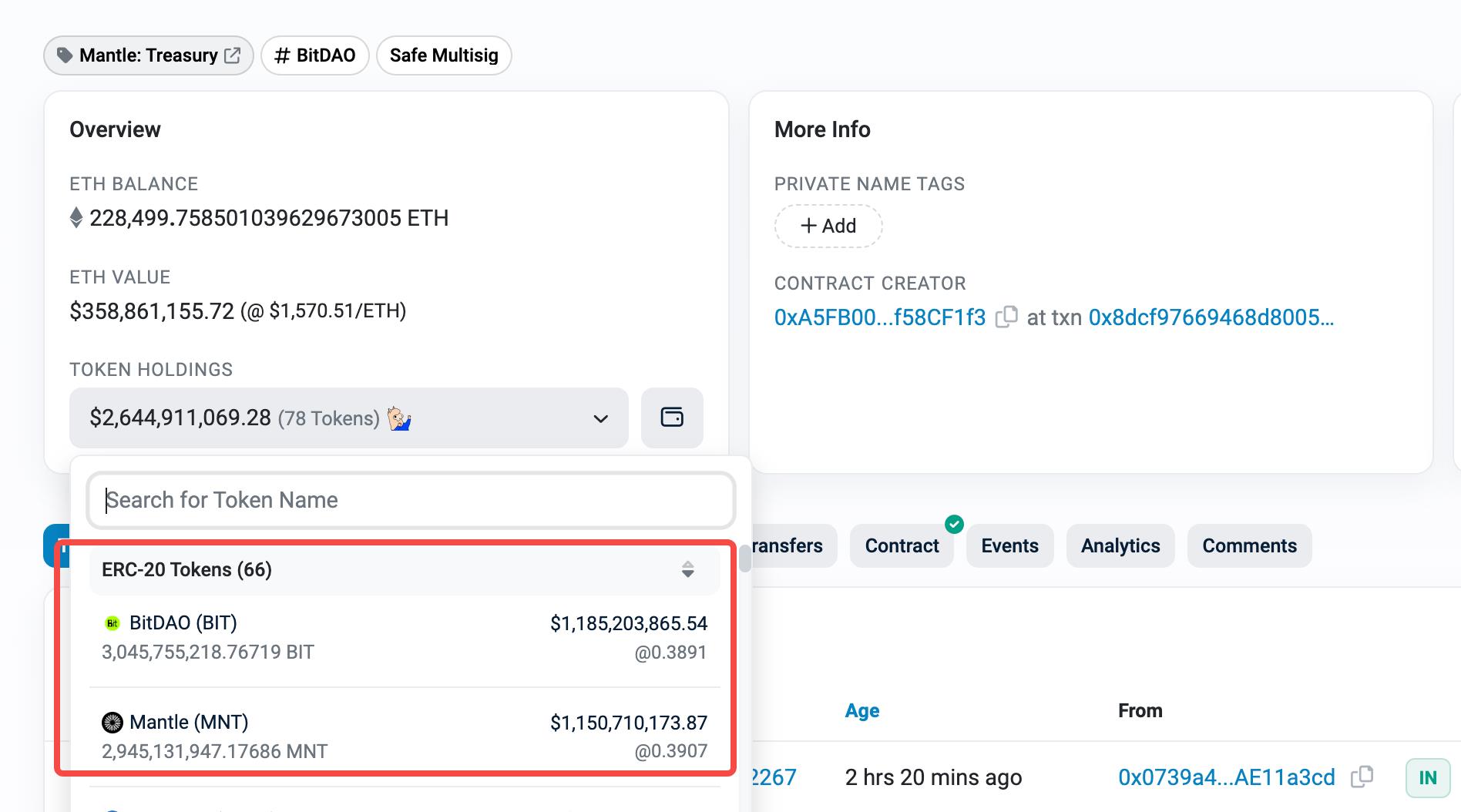
As a result, Mantle currently boasts an exceptionally well-funded treasury. At the time of writing, the smart contract deployed on Ethereum reveals that the treasury—comprised of MNT and other tokens—holds a staggering $2 billion. This makes Mantle Treasury the largest project treasury in the entire crypto industry, providing a solid foundation for catching up and surpassing incumbents.
On its official website, Mantle has announced the EcoFund ecosystem support program, allocating $200 million to invest in and assist native projects and technical partners within its ecosystem.

With such massive investment incentives, it is foreseeable that more projects will collaborate with Mantle in the future, joining its ecosystem and potentially spawning exclusive or breakout applications.
Notably, resource advantage alone does not define a project. Now that potential is backed by capital strength, our next pressing question becomes: Does Mantle Network also possess technical distinctiveness and advantages capable of attracting more projects and liquidity?
Modular Design and Independent DA Layer: A Dual-Pronged Strategy to Break Through Competition
When discussing Mantle Network’s technology, the most frequently used label is "modular."
However, deeper questions—such as what modularity means for L2s, what problems it solves, how exactly it works, and how the modules interconnect—remain poorly explained in the broader market.
To systematically understand Mantle Network, let us begin with an analogy using L1.
In Ethereum, functional modules such as execution, settlement, consensus, and data availability are clearly separated, each responsible for distinct tasks. The benefit lies in enabling independent optimization and iteration of each module, simplifying developer comprehension and participation. Moreover, separating execution from settlement marks a critical step forward in scalability and performance enhancement.
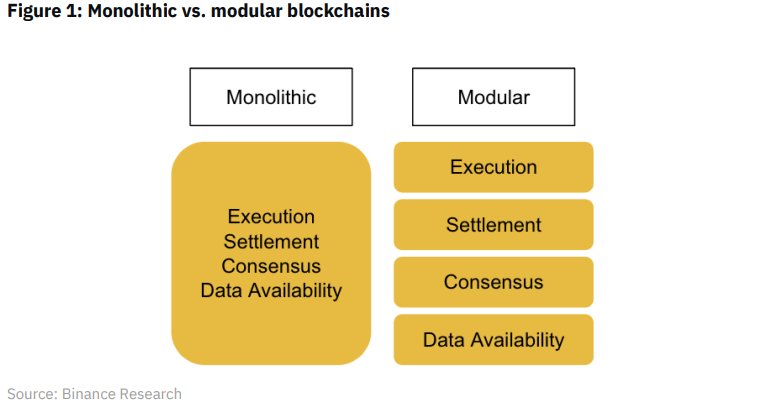
So why do L2s also need modular design?
In fact, the core issues faced by L2s mirror those of L1s, involving transaction processing, state validation, and data availability. Thus, modular design in L2s represents an extension and continuation of the modular philosophy pioneered at the L1 level.

Mantle Network exemplifies such a highly modular L2 solution. Its modular design encompasses three core domains: transaction processing, state verification, and data availability.
Transaction Processing: Moving Toward Decentralized Sequencers
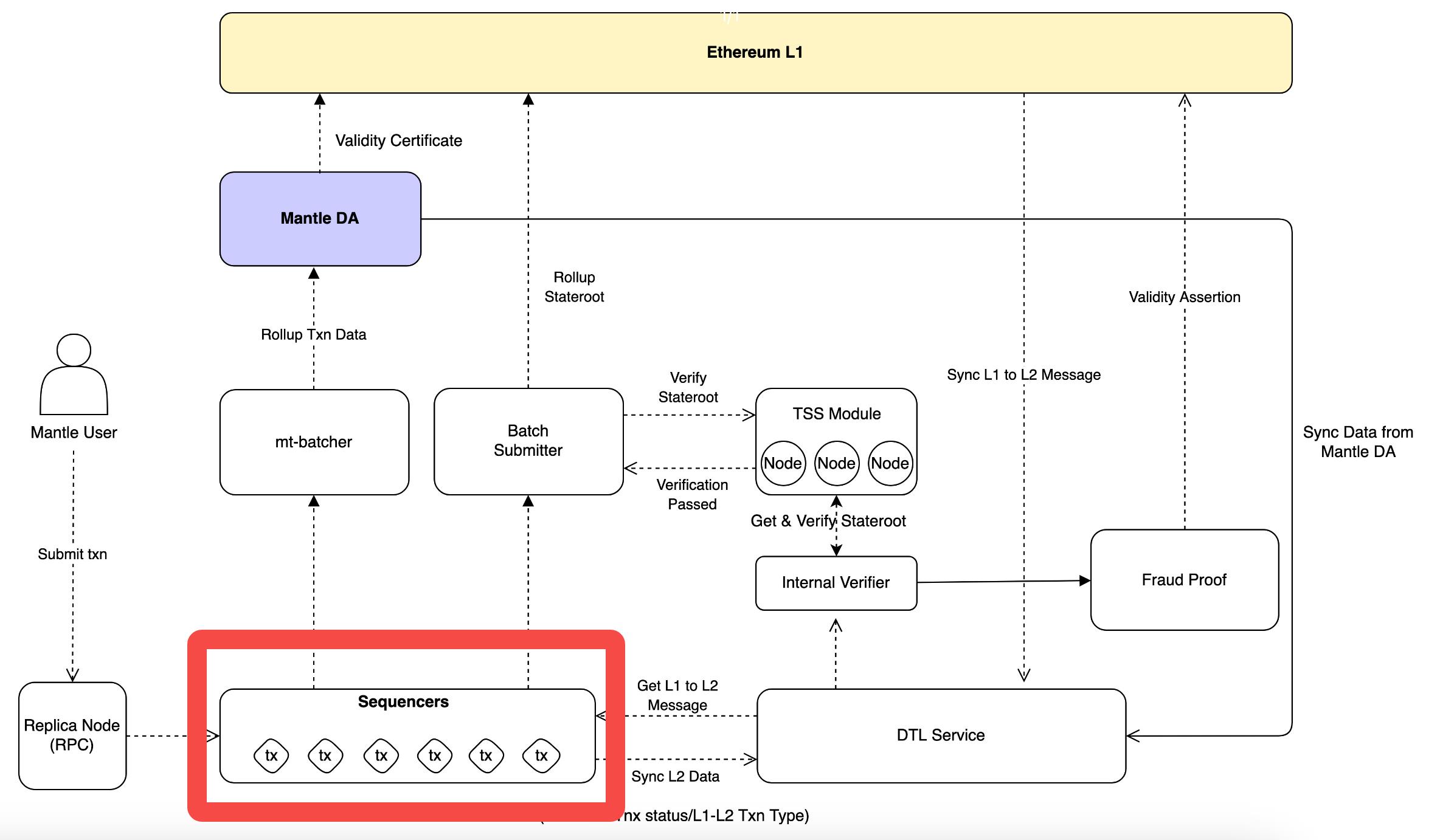
First, transaction processing in Mantle is handled by Sequencers. These entities not only receive user transaction requests but also order and bundle them according to specific rules, ultimately generating a block ready for submission. This process functions similarly to a sequencing mechanism, ensuring transactions are processed in the correct order.
Currently, Mantle’s design starts with a centralized sequencer operated by the official foundation, though plans exist to decentralize it in the future. Specifically, decentralization would involve introducing a “scheduler” entity to determine which sequencer generates the next block.
State Verification: TSS Nodes Shorten Challenge Periods
Next, consider state verification. Mantle employs a Threshold Signature Scheme (TSS) to achieve this. In TSS, nodes collectively generate portions of a private key and jointly sign transactions previously packaged by the sequencer.
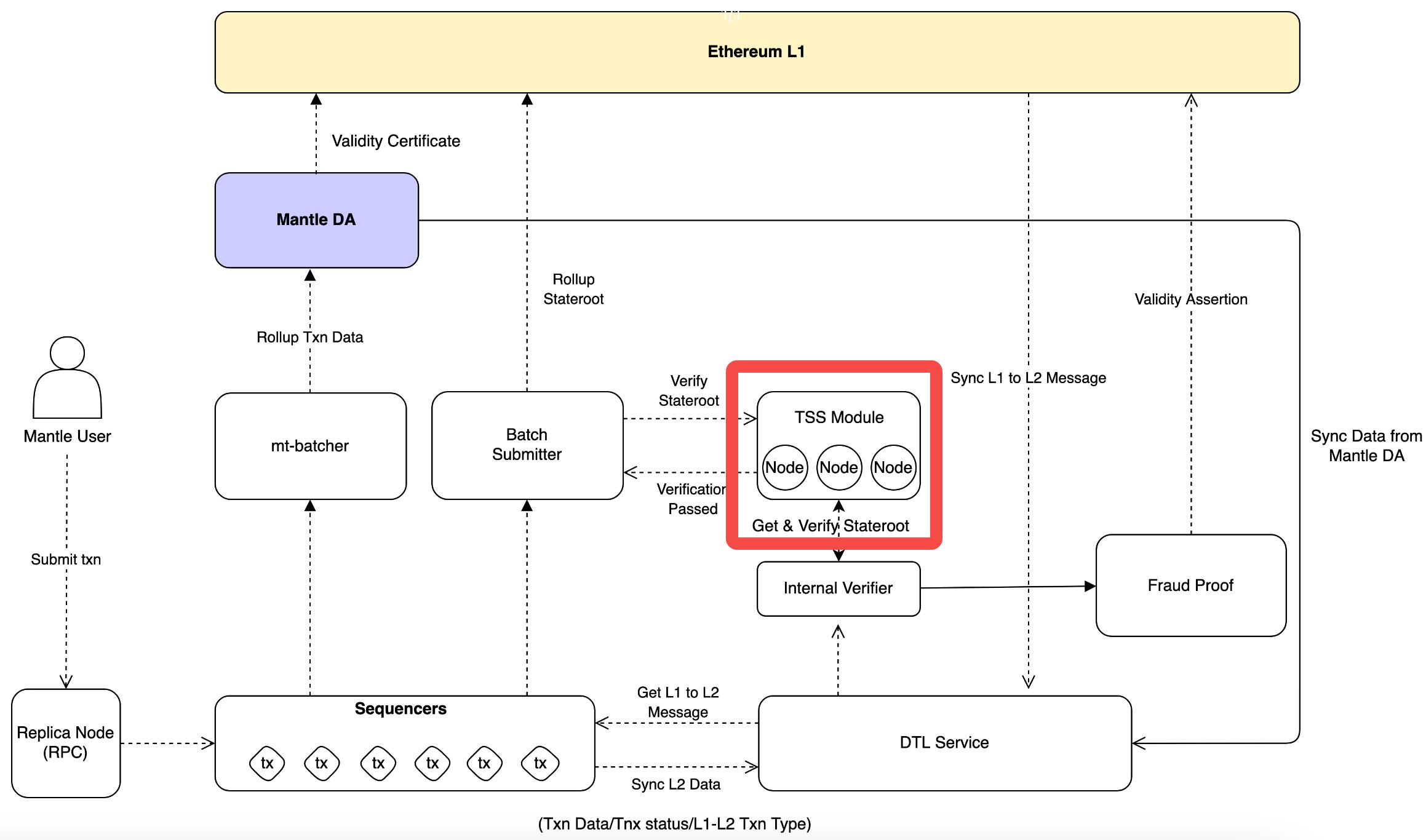
TSS involves MPC (multi-party computation) techniques, whose intricate details won’t be explored here; fundamentally, it enables multiple parties to collaboratively verify transaction correctness.
Loosely speaking, think of them as a group of “transaction quality inspectors”—multiple individuals independently checking batches of transactions, thereby reducing the probability of actual errors occurring.
Thus, the core purpose of introducing TSS nodes via modular architecture is: transactions originally requiring validation and consensus on L1 can now undergo preliminary verification directly on L2.
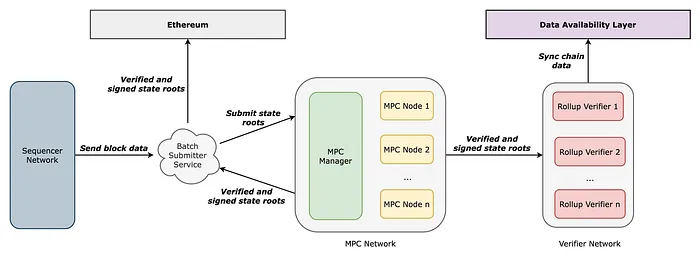
Because TSS nodes pre-validate transaction states and accuracy, the challenge period for withdrawals from L2 to Ethereum L1 under OP Rollup mechanisms (typically around 7 days to prevent fraudulent L2 transactions) can be significantly shortened.
Furthermore, nodes validating on the Mantle network must stake MNT tokens. Any malicious behavior results in slashing, with penalties redistributed among honest nodes.

Initially, TSS nodes will include reputable companies. Subsequent node additions will be decided by Mantle Governance, gradually achieving decentralization. After transactions are ordered and packed by the sequencer and verified by TSS nodes, the next consideration is ensuring the resulting transaction data becomes available.
Data Availability: Independent DA Layer Leverages EigenLayer for Enhanced Reliability
Mantle Network uses EigenDA technology to address this issue. EigenDA ensures high data availability and features a carefully designed incentive-penalty system. Through this mechanism, data availability nodes (DA nodes) receive appropriate rewards, delivering more stable and reliable service.
It should be noted that due to EigenLayer’s mainnet not being live yet, the current version of Mantle Network uses a simplified implementation based on EigenDA technology called Mantle DA.
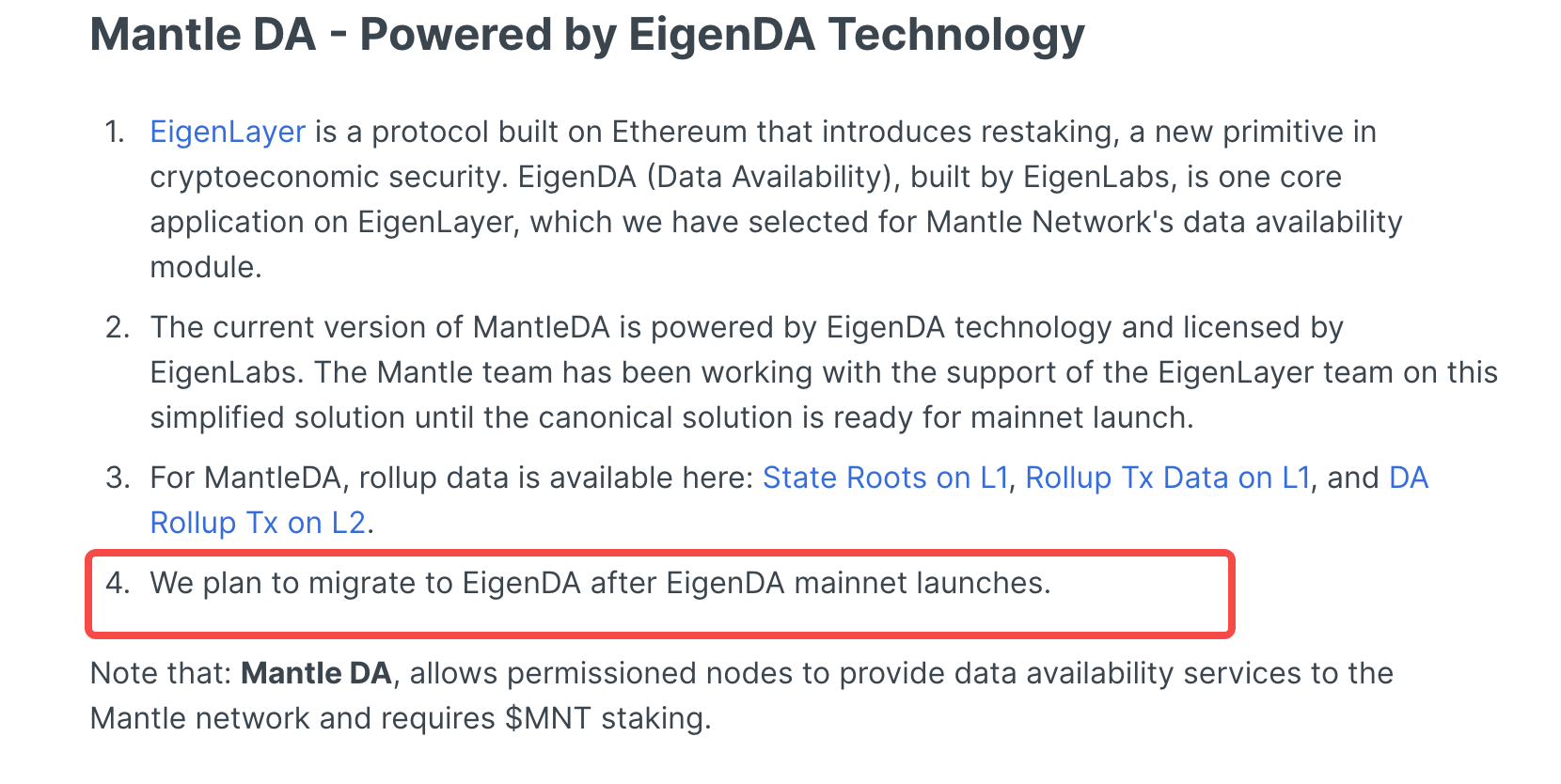
Future migration to full EigenDA will be considered once its mainnet launches.
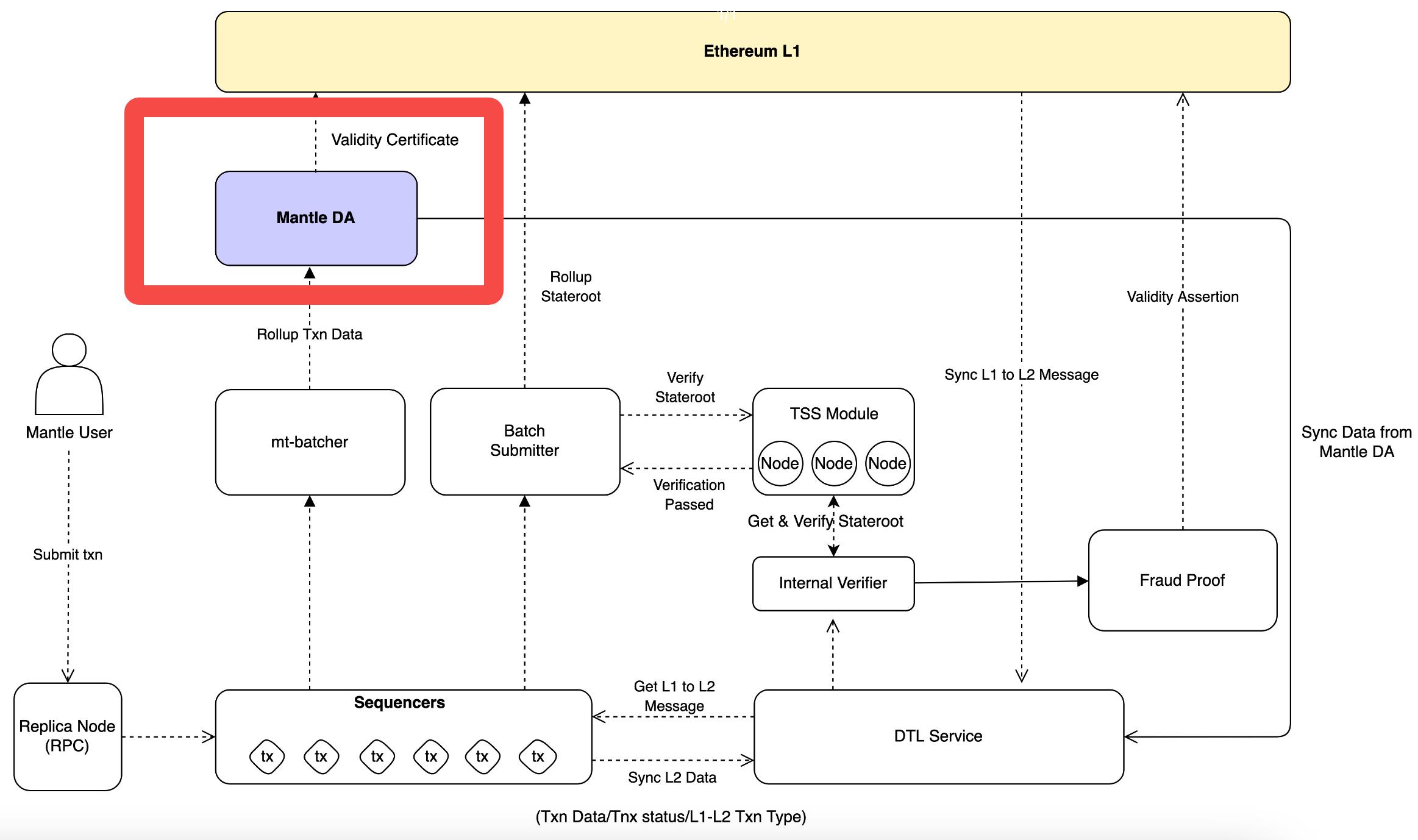
Beyond migration timelines and execution details, partnering with EigenLayer to advance data availability represents Mantle Network’s key distinguishing feature compared to most L2s and constitutes an important security-enhancing design.
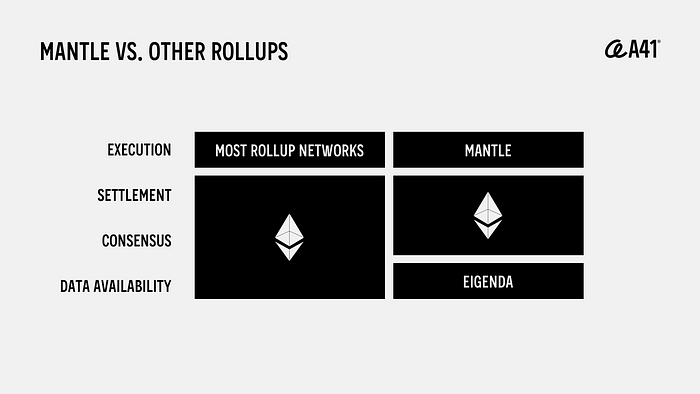
Considering many readers may not fully grasp this concept, here’s a brief primer:
-
What is Data Availability (DA)?
Simply put, data availability refers to any node in the network being able to access complete transaction history and other critical data. The goal is to ensure transparency and verifiability, maintaining trust in the system.
-
When is data available or unavailable?
Situations where data is available:
- Completeness: All transaction data is intact, with no loss.
- Accessibility: Any node can easily access the data.
- Timeliness: New transaction data becomes immediately available upon confirmation.
Situations where data is unavailable:
- Data loss or corruption: Critical transaction history or state data is lost or damaged.
- Data withholding: Malicious nodes or attackers intentionally withhold publishing data.
- Network partitioning: Prevents data propagation across the entire network.
-
How does Mantle handle data availability?
Mantle uses EigenDA (Eigen Data Availability) technology to solve data availability. Built atop Ethereum, EigenLayer’s core idea is leveraging a “re-staking” mechanism to secure data availability. Here are the main operational steps:
-
Re-Staking: Ethereum Layer 1 validators can opt into EigenDA, using their already staked $ETH as collateral.
-
Data Publishing & Storage: When Mantle’s sequencer publishes new transaction data, after TSS validation, it gets published onto Ethereum and stored by participating EigenDA L1 validators.
-
Performance Requirements & Incentives: These L1 validators must meet certain performance criteria, such as storage and propagation speed. In return, they earn additional rewards. Under current design, validators have strong incentives to participate in Mantle because they could earn dual rewards in ETH and MNT.
-
Oversight & Penalties: If a validator fails to provide DA services per protocol requirements, their staked $ETH will be slashed or reduced.
-
Data Availability Verification: Anyone can verify whether data on the Mantle network is genuinely available through these L1 validators.
Combining these three core modules, we can map out a complete lifecycle of a Mantle transaction.
From transaction initiation, sequencing and packaging by sequencers, state validation by TSS nodes, to data storage and availability assurance via EigenDA—each stage is managed by dedicated modules, forming a highly coordinated and efficient system.
Finally, we summarize Mantle Network’s modular design, component purposes, and benefits in the following table:

LSD and RWA: Ecosystem Positioning Closer to Yield Hotspots
As mentioned at the beginning of this article, L2 development relies heavily on distinctive ecosystem building. Base’s Friend.Tech has demonstrated how a single hotspot can attract user liquidity. For Mantle Network, the current focus lies on LSD and RWA—sectors closer to yield generation.
First, Mantle singles out LSD as a key component of its product structure. On its official website describing the ecosystem, products are broadly categorized into two types: LSD and everything else.
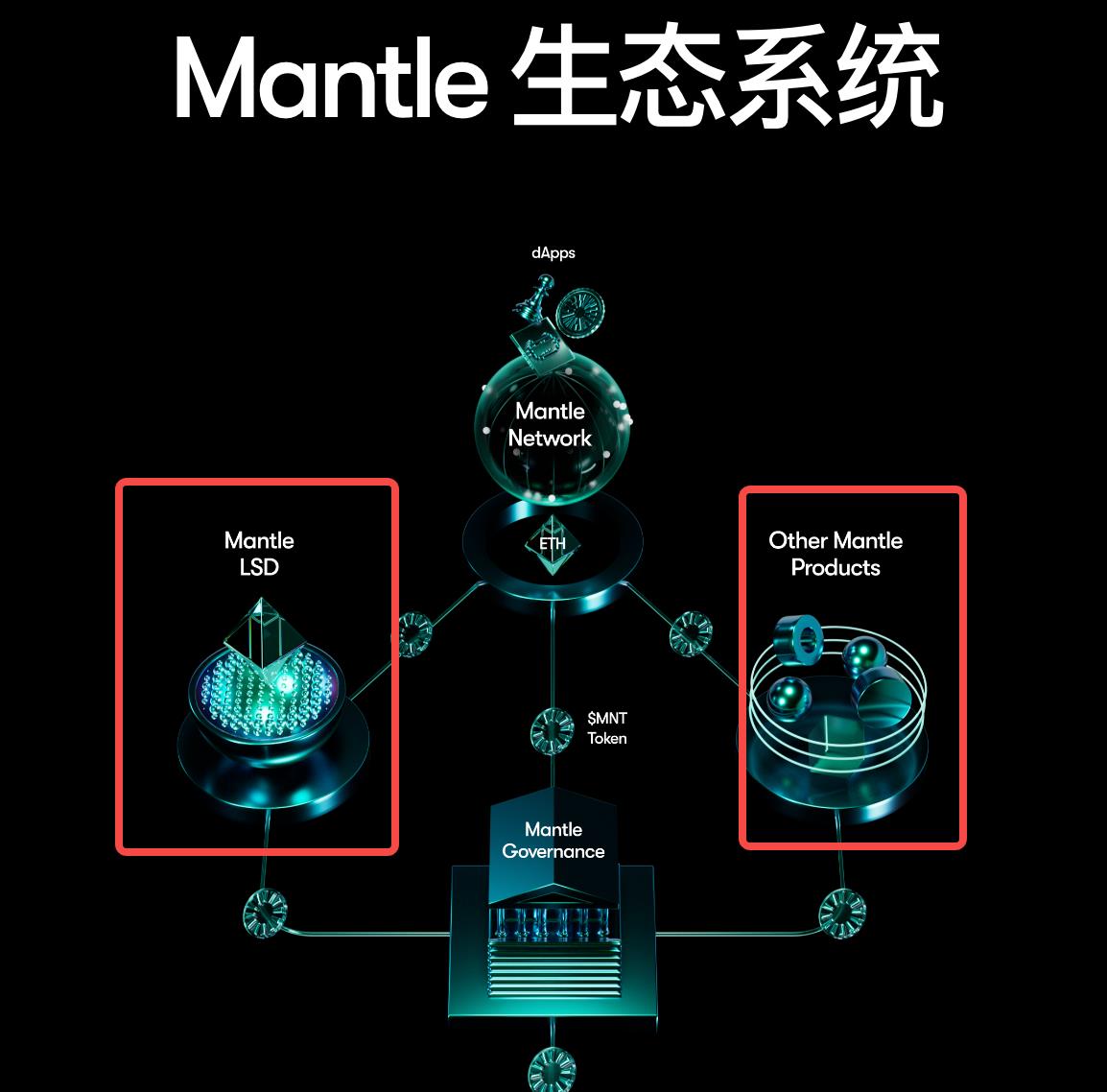
Moreover, both internal and external actions reflect proactive positioning in the LSD sector. Forum proposals show Mantle initiated and approved launching its own LSD protocol.
This proposal allows users—including Mantle Governance—to deposit ETH into the protocol and receive mntETH, a yield-bearing receipt token. This implies Mantle isn't just building the L2 base layer but actively constructing its own LSD protocol, with rules, design, and yield mechanisms similar to familiar ones like stETH.
However, regarding protocol launch, Mantle enjoys smoother sailing. Mantle Governance (treasury), institutions, and partners have collectively injected 270,000 ETH as initial funding for its LSD protocol. This scale places Mantle’s LSD protocol among the top three globally in terms of staked ETH volume.
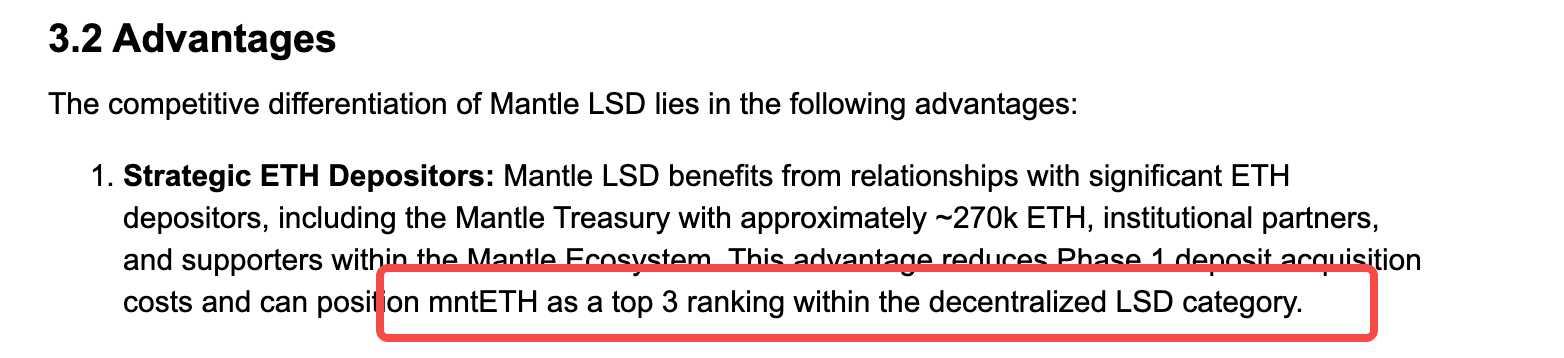
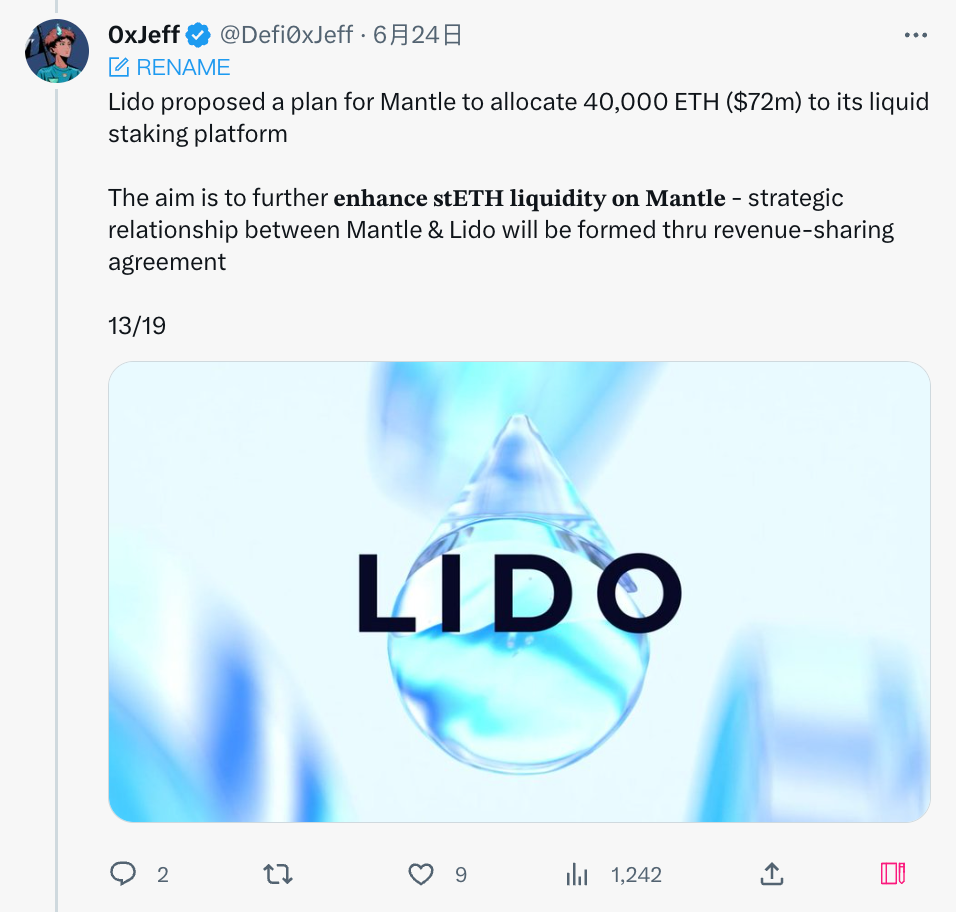
Externally, Mantle is also making active progress. Lido has passed a proposal to allocate 40,000 ETH to its liquid staking platform, meaning increased stETH liquidity on Mantle. Both parties establish a strategic relationship through a revenue-sharing agreement.
Such aggressive LSD positioning offers Mantle a major benefit: revitalizing its own ecosystem while establishing competitive advantage.
First, the mnETH token from the LSD protocol can be integrated into other projects within the Mantle ecosystem. By enabling mnETH staking/lending in other apps, it activates ecosystem projects and attracts yield-seeking users.
Second, LSD is a proven and relatively stable sector, leaning toward resource intensity (where ETH staking volume is key).
Mantle’s resource strengths can thus be maximized, allowing it to rapidly identify comparative advantages against other L2s. While technological superiority might not manifest immediately, resource dominance enables quick positioning and brand recognition—crucial in today’s hyper-competitive L2 landscape.
Similarly, if choosing the LSD track stems from valuing steady returns from Ethereum staking, then RWA represents an expansion into real-world asset yields.
On September 12, Mantle Governance internally passed MIP-26, allocating $60 million to develop Seed—a yield-generating stablecoin backed by RWA.

Externally, it has partnered with renowned RWA protocol Ondo Finance to bring USDY—a yield-generating stablecoin—into the Mantle ecosystem. Compared to building its own yield-bearing stablecoin, a more efficient approach is injecting USDY liquidity directly into its DEX ecosystem, allowing users to access USDY and earn yield without going through Ondo. This offers stronger short-term appeal for user acquisition.
In both LSD and RWA, we see a recurring pattern: a dual strategy of “building in-house” and “bringing in externally.” The former emphasizes long-term development, while the latter focuses on short-term leverage.
Ultimately, the goal is to position Mantle as the go-to L2 for accessing stable yields. Additionally, we’ve observed Mantle’s efforts in other directions—for instance, integrating Game7 DAO under BitDAO for Web3 gaming incubation and acceleration—making cross-chain gaming and similar areas even more promising.
Long-Term User Engagement Through Incentives
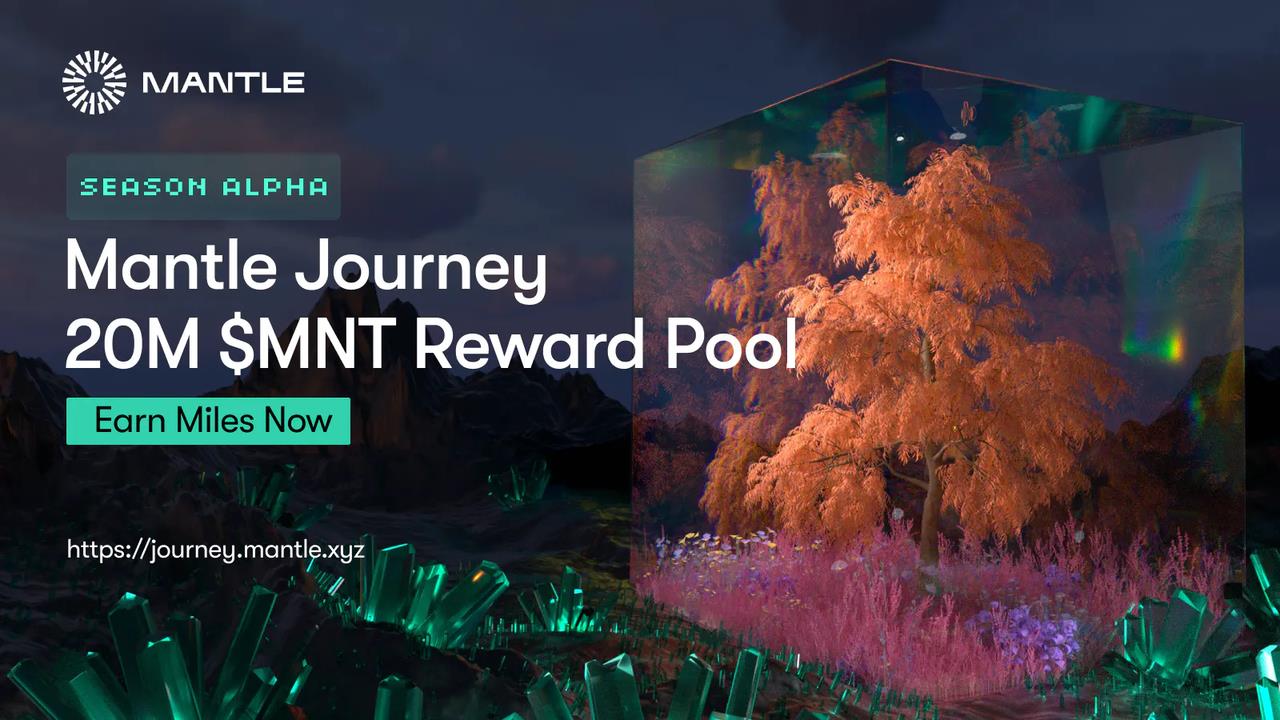
In direct marketing activities, Mantle Network previously launched Mantle Journey Alpha Season, encouraging users to complete interaction tasks to earn MJ points redeemable for MNT and related NFT rewards.
After the Alpha season concludes, more seasons and themed tasks are expected, continuously engaging users in varied formats.
For example, Mantle recently announced its first native NFT series, Mantle Citizen, with minting dates yet to be confirmed. Judging by the name, “Citizen” signifies recognition of NFT holders’ identities, emphasizing long-term participation and integration into the Mantle ecosystem:
Visually, every milestone earned in the Mantle ecosystem causes the holder’s NFT character to grow, unlocking accessories;
In terms of potential rewards, although not explicitly stated, the limited mint nature of these NFTs raises expectations for greater airdrops and benefits.

Moreover, the NFT design was created in collaboration with internationally renowned visual artist Chen Man. Overall, the Citizen NFT series—from creation and utility to influence-building—demonstrates Mantle’s determination and confidence in acquiring long-term users.
Outlook
Although L2 competition won’t cease due to Mantle Network’s emergence—and Mantle itself may not ultimately prove the optimal L2 solution—it showcases commendable breakthroughs and experiments in both technology and ecosystem design. It also provides valuable reference models for other L2 developments and market participants.
In summary, Mantle Network’s current advantages lie in:
-
Late-mover and Resource Advantages: Learning from existing L2 strategies while leveraging strong capital and ecosystem resources to scale rapidly;
-
Ecosystem Differentiation: Both LSD and RWA are yield-close, relatively stable sectors. Where there is yield, there is heat; where there is heat, there is usage intent and liquidity inflow. Identifying key ecosystem levers is essential amid fierce competition.
At the same time, Mantle Network faces challenges—currently, its sequencer and TSS nodes remain centralized, and how decentralization will eventually be executed remains to be seen. Also, its modular design is not a unique moat, as components like EigenDA can also be adopted by other L2s.
Nonetheless, for users, when a new project emerges, participation outweighs skepticism.
With mature L2s offering limited room for involvement, paying attention to rising stars like Mantle and seeking yield and opportunities during their growth phase—performing cost-effective interactions and actions—is a solid choice. For projects, Mantle’s incentive programs present nearly irresistible conditions.
During bear markets with tight liquidity, incentives can be lifesaving for projects, supporting continued development despite adverse conditions. Often, ecosystems and L2s mutually reinforce each other. On an L2 with less internal competition, boosted by multiple incentives and collaborations, the likelihood of nurturing top-tier projects increases.
Perhaps the L2 race is far from over. As every player brings their best resources to fight for unique market positioning and user perception, the real show is only just beginning.
Join TechFlow official community to stay tuned
Telegram:https://t.me/TechFlowDaily
X (Twitter):https://x.com/TechFlowPost
X (Twitter) EN:https://x.com/BlockFlow_News
 深潮TechFlow






