NFT Ticketing: Adoption Overview Among Traditional Companies and New Entrants in the Entertainment Industry
TechFlow Selected TechFlow Selected
NFT Ticketing: Adoption Overview Among Traditional Companies and New Entrants in the Entertainment Industry
NFT ticketing startups bring bold and innovative approaches that challenge the anti-competitive nature of traditional methods.
 Navigating Web3 tides with focused insights
Author: Renato Martinez, GCR Research
Compiled by: TechFlow
According to forecasts from the Events Industry Council in collaboration with Oxford Economics, ticketing industry revenue is projected to surpass $1.6 trillion by 2028, marking it as a high-margin sector. However, it faces significant unresolved challenges. Despite continuous events and incremental system improvements, existing platforms have still failed to fully eliminate inefficiencies affecting consumers and organizers worldwide.
First, according to SeatGeek, the U.S. secondary market sales volume reached $12 billion—nearly 20% of total ticket sales. In this market, neither ticketing companies nor producers benefit financially from these transactions. Additionally, it’s estimated that roughly one in five ticket buyers acts as a reseller.
On another front, reports from CNBC and Aventus indicate that at least one in ten tickets purchased for events in the U.S. is counterfeit. Last year, over 10,000 people were defrauded at Bad Bunny concerts in Peru, while numerous scams occurred during recent Taylor Swift concerts in Mexico, causing harm to users and consumers alike.
However, emerging technologies such as blockchain are now appearing for the first time with the potential to revolutionize the industry, creating benefits for all stakeholders: ticketing firms, event organizers, artists, and fans.
Advantages of Blockchain and NFTs
NFTs are tokens representing unique digital assets, enabling us to tokenize both digital and physical assets—such as artworks, collectibles, or even real estate. Stored on blockchain networks, they serve as verifiable proof of authenticity and ownership. Furthermore, an NFT can only have one official owner at any given time and cannot be altered or forged.
NFT tickets are digital assets stored on blockchains, significantly reducing risks of loss, theft, or damage. Moreover, NFT tickets allow transparent transaction tracking with full visibility into real-time movement history. This revolutionary feature grants organizers unprecedented control over primary and secondary sales. The traceability also provides essential insights for implementing various relevant programs.
Likewise, thanks to smart contracts, event organizers and artists can set customizable conditions tailored to their needs, enabling richer business models. These include aesthetic customization, quantity limits, verification methods, and different sales approaches (e.g., auctions or fixed pricing).

They can also establish specific royalty distribution rules for secondary markets—for example, automatically paying royalties each time a ticket is resold, thereby creating new post-sale revenue streams for creators and fans. Additionally, this method can help curb excessive resale by invalidating tickets or imposing price caps on secondary markets.
These mechanisms persist even after events conclude, enhancing data visibility and enabling future actions throughout the lifecycle—including attendance tracking, loyalty rewards, dynamic pricing for future events, and resale monitoring.

Key Players: From Traditional Ticketing Companies to Web3-Native Organizations
a) Traditional Players
-
Ticketmaster: Currently the leader in U.S. ticket sales, holding over 70% market share and serving more than 113.6 million monthly active users. It stands out as a prominent example of how NFTs are gradually transforming large-scale ticketing. Ticketmaster has participated in prior events with Avenged Sevenfold, launched its first web3-supported tour with Binance and The Weeknd, and collaborated with the NFL on other initiatives including commemorative tickets.
Its partnership with Dapper Labs enables event organizers and artists to issue NFT tickets before, during, and after live events. At the time of writing, over 5 million non-fungible tokens have been minted on the Flow blockchain. Ticketmaster has issued 700,000 NFTs to attendees of Super Bowl LVI, permanently recording each holder’s unique seat number. In other cases, Ticketmaster’s NFTs have unlocked post-event rewards and VIP perks for fans.
-
SI Tickets: Sports Illustrated's ticketing division, SI Tickets, launched its "Box Office" platform on May 2, 2022. Since 2021, SI Tickets has sold over 50 million tickets across more than 250,000 events. Box Office is a self-service event management and ticketing system operating on the Polygon blockchain in collaboration with ConsenSys. It allows organizers to use NFT technology to deliver highlights, memories, exclusive offers, and loyalty benefits to attendees.
-
TIXR: This Santa Monica-based ticketing app was founded specifically to modernize outdated ticketing platforms. The company aims to attract users by offering access to exclusive events not listed on Ticketmaster.
TIXR has participated in events such as NFT Arizona and Aku World, the latter created by former MLB player and artist Micah Johnson. Additionally, they are investing in the NFT space to enrich user experiences, focusing on integrating these digital assets into the metaverse.
b) New Entrants
-
YellowHeart | Headquarters: New York, USA | Funding: $7 million | Funding Date: April 2022
YellowHeart is arguably the leading NFT ticket marketplace for top music celebrities and branded events. Its business model focuses on resale royalties. It also features its own wallet and emphasizes combining NFTs with physical items. The company has provided NFT ticketing services for several notable artists, including Kings of Leon and Maroon 5.

-
Bam.Fan | Headquarters: Vienna, Austria | Funding: $2.1 million | Funding Date: November 2021
Bam offers either a comprehensive white-label ticketing and event management system or a simplified API-driven NFT-as-a-Service (NFTaaS) model, allowing users to sell tickets directly on their websites with customizable designs. This is an ideal solution for brands seeking a specific look and feel.
-
Get Protocol | Headquarters: Amsterdam, Netherlands | Funding: $4.5 million | Funding Date: July 2023
This is a decentralized finance solution for events, regaining momentum within the ecosystem by issuing over 4 million blockchain-based tickets for renowned artists. In its most recent funding round, it attracted participation from prominent investors such as Flow Ventures, Animoca Brands, Tezos Foundation, and individuals like Sebastien Borget, co-founder of The Sandbox.
-
TravelX | Headquarters: Miami, Florida, USA | Funding: $10 million | Funding Date: March 2022
Argentine low-cost airline Flybondi has expanded its partnership with NFT flight ticketing company TravelX to launch the “Version 3 ticket.” This innovation allows passengers to independently change names, transfer, or sell their “NFT tickets,” adding flexibility to travel experiences. Customers can purchase tickets without committing to travel plans or passenger details upfront. This reduces customer service costs and generates revenue through transaction fees. Additionally, Flybondi has embedded a 2% royalty into the NFT smart contract to ensure fees are collected on secondary market resales.
Other players are also emerging globally in this space, such as NFT TiX (New Jersey), SeatlabNFT (London), Relic Tickets (Florida), among others.
c) Emerging Markets
-
Toket (Buenos Aires, Argentina): Toket provides developers with user-friendly tools to seamlessly issue and manage NFTs on EVM-compatible blockchains. Its API simplifies NFT creation across diverse domains including art, music, physical assets, and ticketing. Through a single API call or custom contract deployment, Toket facilitates generating NFT tickets for events, ensuring secure and traceable entry management.
-
MentaTickets (Buenos Aires, Argentina): Menta operates as infrastructure for ticketing management, serving entertainment ticketing platforms. It enables these platforms to enhance ticket sales and resale through full traceability of inventory and control over distribution. Menta’s solutions are customized for each enterprise to ensure optimal performance.
-
Fanz (Buenos Aires, Argentina): Fanz enhances security, authenticity, and transferability for tickets, improving the experience for both event organizers and attendees. The Fanz application includes a dedicated dashboard designed for event organizers, empowering them with efficient management of attendee databases.
Growing Adoption
NFTs are being adopted across various global events:
-
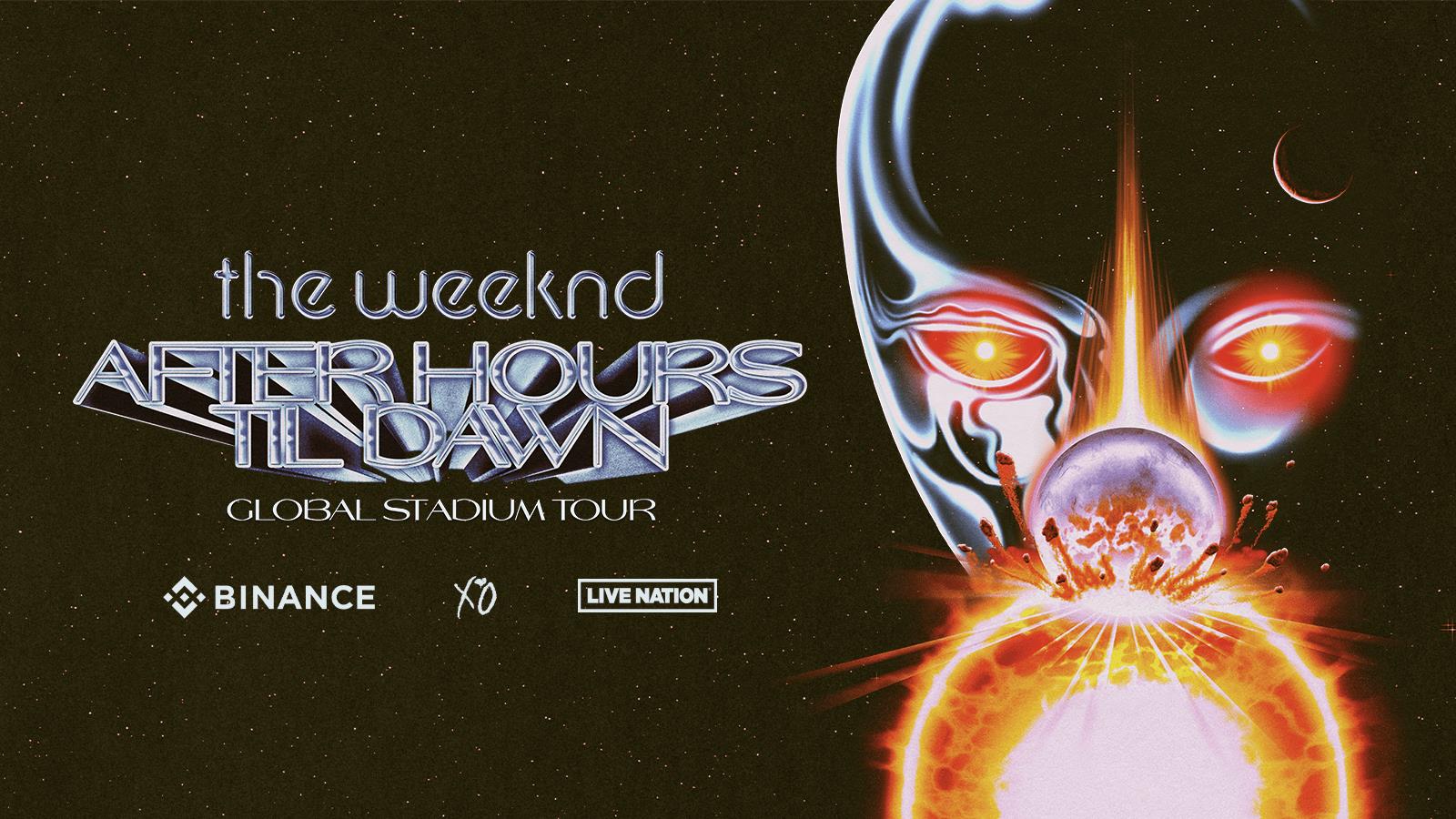
Binance and The Weeknd, via Ticketmaster, set a milestone with a web3-supported tour featuring collectible NFTs.
-
Coachella created its own NFT marketplace, selling 10 lifetime passes for a staggering $1.5 million, with one individual ticket fetching over $250,000.

-
Coinbase sold NFTs with VIP access for the Governors Ball Festival.
-
SXSW sold collectible NFTs granting access to exclusive events.
-
Wimbledon sold an NFT commemorating Andy Murray’s 2013 victory, bundled with a VIP experience.
-
The NFL and Ticketmaster issued 70,000 digital commemorative tickets for Super Bowl LVI.
-
The Olympics partnered with Afterparty to host an NFT art and music festival in Las Vegas.

Conclusion
We are at an exciting stage in the evolution of ticket issuance. NFT ticket startups bring bold and innovative approaches, challenging the anti-competitive nature of traditional methods. While there is still no clear leader in NFT ticketing, Ticketmaster holds a strong position due to its robust entertainment infrastructure. The utility, security, and advantages of NFTs as tickets are undeniable, offering tangible benefits for established brands.
Join TechFlow official community to stay tuned
Telegram:https://t.me/TechFlowDaily
X (Twitter):https://x.com/TechFlowPost
X (Twitter) EN:https://x.com/BlockFlow_News
 @Globalcoinrsrch