








RWA: The Foundation Driving the Next Crypto Bull Market
TechFlow Selected TechFlow Selected
RWA: The Foundation Driving the Next Crypto Bull Market
RWA tokenization could become the new hope for the crypto industry.
 Navigating Web3 tides with focused insights
Since the beginning of the bear market, the term real-world assets (RWAs) has become increasingly common. RWAs span a broad range—from tokenization of physical assets to traditional financial instruments (TradFi), and even ESG-related assets. When intertwined with blockchain technology, traditional real-world assets can bring numerous benefits such as improved efficiency, enhanced transparency, optimized liquidity management, and ultimately contribute to inclusive societal development. By integrating RWAs into the cryptocurrency space, centralized finance will become more diversified.
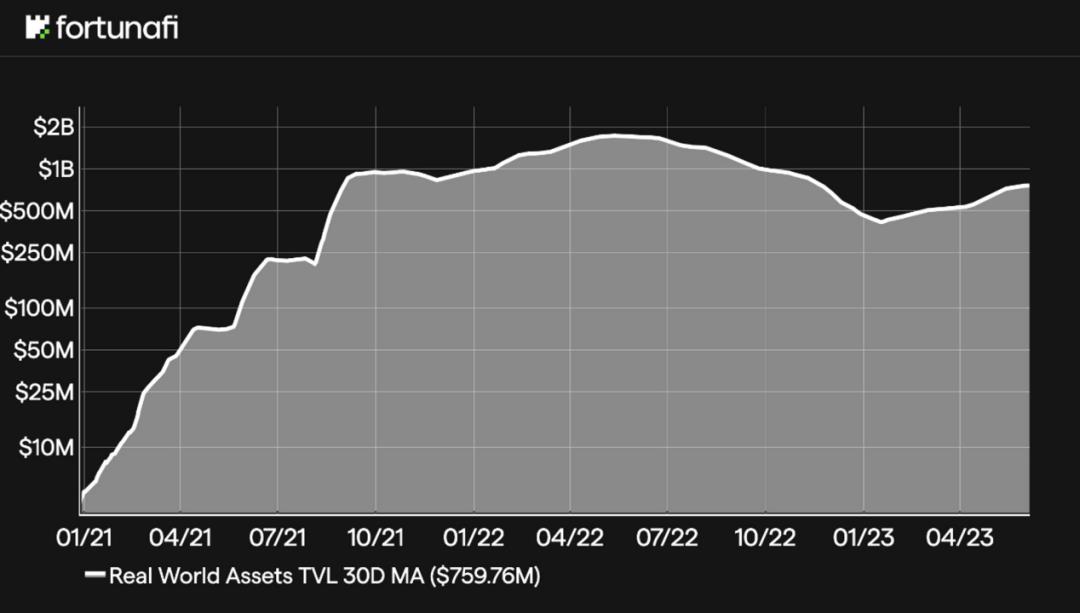
Total Value Locked (TVL) in RWAs rebounds to $750 million, reaching a seven-month high (Source: fortunafi)
By combining tokenization with the crypto ecosystem, RWAs leverage the advantages of blockchain to innovate upon traditional financial tools (TradFi), including credit lending, revenue-based financing, corporate loans, mortgage loans, and other asset types. Compared to the 2022 market crash seen in DeFi or NFTs, demand for RWA tokenization products has become significantly stronger.
Although tokenization is not a new concept, the path toward RWA tokenization has seen steady growth, offering people channels to use cryptocurrencies within familiar contexts. One of the most successful cases of RWA tokenization is stablecoins—currently a $127 billion market. Stablecoin innovation brings stability, helping counteract crypto volatility while preserving capital management efficiency—but in the form of digital dollars.
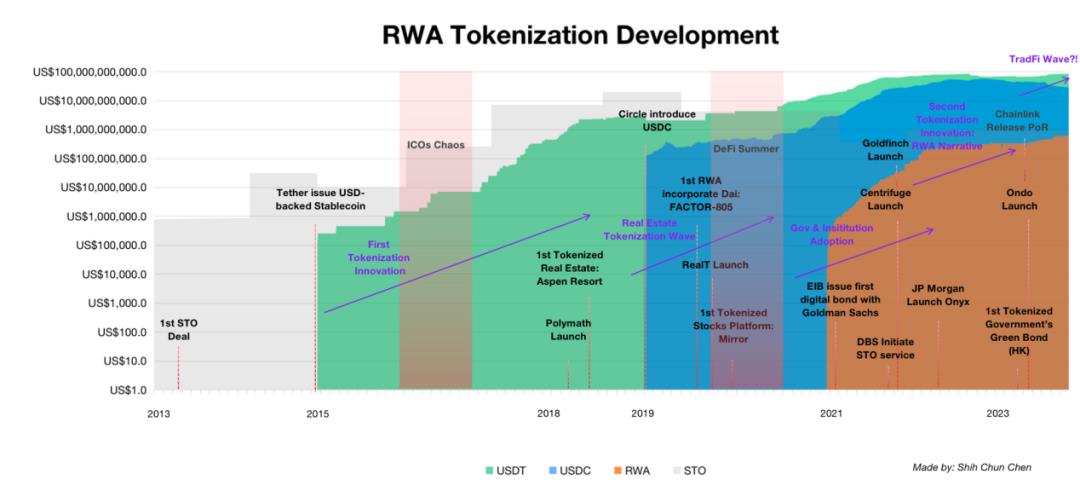
Beyond stablecoins, tokenization of real estate and traditional financial instruments (TradFi) represents a massive market. This vast market has attracted many participants—including startups, governments, and financial institutions—all exploring opportunities in real estate and TradFi tokenization. Tokenization enables greater flexibility in transaction scale, timing, and processes for real estate or traditional financial instruments. Furthermore, native blockchain features such as programmability, immutability, and composability will establish new paradigms for RWA tokenization.
Looking back at the history of RWA tokenization, we see that when ICOs became chaotic, security token offerings (STOs) emerged; when DeFi and Layer1 platforms became more accessible to the public, tokens-as-medium enabled broader investor access to fractional ownership and yields. Moreover, when DeFi陷入了niche markets due to weak scalability and high entry costs, we could instead gain traditional financial returns through tokenized short-term treasury bills or RWA-backed mortgages. Therefore, although RWA is still in its early stages, its value to the crypto ecosystem is already evident.
Exploring Cutting-Edge RWA Applications
RWA tokenization goes beyond merely bringing hard assets and traditional financial operations on-chain—it opens up many more frontiers for exploration. For example, MakerDAO is expanding its use of RWAs, diversifying cash flows and helping financial institutions leverage the high capital efficiency of on-chain systems to unlock liquidity. This marks a breakthrough milestone in enabling new scenarios for RWA tokenization.
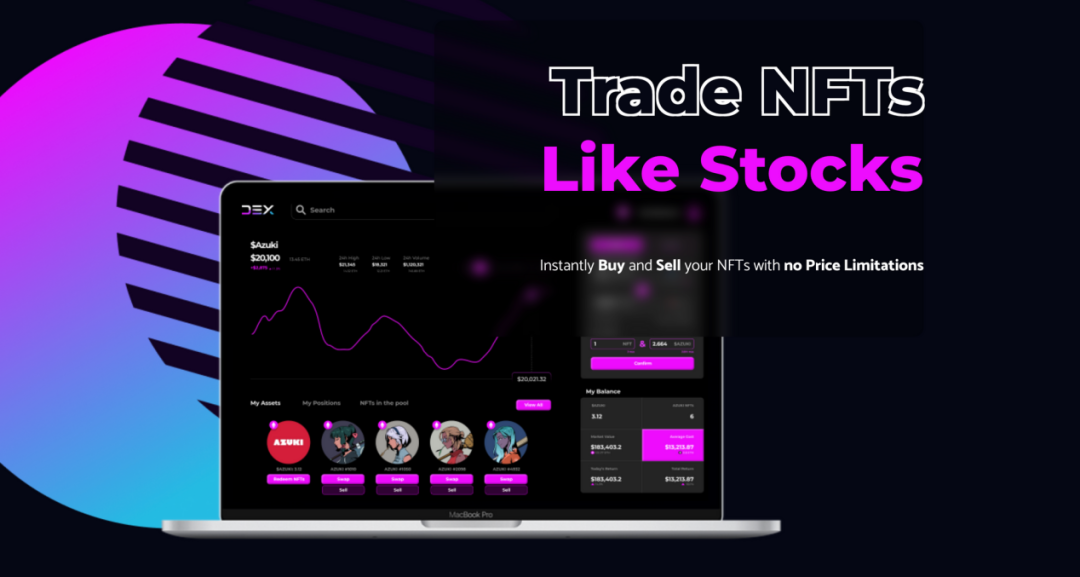
Another representative case is ProsperEx, a derivatives DEX and an early use case in the RWA space. The platform retains the inherent structure of a derivatives DEX, supporting major derivative trading models such as on-chain perpetual contracts and on-chain options, while also introducing RWA assets like stocks and bonds as tradable underlying assets—and further enabling their use in derivative products.
ProsperEx offers unique opportunities and market efficiencies for derivatives traders. Fully built on-chain and supporting both pool-based and order-book (P2P) trading models, along with zero-knowledge proof technology, it provides non-custodial, private services to all traders—an inherent advantage. It also possesses extensibility for additional functionalities, such as supporting broader asset types beyond FTs, including NFTs. ProsperEx is poised to serve as an early reference model for DEX development in the RWA domain.
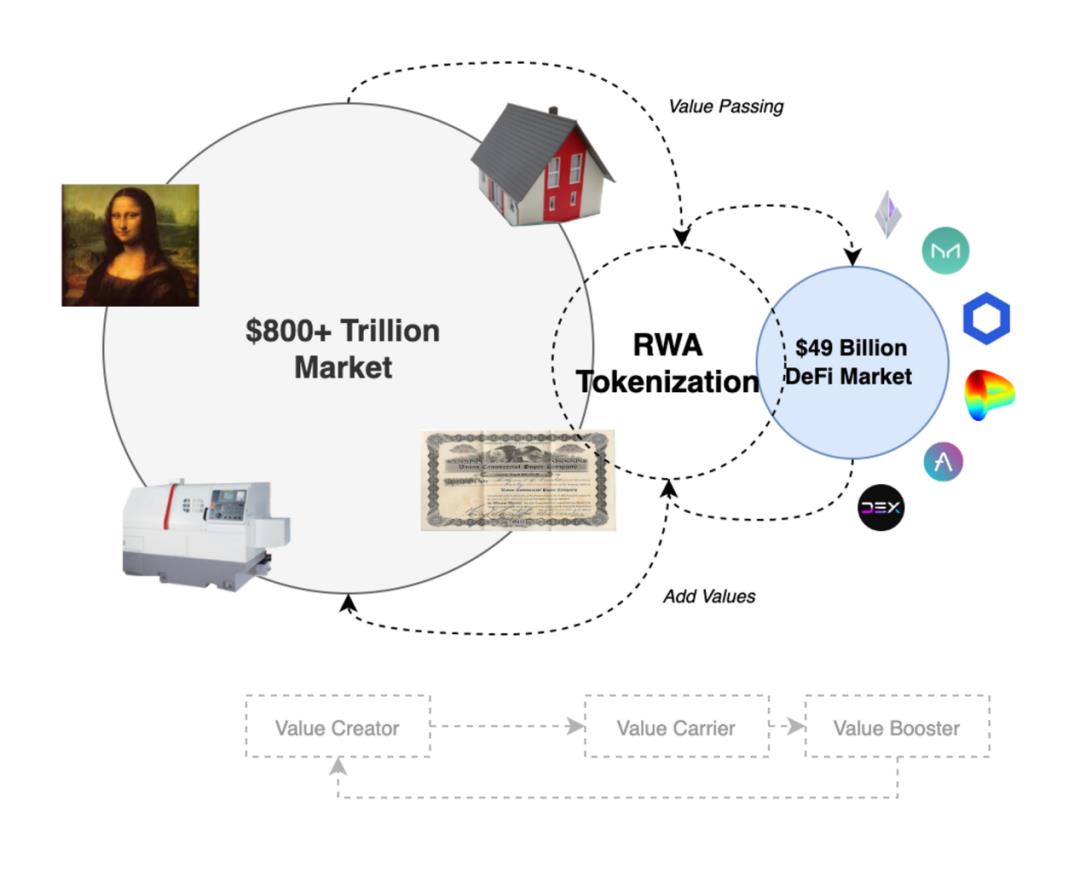
RWA tokenization creates channels for communication and interaction between DeFi and traditional finance, meeting diverse use cases. The market cap of RWAs vastly exceeds that of the crypto market, making RWA tokenization a powerful catalyst redirecting liquidity into crypto and countering the weaknesses of decentralized economies. Using RWAs as collateral is a popular concept in tokenization—asset originators can use tokenized RWAs to borrow capital within DeFi. Additionally, users can transfer ownership or related rights of underlying assets via tokenization. In this application, on-chain value creation and liquidity unlocking fully demonstrate the potential of RWA tokenization.
As we’ve seen in the crypto market, RWAs possess infinite potential and can become essential tools for unlocking value and enhancing ecosystem sustainability. InVar Finance has taken the first step by developing a trust-minimized tokenization model, exploring maximum flexibility for tokenized RWAs and bridging Web2 solutions. Built on ERC-3525, InVar Finance’s trust-minimized tokenization model overcomes limitations of ERC-721 and ERC-1155 solutions while adding extra investment flexibility for users.
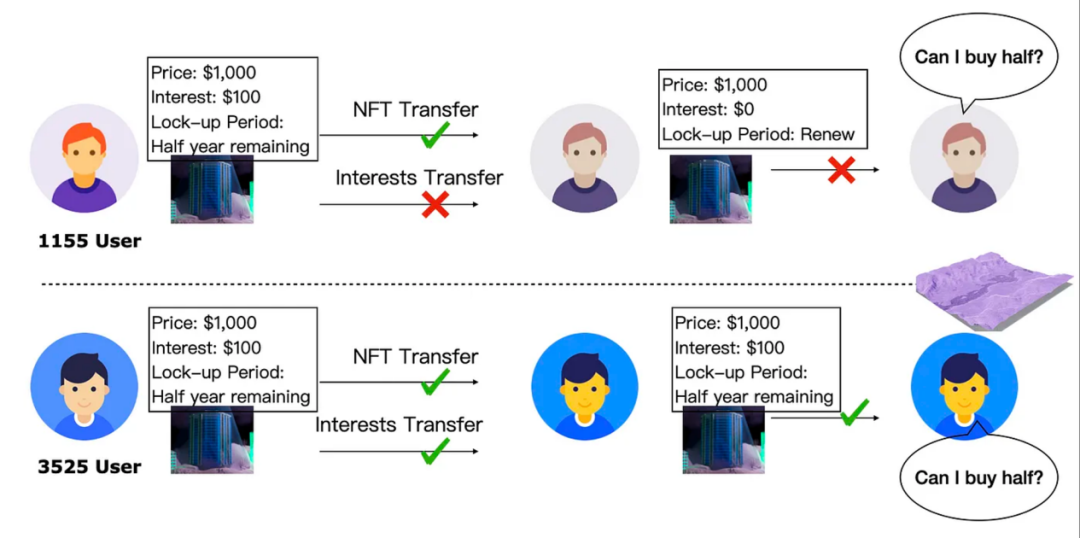
ERC-1155 vs. ERC-3525
Imagine if everyone in the world could invest $100 in real estate, have discretionary control over RWA NFTs, and freely trade them on DEXs like ProsperEx without worrying about security. This is precisely the huge advantage RWA NFTs hold over traditional investments. Greater data capacity and high visualizability make NFTs the ideal medium for representing RWAs on-chain. Therefore, DeFi and NFT infrastructure are critically important for expanding new applications of RWA NFTs.
D3X, a new decentralized NFT exchange, aims to deliver ultimate liquidity for NFTs through a full suite of trading infrastructure. Regardless, improving liquidity remains an essential mission for NFTs. By supporting NFT projects through customizable liquidity pools on an integrated platform—including NFT AMMs, incentive distributions, and NFT launches—D3X provides an immediate channel for trading RWAs, allowing new users to maintain exposure to RWA risks while gaining associated benefits, including token rewards from D3X.
RWAs: Overcoming Challenges and Moving Forward
Despite their limitless potential, RWA tokenization efforts must overcome a series of current challenges.
A major issue with RWA tokenization lies in executing and coordinating on-chain and off-chain processes. Unlike DeFi lending protocols, where liquidations are fully automated and code-governed, liquidation of RWA collateral must—at least partially—be handled off-chain, typically through legal systems. This introduces complexity for debtors and exposes RWA-backed protocols to legal disputes.
Moreover, valuation and liquidity of tokenized RWAs may be influenced by market dynamics and investor sentiment, which do not always correlate directly with the intrinsic value or performance of the underlying assets. This introduces volatility and uncertainty distinct from—or even greater than—that of traditional assets.
Additionally, legal and regulatory frameworks governing RWA tokenization may not seamlessly integrate with the digital realm. The market must address issues relating to jurisdiction, property rights, and enforceability to protect tokenized assets and ensure their legitimacy.
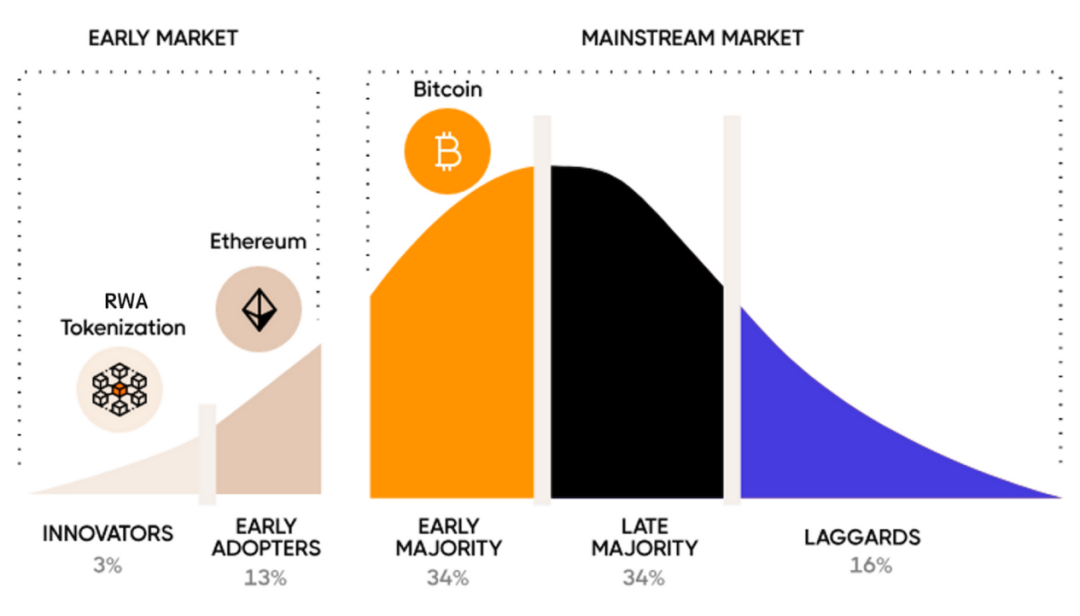
The potential of real-world assets (RWAs) lies in emerging nations across Asia, Africa, and Latin America.
Marlboro, a researcher at 3WW3 (Asia-Africa-Latin America Web3 Research Institute), believes the world is currently in a phase lacking clear investment targets. As tensions between China and the U.S. escalate, many ordinary investors hope to invest in emerging market countries. However, due to high entry barriers, lack of effective channels, and foreign exchange controls, this aspiration often proves difficult to realize.
Currently, stock and real estate markets in emerging countries such as Vietnam, Indonesia, and India are gaining increasing investor interest. Rapid economic growth and vast market potential in these regions offer substantial returns for multinational capital investors. Yet, due to the absence of direct investment channels, average investors cannot directly benefit.
Blockchain can enable RWA tokenization and bring these assets into global investment markets, enriching the range of investment options in the crypto world. This allows more non-native crypto users to participate in crypto trading, thereby bringing new users and capital into Web3 and mitigating the overall bull-bear cycle driven by Bitcoin’s four-year halving pattern.
In summary, the scope of RWAs has expanded unprecedentedly. At its core, RWA tokenization surpasses traditional financial instruments by improving liquidity, cost-efficiency, transparency, and more. Although the path forward for RWA tokenization is rugged and complex, many practitioners continue relentless efforts toward the goal of making RWA tokenization universally beneficial to society.
Backed by value outside of cryptocurrency, RWAs allow novel forms of collateral to enter DeFi. Users can easily gain on-chain exposure to traditional financial instruments like real estate or short-term treasury bills using crypto, earning yields generated beyond blockchain—or hybrid returns. However, differences between crypto and fiat currencies present certain challenges. If these can be overcome, the prosperity of RWAs will inevitably arrive.
Overall, due to their inherent diversity and solid value foundation, RWA tokenization can become a new hope for the crypto industry. Beyond technology, educating the market with meaningful, verifiable evidence demonstrating the value of RWA tokenization is crucial. Simultaneously, regulation, technology, tools, and consumer behavior must evolve together to keep pace with RWA tokenization.
Join TechFlow official community to stay tuned
Telegram:https://t.me/TechFlowDaily
X (Twitter):https://x.com/TechFlowPost
X (Twitter) EN:https://x.com/BlockFlow_News
 @Research3ww3






