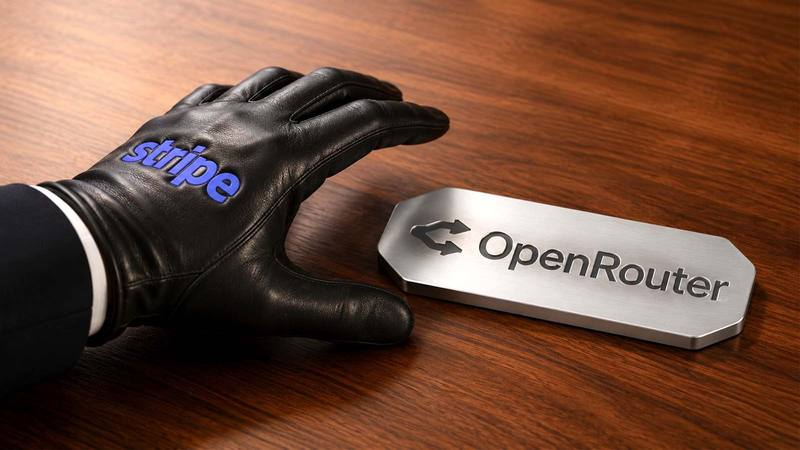
Competition breeds contempt: The love and hate among ZK-EVMs
TechFlow Selected TechFlow Selected
Competition breeds contempt: The love and hate among ZK-EVMs
Several projects working on zk-EVMs all hope to advance together and grow the scaling赛道, while secretly competing behind the scenes, each wishing to be the one and only winner.
 Navigating Web3 tides with focused insights
In the crypto world, claiming you can solve a problem is often worth a fortune. And if you claim to solve Ethereum's problems, your project could be valued in the billions.
Faced with Ethereum’s biggest current challenge—performance and scalability—zkEVM is indeed a viable solution:
By migrating the Ethereum Virtual Machine into zk-Rollups, it enables better scalability, lower gas fees, improved privacy, and resolves performance bottlenecks.
But how to solve it, and who will solve it, remains undecided.
Thus we see various highly-valued zkEVM projects pursuing different technical approaches, such as Polygon, ZKSync, Scroll, and Starknet.
And precisely because there is no consensus, debates inevitably arise.
Two weeks ago, Polygon Zero accused ZKSync of copying its public code, while ZKSync countered that it only referenced small portions and properly attributed them. ZKSync also shot back by accusing Polygon of lacking open-source spirit.
As a flashpoint event, this briefly ignited online gossip, with netizens creating memes, media outlets dissecting details, and prominent influencers joining the commentary...
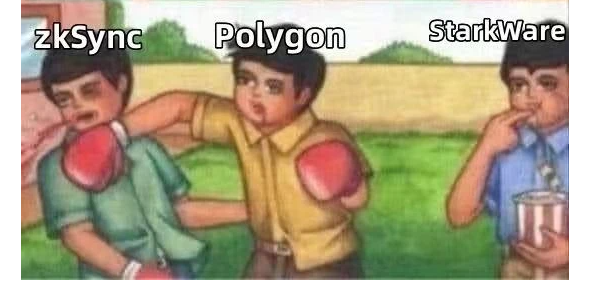
Now, however, the controversy has largely cooled down, and all parties seem to have calmly returned to their "Build" phase. Yet this isn't the first time these zk-EVM projects have clashed publicly on Twitter.
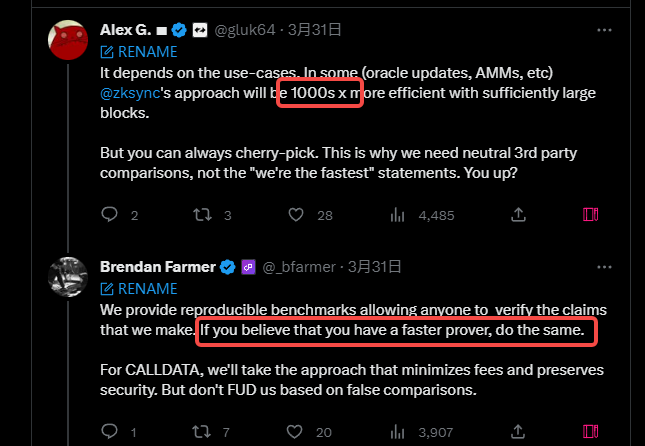
Back in March, Brendan, co-founder of Polygon Zero, publicly sparred with Alex, co-founder of Matter Labs behind zkSync, over zkSync’s efficiency. Alex claimed zkSync would improve efficiency by 1000x, to which Brendan responded: “Talk is cheap—we usually go by actual published benchmarks. Please do the same.”
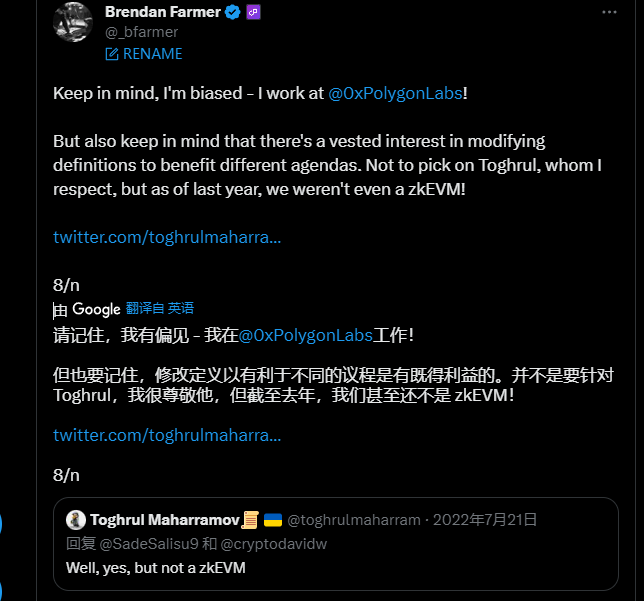
Meanwhile, Brendan also dug up a 2022 comment from Scroll researcher Toghrul Maharramov, who had stated that Polygon’s rollup was “not zkEVM.”
There’s clearly some “if you ever said anything bad about me, I’ll keep a little notebook” energy here.
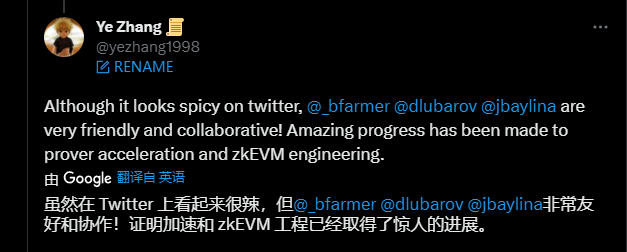
Ye Zhang, co-founder of Scroll, replied to the debate thread, showcasing an Eastern philosophy of harmony: “We’re all building zk-EVMs—let’s stay amicable and progress together.”
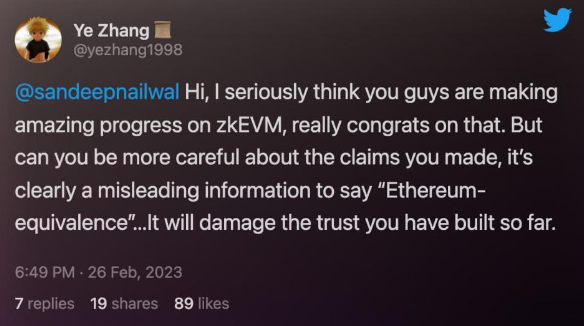
But let’s not forget that back in February, when Polygon released a poster announcing the upcoming mainnet launch of its zk-EVM, Ye Zhang sharply pointed out the incorrect use of the term “Ethereum-equivalence” in their marketing material, arguing that Polygon zkEVM does not possess this characteristic… If a fellow builder uses imprecise language, we must correct them.
Beyond the drama and public spats, debating who’s right or wrong on the surface doesn’t really matter. What’s more important is understanding the underlying interests and strategic positioning:
These zk-EVM projects are actually filled with rivalry and tension. They all want to grow the scaling space together, attracting more capital and attention; yet privately, each hopes to become the one and only — the preferred zkEVM solution favored by Vitalik and the Ethereum community.
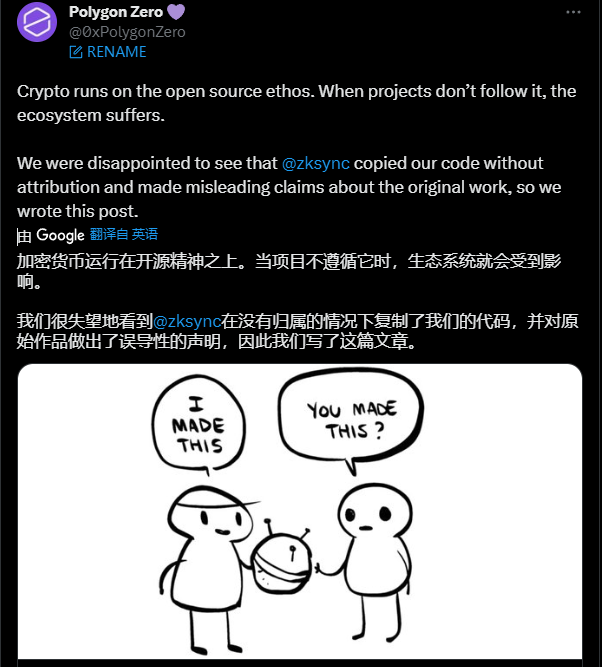
In the recent code-copying controversy, Polygon’s original post stated: “Cryptocurrency runs on open-source principles. When projects don’t follow them, the ecosystem suffers.”
But let’s flip the script: if Polygon’s zkEVM were already widely recognized as the dominant solution and widely adopted, then even if ZKSync copied more code, it might not matter—and perhaps wouldn’t warrant a public rebuttal at all.
It’s precisely because these projects are currently more or less evenly matched that even minor provocations become intolerable.
Moreover, it’s crucial to note that the attention of crypto users and developers is extremely limited. Whoever establishes legitimacy first gains a significant advantage. Even if someone else forks 100% of the code later, they’ll still just be labeled a “clone.”
Many things aren’t about technical superiority—they’re about fighting for “uniqueness,” especially when it comes to claiming “the best optimization solution for Ethereum.”
If Vitalik Says It’s Good, Then It Is Good?
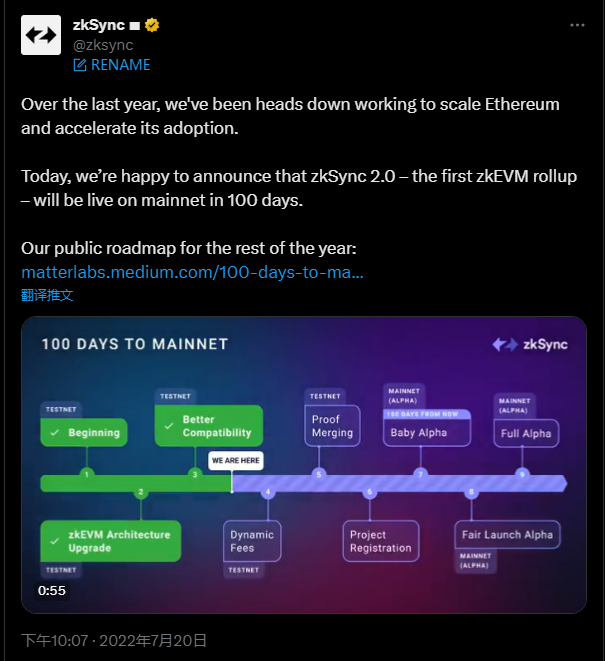
Aside from Starknet, zkSync, Polygon Hermez/zkEVM, and Scroll all announced at ETH CC 2022 that their zkEVMs would go live on mainnet.
With so many announcements tackling similar problems, how should users decide?
Believe me, most people don’t fully understand what terms like SNARK, STARK, Rollup, circuit, equivalence, compatibility, and zero-knowledge actually mean.
The nuances and differences between technical solutions aren’t topics the broader user base needs—or wants—to deeply understand. But whether a technical solution *appears* solid can significantly impact a project’s valuation, token price, trading volume, and speculative expectations.
Likewise, the perception of a strong technical foundation greatly influences developers’ and projects’ willingness to adopt the technology.
So for a technical solution like zkEVM, assuming options include Polygon, ZKSync, Scroll, and Starknet, how can you quickly identify which one is the “seemingly good” option?
Due to technical barriers and knowledge gaps, it’s hard to quickly assess which is better without significant effort. But rather than investing heavily in research yourself, there’s a far more direct and efficient shortcut:
If Vitalik says it’s good, then it’s good.
This isn’t blind hero worship or subjectivism—it’s more like a cost-effective way to evaluate options in a landscape where problems are homogenous and solutions are diverse.
Since zkEVM aims to solve Ethereum’s scalability issues and relates directly to the Ethereum Virtual Machine, who better than Vitalik to understand the pain points? Who better to judge the effectiveness of a solution?
A single statement from a key figure can create massive waves in this relatively small market—like Vitalik’s past mention of “THE,” or Musk’s Doge tweets. Of course, this is different from pure meme culture, but elite endorsement is crucial for a project’s growth.
Though rarely spoken aloud, this unspoken consensus is clearly understood by all involved projects.
For example, Starknet secured Vitalik as an investor during its seed round back in January 2018. Meanwhile, different zkEVM projects analyzing their technical paths all reference Vitalik’s framework for categorizing zkEVMs:
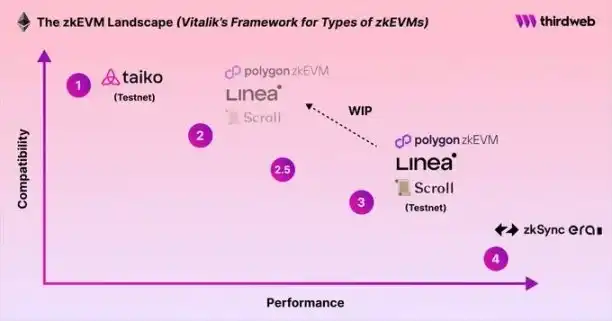
As shown above, Vitalik once classified zkEVMs into four types on his blog. As the type number increases, compatibility decreases but efficiency improves. Type 1, called fully Ethereum-equivalent EVM, uses the same hash functions, state trees, etc. However, these components are not zk-friendly, making proof generation highly inefficient.
Vitalik also indicated where common zkEVM projects fall within this classification, though he expressed no strong preference, merely advising flexibility:
“Theoretically, Ethereum does not need to standardize a single ZK-EVM implementation for L1; different clients can use different proofs, thus we continue to benefit from code redundancy.”
Clearly, Vitalik believes diversity and competition are beneficial.
Precisely because different solutions sit at varying trade-offs between compatibility and performance, no clear winner has emerged—this is likely why Polygon and ZKSync can even argue in the first place. Neighbors of similar status can quarrel; you never see a king bickering with a pauper.
Sometimes, visibility matters in competitive races among equally matched projects. Back-and-forth arguments may obscure the truth, but in reality, none of the parties truly lose.
The Noisier the Market, the Better the Business
When I saw zkEVM projects publicly clashing over code openness and plagiarism, I was reminded of a book I once read—The Cathedral and the Bazaar.
Regarded as the “bible” of the open-source movement and one of the most important works in modern software development, the book argues that the open-source ecosystem resembles a bustling bazaar—noise and disputes are normal, even necessary for vitality. Competition between open-source projects drives technological advancement. In contrast, closed-source software is like a cathedral—quiet, isolated work that may hide powerful secrets but risks becoming trapped within its own walls, blind to the outside world.
“Cathedrals build high walls where only insiders make decisions. This enclosure limits progress. The noise of the bazaar may seem chaotic, but it carries more voices.”
This is analogous to the zkEVM open-source ecosystem: natural differences and competition exist after open-sourcing, pushing all sides to continuously improve. When core technical components of zkEVM are open-sourced, users and developers gain more choices, accelerating overall progress in the field.
Allegations of copying and public feuds are nothing more than merchant rivalries within the marketplace. For the market as a whole, the noisier it gets, the better the business.
Hopefully, buyers in this marketplace will leave with full baskets despite the noise.
Join TechFlow official community to stay tuned
Telegram:https://t.me/TechFlowDaily
X (Twitter):https://x.com/TechFlowPost
X (Twitter) EN:https://x.com/BlockFlow_News
 深潮TechFlow