








Addressing the $1.7 Trillion Trade Finance Gap: How Does RWA+DeFi Protocol Polytrade Solve SME Financing Pain Points?
TechFlow Selected TechFlow Selected
Addressing the $1.7 Trillion Trade Finance Gap: How Does RWA+DeFi Protocol Polytrade Solve SME Financing Pain Points?
As the concept of RWA gains wider adoption, the sector in which Polytrade operates may become a significant trend in the financial industry.
 Navigating Web3 tides with focused insights
Author: Tian
The maturity and development of blockchain technology have brought innovations in decentralization, trustworthiness and transparency, data security and privacy, efficiency, and more. As a blockchain-based financial service, DeFi leverages smart contracts and decentralized mechanisms to provide users with safer, more convenient, and transparent financial services. The rapid growth of DeFi has enabled people to conduct various financial activities—including lending, insurance, and trading—on decentralized platforms. The total value locked (TVL) in DeFi has surged from over $500 million in 2020 to $52 billion today, a 100-fold increase demonstrating its strong vitality.
However, since the onset of the crypto bear market, DeFi's development appears to have stalled, urgently requiring new growth drivers. In this context, the RWA (Real World Assets) sector—bridging traditional finance (TradFi) and DeFi—has emerged as a compelling new narrative. Unlike other DeFi products that heavily rely on trading volume and market activity for returns, RWA is introducing a wave of new DeFi products whose value stems from real yields generated by tangible real-world assets.
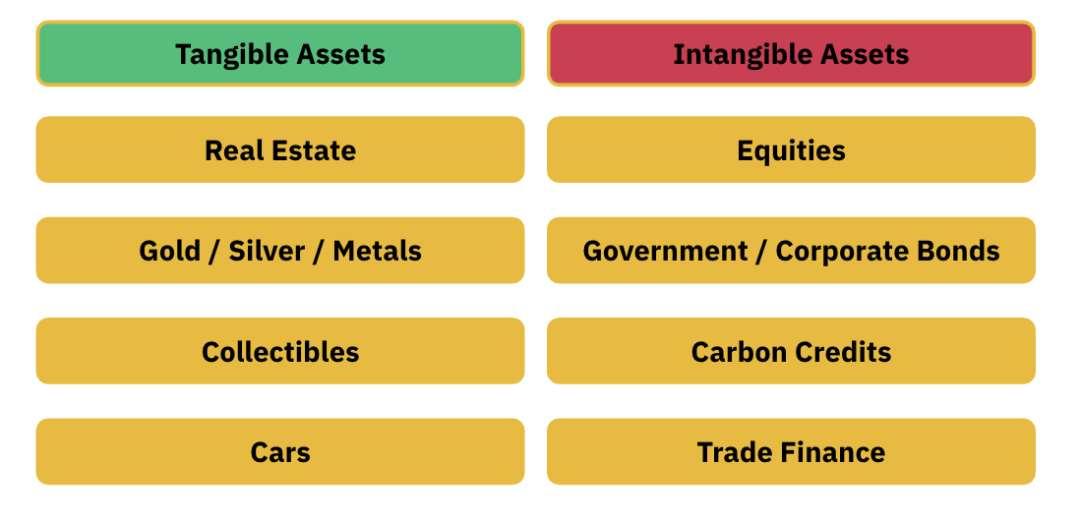
RWA can represent many types of traditional assets such as real estate, gold, stocks, and bonds. The involvement of financial institutions like Binance, Goldman Sachs, Siemens, and leading DeFi protocols including MakerDAO, Aave, and Compound has drawn significant market attention to the RWA sector. According to Rootdata, there are currently 54 projects in the RWA space, many backed by top-tier investment firms such as a16z, Coinbase Ventures, and Polygon Ventures. This edition of R3PO will explore Polytrade, an “RWA+DeFi” protocol.
Addressing a $1.7 Trillion Trade Finance Gap: Solving SME Financing Pain Points
Globally, trade finance has nearly a century of history and plays a vital role in facilitating import and export trade. However, the speed and convenience of trade finance primarily benefit large enterprises. Small and medium-sized enterprises (SMEs), which often have limited capital and weaker credit backgrounds, generally occupy a disadvantaged position in accessing trade finance. Their key challenges include:
-
Difficulty in Financing: Due to their small scale, low credit ratings, or insufficient collateral, SMEs often struggle to obtain financing from traditional banks or financial institutions, limiting their cash flow and business expansion.
-
High Interest Costs: Even when financing is available, SMEs are typically classified as high-risk borrowers and thus face higher interest rates, increasing overall financing costs.
-
Cash Flow Shortfalls: During trade operations, SMEs may need to pay suppliers or supply chain partners upfront, but customer payments often come slowly, potentially causing cash flow issues that disrupt normal business operations.
-
Complex Processes: Traditional trade finance applications and approval procedures are usually cumbersome, requiring extensive documentation and long processing times, resulting in slow funding disbursement that fails to meet urgent business needs.
-
Lack of Transparency: SMEs may lack understanding of the trade finance market and be unaware of the pros and cons of different financing products and services, making it difficult to make informed financing decisions.
-
Mismatched Demand: Some SMEs require small-amount, short-term financing, while traditional financial institutions tend to offer larger, long-term financing products, creating a mismatch between demand and supply.
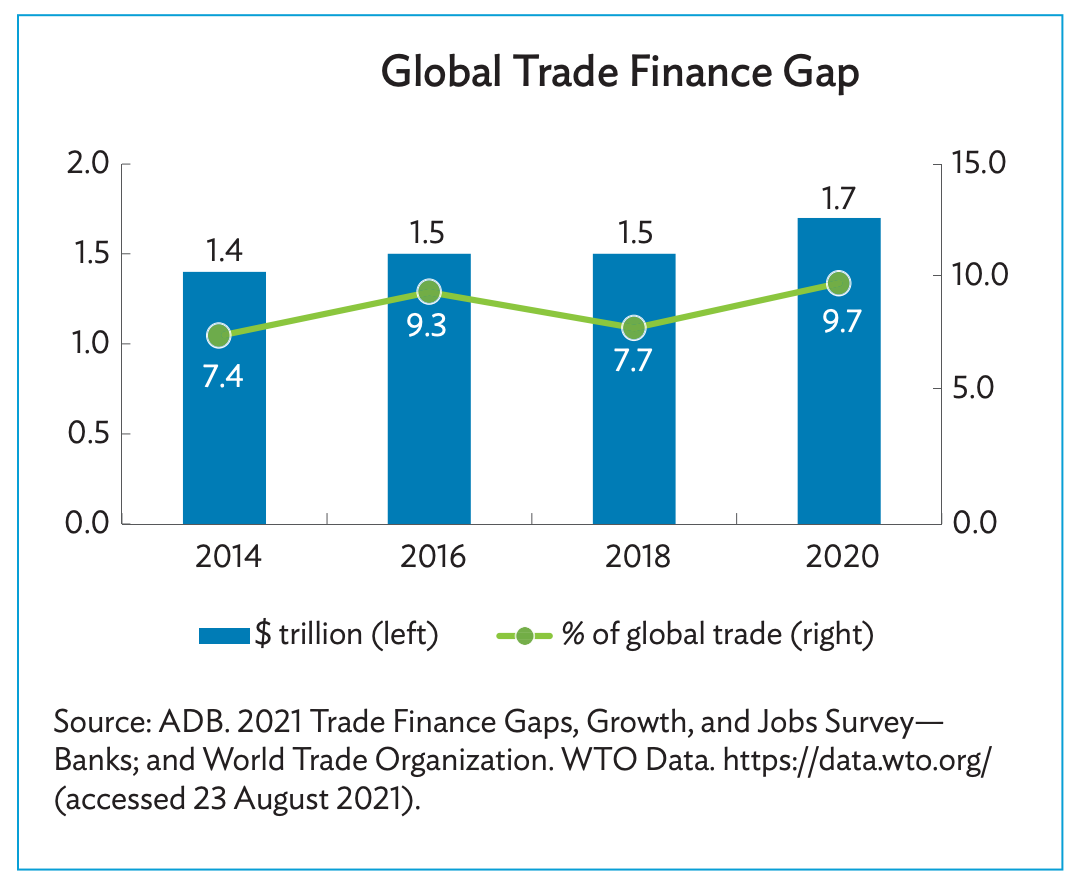
The current trade finance industry has a market size approaching $10 trillion. Despite its vast scale, a significant financing gap persists. According to a WTO survey, the global trade finance gap reached approximately $1.7 trillion in 2021. This shortfall is largely driven by the imbalance between SMEs' financing needs and available supply. Addressing this real-world demand, Polytrade aims to simplify the accounts receivable financing experience for SMEs by leveraging cryptocurrency liquidity pools to provide new sources of funding, aspiring to become the leading platform for SME trade finance.
Polytrade’s team is primarily based in India. Before transitioning into a blockchain platform, Polytrade originated as Riqueza Capital, established in Hong Kong in 2014, with extensive Web2 trade finance experience. By 2020, the company had facilitated trade financing for 5,000 sellers, providing direct financing services to 250 of them, totaling $500 million in transaction value. In March 2023, Polytrade completed its seed round funding led by Matrix Partners, Polygon Ventures, Alpha Wave Global, and others.
Understanding Polytrade’s Operating Mechanism
To bridge the financing gap and meet SMEs’ funding needs, Polytrade has built an innovative system that enables crypto investors to fund real-world assets.
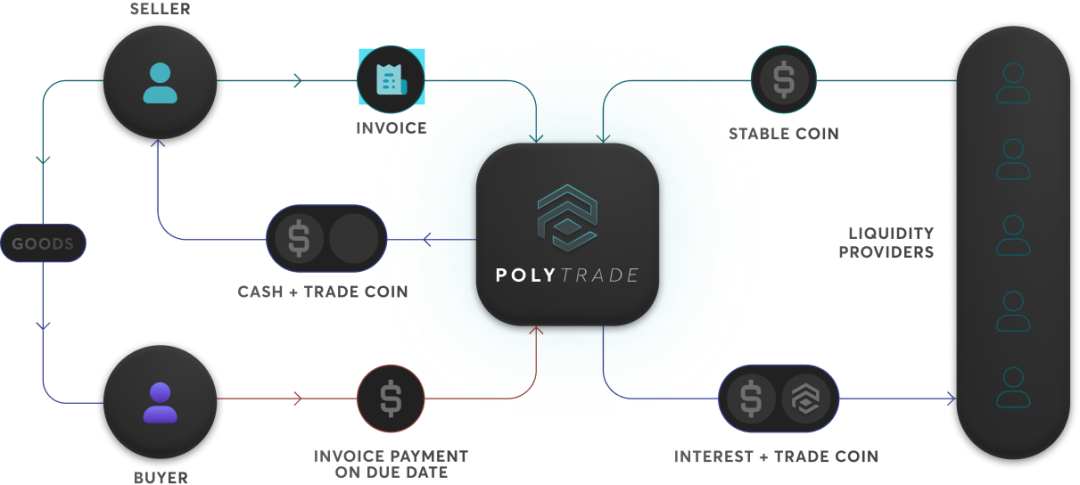
Investors deposit stablecoins into Polytrade’s liquidity pool. Polytrade converts these stablecoins into fiat currency and uses the funds for factoring/invoice financing.
Polytrade Platform Core Components:
Asset Evaluation: Assessing the quality of underlying assets is a critical challenge in trade finance. Data such as asset details and payment history are recorded on the blockchain, and the protocol uses algorithms to determine each asset’s rating.
Borrower Evaluation: Similar to asset evaluation, borrower assessment follows protocol-defined standards. Algorithms analyze the borrower’s on-chain activity, profile, and submitted financial documents to generate a credit rating, which also influences the borrowing interest rate.
Risk Exposure Management: A key aspect of risk management in trade finance is avoiding excessive exposure to any single asset or entity. When loans to a single entity or asset reach a certain threshold, algorithmic adjustments are triggered. Similarly, rules ensure the protocol does not become overly exposed to any single borrower.
Governance: The platform employs an on-chain governance model, allowing participants to reach consensus through direct voting. Voting power is weighted by staked tokens—higher stakes yield greater voting influence. The governance body sets rules regarding collateral, interest rates, risk management, validator staking, and protocol fees.
An example illustrates how the mechanism works in practice:
Suppose John runs a furniture manufacturing company that sells $4,000 worth of goods to IKEA every month, with a 3-month credit period. This means John’s cash collection cycle is three months, leaving $12,000 in funds locked until the credit term ends.
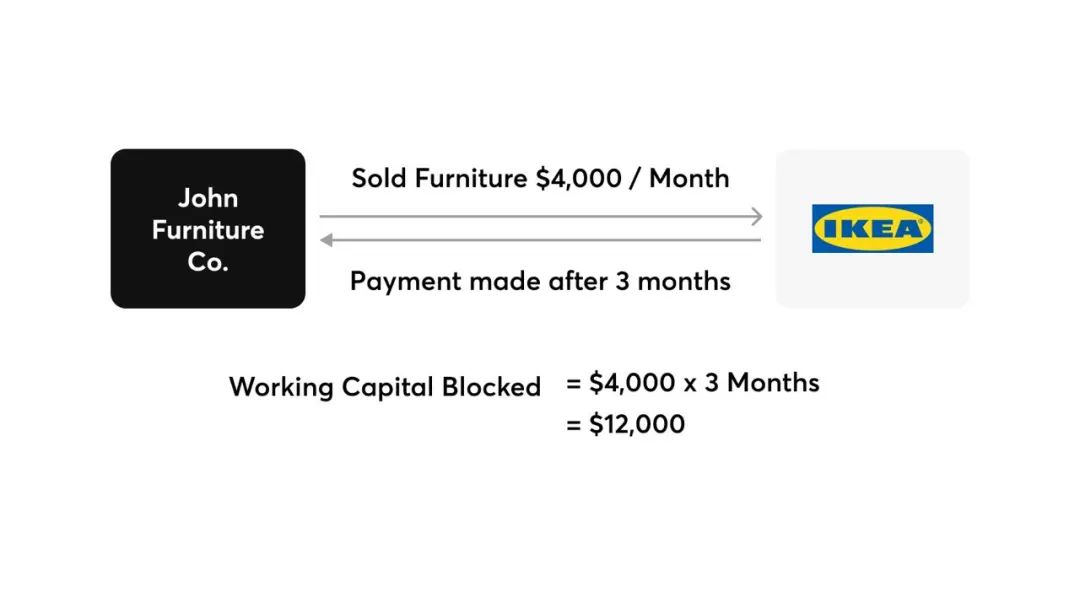
Due to the small amount and short duration, John struggles to secure financing from traditional financial institutions. Instead, he can upload his invoice and supporting documents to Polytrade and complete the verification process. Once approved, Polytrade instantly disburses the financing amount from its liquidity pool to John’s account. The interest rate is algorithmically determined. When IKEA makes the payment upon maturity, the funds are returned to the liquidity pool.
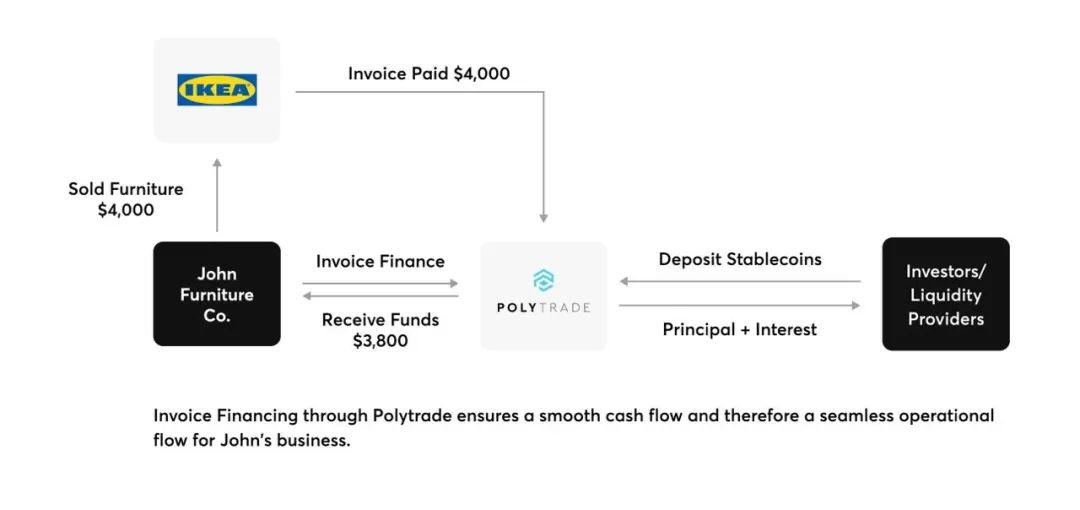
John receives $3,800 immediately from Polytrade. The difference of $200 between the $4,000 invoice and the $3,800 advance represents Polytrade’s revenue from the transaction.
In this trade finance scenario, Polytrade demonstrates several advantages:
Transparency: All transactions on the Polytrade platform are publicly recorded on the blockchain, enabling anyone to view and verify them. This enhances transparency and trust, reducing transaction risks.
Speed: Transactions on Polytrade are extremely fast, often completed within minutes, significantly shortening financing cycles and improving capital efficiency.
Flexibility: The platform offers highly customizable financing solutions tailored to diverse needs, effectively meeting the varied requirements of different enterprises.
Low Cost: Transaction costs on Polytrade are significantly lower than traditional trade finance methods, reducing both financing and operational expenses and enhancing corporate profitability.
TRADE Token
The TRADE token is the primary utility token within the Polytrade ecosystem, serving as a tool for platform payments, governance, protocol incentives, staking rewards, and settlements. The TRADE token is issued on both Polygon and BSC networks. With a total supply of 1 billion tokens, 70% is allocated for public sale, 20% for the team and advisors, and 10% for community and ecosystem development.
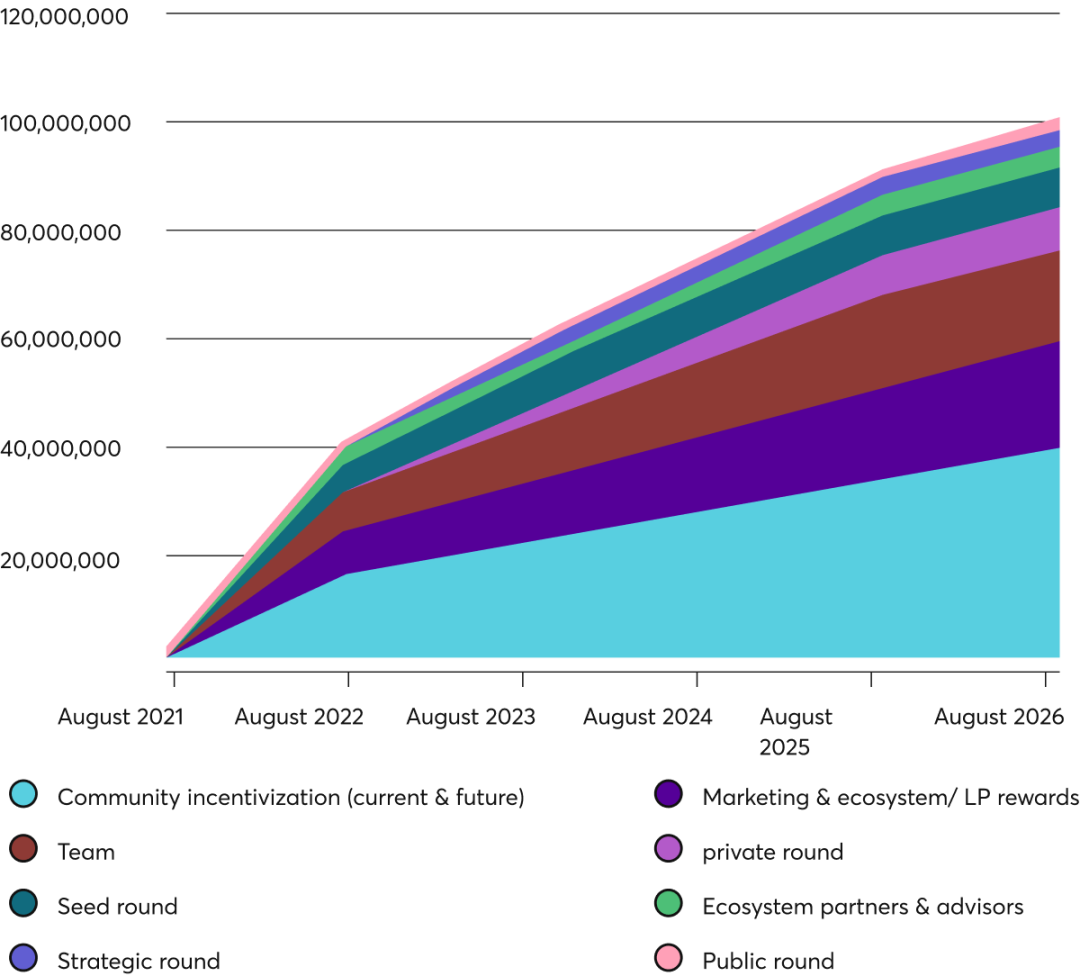
Key Functions of the TRADE Token:
Payment of Platform Fees: Sellers must pay a certain amount of TRADE tokens as service fees to access financing services.
Rewards for Participants: Polytrade features a built-in reward system where participants receive TRADE tokens for each successful transaction.
Platform Governance: TRADE token holders can participate in decision-making and voting on platform upgrades and policies.
Protocol Incentives: TRADE tokens incentivize protocol execution and maintenance, ensuring smooth platform operations.
Staking Rewards: Users can stake TRADE tokens to earn additional yield.
Settlement Tool: TRADE tokens facilitate internal settlement and clearing processes, improving transaction efficiency and security.
Conclusion
By addressing real-world pain points in SME trade financing, Polytrade leverages blockchain technology to bridge TradFi and DeFi. Looking ahead, as blockchain technology continues to evolve and gain broader adoption, Polytrade is poised to achieve significant breakthroughs in the trade finance space. Blockchain’s decentralized nature promises wider market participation and more efficient transaction flows, offering SMEs more choices and flexible financing options. Moreover, as the RWA concept gains traction, Polytrade’s niche could emerge as a major trend in the future of finance.
Join TechFlow official community to stay tuned
Telegram:https://t.me/TechFlowDaily
X (Twitter):https://x.com/TechFlowPost
X (Twitter) EN:https://x.com/BlockFlow_News
 R3PO
R3PO






