Stepping into Vietnam's Crypto Market: Growing VC Interest, Rising NFT Communities, and an Emerging Front in the Eastward Shift of Crypto
TechFlow Selected TechFlow Selected
Stepping into Vietnam's Crypto Market: Growing VC Interest, Rising NFT Communities, and an Emerging Front in the Eastward Shift of Crypto
Vietnam's Web3 ecosystem is still in its early stages, but it is certainly moving in the right direction.
 Navigating Web3 tides with focused insights
Written by: TENG YAN
Compiled by: TechFlow
If I have to hold onto one conviction firmly, it is this: the center of gravity in cryptocurrency and Web3 is undeniably shifting toward the East. I believe that in the not-so-distant future, Asia will become a dominant force in the crypto and Web3 space.
From bustling cryptocurrency hubs in South Korea and Japan to emerging markets in Vietnam and the Philippines, Asia’s influence in the world of crypto is growing. Later this year, Hong Kong is expected to become China's testing ground for cryptocurrencies—despite mainland China itself remaining largely closed off.
What’s driving this shift?
-
Asia is a breeding ground for technological innovation. Companies and developers from China, South Korea, and Singapore often lead the way in new tech trends.
-
The regulatory environment in Asia (excluding mainland China) is more favorable toward cryptocurrencies.
-
High mobile penetration and digital literacy across Asia create ideal conditions for adopting digital currencies. As smartphones become cheaper and internet access expands, more and more Asians are connecting with the digital financial world.
-
In many parts of Asia, a significant portion of the population remains unbanked or underbanked. Cryptocurrencies offer an alternative pathway into the financial system through cheaper, faster cross-border remittances and peer-to-peer payments.
Vibrant Vietnam
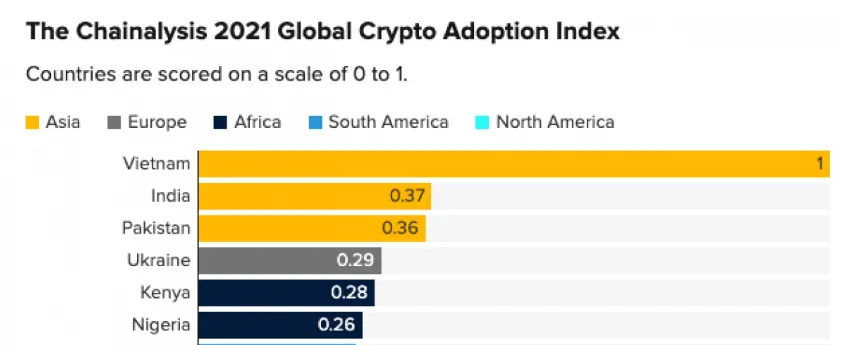
Last week, I visited Vietnam—a country rapidly emerging in the cryptocurrency space. With a population of 98 million, some claim nearly 50% of Vietnamese have used cryptocurrency, making it one of the highest crypto adoption rates globally.
However, speaking with locals suggests this "50%" figure may be inflated.
-
Multiple wallets controlled by airdrop hunters inflate these statistics.
-
Most “ordinary” people still view cryptocurrency as either a scam or a get-rich-quick scheme.
Stepping into Vietnam, you immediately sense an intangible energy and vibrancy. The population is young, dynamic, and ready to hustle. While language can be a barrier, those fluent in English gain a significant advantage on the international stage.
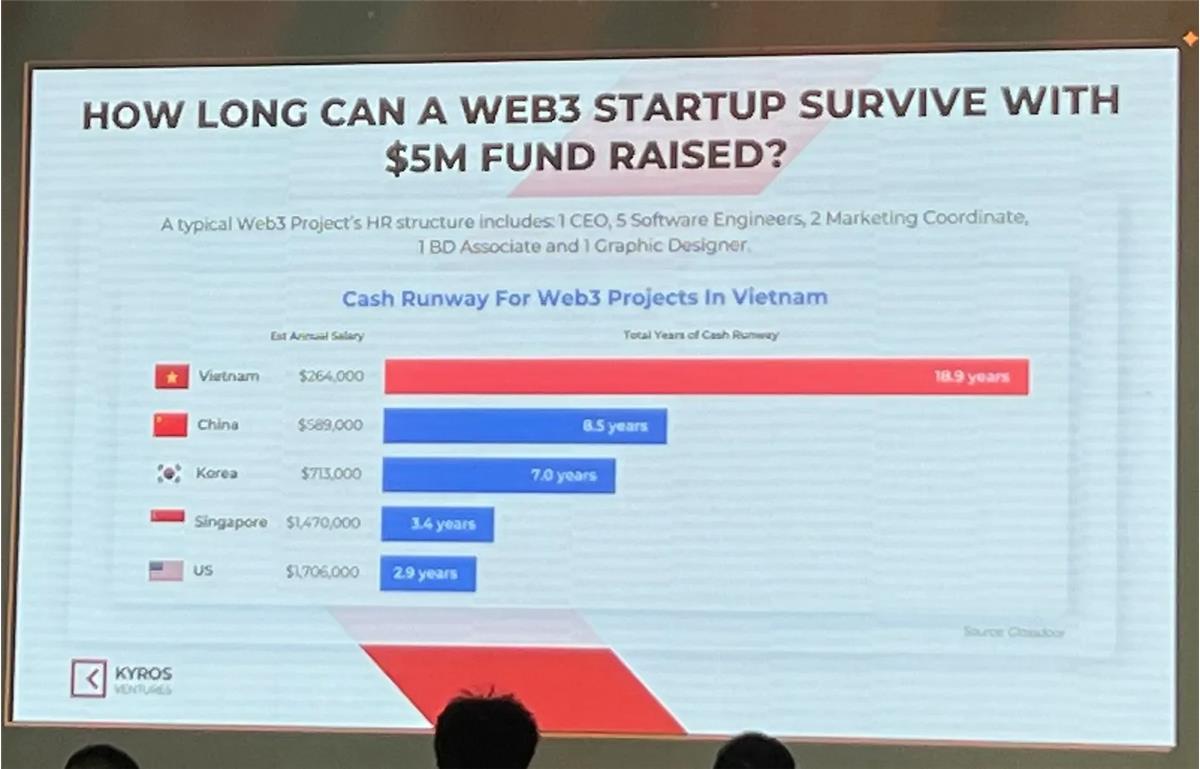
Another striking statistic: assume a 10-person Web3 startup headquartered in Vietnam raises $5 million. That funding could sustain operations for 18 years. By comparison, the same company would last only 3.4 years in Singapore and just 2.9 years in the U.S.
Web3 products are global by nature from day one. This means geographic location matters less. We’re still in the early stages of Web3 adoption, and the tipping point remains uncertain. Therefore, being able to build and iterate over many years without constant pressure of running out of funds is a major advantage.
I strongly believe more teams should consider outsourcing part of their operations. With the rise of skilled technical talent in places like Vietnam, this presents an opportunity too significant to ignore. Of course, success depends on finding trustworthy local leaders or partners who can effectively manage offshore operations.
Growing VC Interest in Vietnam
One of the clearest signs of Vietnam’s potential is the growing interest from venture capitalists (VCs) around the world.
I’ve met VCs from various countries who’ve taken time to explore the Vietnamese market, build local networks, and scout for the next big startup. Valuations in Vietnam tend to be more reasonable, making it an attractive destination for investors.
The question on everyone’s mind: Who will be the next Sky Mavis/Axie Infinity? For anyone looking to enter Vietnam’s ecosystem, here are several key players to know:
-
Kyros Ventures is a top-tier local VC and ecosystem builder—reach out if you're considering entering Vietnam.
-
K300 Ventures is another well-known Vietnamese VC investing locally and regionally.
-
Coin98 Wallet, often called Vietnam’s "Binance," operates an exchange, media arm, and venture fund.
-
Ancient8 is Vietnam’s largest Web3 gaming guild and a foundational layer in the GameFi ecosystem.
Rise of the NFT Community
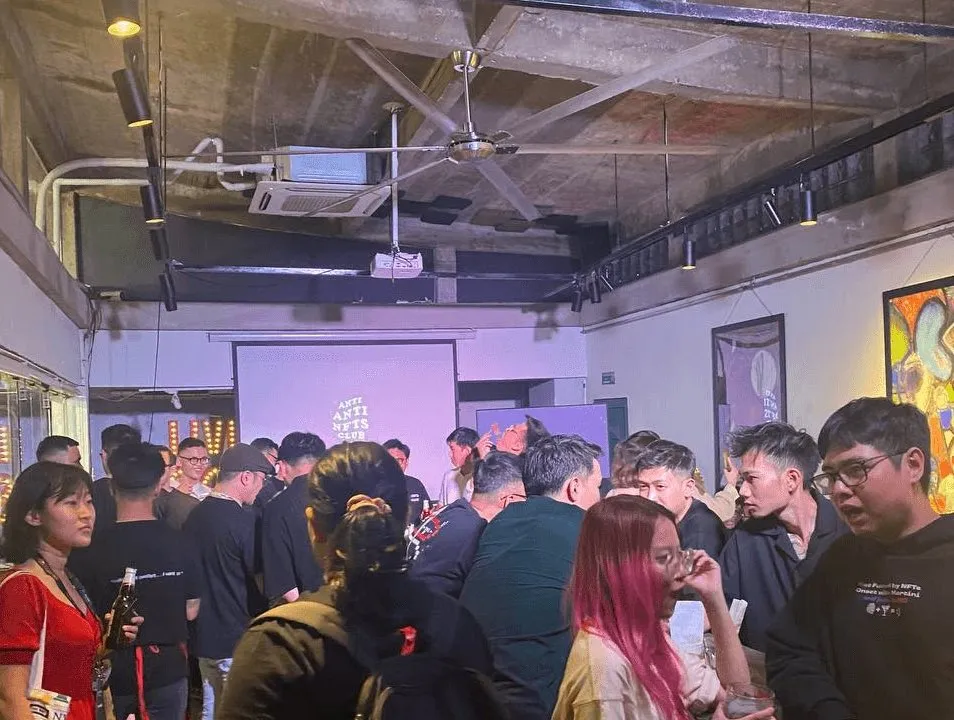
Vietnam’s NFT community is also beginning to flourish. Anti Anti NFTs Club (AANC), led by co-founders Farrier Ng and Tin, is the country’s largest NFT community. I’ve met both personally and can attest they are exceptional, passionate individuals. AANC focuses on education, research, and helping people find jobs within the NFT industry.
A highlight of my trip was the chance to meet Twitter friends during side events. The Avocado DAO open bar was particularly memorable—I met incredible people from all over the world there.
Several other NFT-related projects are also gaining traction in Vietnam, including:
-
Aura Network, a Cosmos-based NFT chain;
-
SeekHYPE, an NFT marketplace;
-
Darenft, an NFT infrastructure protocol;
-
Oxalus, a social commerce platform built for NFTs.
Highlights from NFT Panel Discussions
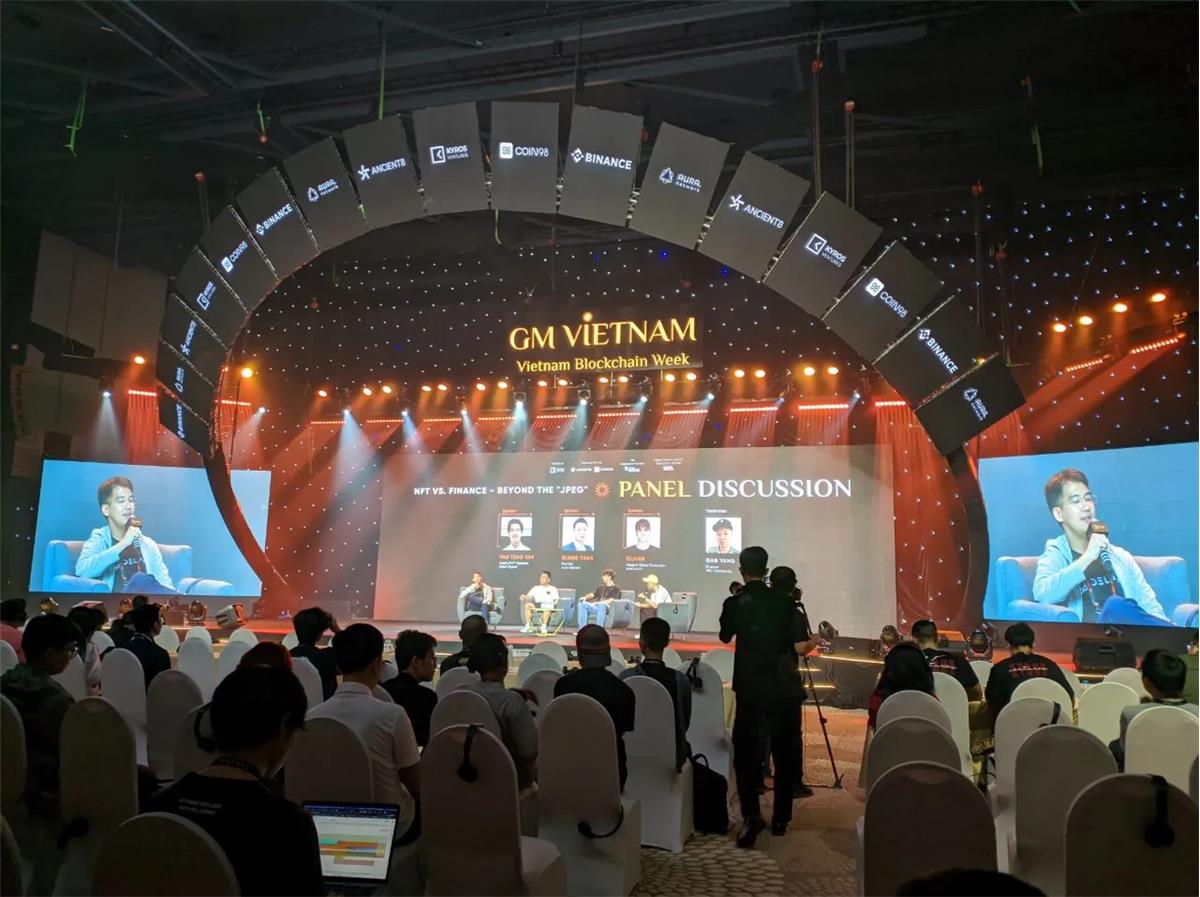
During my stay in Ho Chi Minh City, I participated in several NFT panel discussions. While preparing answers to these thought-provoking questions, I jotted down some notes I’d like to share.
1. NFTs are currently in a deep bear market. Liquidity in the NFT space has also significantly decreased. TLDR: Are we doomed?
-
There are currently two main groups in the NFT space: traders and builders.
-
From the traders’ perspective, NFTs are almost dead. When prices keep falling, there’s no profit to be made, so traders leave. But when prices begin rising again, they’ll return—I guarantee it.
-
From the builders’ perspective: if you’re immersed in the space, talking daily with startups and founders, you can’t help but feel excited about the future of NFTs as a technological tool. I count myself among this group.
2. The original vision for NFTs was a powerful narrative—empowering people, empowering creators, offering unprecedented utility. Where do we stand today, and can you cite concrete examples of meaningful progress in the space?
-
I believe almost everything will have an NFT form—especially anything digital. NFTs are essentially the property rights layer of the internet.
-
Luxury brands like Louis Vuitton, and major consumer companies like Nike and Starbucks, have already made meaningful strides in NFTs. For example, Nike is using NFTs as a new tool to build brand identity and engage with digitally native younger audiences.
-
Today’s social media platforms are oversaturated. These brands are turning to Web3 because it offers a rare opportunity to reach new, digitally native audiences who will be a crucial market segment in the coming decades.
3. How do we get there?
Progress hinges on attracting more creators into the space and making it easier for them to use Web3 tools to express their creativity—artists, entrepreneurs, musicians, influencers, and beyond.
In my view, we need to bring in the next million creators to onboard the next billion users into Web3.
4. What are the challenges and opportunities in creating decentralized intellectual property or brands?
-
I firmly believe the next major consumer IP company will be built using Web3 infrastructure.
-
You don’t need tens of millions of dollars to create the next Pokémon or Disney. Anyone can launch (or bootstrap with limited capital) via NFTs and build an early community around their creative vision.
-
This follows the rules of digital games: many will try and fail, but a few will succeed beyond our imagination.
-
NFTs will become the foundational layer for new IP creation—be it films, games, or anime.
-
With an early community, creators receive faster feedback, allowing rapid iteration on successful elements and discarding what doesn’t work. The entire process becomes leaner and more efficient.
-
Ownership gives your community stronger incentives to participate and remain loyal.
-
Of course, the biggest challenges are time (it takes years) and making the right choices for the brand.
Vietnam and the Early Stages of Web3
After attending GM Vietnam and engaging in numerous conversations, it’s clear that Vietnam’s Web3 ecosystem is still in its infancy—but definitely moving in the right direction.
It won’t take off overnight—I estimate perhaps between 2026 and 2030. But I expect Vietnam to become a significant player in the Web3 ecosystem in the years ahead.
Join TechFlow official community to stay tuned
Telegram:https://t.me/TechFlowDaily
X (Twitter):https://x.com/TechFlowPost
X (Twitter) EN:https://x.com/BlockFlow_News
 @0xPrismatic