








Nintendo or Steam? A Brief Analysis of the Development Path of Decentralized Gaming Platforms
TechFlow Selected TechFlow Selected
Nintendo or Steam? A Brief Analysis of the Development Path of Decentralized Gaming Platforms
In the coming years, the development of decentralized gaming platforms will face many challenges and opportunities.
 Navigating Web3 tides with focused insights
Preface
Decentralized gaming has long been a frequently discussed topic in the crypto market. Recently, the surge in popularity of Magic, a decentralized gaming platform on Arbitrum, has sparked widespread discussion. Some have likened it to Nintendo in the crypto world, while Gala Games is often described as the "Web3 version of Steam."


However, these represent two fundamentally different models, raising an important question: which development path is more suitable for decentralized gaming platforms?
Evolution of Traditional Gaming Platforms
Before discussing decentralized gaming platforms, it's essential to understand the evolution of traditional game industry platforms. We categorize gaming platforms into three types: studio model, engine development model, and distribution platform model.
The studio model starts with a game development studio that gradually grows into a large company owning multiple game IPs. These companies attract players by continuously releasing new games or sequels, adjusting and improving based on player feedback. A prime example is Blizzard Entertainment. Founded in 1991, Blizzard began as a computer game development studio with its first title being Warcraft. The release of World of Warcraft elevated Blizzard to a leadership position in the gaming industry. Today, Blizzard is part of Activision Blizzard and owns renowned franchises such as World of Warcraft, StarCraft, and Diablo.
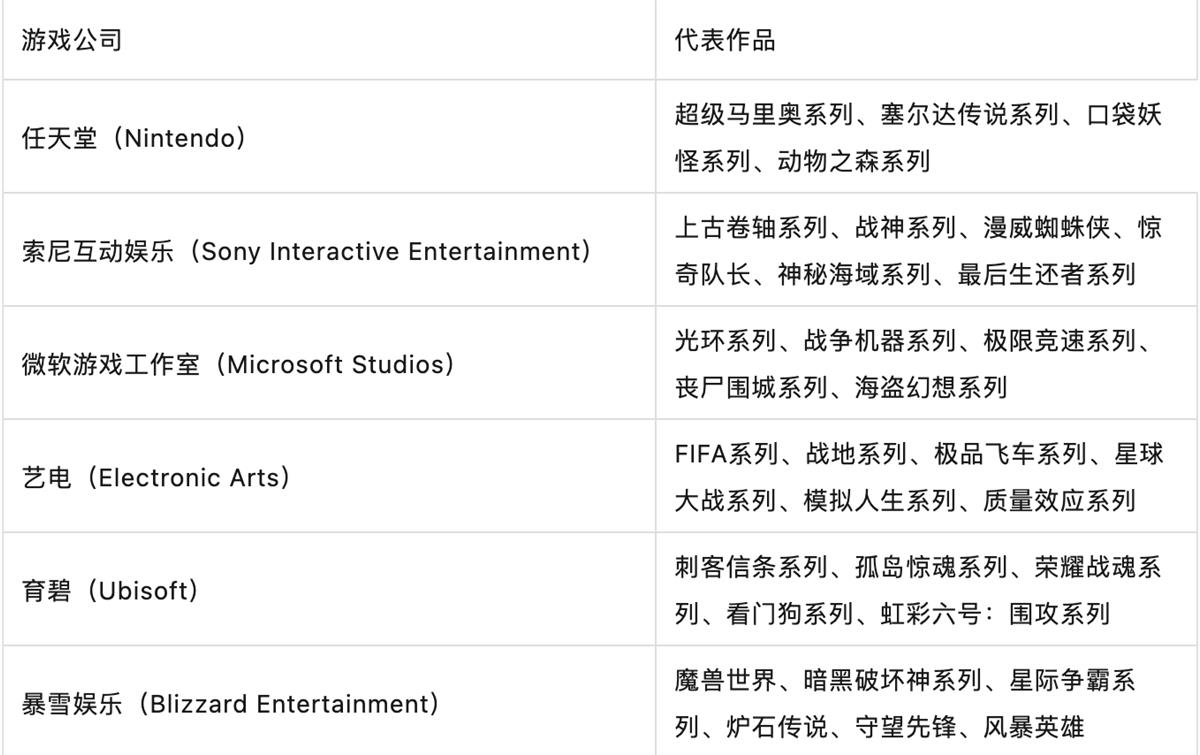
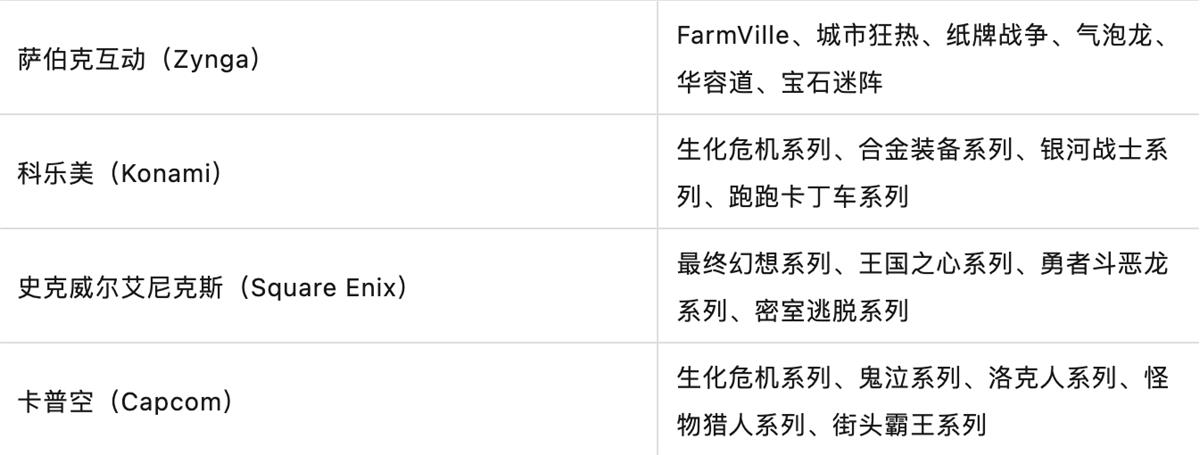
Top global gaming companies and their representative titles
The studio model is one of the most common approaches in the traditional gaming industry. Today’s leading game studios typically started with a single hit game and gradually built their influence in the industry.
The engine development model is a relatively newer approach, with Roblox being one of the most prominent examples. Roblox is a community-driven virtual world platform that allows users to design and create their own games, then share and play them within the ecosystem. It provides tools for game creation, a virtual currency system, and monetization features.
-
Roblox user data shows it is extremely popular, especially among younger audiences. As of March 2021, Roblox had over 180 million monthly active users, adding nearly 40 million in the previous year. According to Sensor Tower, Roblox generated $2.96 billion in revenue in 2020, an 82% increase from 2019. This demonstrates strong growth potential for engine-based platforms, particularly with younger demographics.
One key advantage of Roblox is its open suite of tools and engines, enabling developers to easily create and share games. This openness fosters innovation and collaboration, encouraging broader participation in game development. On Roblox, users can code games using Lua and design game elements like scenes, characters, and items through visual development tools. This open creative model results in highly diverse and innovative games.
However, a major drawback of the engine model is inconsistent quality and lack of standardization. Since games on Roblox are created by community developers with varying skill levels and design styles, the quality of games can vary significantly. This inconsistency may harm the platform's overall reputation and user experience.
-
The distribution platform model, exemplified by Steam, begins with flagship titles (like DOTA2 and CSGO) and evolves into a full-scale game publishing platform. Steam offers players convenient channels for purchasing and downloading games, while providing developers with a broad platform for promotion and distribution.
Today, virtually every PC game can be found on Steam, making it a de facto monopoly in this space.
As a publisher, Steam handles game distribution, allowing developers to focus solely on game development without worrying about sales logistics. For players, Steam offers a convenient way to purchase and manage games, along with community features for interaction. It also supports online multiplayer and user-generated content, enhancing engagement. Other studios have launched their own distribution platforms—Blizzard’s Battle.net, EA’s Origin, Ubisoft’s Uplay—indicating that successful developers prefer to retain control over distribution rather than share profits with third-party platforms.
Development Paths for Blockchain Gaming Platforms
Now, let’s explore how these three traditional models translate into the decentralized gaming landscape and examine corresponding developments in the Web3 world.
Studio Model and Public Chain Ecosystems
Game studios typically possess proprietary game engines and dedicated development teams to produce games. This model involves many intermediate steps and requires coordination across multiple teams and individuals, resulting in high costs—a capital-intensive approach. However, it also holds the potential to create highly successful game IPs.
In the crypto space, this path has evolved into launching a hit game first, followed by launching a public chain. Examples include Flow, launched by Dapper Labs (creators of CryptoKitties); Ronin, launched by Axie Infinity; and ImmutableX, launched by Gods Unchained. With "one-click chain deployment" technology maturing, successful projects launching their own appchains or Layer 2 solutions may become a standard trajectory for blockchain games.
Many new projects now follow this strategy. Take Fusionist, for instance, which launched its mainnet Endurance, storing all user actions and achievements on-chain to enhance user retention, transparency, privacy, and security. Fusionist plans to release three games—Colonize, Conquer, and Unite—on this chain, aiming to build a full decentralized gaming ecosystem around Endurance.
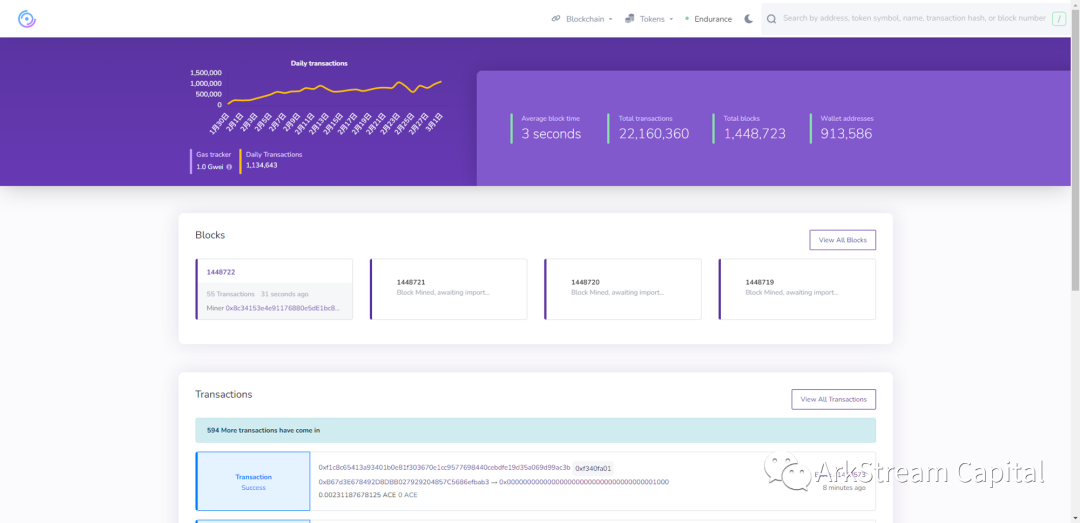
Endurance block explorer
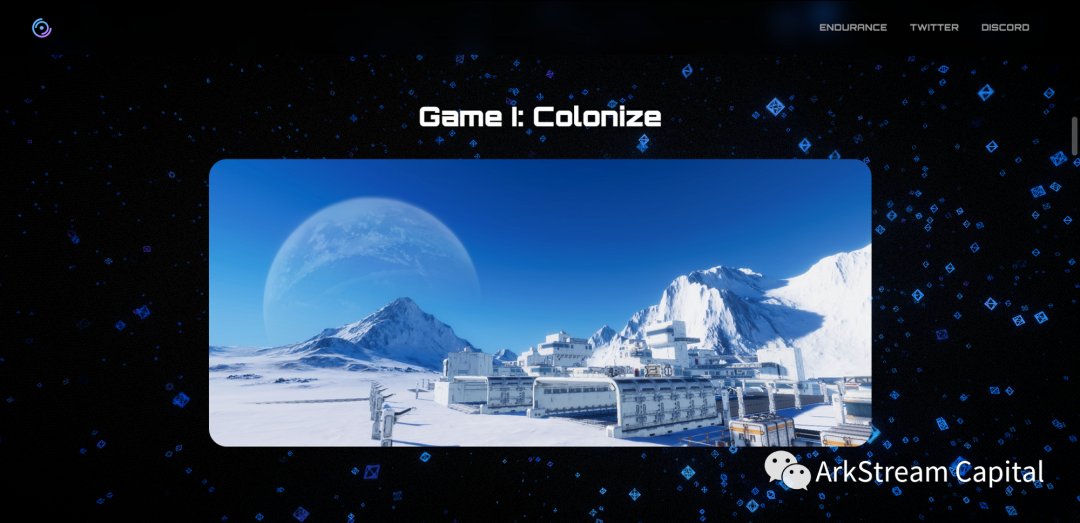
Fusionist's game Colonize
This approach relies heavily on the success of a single game, requiring the studio’s debut product to go viral immediately. This raises a critical issue: if the goal is to launch a public chain, uncertainty around the game’s success could leave the chain underutilized. If the game fails to materialize, the chain’s value plummets. The core of the studio model may still lie in creating a fun game, not in telling an ambitious story.
Moreover, transitioning from a single game to a public chain can become a “shackle” for a studio. Infrastructure components like nodes, cross-chain bridges, and wallets carry inherent security risks. Skymavis, the team behind Axie Infinity, exemplifies this—both thriving and suffering due to Ronin. After the Ronin hack, users lost trust in the chain, causing other games and developers to distance themselves from this once-centralized ecosystem, delivering a significant blow to the development team.
Engine Development Model
Roblox concretized the concept of the “metaverse” through its game development engine. In contrast, decentralized development engines are built on blockchain technology, offering greater freedom and creativity, enabling deeper participation from both developers and players. Fragnova (Fragcolor) and Cocos-CBX are two notable examples advancing decentralized game engine development.
Fragnova
Fragnova’s game engine provides developers with a secure environment to freely create, build, and share their games. Developers can create games on the Fragnova Network and publish/distribute them via its platform—similar to centralized engines—but with stronger emphasis on decentralization, giving developers greater control and flexibility. For example, developers can choose their preferred economic model or select which public chain their game runs on. By hosting all games on blockchain, Fragnova ensures data security, fairness, and verifiable ownership and transferability of digital assets.
Decentralized game engines offer several advantages over centralized ones. First, they better protect game data and user-owned digital assets. Second, they grant developers greater autonomy, enabling customization to meet diverse game needs. Finally, storing game data on-chain enables a fairer, more transparent ecosystem, attracting more users and developers.
However, this doesn’t mean decentralized engines are flawless—in fact, this is the most challenging of the three paths. Centralized engines like Roblox, Unreal Engine (UE), and Unity are already highly advanced. Decentralized platforms don't just compete with Roblox—they face off against UE and Unity, which dominate the market with robust tools, technical support, and mature ecosystems, remaining the top choice for mainstream developers. Decentralized platforms have smaller ecosystems and communities, often lacking essential tools, documentation, and plugins compared to established engines. Thus, decentralized game engines still require significant technical improvement.
Distribution Platform Model
From giants like Steam to niche portals like 4399, the lightweight, operation-heavy distribution model has become a popular startup path for decentralized gaming platforms. Take TreasureDAO: starting as Magic, the first revenue-generating protocol from the Loot ecosystem, it evolved into Arbitrum’s largest decentralized gaming platform. After much experimentation, TreasureDAO has emerged as a leading example of the distribution model.
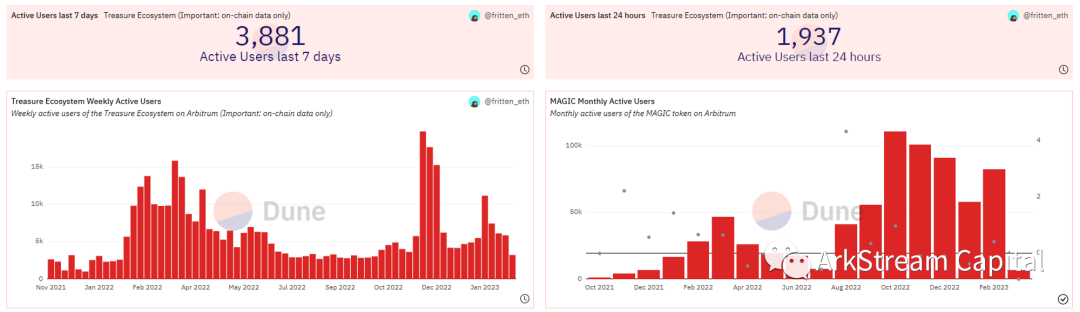
TreasureDAO user data, source: Dune
In terms of monetization, traditional platforms rely on game sales and virtual item purchases. Decentralized platforms generate revenue through token rewards, NFT trading, and platform fees. Regarding user protection, traditional platforms use intellectual property rights enforcement, while decentralized platforms leverage smart contracts and other technologies to safeguard user rights.
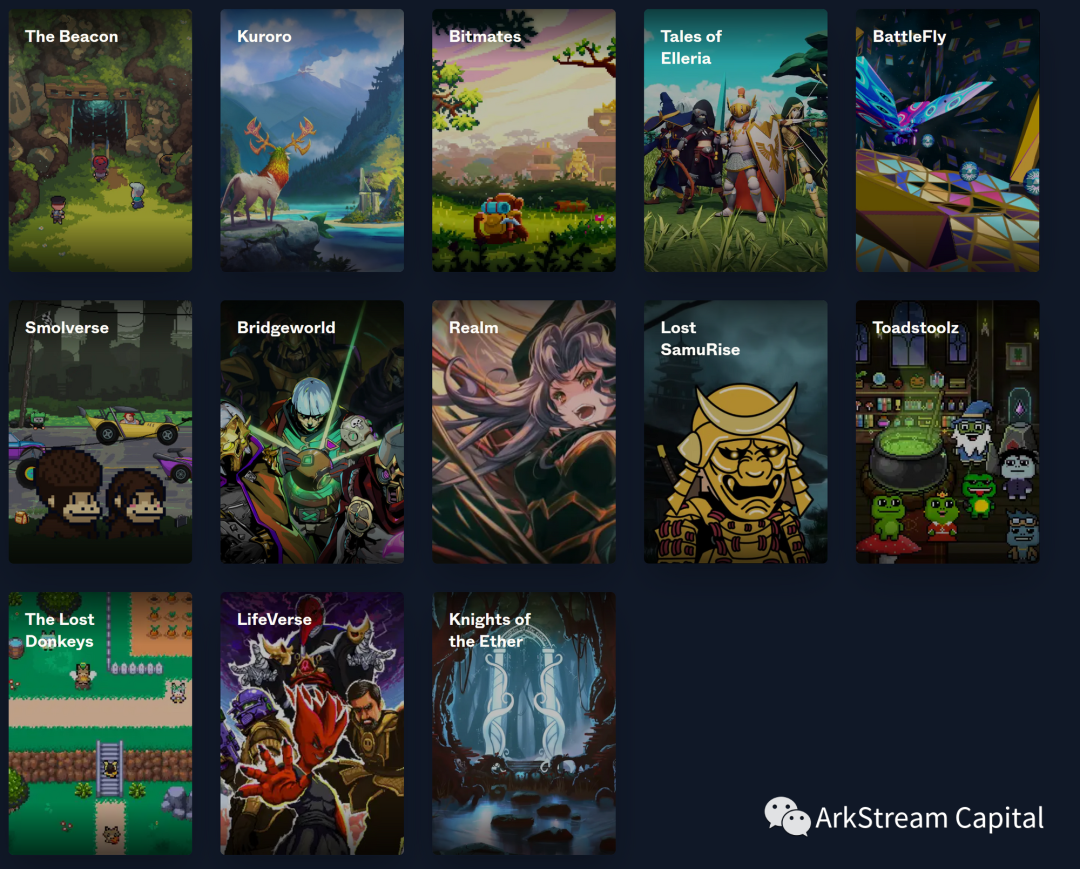
Games on TreasureDAO
However, despite the appealing narrative, reality tells a different story. Between "Nintendo" and "4399," there are 100 Marios. Looking at TreasureDAO’s list of 18 launched games, most remain at the “casual game” level. Compared to iconic titles like Zelda or Animal Crossing, there’s decades worth of industrial gap—an advantage that cannot be closed simply by quantity, let alone legendary IPs like Pokémon or Mario.
Yet, from another perspective, frequent, low-cost experimentation increases the chances of discovering a breakout hit. Given the unclear trajectory of blockchain gaming, small-game platforms can launch multiple titles to test player preferences, then invest deeply once demand is identified. This approach is more capital-efficient than investing heavily upfront in AAA titles that may end up ignored. For example, The Beacon on TreasureDAO generated significant community interest, offering a foundation to expand TreasureDAO’s universe.
Gala Games has chosen a different operational model for its distribution platform. Rather than focusing primarily on on-chain assets and interoperability like most decentralized games, Gala emphasizes using tokens to incentivize and govern its community, aiming to onboard more high-quality games. Its decentralized node network sets Gala apart. According to official data, Gala reached over 1.3 million monthly active users at its peak in 2021, selling more than 26,000 NFTs. However, as the GameFi market cooled, GALA’s token price began declining steadily from November 2021 after hitting its all-time high.
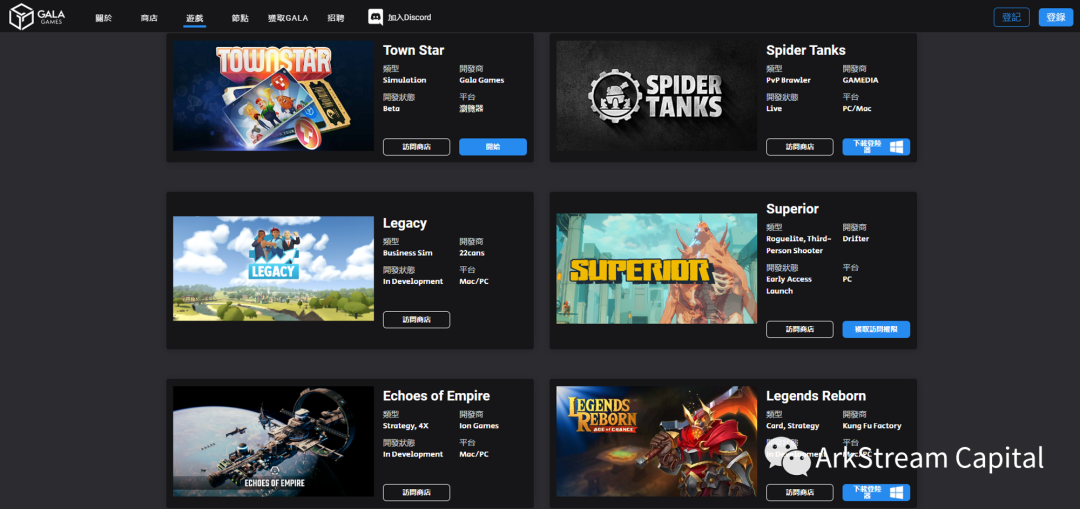
Games on Gala Games
According to Gala Games’ website, it currently lists 15 games from various developers across PC, web, and mobile platforms. However, only three are fully launched, with the rest still in development—and even the launched titles offer limited gameplay depth.
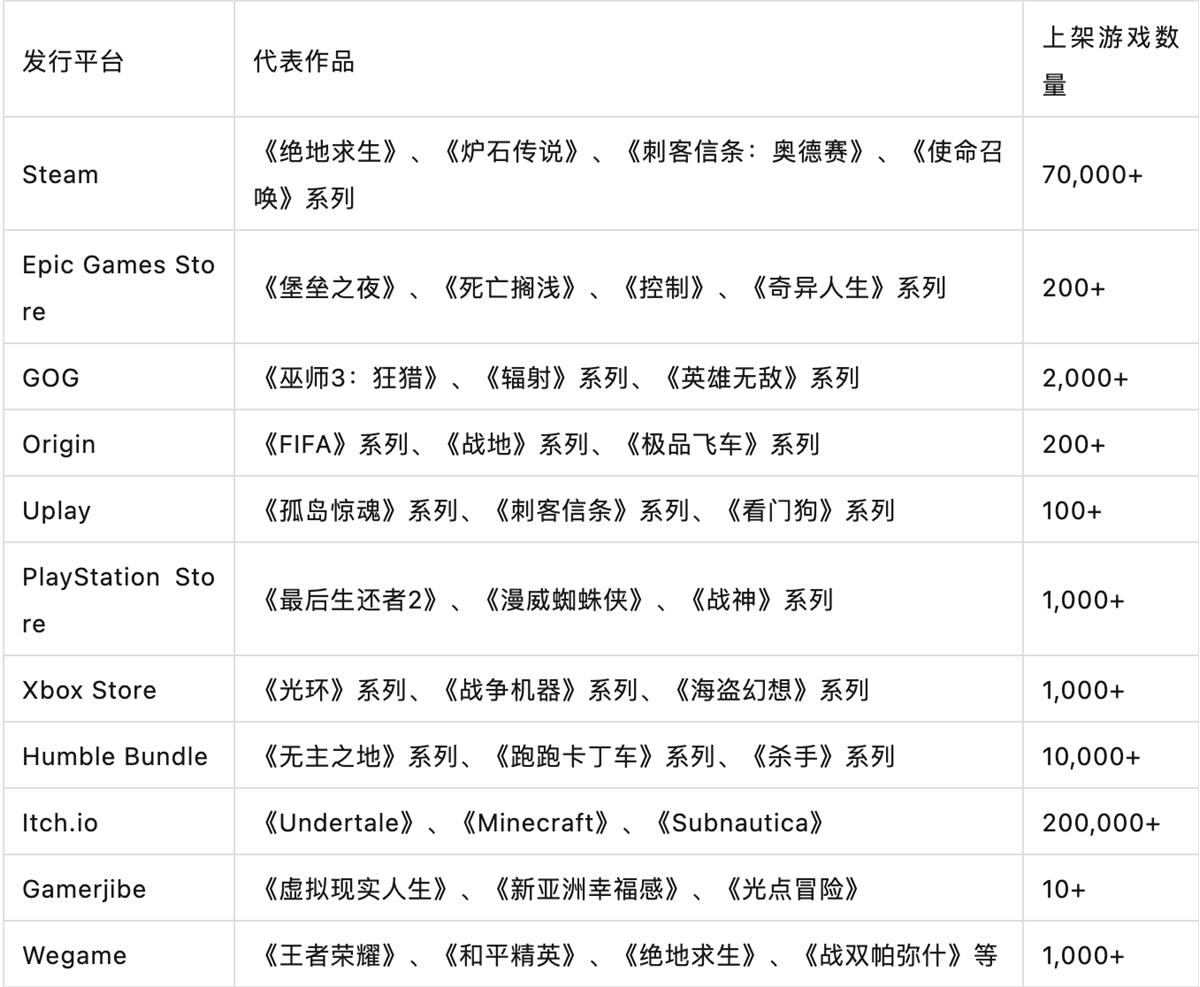
Gaming platforms and representative titles, source: Bing
A comparison reveals that decentralized gaming platforms still lag far behind mainstream platforms in both quantity and quality of games. Fortunately, with breakout hits like Axie Infinity emerging in recent years, blockchain game numbers have grown exponentially. Based on ArkStream Capital’s internal database from the past year, gaming projects account for 20% of total entries—around 800 projects. Meanwhile, Footprint, a GameFi-focused analytics platform, reports over 2,000 decentralized games. While most remain in the “casual game” category, increasing volume may eventually lead to qualitative breakthroughs. When that happens, decentralized distribution platforms, leveraging their unique advantages, could become central hubs for game traffic.
We believe a decentralized distribution platform’s competitiveness will depend on its ability to host a large number of games. Currently, the easiest metric for decentralized platforms to catch up on—compared to centralized ones—is sheer game volume. Establishing effective incentive mechanisms, streamlining upstream and downstream pipelines, and offering diverse supporting services will all strengthen these platforms’ competitive edge.
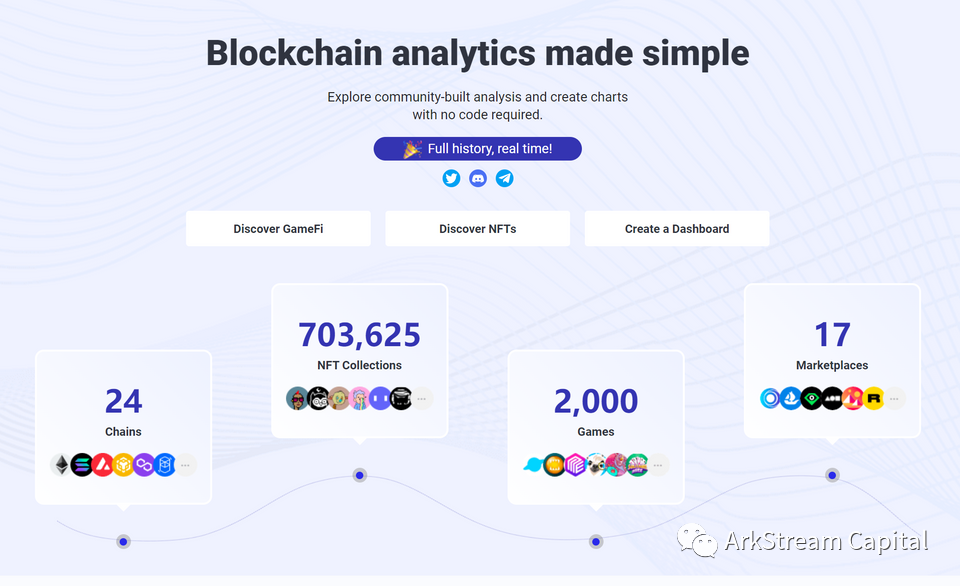
ArkStream internal database, Footprint.network
Furthermore, once traffic is aggregated, blockchain platforms can introduce unique features such as NFT marketplaces or launchpads, generating substantial profits and leveraging token economics to drive organic user acquisition.
Growth Potential
Among the three traditional platform models, we find clear parallels in the decentralized space, each bringing Web3-native innovations. Whether following the studio or distribution model, the core challenge remains: attracting traffic through hit games. Therefore, the key question is not just how to create a hit game, but how to attract hit games to launch on your platform.
We are optimistic about the future of vertical-specific blockchains. As modular blockchain architectures and Layer 3 solutions mature, building dedicated appchains for individual games could significantly enhance performance while inheriting the security of L1 chains like Ethereum. However, for teams developing game-focused blockchains, prioritizing the creation of a compelling game should take precedence over building a speculative chain—getting this hierarchy right is crucial.
For decentralized engine and distribution platforms, the immediate priority is to attract more developers and studios—winning first through volume.
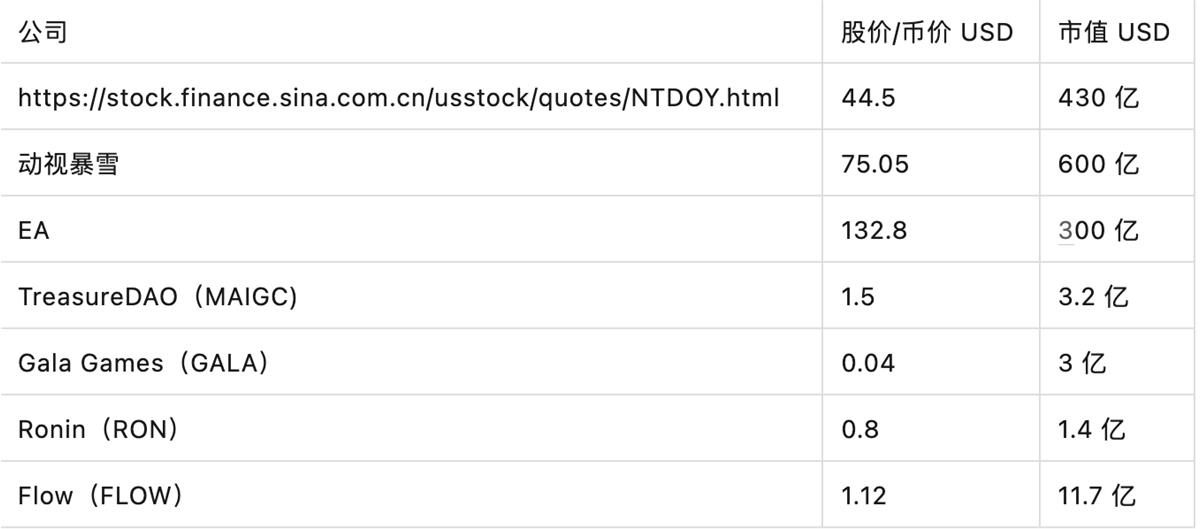
Market cap comparison: traditional gaming companies vs. decentralized gaming platforms (March 9, 2023)
Comparing top-tier game developers with leading game blockchains reveals that decentralized platforms still have room for tens or even hundreds of times growth. If they can address the following challenges, decentralized gaming platforms could truly compete with centralized ones:
-
How to better leverage blockchain technology to protect user rights
-
How to attract more players and developers to join decentralized platforms, improving both game quality and quantity
-
How to compete with traditional platforms in producing hit games and capturing user attention
Just as decentralized finance (DeFi) challenges traditional finance, decentralized gaming isn’t merely a supplement—it’s a disruption. When decentralized products match or exceed centralized platforms in user experience and security, their superior ownership models will shift power back to users and developers. We believe that day is within reach.
Conclusion
In the coming years, decentralized gaming platforms will face numerous challenges and opportunities. Technologically, decentralized game engines need further refinement to meet evolving developer and player demands. In the market, these platforms must create more hit games to attract users and developers. Additionally, they must compete with traditional platforms for traffic and mindshare. To succeed in this fiercely competitive landscape, decentralized gaming platforms must continuously innovate and evolve.
Join TechFlow official community to stay tuned
Telegram:https://t.me/TechFlowDaily
X (Twitter):https://x.com/TechFlowPost
X (Twitter) EN:https://x.com/BlockFlow_News
 Arkstream Capital






