Gen Z has acquired decentralized weapons: Discord, cryptocurrency, and memes
TechFlow Selected TechFlow Selected
Gen Z has acquired decentralized weapons: Discord, cryptocurrency, and memes
An era of political upheaval, where youth will rise through decentralized systems, cryptocurrency pathways, and peer-to-peer economies, bypassing traditional institutions.
 Navigating Web3 tides with focused insights
Author: hitesh.eth
Translation: AididiaoJP, Foresight News
The unrest in Nepal might just be the beginning.
Today’s global Z generation now possesses decentralized weapons: Discord, cryptocurrency, and memes.
Eras of political turmoil will spread across borders at an unprecedented speed.
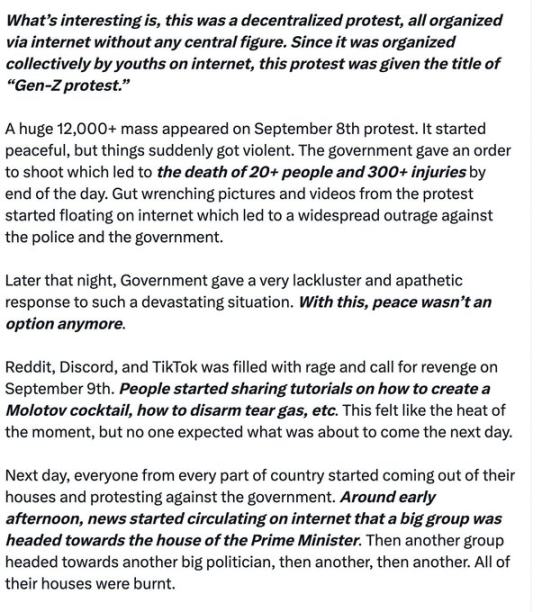
A peaceful movement initiated by Nepal's Gen Z youth—aimed at opposing government cronyism, corruption, wealth inequality, and social media bans—turned violent after authorities opened fire on peaceful protesters. In this act of authoritarian violence, 19 Gen Z demonstrators were killed and 400 injured, carried out by police under orders from the ruling regime. The incident sent massive shockwaves throughout the country, completely shifting the direction of the protests.
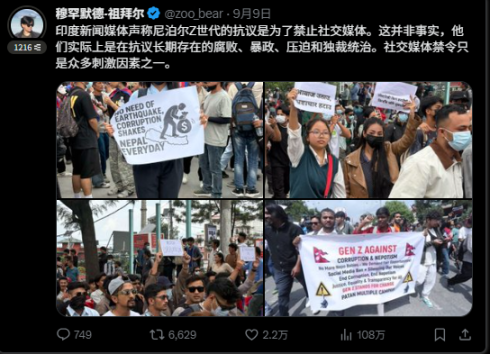
News spread rapidly through Discord channels, and young people quickly gathered in cities across the nation. Parliament buildings, public infrastructure, and politicians' homes were set ablaze by protesters. Anger swept across Nepal, forcing the government to lift emergency measures within less than 24 hours. Prime Minister Oli resigned. Nepal’s Gen Z had won—without any support from opposition parties. This was a fight against all political establishments, pure youth energy expressed in its most raw form.
With other social media platforms banned, youth led the entire movement in a decentralized manner via Discord. When banking systems shut down, they transacted using cryptocurrency. They ran the entire protest without relying on a single leader.
The Decentralized Nature of Courage
The decentralized character of this protest is historically significant. Unlike traditional movements that depend on charismatic leaders or political parties for organization and direction, Nepal’s Gen Z demonstrated how technology can flatten hierarchies, enabling thousands to act in sync without central command.
Credit: https://x.com/rachinkalakheti/status/1966314602251301138
Each Discord server became a command center—information flowed freely, strategies were crowdsourced, and decisions made collectively. No individual could be silenced or bribed, because leadership was distributed. Even if certain channels were blocked or organizers arrested, the movement continuously regenerated itself. This is the true power of decentralization—no one owns it, yet everyone contributes.
Corruption Is a Global Disease
The way Nepali politicians used public funds for personal gain is a pattern visible almost everywhere around the world. Many brave journalists have exposed corruption before. But corruption within democratic systems is often more subtle and hidden than outright authoritarianism.
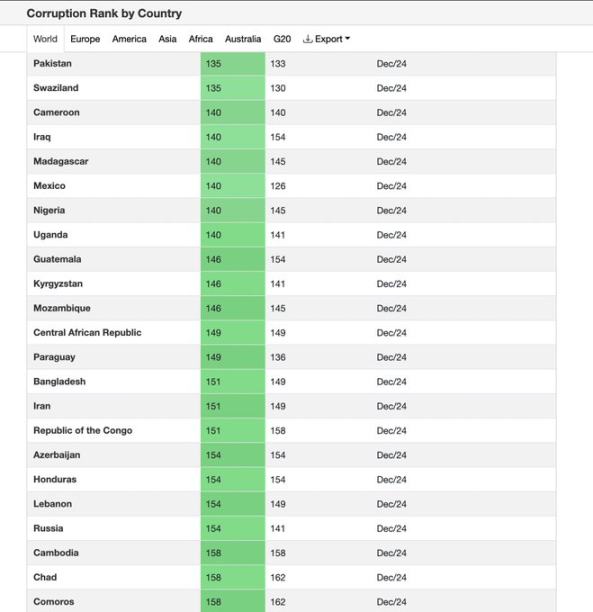
From South Asia to Latin America and Africa, political elites accumulate generational wealth through opaque contracts, kickbacks, monopolies, and nepotism. They extract resources meant for public good and redirect them into private empires, leaving ordinary citizens to survive on scraps. People subconsciously know this truth, but avoid confronting it—because the system normalizes exploitation as “the way things are.”
Nepal’s Gen Z shattered this illusion. They showed that you can confront corruption and demand accountability—even if it means burning down buildings symbolizing that corruption.
Social Media as the Battlefield
This protest illustrated how social media trends and digital campaigns can mobilize massive support in a short time. Hashtags became rallying cries, memes turned into political weapons, and real-time updates served both as strategic logs and morale boosters.

Within hours, what was once dismissed as "angry youth" transformed into an organized street uprising. I’m fairly certain that similar movements aiming to overthrow capitalist regimes are already in early stages across the globe. Not all will succeed like the Nepal protests, but some certainly will. I wouldn’t be surprised if something similar erupted among Gen Z in India within the next three years. Success is another matter—but attempts will happen.
Cryptocurrency as Fuel for Resistance
Cryptocurrency will play an increasingly critical role in such protests, ushering the world into an era of political instability. Governments control fiat money and can halt its flow—but people can bypass these barriers with crypto.
Funding is always the backbone of any movement; without it, protests collapse. Traditional funding relies on NGOs, opposition parties, or foreign donors—sources often compromised or blocked. Cryptocurrency offers a parallel track: fast, censorship-resistant, and borderless.
When a group launches a nationwide protest and shares a clear manifesto, they could even launch a meme coin. Such a coin isn’t just a fundraising tool—it becomes a cultural symbol. Every transaction is a tiny vote of confidence; every price increase reflects a pulse of collective energy. Those who buy the coin become full-throated advocates on social media, drawing more attention, driving more transactions, which in turn push prices higher.
The team behind the protest can keep sharing real-time field updates, acting as catalysts for the coin’s value. Imagine someone in New York, Berlin, or Tokyo holding a meme coin tied to the movement, watching live protest streams—the emotional and financial connection merges into one. Without funding, protests cannot last. Meme coins may be the most innovative way to merge funding with visibility.
The Economic Desire Behind the Anger
Even in Nepal, people protested because they earn less than the children of the elite. Money is the unspoken motive—the quiet engine beneath the anger. They need money for comfort, for safety, and they’re fighting for it.
But did the Nepal protests actually solve these issues? I doubt it. In the short term, when the new government rolls out plans, there may be hope for better lives and greater opportunities. That sounds easy in words. But can Gen Z truly execute and create real wealth for the majority? That’s hard. It requires experience, planning, strategy, and immense courage.
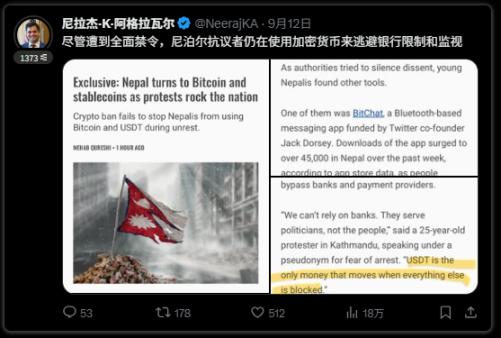
Still, if cryptocurrency finds its way into the country and reshapes the economy, they may eventually create new ways to earn. They could offer tourism services peer-to-peer, cut out middlemen, and earn more. If the entire nation shifts toward P2P exchange and communication, it could save 10–50% in intermediary costs and corruption losses. These savings passed back to the Nepali people running the economy could become a true game-changer.
The Future of Protest
What happened in Nepal is not an isolated event. It’s the opening chapter of a new era—a time of political upheaval where youth will rise through decentralized systems, crypto rails, and peer-to-peer economies, bypassing traditional institutions.
In the next five years, many such protests will emerge globally. Some will fail, but others will shake entire governments. Behind many of these uprisings, cryptocurrency will serve as the invisible fuel—funding movements, keeping communications alive, and building parallel economies when official channels are shut down. Peer-to-peer systems will no longer be mere conveniences—they’ll become tools of resistance.
Nepal’s Gen Z has shown the world that courage, coordination, and technology can collide—and rewrite history overnight.
The real question is: which country will be next?
Join TechFlow official community to stay tuned
Telegram:https://t.me/TechFlowDaily
X (Twitter):https://x.com/TechFlowPost
X (Twitter) EN:https://x.com/BlockFlow_News
 hitesh.eth