Money, Control, and Decentralization
TechFlow Selected TechFlow Selected
Money, Control, and Decentralization
At a higher level, money is merely a tool. More precisely, it is a tool for control.
 Navigating Web3 tides with focused insights
Author: The Smart Ape
Translation: AididiaoJP, Foresight News
I often hear people say: "Big tech companies are just chasing profits." Clearly, those people don't understand anything.
The deeper truth is that these giants aren't chasing revenue—they're chasing control over patterns, narratives, and thoughts.
Bernard Arnault, one of the richest people in the world, once said:
"I now owe two billion dollars, and I sleep more soundly than when I owed fifty thousand."
To them, money itself isn't the goal—it's a tool.
If a company loses money every year but gains direct control over its users—their choices, their values, their beliefs—then it hasn't failed at all. It reaps massive returns from the only thing that truly matters: control.
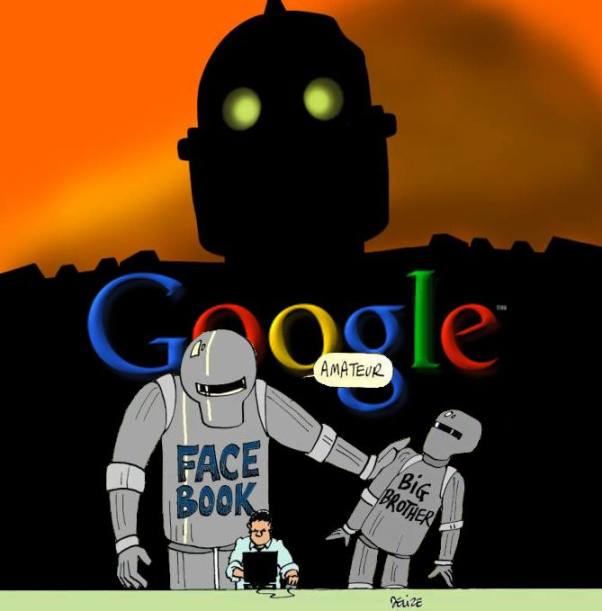
The Mirage of Money
We are the only ones who still treat money as the ultimate goal.
But at higher levels, money is merely a tool. More precisely, a tool for control.
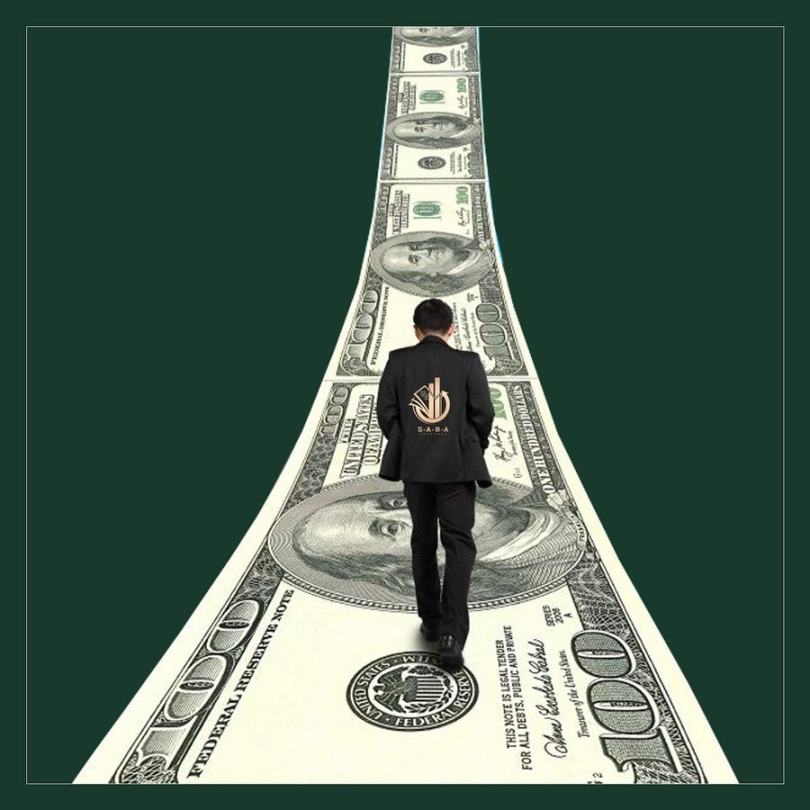
Money didn't always play this role. In its earliest forms, it was simply a medium of exchange—for fruits, vegetables, goods.
Then came salt and spices, easier to trade.
Later, precious metals, silver and gold coins, which held real value due to scarcity and utility.
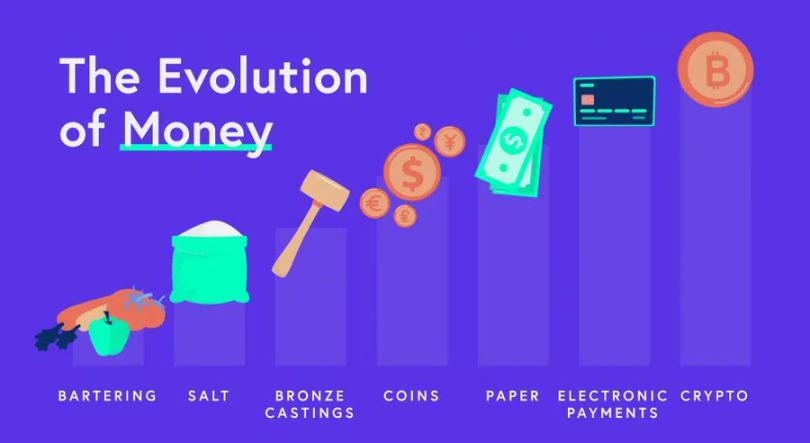
Until then, money represented real value.
But then we moved to paper currency, which has no intrinsic worth; followed by something even more abstract: digital money, data on screens, infinitely printable with a click.
This latest form allows those who control its creation to obtain real resources—water, food, land, and now even time and human thought—for free.
So when a company appears to lose money on paper while capturing your attention, your mind, your behavior, it hasn’t lost anything. It’s trading fake money for real human resources.
Data Reflects Control, Not Just Profit
Let’s be honest, the numbers behind OpenAI, Google, and Anthropic are insane.
But what’s even crazier is that if profit were the goal, these numbers make no sense. They only make sense if domination is the goal.
OpenAI generated about $4.3 billion in revenue during the first half of 2025, putting it on an annualized run rate of $10 billion. Sounds profitable to you?
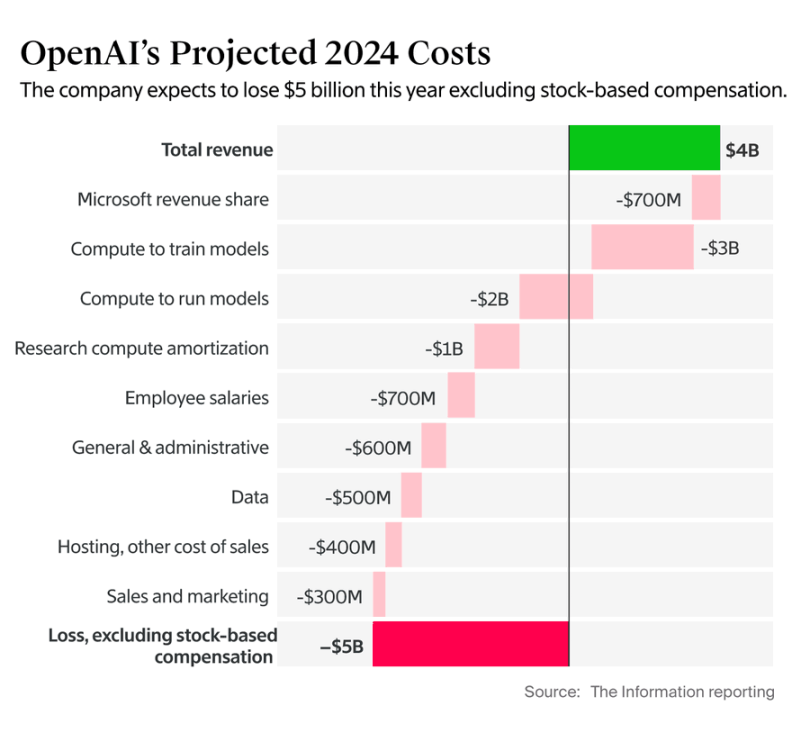
Yet it burned through $2.5 billion in the same period. For every dollar earned, it spent $1.60.
It also raised another $8.3 billion in capital, potentially expanding to $40 billion. Investors know it's not profitable—and they don’t care. Why?
Because the goal isn't short-term returns, but locking the world’s AI layer into OpenAI’s ecosystem.
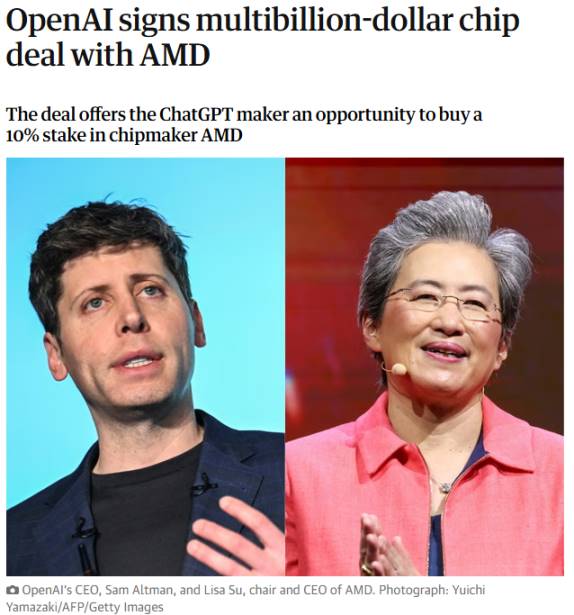
OpenAI even signed a multi-billion-dollar agreement with AMD—not just to buy chips, but to secure long-term GPU supply, even acquiring up to 10% equity in AMD. That’s vertical domination, controlling the raw computing power all future AI depends on.
Take AI: only three or four companies completely dominate model training.
Building these models requires hundreds of millions, even billions, in computational power and data.
Smaller players can't compete, giving these giants disproportionate influence over how every AI “thinks” and “speaks.”
@MTorygreen calls this AI monoculture:
"When everyone uses the same few models, online content converges into the same tone, style, and perspective."
Beyond filtering out diversity, this system creates a single mode of thinking.
It feels like they don’t want people to think for themselves, to have personal ideas or independent insights.
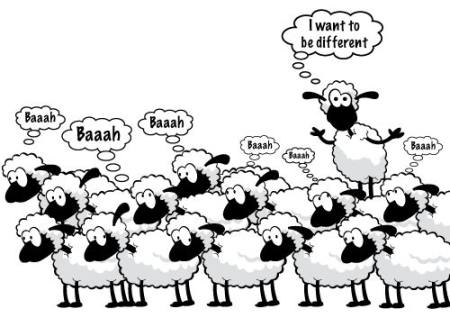
They want you to follow the narrative, like obedient sheep.
When you control the model, you control which voices are amplified and which disappear, which ideas become “truth.”
You don’t even need to ban speech—many viewpoints never emerge because datasets and model filters erase them before birth.
How Technology Shapes What We See, Think, and Believe
Since most digital services rely on the same few models, the entire online discourse becomes homogenized.
Tone, arguments, even what is considered “acceptable,” begin aligning with the values coded by these companies.
If a model is optimized for “safety,” “risk-aversion,” or “political correctness,” dissenting voices or unconventional tones get softened, sanitized, or entirely removed.
This is soft censorship by design.

Tory Green explains it perfectly—we no longer interact with a messy, wild internet, but
“an echo chamber resonating with corporate-approved responses.”
Small developers trying to introduce new languages, minority perspectives, or cultural nuances stand no chance—they lack equal access to computing power, data, or funding.
In short, they don’t have access to infinitely printed money.
The world we end up in isn’t one of many minds, but many mirrors reflecting the same mind.
The Only Way Out Is Decentralized AI
If the problem is centralized control over models, computing power, and data, then the solution must reverse it.
The only way forward is decentralization—of computing power, models, and governance.
Imagine GPU networks spread across thousands of contributors, not controlled by any single cloud or company.
Projects like @ionet are already building this vision—communities sharing computing resources for independent developers to use.
Instead of relying on one giant’s “ruler-of-all model,” each community, culture, and language could train its own models, reflecting its values and worldview.
Tory Green advocates exactly this—thousands of unique, community-driven models instead of one AI monoculture.
These community models would be transparent, auditable, and governed by users themselves, so bias and censorship can’t hide inside corporate black boxes.
Of course, it’s not easy. Competing with these giants requires equal access to resources, nearly impossible without infinite capital.
But there’s another force: collective awakening.
If enough people understand what’s at stake and unite their real resources—energy, creativity, collaboration—they can build something greater than money.
It’s difficult, yes. But it’s necessary.
Because if we don’t, this system will only grow worse, draining more and more real resources from the world.
We’ve reached a point where even our free will and imagination are being extracted.
If we don’t push back now, what resource will they take next?
Join TechFlow official community to stay tuned
Telegram:https://t.me/TechFlowDaily
X (Twitter):https://x.com/TechFlowPost
X (Twitter) EN:https://x.com/BlockFlow_News
 @the_smart_ape