








A Comprehensive Look at Fully On-Chain Games: Castles in the Air or Oases in the Desert?
TechFlow Selected TechFlow Selected
A Comprehensive Look at Fully On-Chain Games: Castles in the Air or Oases in the Desert?
Is full-chain gaming, a game format closely integrated with blockchain technology, poised to become a new oasis in the desert?
 Navigating Web3 tides with focused insights
Produced by: TechFlow Research
Author: David

In the crypto world, GameFi is going through a downturn, and public interest has waned. However, recently the concept of fully on-chain games has begun attracting more attention and discussion, seemingly bringing a glimmer of renewal.
Fully on-chain gaming is a form of gaming deeply integrated with blockchain technology. Could its emergence become a new oasis in the desert?
This article will conduct an in-depth analysis of the technical characteristics, use cases, current challenges, and future prospects of fully on-chain games, revealing their potential and possibilities, as well as their impact on the gaming industry and players.
Fully On-Chain vs. "Semi" On-Chain
Before anything else, having a clear definition is important.
When I first heard the term "fully on-chain game," my immediate question was: what exactly is a "semi" on-chain game? Or, how does previous interaction between games and blockchains differ?
Following this line of thought, we can make the following distinctions:
-
Off-chain games:
These are traditional fully off-chain games. The core logic, rules, and interactive processes of the game are entirely executed on the game company's servers, and players' game assets and virtual items exist only within centralized server databases. In this model, the game company holds absolute control and data ownership.
-
Semi-on-chain games:
Early blockchain games addressed the issue of virtual item ownership in traditional games by recording ownership of game assets and virtual items on the blockchain. However, the core game logic and interactions remained centralized, relying on centralized servers for computation and processing.
-
Fully on-chain games:
A new type of game that combines blockchain technology with decentralized features. In fully on-chain games, the core logic, rules, and interactive processes are entirely executed on the blockchain, using smart contracts to enforce and verify game rules. Meanwhile, game assets and virtual items also exist on the blockchain, allowing players direct ownership, trading, and transfer of these assets without relying on the game company’s centralized servers.
Here is a simple comparison of the three:
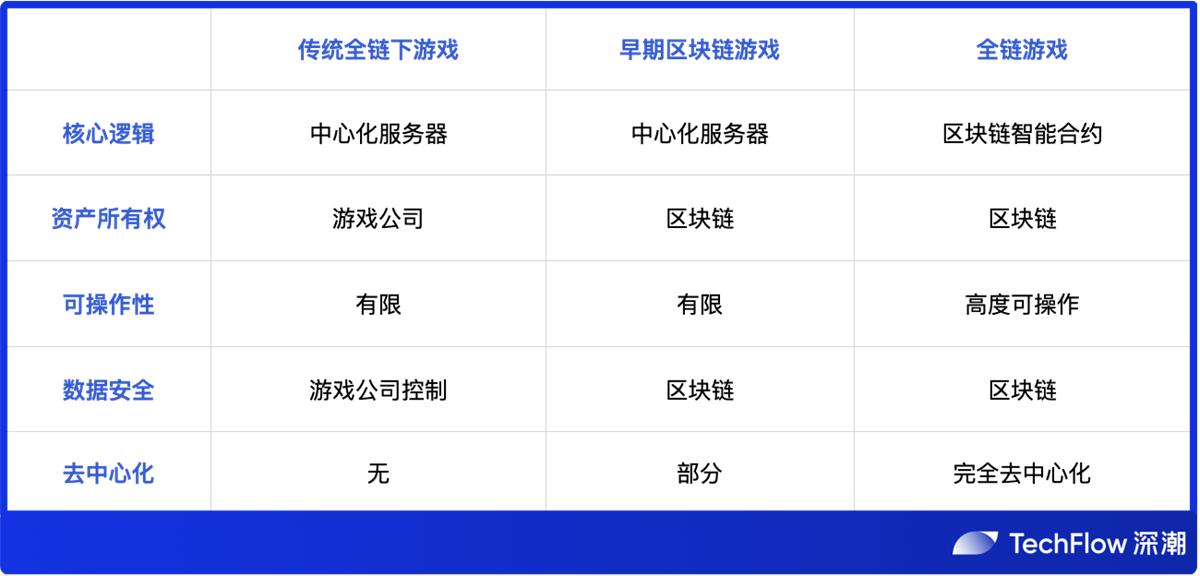
The differences among the three in terms of core logic, asset ownership, operability, data security, and decentralization are evident. Fully on-chain games achieve true decentralization by recording both core logic and assets on the blockchain, offering players greater autonomy and security.
(Note: The above does not consider whether game art resources are stored on-chain. Generally, such resources are not placed on-chain or are handled via decentralized storage solutions.)
The Supporting Puzzle of Fully On-Chain Games
With both logic and assets on-chain, can it really run that simply? Although fully on-chain games store game logic and assets on the blockchain, additional technical stacks and tools are required to enable full functionality and user experience.
The reason auxiliary tools are needed lies in the fact that the blockchain itself, as a state machine with limited performance or scarce on-chain resources, struggles to independently handle redundant calls under high-frequency interactive scenarios like gaming.
At ETHDenver a few months ago, developer William Robinson provided an in-depth summary of other supporting tools potentially required for fully on-chain games, broadly categorized into the following areas:
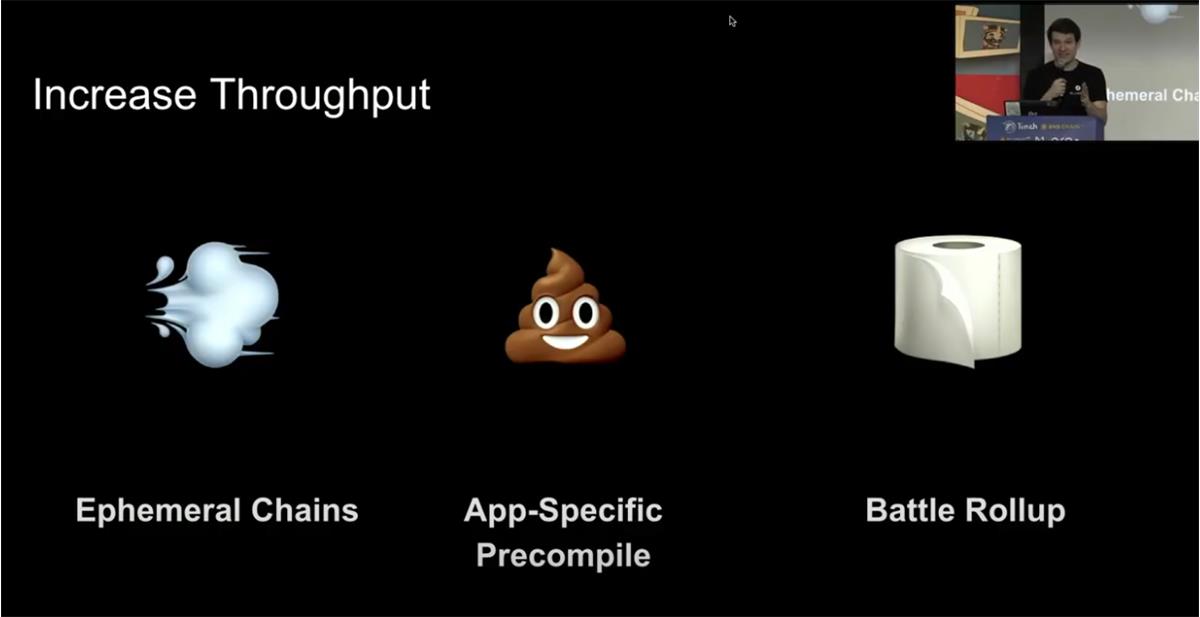
Ephemeral chain (temporary chain): A temporary blockchain specifically used to process transient data and computations within the game. By utilizing ephemeral chains, fully on-chain games can achieve fast transaction confirmations and instant state updates, delivering a smoother gameplay experience.
After these computations are completed, the ephemeral chain disappears.
App-specific precompile: A smart contract precompiler designed for specific application scenarios. In fully on-chain games, app-specific precompiles provide specialized functions and computational capabilities to accelerate game logic execution and reduce transaction costs, enhancing scalability and efficiency.
This is similar to the "pre-loading" principle in traditional games—essentially preparing resources in advance for quick retrieval when needed.
Battle rollup: A technical mechanism designed to simplify combat processes in fully on-chain games. By batching and aggregating player combat actions into a single block, battle rollups reduce the number and cost of transactions, improving game performance and playability.
To illustrate: consider the example, "He moves forward 2 steps, back 3 steps, left 4 steps, then knocks down Tom." Perhaps we could aggregate the final outcome of several movements into one block instead of recording each step individually.
While this doesn’t constitute truly full on-chain execution—just as L2 rollups aren't fully "on-chain"—it represents a practical compromise.
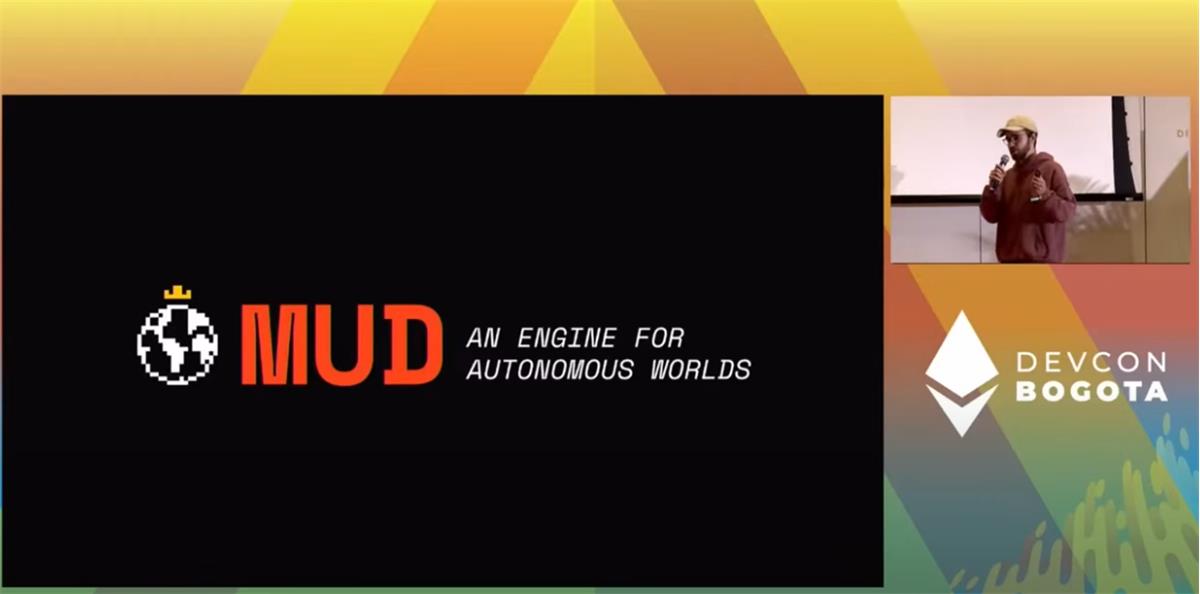
Engine for On-Chain Games: A dedicated engine tool developed specifically for building fully on-chain games. It provides a development framework and toolkit to help developers implement game logic and interactive features on the blockchain. This engine simplifies development, offering rich libraries and tools that allow developers to create fully on-chain games more efficiently.
Indeed, some developers are already experimenting—for instance, the MUD on-chain game development engine presented at Ethereum DEVCON.
Synchronization: In fully on-chain games, synchronization mechanisms ensure consistency of operations and states across players. In traditional games, frontend and server synchronize via coordination protocols. In fully on-chain games, synchronization must leverage blockchain and smart contracts to maintain operational and state alignment among players, ensuring fairness and trustworthiness.
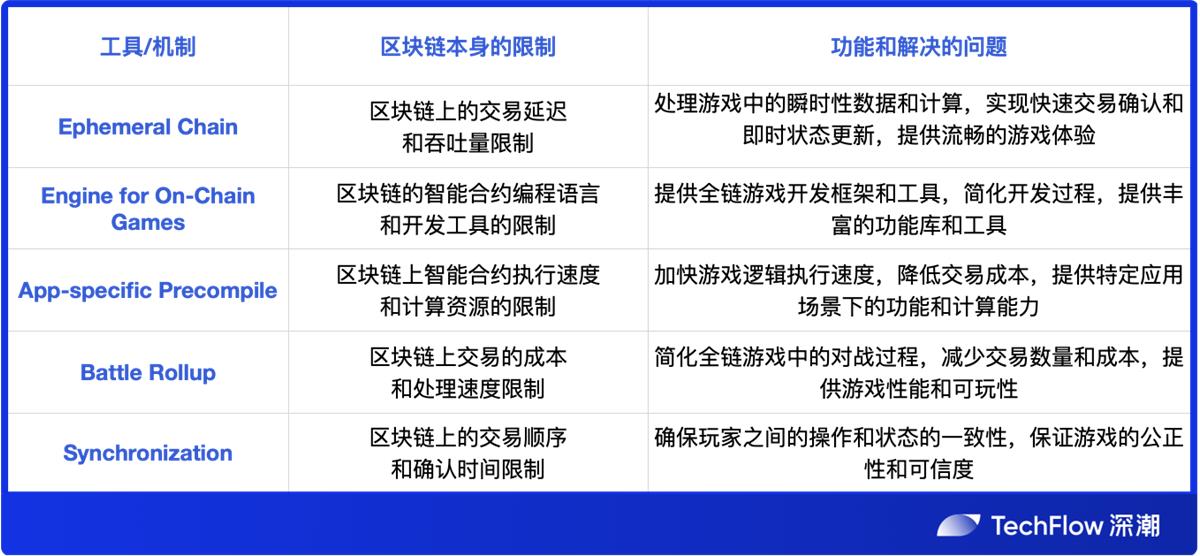
The table below helps you quickly understand some of the tools and mechanisms required for fully on-chain games.
Is It Worth All This Effort Just to Play a Game?
“I just want to have fun and enjoy myself—does gaming really need to be this complicated?” — There's clearly a tension between the player perspective and the crypto narrative.
Fully on-chain games offer freedom, control, and composability. Players own and control their game assets, no longer constrained by centralized platforms, enabling unique gaming experiences.
Additionally, they enable fairer financial gains and economic value creation. With all rules and actions recorded on-chain, rewards depend purely on effort—"how hard you grind"—making the system relatively fair and capable of generating real economic returns, which particularly appeals to non-traditional players involved in gold farming.
Moreover, narrative emphasis often matters more than the activity itself. The crypto world champions decentralization and anti-authority ideals; creating a game independent of developers resonates as a symbolic flag. More concretely, in fully on-chain games, players can participate in co-creating narratives, jointly shaping the game’s worldview and storylines—an appealing prospect.
Currently, trading convenience, smoothness, and entertainment for ideological fairness and control—this philosophy isn’t universally understandable or acceptable.
To better understand the applicability of fully on-chain games, we can summarize their advantages, disadvantages, and target audiences as shown in the table below:
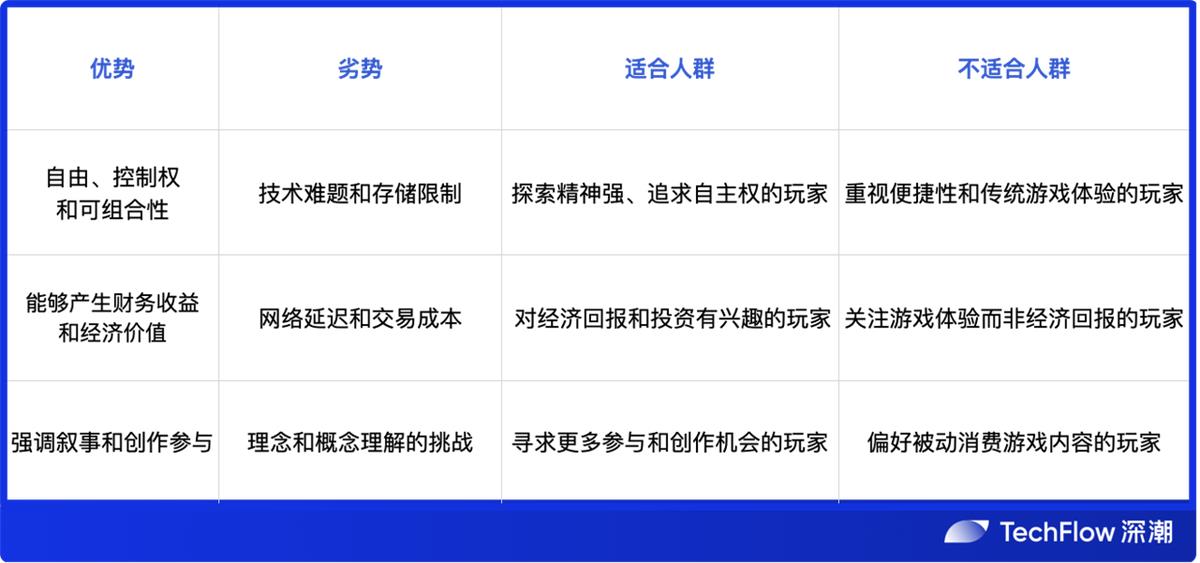
Furthermore, in certain game genres, the application of fully on-chain models appears more necessary—often dictated by the inherent rule characteristics of the games themselves:
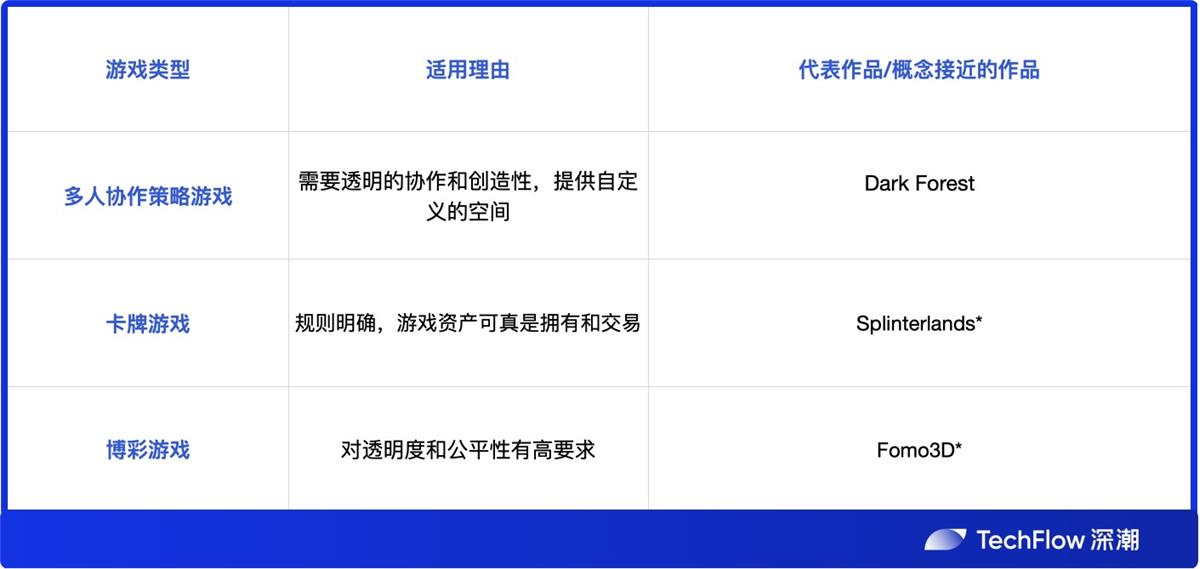
Note: * indicates not fully on-chain—some logic remains off-chain—but shares certain similarities.
We’ve even seen another form of fully on-chain game emerge during the recent BRC-20 craze: HTML5 mini-games where the entire game file is moved onto the Bitcoin chain and inscribed directly onto the blockchain via ordinals. Users can access a webpage and start playing immediately.
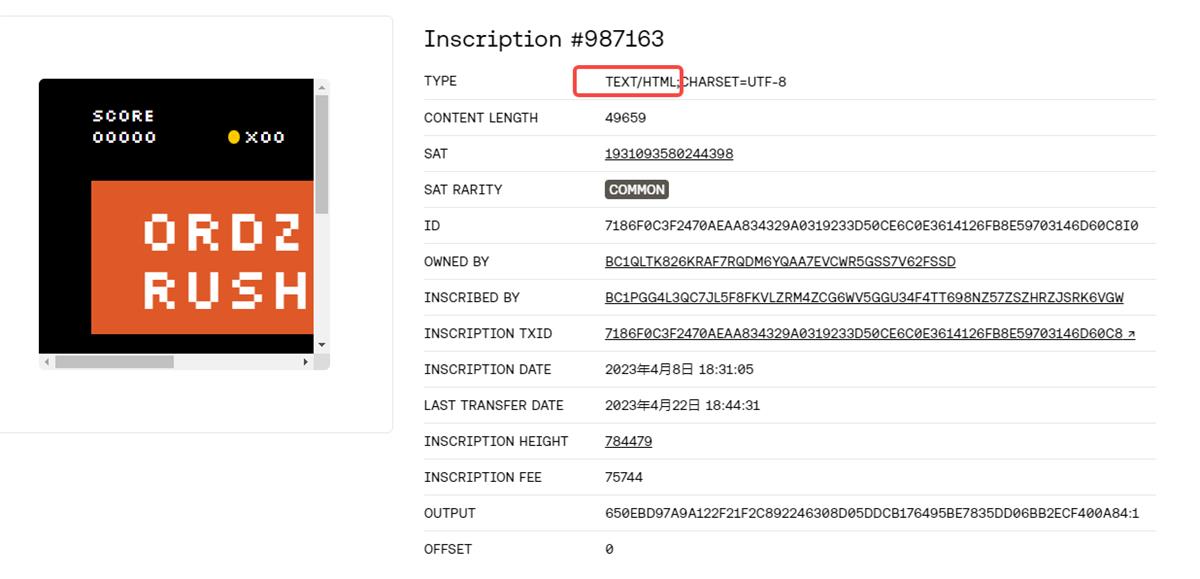
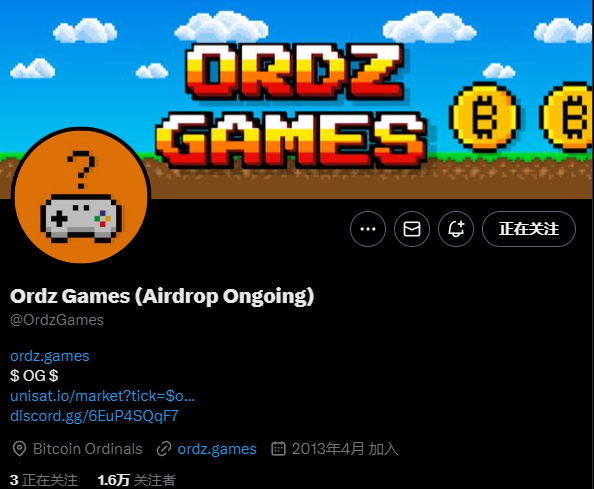
This is more akin to a “one-time” full on-chain deployment, where player actions don’t require further interaction with the chain. Typical examples include @OrdzGames. These games usually consist of small levels, making them suitable for casual entertainment due to their lightweight nature.
Future Outlook
In the future, fully on-chain games may integrate with technologies like account abstraction, enabling batch transaction processing, signatures, and delegated signing. This means routine in-game actions—such as the next 20 moves—could proceed without repeated signing or use delegated signing to streamline operations. Such integration would bring more efficient interaction and gameplay experiences.
Currently, fully on-chain gaming remains more of a conceptual and intellectual exploration than a commercially driven movement. Despite introducing new business models and opportunities, widespread adoption by industry giants faces numerous conflicting interests.
Fully on-chain games resemble a disruption emerging from the fringes—conceptually beautiful and aspirational, yet not essential. Their realization requires overcoming significant technical and commercial hurdles and establishing a foothold within the existing gaming industry.
Nevertheless, for those passionate about innovation and devoted to the spirit of decentralization—geeks and cyberpunks alike—fully on-chain games may become a uniquely beautiful oasis in the desert.
Join TechFlow official community to stay tuned
Telegram:https://t.me/TechFlowDaily
X (Twitter):https://x.com/TechFlowPost
X (Twitter) EN:https://x.com/BlockFlow_News
 深潮TechFlow






