Understanding ERC721-C: Programmable Royalties for Fairer NFT Value Distribution
TechFlow Selected TechFlow Selected
Understanding ERC721-C: Programmable Royalties for Fairer NFT Value Distribution
An ERC-721C focused on royalty design has emerged, potentially bringing a major shift to NFT royalty systems.
 Navigating Web3 tides with focused insights
Author: Hunter Solaire
Translation: TechFlow
New standards often fly under the radar at first, only gaining attention once a breakout use case emerges.
After ERC-721, a new standard focused on royalty design—ERC-721C—has emerged and is worth understanding early.
NFT royalty systems may be on the verge of a major shift. Now, we can set 100% royalties for holders and prevent platforms like Blur and OpenSea from overriding them to 0%. In this article, analyst Hunter Solaire explains the new NFT standard ERC721-C and how it makes this possible.
TechFlow Note: ERC721-C is a new standard enabling enforceable, on-chain programmable royalties. It allows creators to define the terms under which their NFTs can be transferred, opening doors to new models of rewarding creators, communities, partners, and affiliates.
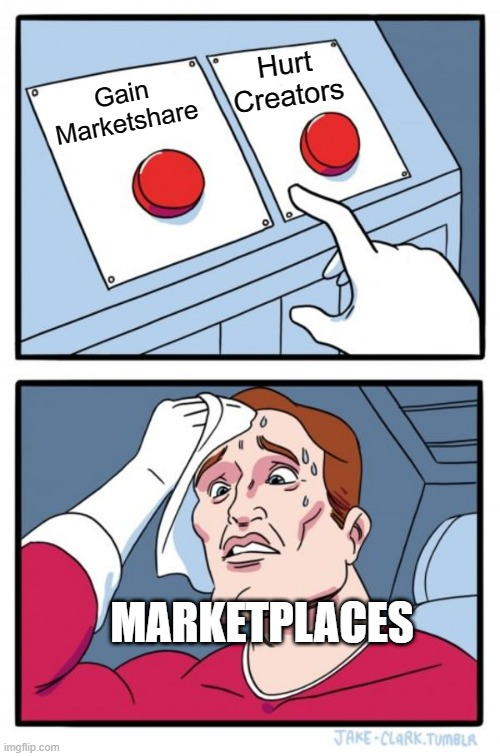
For a long time, we've known that royalties are in a bad state:
-
Traders don't want to pay them;
-
Markets don't care about them;
-
Many founders/artists have stopped creating without them.
Here's something you might not want to accept: we need royalties.
I also don't want to pay 12% on every NFT trade (3-5% would be fine), but we need creators to have incentives to create—otherwise, why would they make NFTs? So let's talk about solutions that better align incentives between creators and holders.
The recently launched ERC721-C is an upgrade designed to benefit both creators and holders.
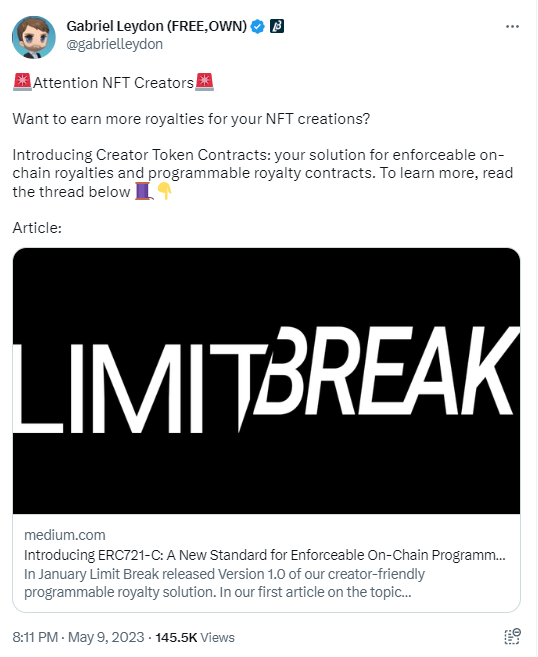
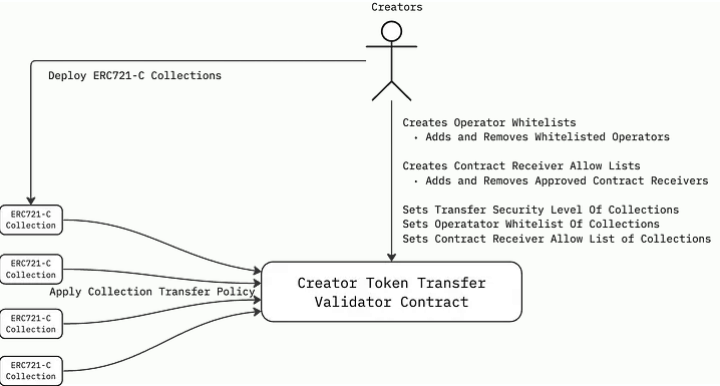
It introduces three key upgrades to the NFTs we know and love:
-
On-chain royalties (which OpenSea and Blur cannot set to 0);
-
Creators gain more influence over where their tokens are traded;
-
Royalties become programmable.
Programmable royalties? What does that mean?
Simply put, it means you can set new rules for when, where, and how royalties are collected.
Example:
In today’s market environment, minting is actually risky. Want to reward those loyal early supporters who minted? With ERC-721C, you can now flexibly configure their royalty benefits:
-
Set royalty to 0% if the NFT trades below mint price;
-
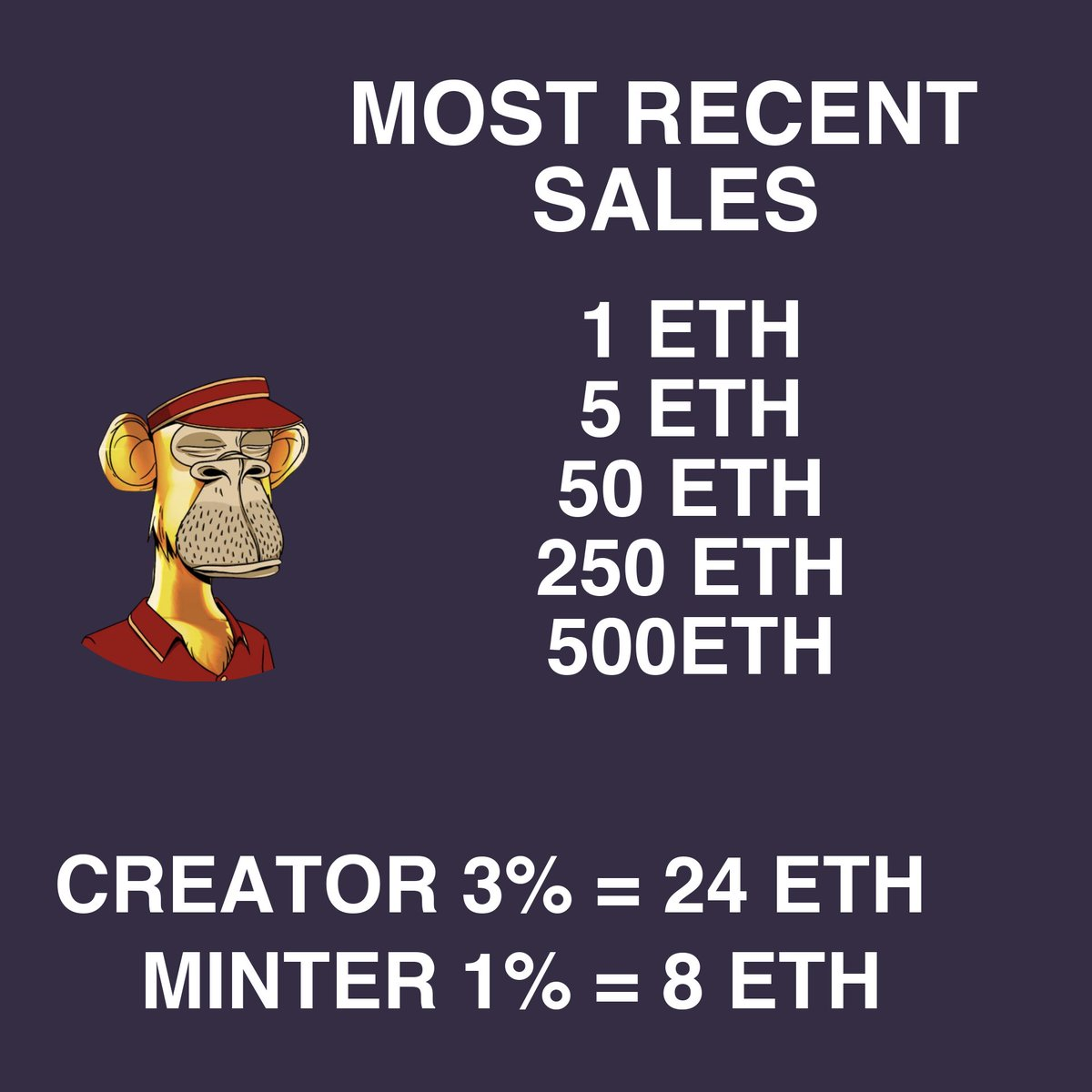
Customize royalty sharing—from 1% up to 100%;
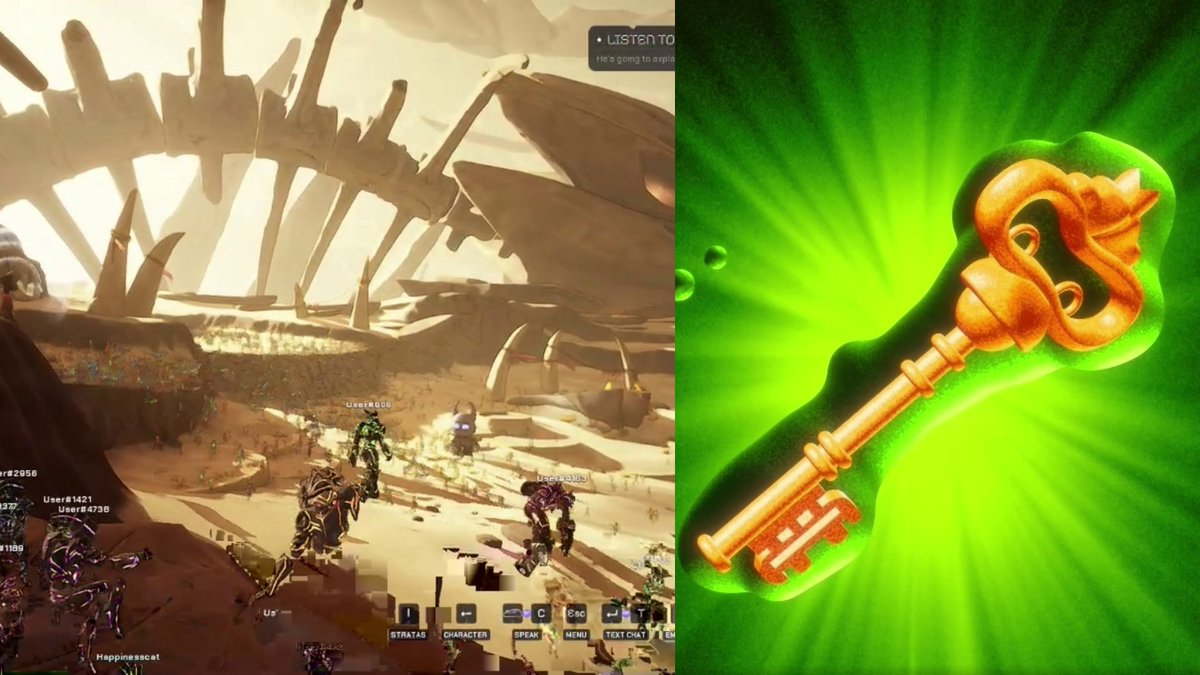
Remember that Dookey Dash Key that sold for $1.6 million? Yuga could easily host similar events again, this time emphasizing collaboration:
-
Host team-based treasure hunts;
-
Reward the winning team with a 1/1 NFT;
-
Let everyone split the sale proceeds plus permanent royalties.
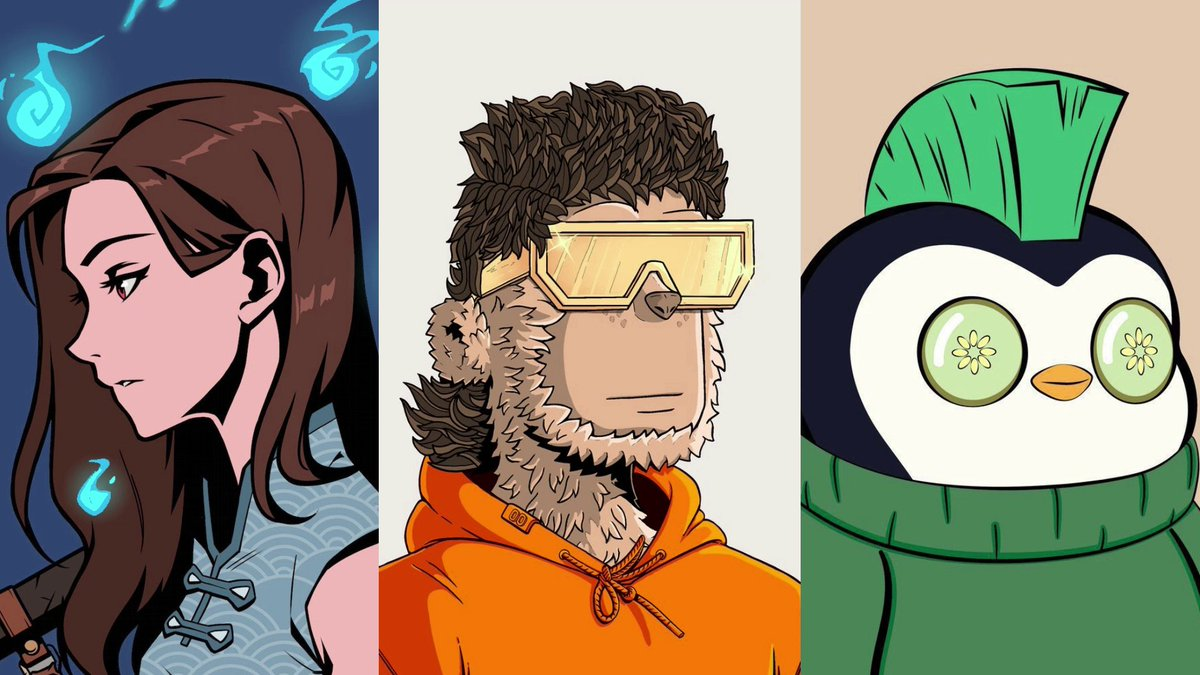
Not all holders are equal: some buy to speculate, some hold quietly, and others adopt your NFT as part of their identity and advocate for your brand daily.
Now you can reward your most valuable community members or DAOs by setting royalty percentages based on specific NFT traits.
There are three clear reasons why ERC721-C should be adopted:
• Holders are less upset about royalties (because they can benefit too);
• Creators are incentivized to build better NFTs;
• You can support a project even without owning its NFT.
That said, this isn’t a perfect solution:
• If too many features are added, contract logic could become overly complex;
• Projects must consult lawyers, as this model is new and may involve copyright and legal considerations;
• Marketplaces need to update to support all potential new functionalities.
Don’t forget, real adoption happens only after we see "proof." That proof will be a successful NFT project implementing this feature. Until LimitBreak or DigiDaigaku apply it to their collections, we may not see widespread creator adoption—but this is still far better than what we currently have.
For technical details on ERC721-C, refer to @gabrielleydon’s blog: (Blog Link)
Join TechFlow official community to stay tuned
Telegram:https://t.me/TechFlowDaily
X (Twitter):https://x.com/TechFlowPost
X (Twitter) EN:https://x.com/BlockFlow_News
 Hunter Solaire