ChainCatcher's "Zhen" series event successfully held its first edition, gathering Chinese builders to discuss new aesthetics in Web3
TechFlow Selected TechFlow Selected
ChainCatcher's "Zhen" series event successfully held its first edition, gathering Chinese builders to discuss new aesthetics in Web3
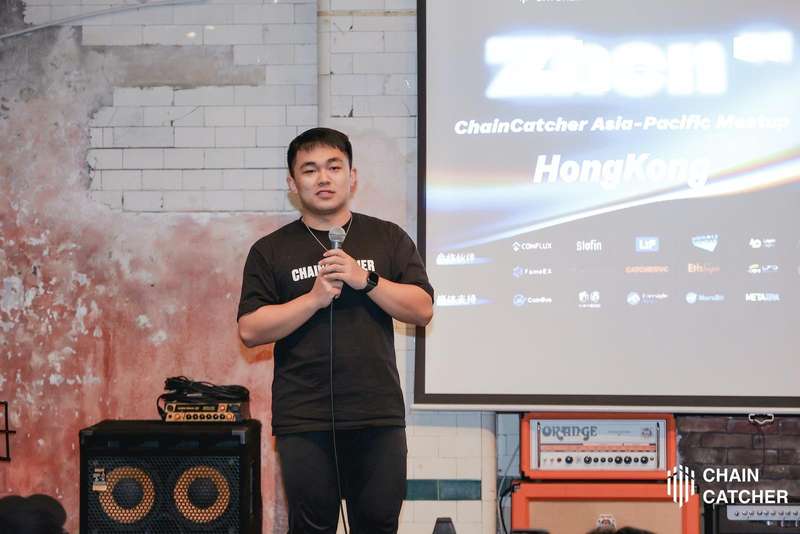
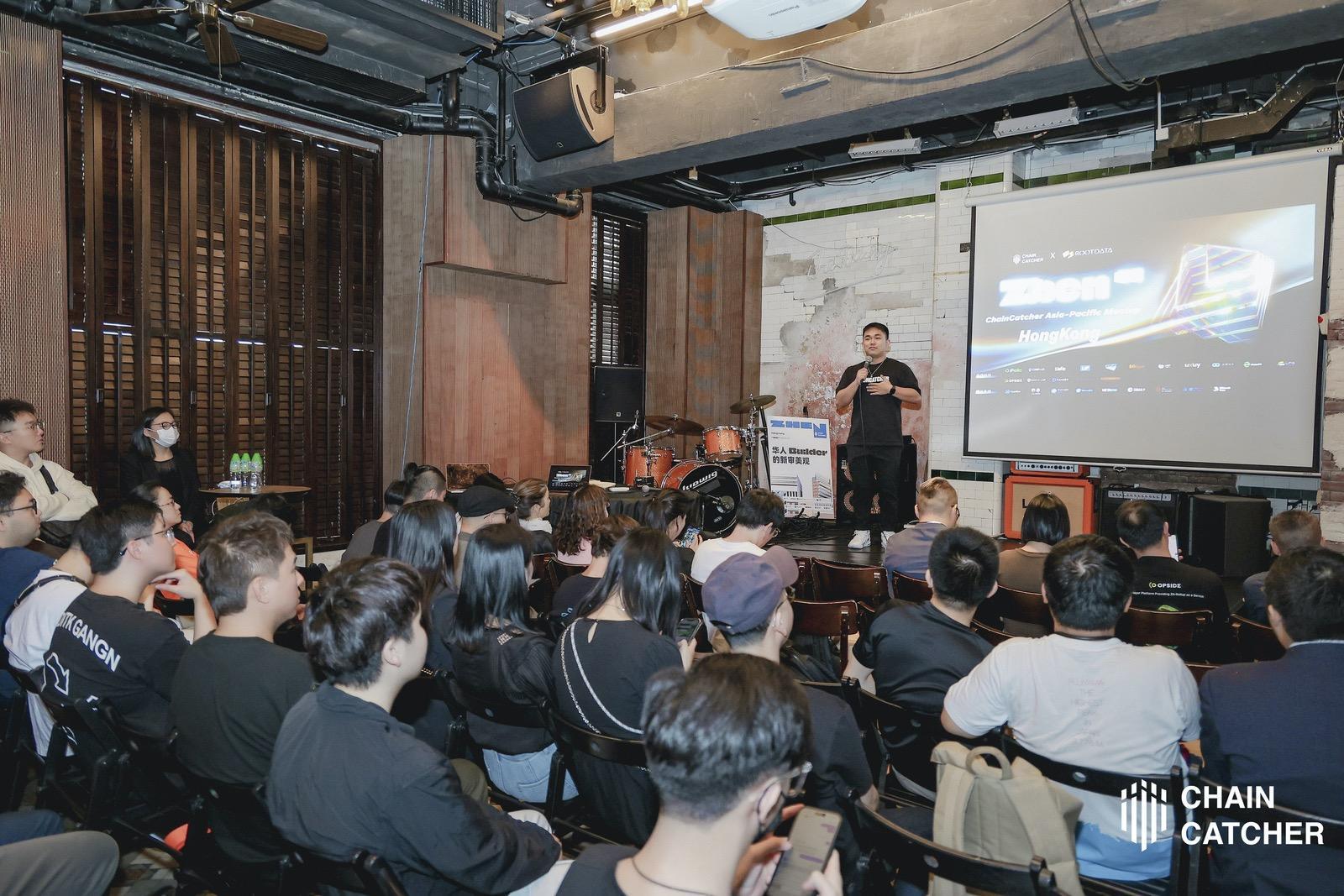
On April 10, the first edition of the "Zhen" series hosted by ChainCatcher successfully took place in Hong Kong, with the inaugural theme being "The New Aesthetic Perspective of Chinese Builders."
 Navigating Web3 tides with focused insights
On April 10, the first installment of "Zhen," a series of events hosted by ChainCatcher, was successfully held in Hong Kong. The inaugural session's theme was "The New Aesthetic of 'Chinese-Born Builders.'" The event welcomed high-profile guests including Liu Sheng, Co-Founder and CEO of Opside; Yan Xin, Co-Founder and CEO of EthSign; Mia, Core Contributor at LFGSwap; Howie, Co-Founder of Rootz Lab; and Jack Kong, Founder of Nano Labs and Director at Hong Kong Cyberport Management Company Limited. Over a hundred Web3 builders also attended in person to discuss new trends in Web3 development.
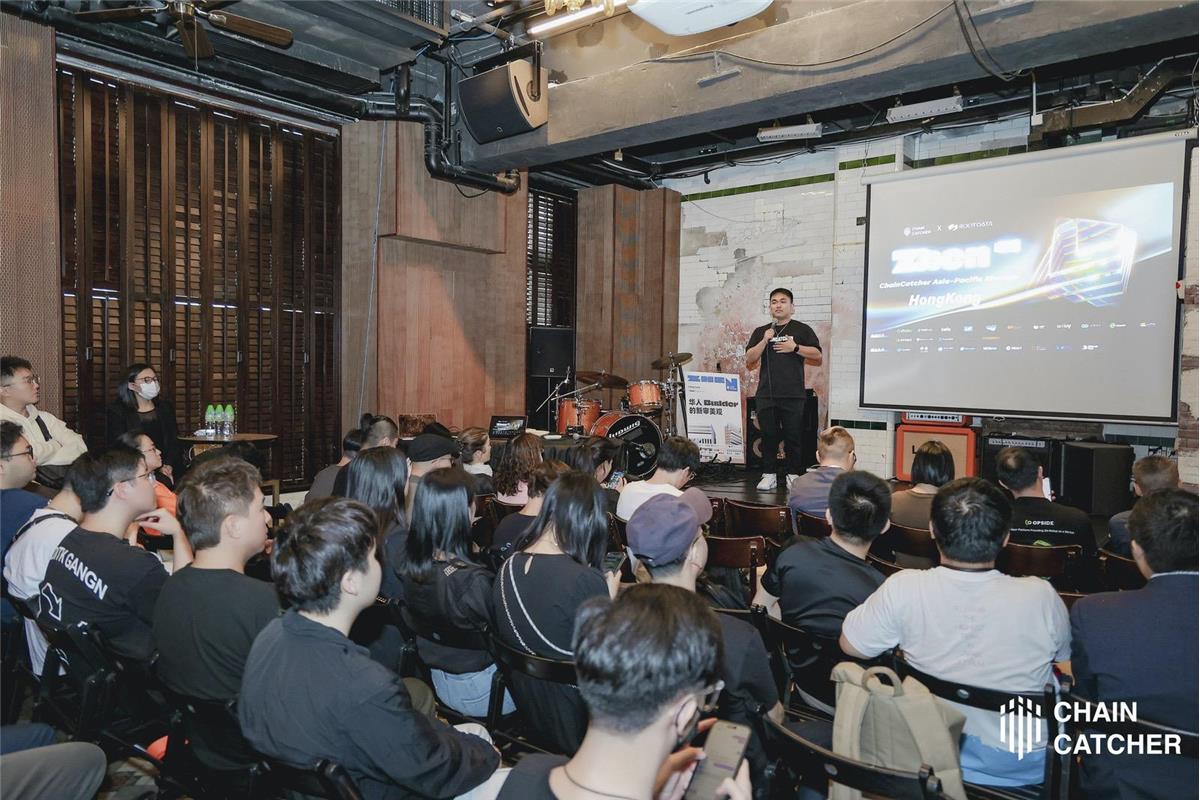
At the opening of the event, Hunter, Partner at ChainCatcher, delivered welcoming remarks, expressing deep appreciation for the community’s support of ChainCatcher and its crypto data platform RootData. Since its inception, ChainCatcher has closely followed the progress of Chinese-born builders. At a time when “projects led by Chinese teams are rising,” these builders have created a series of remarkable products—backed by a new aesthetic formed from fresh industry insights, novel solutions to user needs, and innovative approaches to community building.
The first keynote speech was delivered by Liu Sheng, Co-Founder and CEO of Opside, who spoke on the topic “The Evolution from Multi-Chain to Multi-Rollup Era,” offering insights into emerging trends in public blockchain development. He noted that public blockchain development has now transitioned from the multi-chain era into the multi-rollup era. Rollups better inherit the security and decentralization of Layer 1 blockchains while delivering higher performance, lower gas fees, and compatibility with multiple platforms such as zkEVM, zkWasm, and app-specific rollups.
As a platform focused on ZK-RaaS (Zero-Knowledge Rollup-as-a-Service), Opside has designed a three-layer architecture comprising a base chain, based rollups, and a decentralized prover to address existing challenges in rollup adoption—including limitations imposed by underlying L1s, lack of application sovereignty, insufficient security and decentralization in data availability layers, and the need for projects to build their own ZKP computing infrastructure. Opside has also innovated with a hybrid PoS+PoW consensus mechanism.
Liu Sheng also unveiled Opside’s latest technical roadmap: the Pre-Alpha testnet will launch before the end of Q2 this year, completing initial setup of the three-layer architecture and ecosystem projects, followed by Alpha and final testnet rollouts in Q3 and Q4 respectively, with the mainnet planned for release next year.
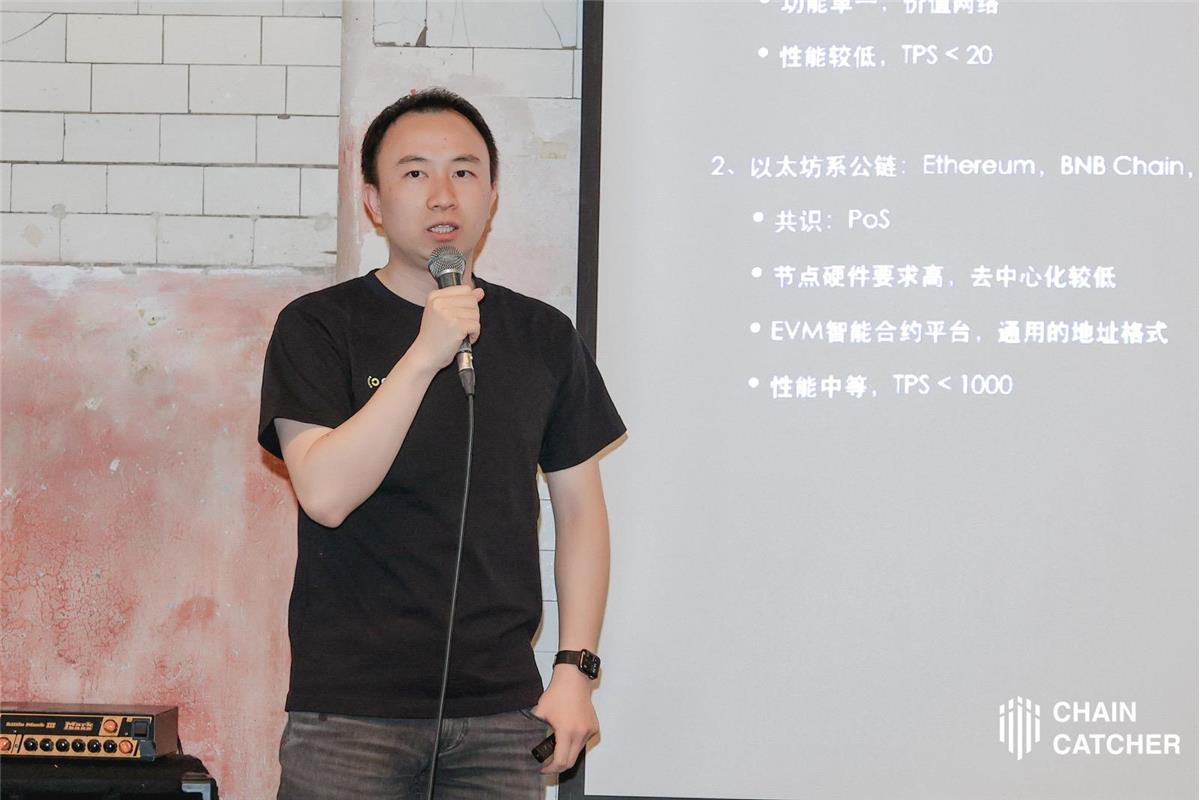
Liu Sheng, Co-Founder and CEO of Opside
Following this, Yan Xin, Co-Founder and CEO of EthSign, delivered a talk titled “Simplicity is the Final Achievement,” sharing his views on what makes a great project. Yan emphasized that simplicity is the ultimate success for any product or application. For example, both EthSign and Tokentable solve clear, specific problems that can be described in one sentence: TokenTable is a token ownership management platform—in other words, “the corporate registry for Ethereum”—while EthSign is a decentralized digital signing platform for agreements. Beyond clarity, a strong project should also deeply engage with the ecosystem and act as a bridge between different components.
Yan further introduced TokenTable, EthSign’s token ownership management platform. He explained that TokenTable is a token distribution and registration platform tailored for Web3 startups and DAOs, providing tools to manage token allocations for founders, investors, advisors, and community contributors. The platform offers an interface for managing token allocation quotas and maintains a comprehensive list of stakeholders, all of whom can clearly view and manage their unvested assets across various projects. Users can also easily add prior funding rounds within the management dashboard, enabling oversight of round details and interactive planning of token distributions.
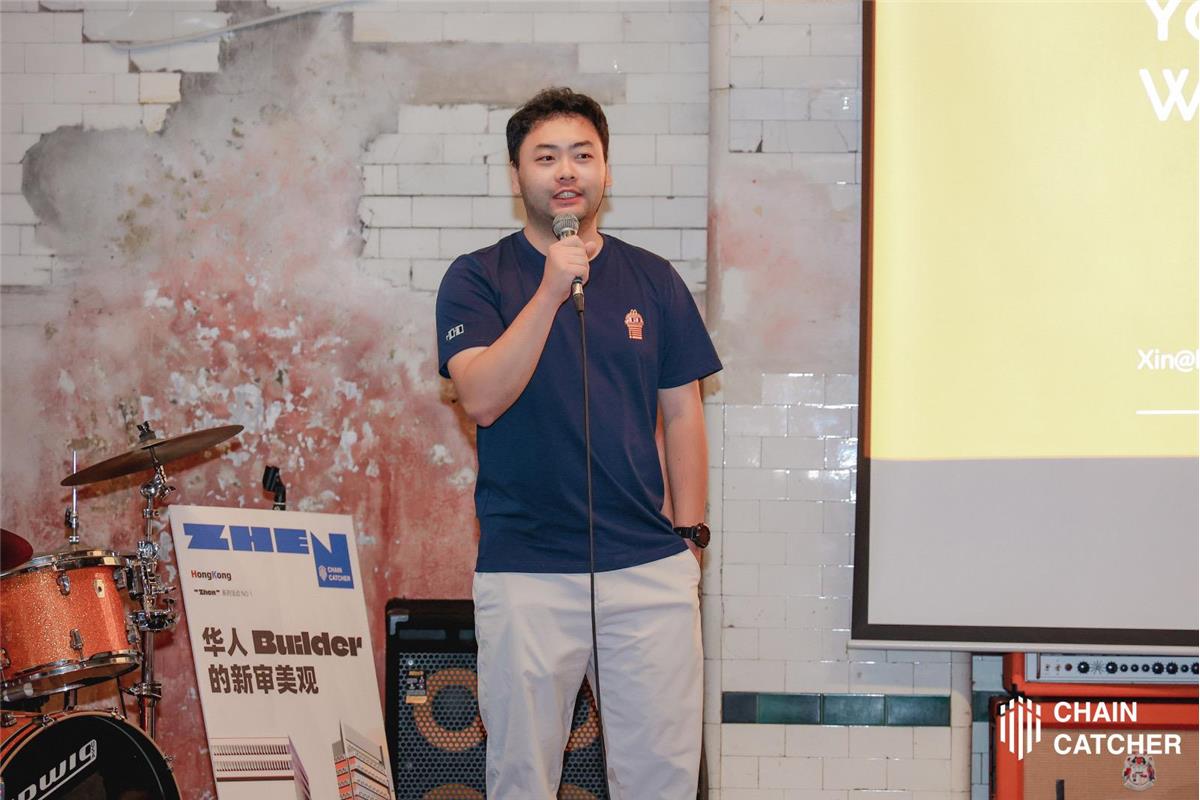
Yan Xin, Co-Founder and CEO of EthSign
In the afternoon session, Mia, Core Contributor at LFGSwap, kicked off with an energetic presentation titled “Let’s Fucking Go.” She stated that the collapses of centralized financial institutions like Silicon Valley Bank, Genesis, FTX, and Silvergate have further validated the necessity of DeFi.
LFGSwap is a community-driven DEX built across multiple ecosystems, primarily serving users from Nigeria, Indonesia, China, and other regions by providing more accessible financial tools. Currently, it holds the largest share of TVL within the Arbitrum ecosystem, exceeding $13 million, with nearly $20 million in total network TVL. Notably, LFGSwap previously conducted an IDO on Arbitrum that oversubscribed by 4,560% against expectations, raising $28.7 million in USDT.
Additionally, LFGSwap launched an NFT series inspired by the iconic imagery from the movie *The Wolf of Wall Street*, including a custom-designed “4” NFT for Binance founder Changpeng Zhao, which was shared by Zhao himself.

Mia, Core Contributor at LFGSwap
Following a string of major failures in the crypto market, how should crypto investment banks navigate the new cycle? Howie, Co-Founder of Rootz Lab, addressed this question in his talk titled “Industry Development and Rootz’s Strategic Moves,” sharing Rootz Lab’s achievements and latest developments as a cryptocurrency investment bank.
Rootz Lab is a research-driven investment fund offering full-stack services to innovative blockchain builders. Led by influential industry leaders, the team brings extensive experience in market operations, infrastructure technology, and investment research. Over the years, they’ve cultivated strong consensus-building capabilities, aiming to provide clients with the guidance, support, and resources needed to thrive in the fast-evolving world of blockchain technology.
To date, Rootz has partnered with over 200 industry VCs and consistently invested in infrastructure ecosystem development, focusing on areas such as modular blockchains, sharding, financial derivatives, zero-knowledge proofs (ZK), Layer 2, Layer 3, and Layer 0 technologies. This year, Rootz plans to collaborate with leading institutions to serve developer communities through online and offline hackathons across North America and Asia, helping more developers understand the space.
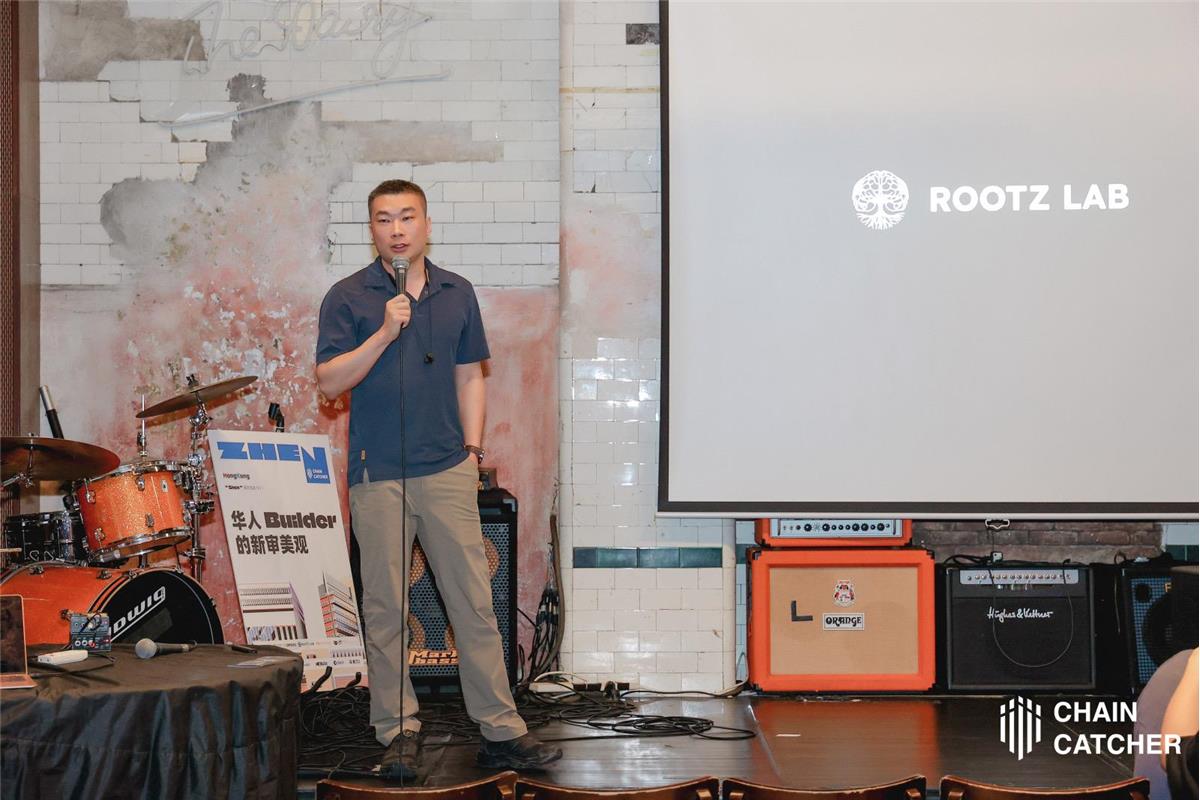
Howie, Co-Founder of Rootz Lab
Amid the ongoing crypto bear market, the rise of ChatGPT has brought new narratives to Web3. Jack Kong, Founder of Nano Labs and Director at Hong Kong Cyberport Management Company Limited, delivered a keynote titled “The Metaverse Singularity Is Near—Now Is the Time for Web3 Entrepreneurship,” outlining future trends in metaverse development.
Jack Kong noted that with the integration of next-generation AI technologies and Web3, many of the current challenges facing the metaverse—such as high entry barriers, limited scenarios, scarcity of digital assets, high development and operating costs, and poor support for large-scale concurrency—are being progressively resolved.
iPollo, the metaverse infrastructure platform under Nano Labs, is leveraging the convergence of AIGC, AR+, and Web3D technologies to make metaverse development simpler than DeFi development and deliver a user experience superior to that of Web2.
Jack Kong also introduced the Three Laws of the Metaverse proposed by Nano Labs: (1) The value of a metaverse network is at least proportional to the cube of its number of users; (2) The total value of a metaverse network equals the sum of the values of its individual layers; and (3) Every marginal user in the metaverse will receive corresponding network value.
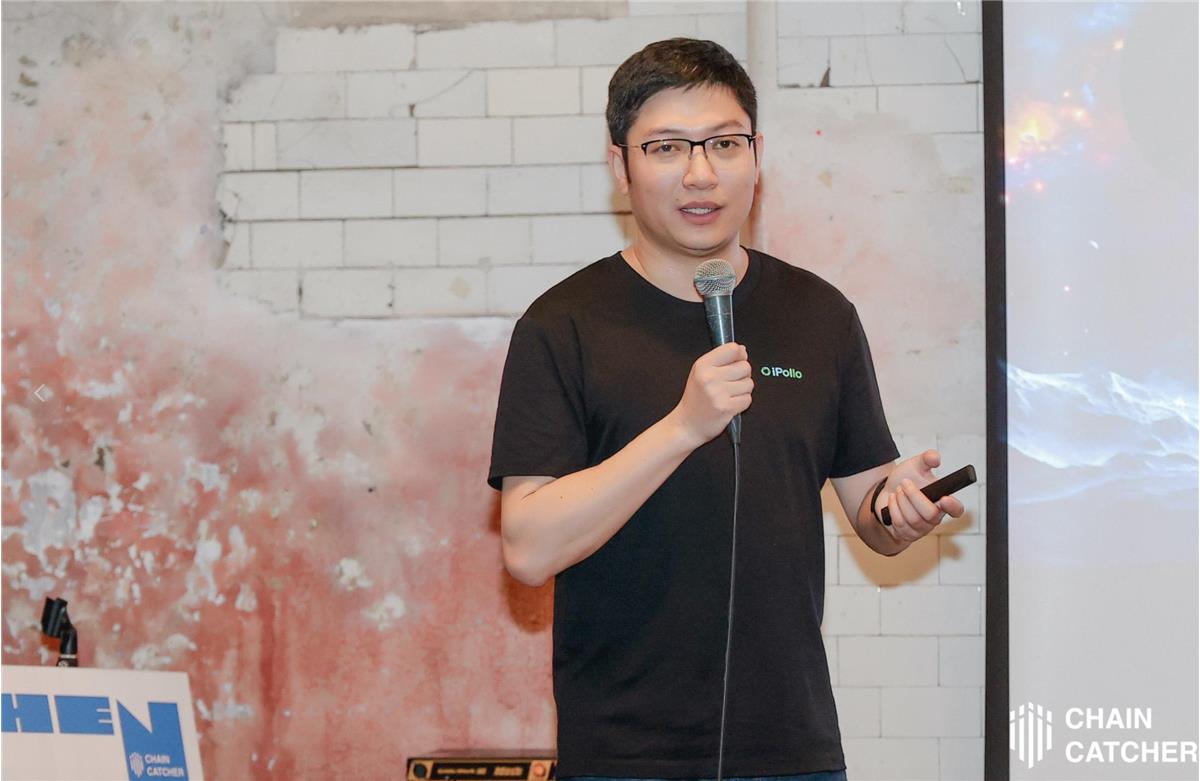
Jack Kong, Founder of Nano Labs and Director at Hong Kong Cyberport Management Company Limited
After the keynote speeches concluded, attendees engaged in enthusiastic networking and discussions, marking a successful close to the first edition of ChainCatcher’s “Zhen” event series.
The journey continues: On April 16, the second installment of ChainCatcher’s “Zhen” series will once again take place in Hong Kong, themed “New Cycle, New Narrative.” Registration is open to all interested participants.
Join TechFlow official community to stay tuned
Telegram:https://t.me/TechFlowDaily
X (Twitter):https://x.com/TechFlowPost
X (Twitter) EN:https://x.com/BlockFlow_News
 ChainCatcher 链捕手