ChainCatcher's "Zhen" Series Event Phase Two Successfully Concluded, with Chinese Builders Discussing Changes and Opportunities in the New Crypto Cycle
TechFlow Selected TechFlow Selected
ChainCatcher's "Zhen" Series Event Phase Two Successfully Concluded, with Chinese Builders Discussing Changes and Opportunities in the New Crypto Cycle
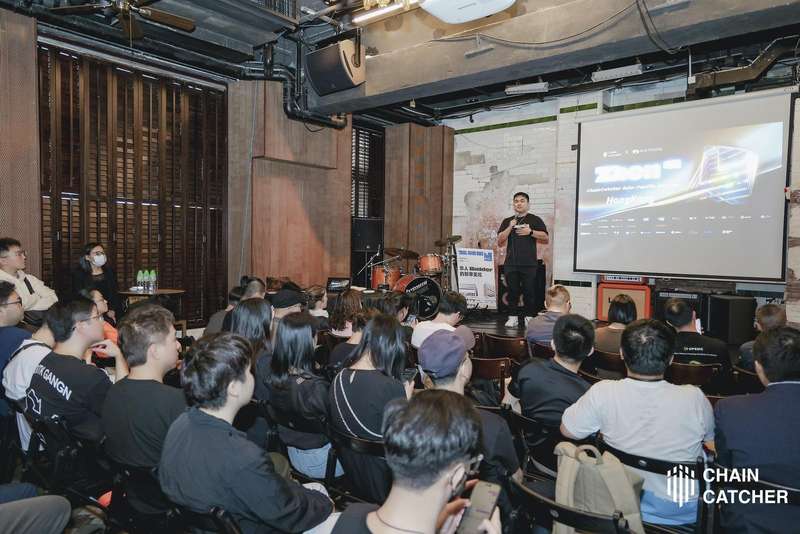
On April 16, the second "Zhen" series event hosted by ChainCatcher and RootData took place in Hong Kong, with the theme "New Cycle, New Narrative."
 Navigating Web3 tides with focused insights
On April 16, the second installment of the "Zhen" series, hosted by ChainCatcher and RootData, took place in Hong Kong. The event’s theme was “New Cycles and New Narratives.” It brought together numerous industry builders including Ming Wu, Co-founder and CTO of Conflux; Matt, CEO of Blofin; Nicole Zhang, Partner at LIF; Bree, Marketing Partner at dappOS; Jordan, Co-founder of UXUY Protocol; Tian Hongfei, Founding Partner at Yuanwang Capital; and Vince Yang, Co-founder of zkLink, to discuss transformations and opportunities in the new crypto cycle.
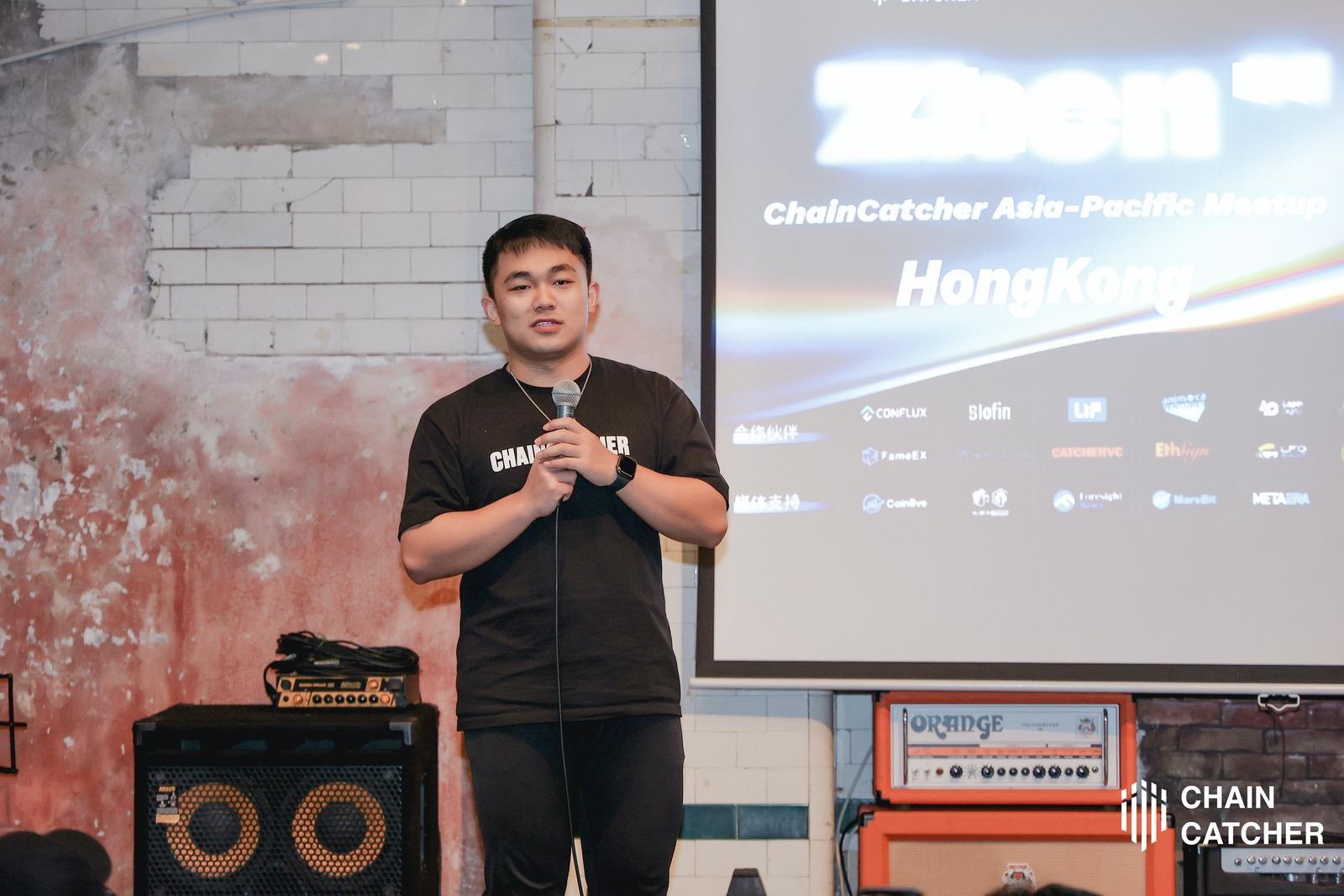
The event opened with remarks from Hunter, Partner at ChainCatcher, who expressed deep appreciation for the community's support of ChainCatcher and its crypto data platform, RootData. RootData, ChainCatcher’s latest data initiative, is building a reliable and comprehensive project database for the crypto industry, helping users fully understand information on teams, funding, news, and more. It has already become one of the most highly regarded data products in the industry. Moving forward, RootData will continue enriching its data offerings and delivering diversified high-quality products and services centered around productivity tools.
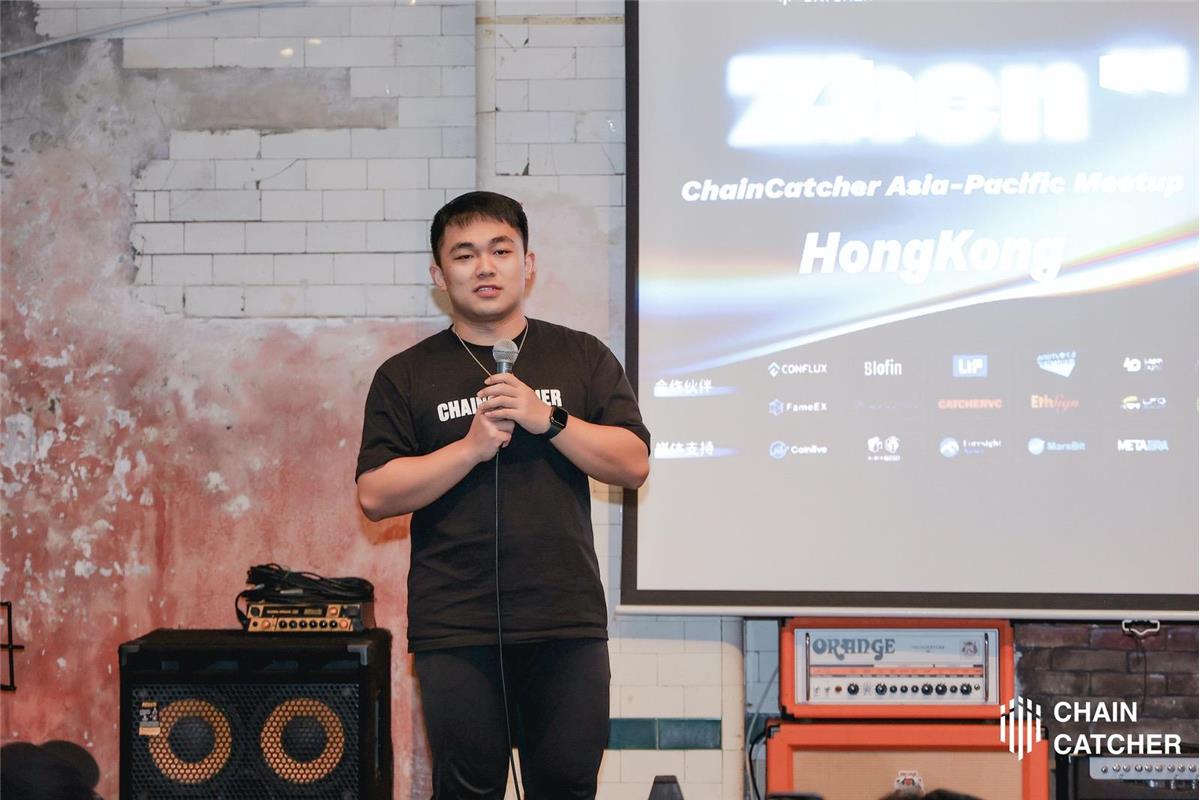
Hunter, Partner at ChainCatcher
The first keynote speech was delivered by Ming Wu, Co-founder and CTO of Conflux, under the theme “Conflux: Next-Generation Infrastructure for the Digital Economy.” He gave a comprehensive overview of Conflux’s progress across dimensions such as founding team, technological innovation, influence, and ecosystem development.
Wu noted that since its launch on October 29, 2020, Conflux has grown to include over 1,000 PoW nodes across 26 countries worldwide. The network has recorded 9,879,487 total accounts and processed over 62 million transactions, with 6,008 smart contracts deployed. Conflux has actively focused on nurturing communities and expanding influence in emerging regions such as Africa (Kenya, Nigeria, South Africa), Latin America (Mexico, Chile), and Southeast Asia (Indonesia, Thailand, Vietnam), aiming to deliver inclusive, accessible, and seamless blockchain services locally. This year, it has seen particular growth among users and developers in Europe and North America, with user numbers increasing by 150%.
Additionally, Conflux’s test performance has reached levels comparable to centralized systems like Visa, outperforming major decentralized systems such as Bitcoin, Ethereum, and Libra. In 2019, when Facebook released the whitepaper for its Libra project, Conflux was recognized as the only Chinese distributed system positioned as a direct competitor. Conflux’s unique gas sponsorship mechanism allows users to interact with the blockchain without holding native tokens to pay gas fees—significantly lowering barriers to entry and driving user adoption.
In terms of ecosystem development, Conflux has built a Web3 ecosystem comprising over 150 projects including Xiaohongshu and iQIYI, partnered with more than 700 brands such as China Youth Daily, Xi’an Museum, Tsinghua University, Taobao, and McDonald’s, and issued over 7.1 million standardized digital certificates or collectibles.
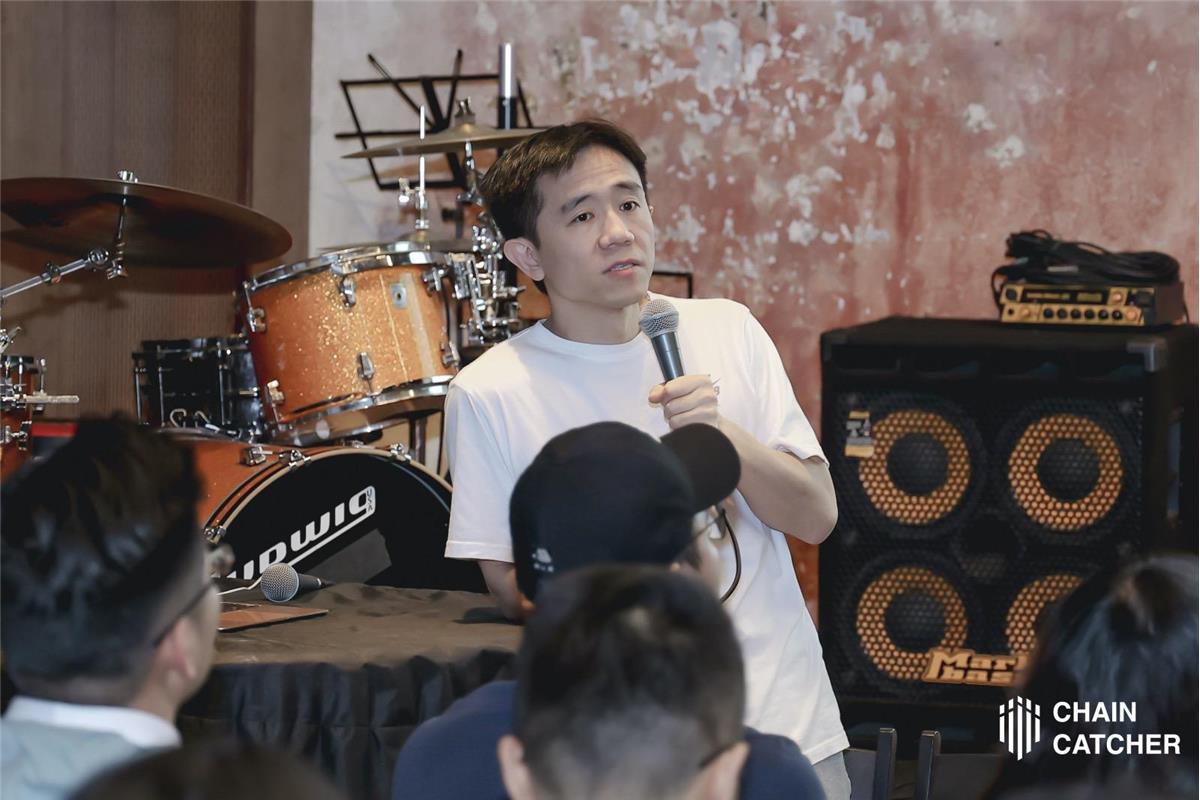
Ming Wu, Co-founder and CTO of Conflux
On the impact of macroeconomic trends on the crypto market, Matt, CEO of Blofin, shared his insights under the theme “Opportunities and Challenges in the Post-Rate-Hike Era.”
Matt stated that recent breakthroughs in AI have created new opportunities for the crypto market, where blockchain-based systems can offer relatively fair and secure infrastructure for resource and wealth distribution. Regarding Hong Kong’s position in the crypto landscape, he highlighted its advantages in fiat access, talent pool, and regulatory clarity, suggesting it has strong potential to become a new global crypto hub.
On how macroeconomic shifts affect the crypto market, Matt noted that the rate-hiking cycle is nearing its end, and liquidity is beginning to return. Additional inflows driven by banking crises and geopolitical tensions are also creating new opportunities. For Blofin, navigating this post-rate-hike era means continuous innovation to meet diverse user needs in value preservation and asset trading.
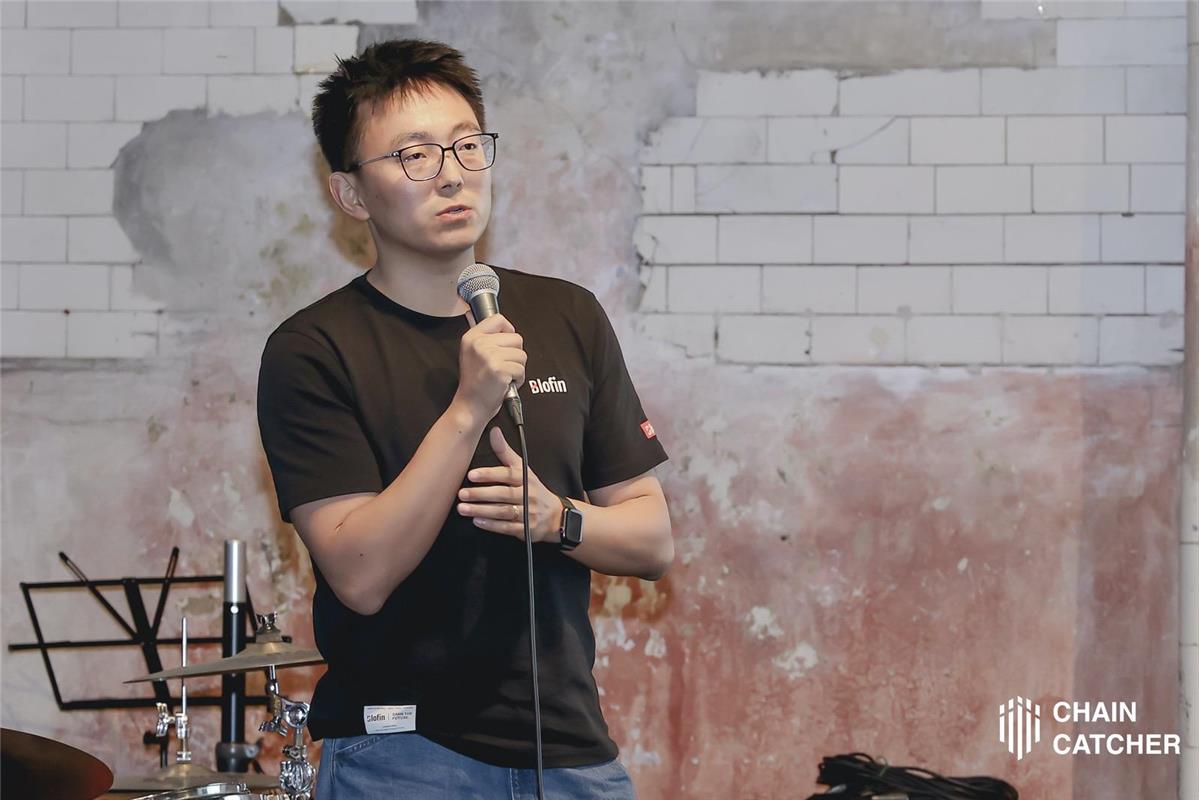
Matt, CEO of Blofin
During bear markets, what new investment strategies are VCs adopting? Nicole Zhang, Partner at LIF, addressed this through her talk titled “Breaking the Web3.0 Cannibalism,” outlining LIF’s investment focus.
Nicole explained that LIF invests in the “ABC” narrative: “A” stands for Access—the true gateway to Web3.0 isn’t wallets, Layer1/2 networks, or smartphones, but frictionless, low-barrier middleware in the form of DApps, APIs, SDKs, and convenient payment gateways; “B” stands for Better Blockchain, highlighting the urgent need for decentralized storage, oracles, AI, and other infrastructural upgrades to enhance base-layer performance; “C” stands for Content, emphasizing that DeFi alone cannot sustain the crypto industry. Web3.0 needs engaging content such as games, music, videos, and images to attract and retain users.
Moreover, Nicole pointed out that most consumer-facing (2C) projects today fail to genuinely attract new Web3.0 users. For example, StepN’s rise largely came at the expense of Axie Infinity’s user base—a pattern of “cannibalization” common across the industry. Sustainable growth requires new user acquisition. To achieve this, she advised projects to build communities from scratch, avoid shortcuts, use real data to analyze and engage their audience, and launch tokens designed to scale user bases.

Nicole Zhang, Partner at LIF
In the second half of the event, Bree, Marketing Partner at dappOS, kicked off with a presentation titled “The Operating Protocol for dApps,” sharing dappOS’s achievements and insights into the future of crypto infrastructure.
Bree explained that dappOS is an operating protocol designed to reduce friction in interacting with crypto infrastructure. With dappOS, users can access DApps using a Web2-like experience, eliminating hurdles such as seed phrases, non-resettable accounts, and fragmented data and wallets across chains. dappOS also enables seamless cross-chain experiences—for instance, after integrating dappOS’s frontend SDK, users interacting with OP Perpetual on Ethereum reduced their interaction steps from 76 clicks to just 4, cutting processing time from 12 minutes to under one minute. This dramatically simplifies complex operations and saves time. Additionally, dappOS launched a Mini-program Platform allowing users to view multi-chain assets via a unified account, perform cross-chain operations, and enable features like cross-chain and cross-currency merged payments.
To date, dappOS has integrated 15 dApps including GMX, Benqi, Perpetual, Pangolin, and Kyber; public chains such as Polygon, Avalanche, and zkSync; surpassed 10,000 addresses; and achieved a total TVL exceeding $3 million.
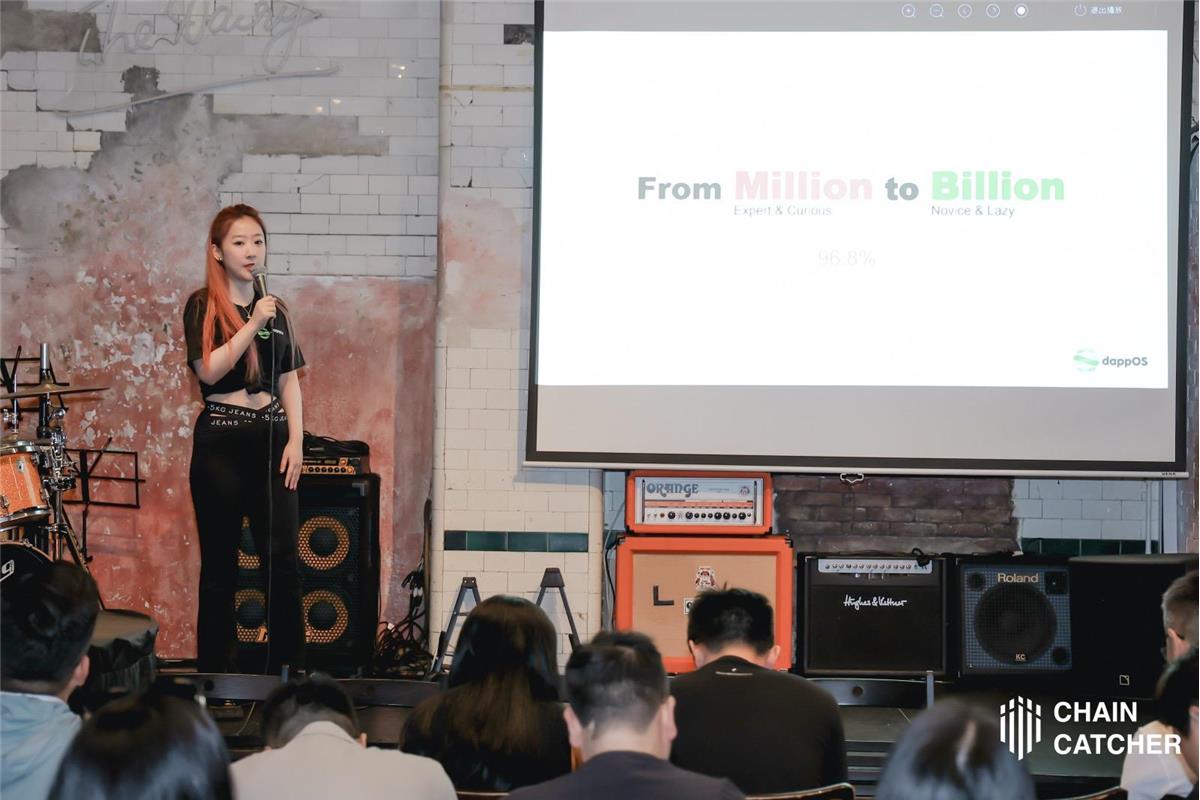
Bree, Marketing Partner at dappOS
Following the keynotes, Hunter, Partner at ChainCatcher, moderated a panel discussion titled “Consensus, Contrarian Thinking, and Long-termism,” joined by Matt, CEO of Blofin; Jordan, Co-founder of UXUY Protocol; Tian Hongfei, Founding Partner at Yuanwang Capital; and Vince Yang, Co-founder of zkLink. During the discussion on “When will the crypto market exit the bear market and what will drive it,” Vince Yang, Co-founder of zkLink, believed that a major recovery could occur this year or next, with zk technology being one of the primary drivers of the next bull run. zkLink remains committed to product and technological innovation as essential to surviving market cycles.
Tian Hongfei, Founding Partner at Yuanwang Capital, stated that based on Bitcoin’s rebound from last year’s lows to recent highs, there’s a 70% probability this signals the start of a bull market. However, two practical challenges remain: where U.S. on-ramps will emerge, and how to stimulate market activity when there aren't enough stakers providing liquidity.
Jordan, Co-founder of UXUY Protocol, said that the Federal Reserve’s interest rate trajectory is one of the most critical factors influencing market cycles. Metrics like mining payback periods and gas fees can serve as secondary indicators. Currently, rising prices of Bitcoin and Ethereum, Ethereum’s Shanghai upgrade, and the momentum from events in Hong Kong all suggest the crypto market is entering the early phase of a new bull cycle.
Matt, CEO of Blofin, remarked that if the crypto industry focuses solely on price and token yields, its long-term development is flawed. Three factors will shape the industry’s future: first, the originality and practical value of technological innovation—ChatGPT in AI succeeded because it significantly boosted user productivity, so where are the equivalent breakthrough applications in crypto? Second, regulation—while decentralization is a core principle, it often conflicts with centralized oversight, which can determine the survival of many players. Third, the macro environment—the Fed’s monetary policy remains a pivotal factor, and we must await policy shifts.
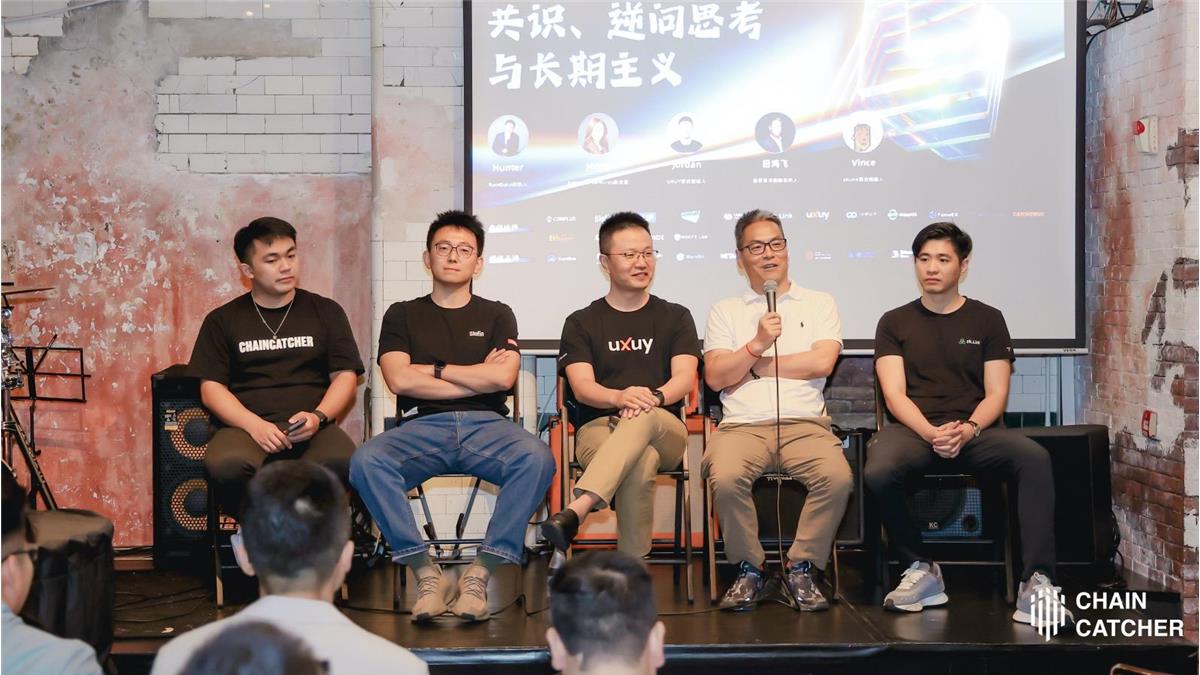
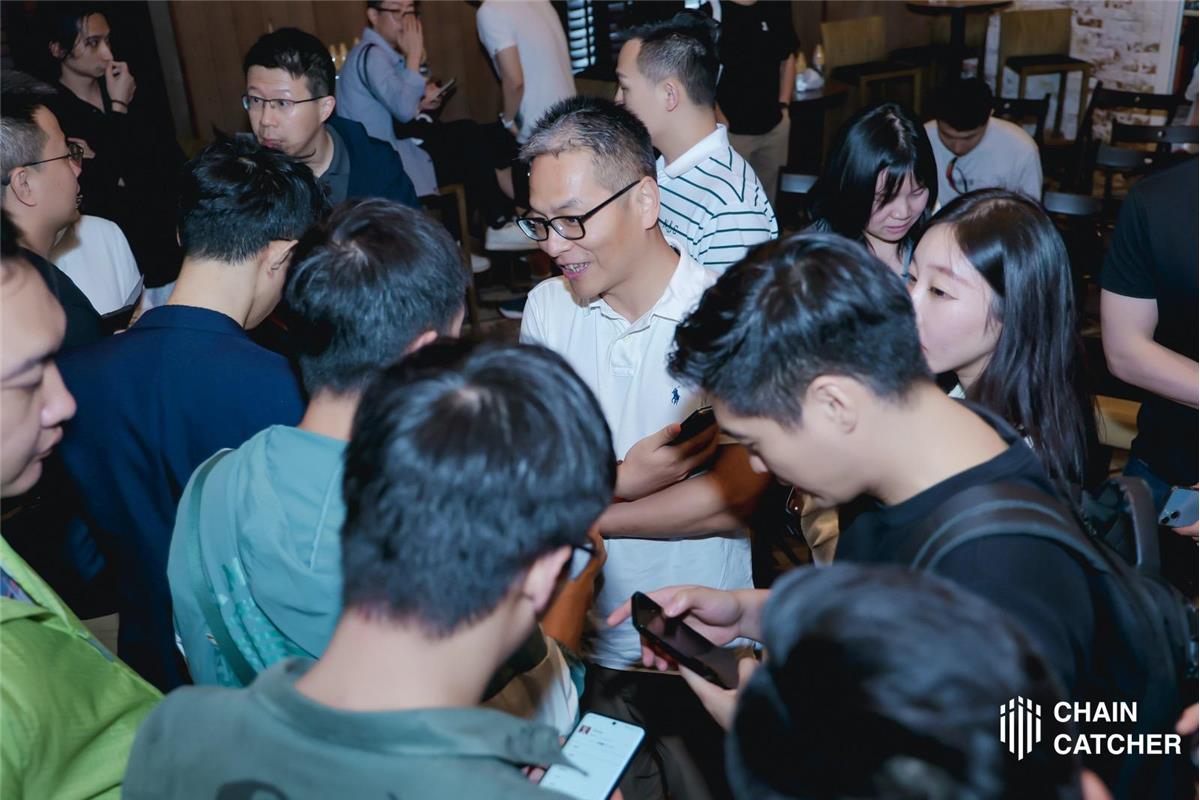
After the insightful panel, the second “Zhen” series event hosted by ChainCatcher and RootData concluded successfully amid enthusiastic networking among attendees. Stay tuned for future events from ChainCatcher and RootData.
Join TechFlow official community to stay tuned
Telegram:https://t.me/TechFlowDaily
X (Twitter):https://x.com/TechFlowPost
X (Twitter) EN:https://x.com/BlockFlow_News
 ChainCatcher 链捕手