








Exploring the Pros and Cons of RWA: Still in the experimental phase, an emerging, intriguing, and highly promising early-stage field
TechFlow Selected TechFlow Selected
Exploring the Pros and Cons of RWA: Still in the experimental phase, an emerging, intriguing, and highly promising early-stage field
Real-world asset tokenization is becoming a highly watched field.
 Navigating Web3 tides with focused insights
Author: ZERO IKA
Translation: TechFlow
Tokenization of real-world assets (RWA) is becoming an increasingly prominent field. By transforming physical assets into digital tokens, real-world assets can become tradable, divisible, and accessible to a broader audience on the blockchain. This concept not only opens up new investment opportunities but also injects significant liquidity into traditional asset classes.
This article discusses the advantages and drawbacks of real-world asset tokenization. The author also introduces several protocols and projects he is watching in this space, along with their potential impact on both the cryptocurrency market and global financial systems.
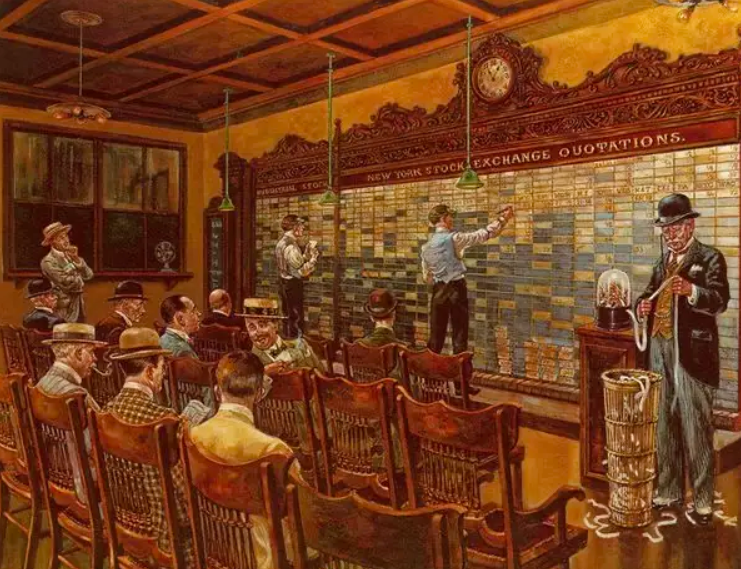
RWA stands for Real World Assets—essentially the digitization of any physical asset, splitting it into smaller parts, and representing ownership through tokens, a process known as tokenization.
Imagine having full ownership of a physical asset made possible through blockchain technology—that's the essence of RWA.
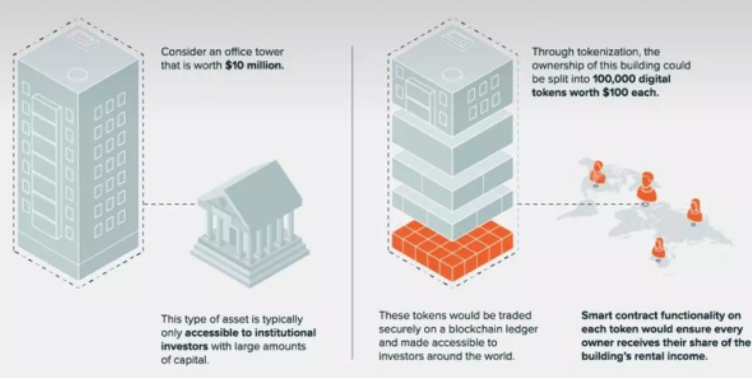
All categories of assets can potentially be tokenized—an opportunity with virtually limitless possibilities:
• Land;
• Real estate;
• Automobiles;
• Stocks;
• Metals;
• Artworks;
• Luxury goods.
Considering the net value of global financial assets, imagine how much capital could flow into the blockchain ecosystem. This represents a massive opportunity.
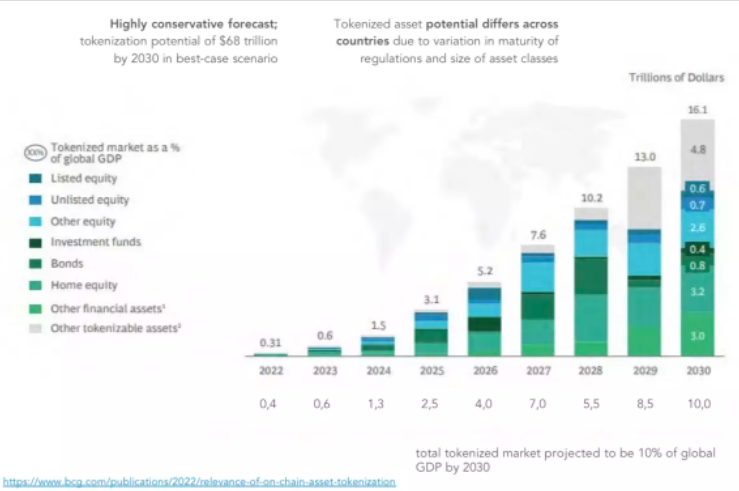
Take a look at the latest BCG report: tokenized assets are projected to reach $16 trillion by 2030, accounting for 10% of global GDP—an estimate that remains conservative.
Benefits of On-Chain Integration:
• Democratization ~ Decentralizing real-world assets allows anyone to invest regardless of capital size.
• Full Ownership ~ Since every transaction is recorded on the blockchain, no one can fraudulently claim ownership.
• Improved Administrative Efficiency ~ Reducing reliance on intermediaries significantly lowers costs and processing time.
• Increased Liquidity ~ Opening markets to global buyers enables traditionally illiquid assets to gain liquidity through greater participation.
Drawbacks:
• Hacking Risks ~ Potential vulnerabilities in smart contracts may create fertile ground for hackers.
• Licensing ~ Obtaining regulatory licenses for asset tokenization can be a cumbersome process, compounded by undefined tax frameworks.
• KYC/AML ~ Tokenization involves KYC and AML procedures, which many in the crypto community oppose.
• Asset Seizure ~ Governments may freeze real-world assets.
• Settlement Issues ~ Cryptocurrencies can be sold instantly, whereas real-world assets require ownership transfers for settlement.
It is well known that during bull markets, DeFi yields rise due to more stable liquidity and increased participant engagement. However, in bear markets, interest wanes amid price collapses, causing TVL (Total Value Locked) to plummet sharply.
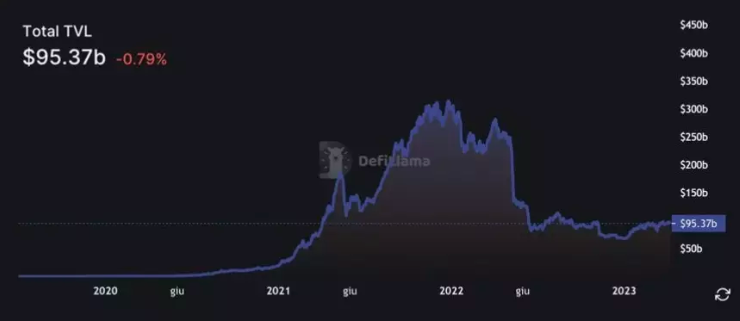
RWA assets can help the DeFi ecosystem deliver more sustainable and reliable yields, backed by traditional asset classes and thus insulated from volatility in the crypto market. Moreover, offering higher yields is crucial—otherwise, new capital will not flow in.
RWA Protocols
The path toward widespread RWA adoption is long and complex, but there are already several protocols operating in this space that warrant attention.
Sologenic
Sologenic is a decentralized exchange built on the XRP Ledger, designed to provide access to stocks, cryptocurrencies, ETFs, and tokenized assets.
Users can tokenize over 40,000 stocks, ETFs, and commodities from 30 global stock exchanges.
RealT
RealT is a platform powered by Aave, focused on real estate, enabling fractional property ownership in the United States.
As previously mentioned, you can start buying property with as little as $50.
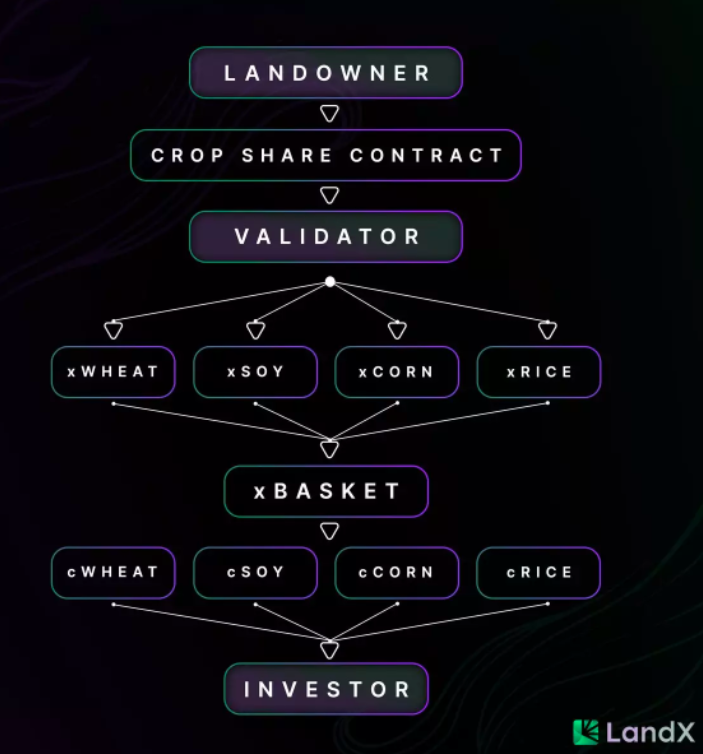
Landx
A protocol bringing agriculture onto the blockchain, allowing people to buy and sell agricultural products.
Investors earn real returns from crop yields, achieving portfolio diversification with assets uncorrelated to the crypto market.
Galileo Protocol
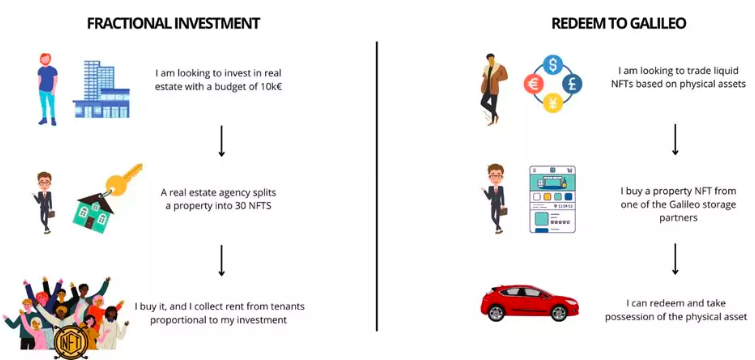
Galileo Network combats counterfeiting for luxury brands by linking physical products with immutable physical NFTs (pNFTs), proving ownership, condition, and origin on the blockchain. pNFT stands for physical NFT.
Other notable projects:
• GoldFinch ~ Unsecured lending
• Securitize ~ Tokenization of private equity funds
• TrueFi ~ Unsecured borrowing and lending
• Liquefi ~ Blockchain provider for digital securities
• PaxGold ~ Gold tokenization
While tokenization of real-world assets is one of the most compelling concepts in crypto, skepticism remains due to a lack of visible use cases.
Seeing real-world assets successfully tokenized could fundamentally shift perceptions of the crypto world from being seen as "fraudulent" to genuinely valuable.
Good things take time. As stated earlier, the entire concept is remarkable—but we’re still in the experimental phase. Reaching global adoption will require considerable time and effort, particularly in establishing clear regulatory frameworks. We are not there yet.
Most RWA tokens are driven more by narrative than by large-scale utility capable of justifying price increases. Nevertheless, monitoring this emerging and fascinating space presents a significant early opportunity—one that could revolutionize both DeFi and TradFi.
Join TechFlow official community to stay tuned
Telegram:https://t.me/TechFlowDaily
X (Twitter):https://x.com/TechFlowPost
X (Twitter) EN:https://x.com/BlockFlow_News
 ZERO IKA






