Amid the Blur Craze, NFTFi Solves NFT Liquidity Challenges
TechFlow Selected TechFlow Selected
Amid the Blur Craze, NFTFi Solves NFT Liquidity Challenges
This month, Blur, a rising star in the NFT sector, announced its second round of incentive program, fueling a booming trading market on the platform. At the end of last year, it temporarily overtook OpenSea to become the leading NFT marketplace and currently holds over 50% market share.
 Navigating Web3 tides with focused insights
This month, Blur, a rising star in the NFT sector, announced its second round of incentive programs, fueling a surge in trading activity on its marketplace. At the end of last year, it briefly overtook OpenSea to become the leading NFT trading platform and now holds more than 50% of the market share. What has enabled Blur to rapidly challenge OpenSea, the dominant player in the space, even during a bear market?
Unlike typical NFT marketplaces, Blur is an aggregator platform tailored for professional NFT traders. It consolidates listings from platforms such as OpenSea, LooksRare, and X2Y2, clearly displaying key information including floor prices, attributes, rankings, cost basis, and recent price movements. Additionally, the platform boasts high-speed transactions, supports bulk buying and selling, and charges zero royalties.
Clearly, Blur's specialized aggregation model and its Bid-to-Earn ("earn while bidding") business approach specifically target the buyer side of the market. Drawing inspiration from traditional DEX order book models, it addresses the challenges of insufficient yield and lack of liquidity provision. To some extent solving NFT liquidity issues, Blur is seen as a pioneer in the development of NFTFi and may drive significant wealth creation across the sector.
Looking back at the current state of the NFT sector, speculative digital collectibles from the previous bull market still dominate, and mainstream marketplaces like OpenSea charge high fees per transaction. As a result, NFT holders often face difficulties when trying to sell. Ultimately, NFT liquidity challenges have hindered long-term growth in this sector. However, Blur’s emergence this year reveals a potential breakthrough for addressing NFT liquidity problems. In the following sections, we will begin with its definition and explore how NFTFi projects are overcoming these obstacles.
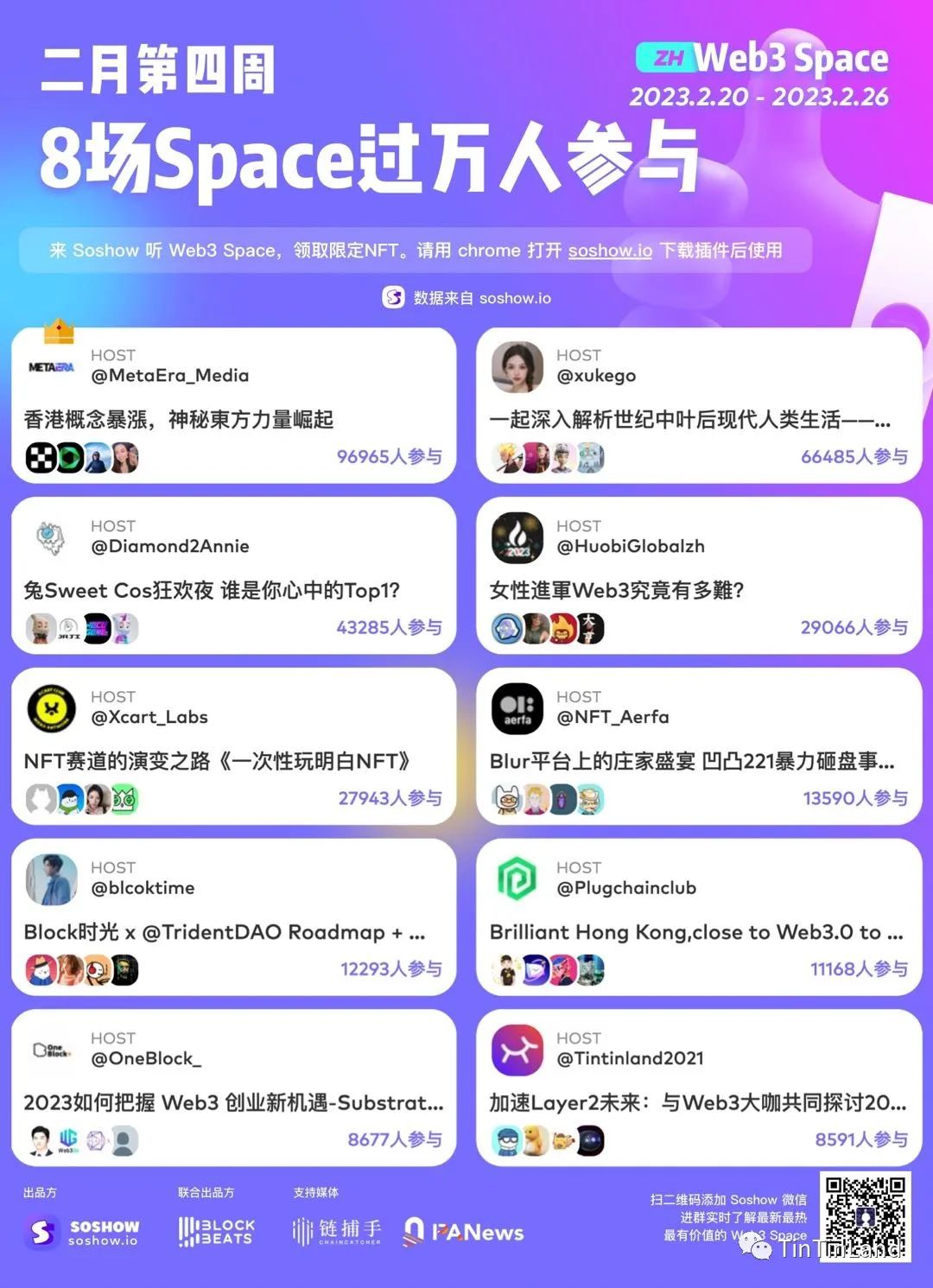
Additionally, last Wednesday, TinTinLand successfully hosted the first episode of its new online roundtable series, TinTin Weekly! The event attracted attention from over 8,000 participants worldwide, who engaged with industry experts to discuss potential opportunities in the Layer2 sector. Those who missed the live stream can click the link below to watch the replay. The second episode of TinTin Weekly, themed "Will the staking sector explode after Ethereum's Shanghai upgrade?", will take place this Thursday. Interested participants can find detailed event information at the end of this article.
🔗: https://twitter.com/i/spaces/1mnxeRVBALrKX
What Is NFTFi
Before diving into NFTFi, let's revisit the concept of NFTs. NFT stands for Non-Fungible Tokens, and non-fungibility is their core attribute. To better understand NFT financialization, we can categorize NFTs into two types: purely artistic NFTs with collectible value, and utility-based NFTs with specific functional uses.
| Artistic NFTs |
Utility NFTs |
| Non-fungible |
Semi-fungible |
| No utility value |
With utility value |
| Lack fundamental value |
Have certain fundamentals |
| Valuation based on personal sentiment |
Valuation based on functionality |
As shown in the table above, different types of NFTs inherently possess distinct characteristics. Profile picture (PFP) NFTs and digital artworks hold higher aesthetic and collectible value, and users typically acquire them not for resale but primarily for collection purposes. Therefore, we should not expect all NFTs to maintain high liquidity.
Conversely, membership token NFTs issued by brands—such as those from Starbucks Odyssey—possess functional utility and align more closely with the financialization trend that enhances NFT liquidity. Hence, the term NFTFi discussed below primarily refers to such utility-driven NFTs.
In simple terms, NFTFi means the financialization of NFTs. However, it's important to recognize that NFT financialization is not instantaneous. In the early stages of NFT development, direct trading on marketplaces achieved commodification of NFTs. The shift toward indirect financial instruments—such as NFT lending and staking—marks the true beginning of NFT financialization. Furthermore, deeper financialization (Financial Deepening) may eventually lead to the securitization of NFT products. Currently, the NFT sector remains in the exploratory phase of this second stage.
Why Do We Need NFTFi?
Following the speculative frenzy of the last bull market, liquidity issues have become a major bottleneck for the NFT sector amid tightening financial conditions. This has led to several critical challenges:
Trust Issues
NFT holders often worry that their collections could plummet in value to zero. Due to poor NFT liquidity, they are unable to respond effectively to downside risks, leaving them exposed without recourse.
Accessibility Barriers
For average users, owning high-value blue-chip NFTs like BAYC (Bored Ape Yacht Club) remains out of reach. Even for smaller projects, users must spend considerable time researching project fundamentals and navigating complex pricing and minting strategies across multiple platforms. Due to low liquidity and limited circulation, NFT valuation remains extremely difficult.
Limited Use Cases
Beyond the artistic NFTs mentioned earlier, most NFT holders desire greater utility and improved asset utilization from their digital collectibles. Otherwise, relying solely on a buy-low-sell-high model will struggle to attract long-term users.
Therefore, improving NFT liquidity helps address existing trust issues, high entry barriers, and lack of use cases. NFTFi offers a viable solution. By embedding financial properties, NFTFi enables more diverse and efficient forms of liquidity, unlocking new utilities and infinite possibilities for NFT holders. Today, NFTFi has already given rise to a wide range of innovative products.
Introduction to NFTFi Projects
NFTFi is a highly promising yet nascent direction within the broader NFT derivatives landscape. Beyond the previously mentioned Blur platform, here are several other promising projects worth noting.
Nftperp
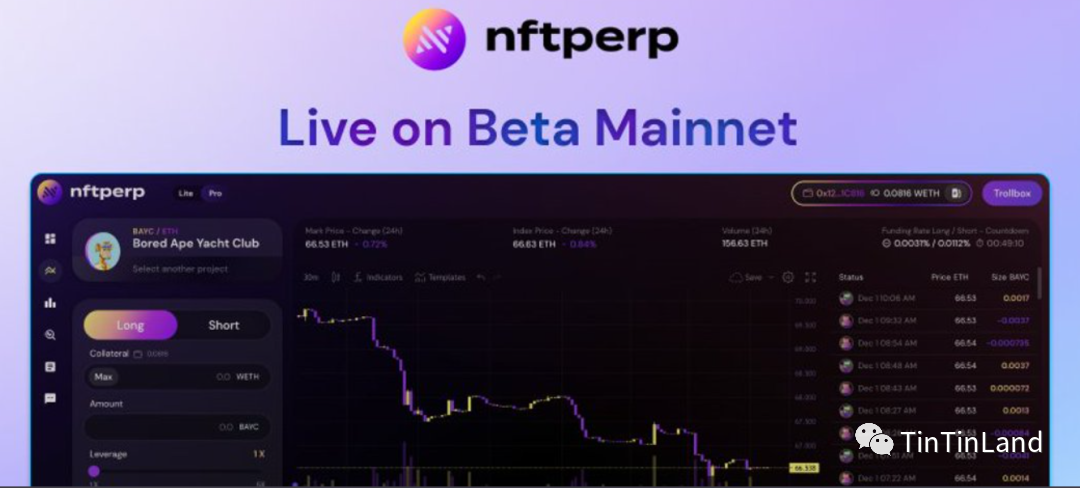
Nftperp is a perpetual contract trading protocol for NFTs built on a virtual automated market maker (vAMM), developed by Perpetual Protocol. Nftperp can track the floor prices of NFT collections and allows traders to use the vAMM model with any amount of collateral, supported by real-time NFT price data. All of the project’s smart contracts have been audited by PeckShield and will be open-sourced in the future.
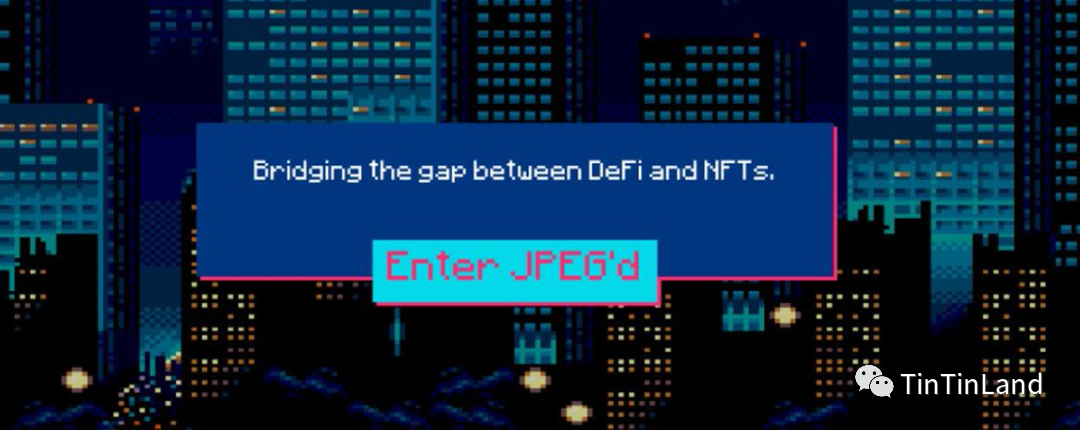
JPEG'd
JPEG'd aims to allow NFT holders to use their NFTs as collateral. Users can deposit whitelisted NFTs into JPEG'd's smart contracts and leverage them through a lending mechanism. This effectively transforms static NFT art into income-generating assets. Once users repay the principal and accrued interest, they can reclaim their NFTs from JPEG’d’s vaults.
Notably, JPEG'd has introduced a novel insurance mechanism that allows depositors to repurchase their NFTs from the DAO in the event of liquidation. This is only possible because the JPEG'd DAO backs all issued debt. Users can purchase optional insurance to facilitate NFT repurchase upon liquidation.
LinoSwap
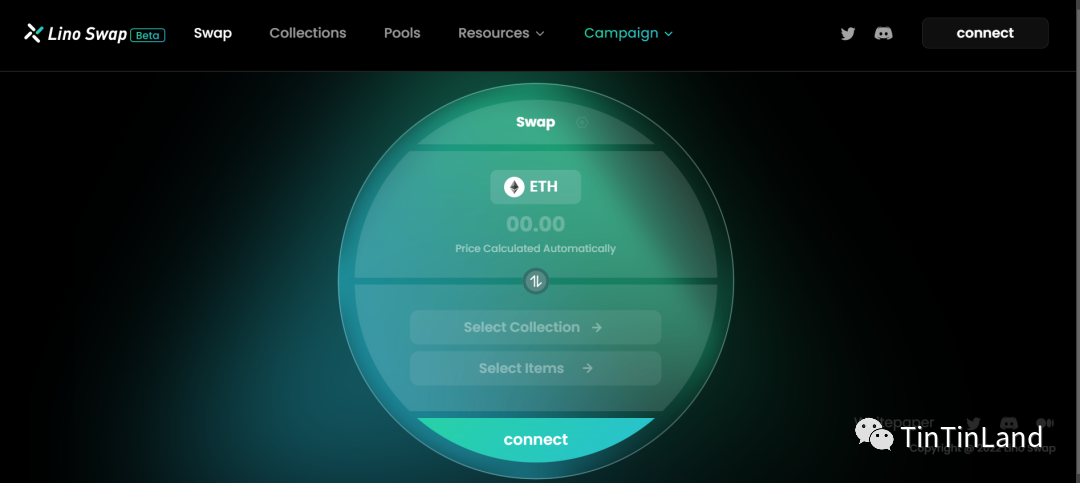
LinoSwap is one of the more innovative protocols in the NFT AMM market. It pioneers an NFT AMM that integrates rarity into its pricing mechanism. LinoSwap not only achieves automated market making for NFTs but also introduces a Rarity Function and Rarity-Value Curve to evaluate and price high-rarity NFTs—addressing the issue of undervaluation for rare NFTs in traditional AMM-based NFT markets. In this framework, NFTs are fairly priced based on their level of rarity.
inTinLand reviewed and forecasted the NFT market in its article "Annual Review of the NFT Market: Is 2023 the Best Year for NFT Developers?". Despite the current downturn, the NFT sector has demonstrated remarkable resilience. Notably, blue-chip NFTs (BAYC, CryptoPunks, Azuki, Moonbirds) collectively hold a market cap of $3.5 billion, which will continue to motivate NFTFi builders and developers, attracting more creators and users to the ecosystem.
Based on our earlier analysis of the NFTFi landscape, it is clear that NFTFi will remain one of the key focuses in 2023. Exploring NFTFi and creating new possibilities will offer developers seeking entry into the NFT space a field rich with opportunities and advantages, ensuring that NFTs remain one of the most accessible and appealing gateways for users entering Web3.
(The content of this article is for reference only and should not be construed as legal, business, or investment advice.)
After the Shanghai Upgrade,
What Is the Potential of the Staking Sector?
Last September, Ethereum completed the pivotal Merge upgrade, transitioning its consensus mechanism from PoW to PoS. Under PoS, becoming a validator requires staking a minimum amount of ETH. However, under Ethereum’s current technical design, staked ETH and rewards cannot be withdrawn immediately, directly affecting users’ willingness to stake.
According to official announcements, Ethereum’s Shanghai upgrade is scheduled for March this year. Once completed, it will allow validators to withdraw their staked ETH and earned rewards. This will significantly boost user confidence and increase participation in liquid staking, thereby enhancing Ethereum network security through higher staking rates. Consequently, the upgrade is expected to bring increased adoption and capital inflows... For the staking sector, the impact of the Shanghai upgrade is profound and transformative.
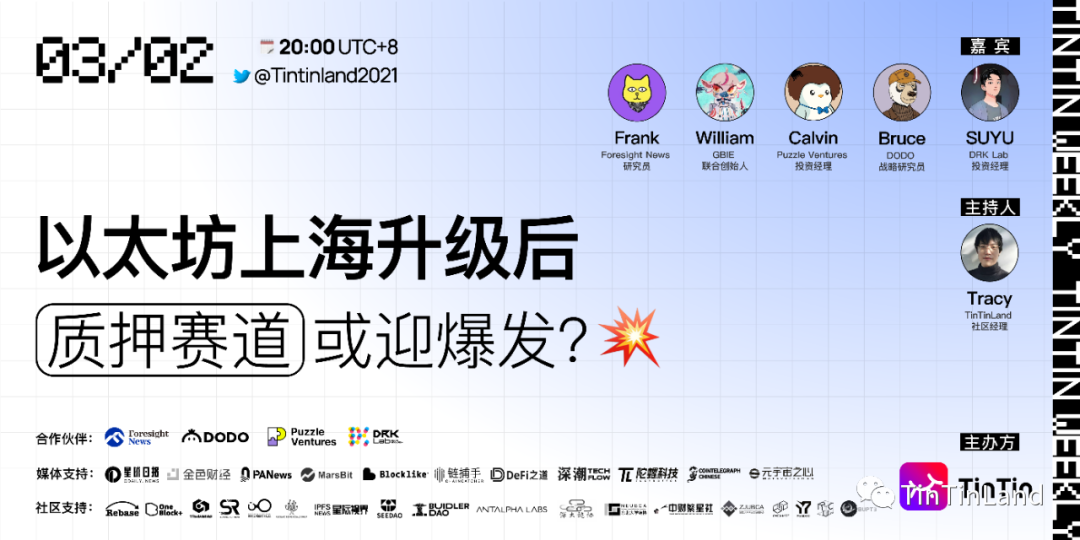
The second episode of TinTin Weekly will focus on the upcoming Ethereum Shanghai upgrade, featuring insights from industry leaders including a strategic researcher from DODO, co-founder of GBIE, a researcher from Foresight News, and investment managers from Puzzle Ventures and DRK Lab, all discussing the future of the staking sector. If you're interested in Web3 or want to build deeply in the staking space, don't miss this event!
Event Theme
Will the staking sector explode after Ethereum's Shanghai upgrade?
Event Time
March 2 (this Thursday) 20:00
Event Benefits
- Like and retweet the event tweet for a chance to win surprise gifts (5 lucky winners selected at random);
- Participants asking questions during the Q&A session will also receive a special gift;
Event Location
Follow the official account @Tintinland2021—see you in the Twitter Space!
🔗 https://twitter.com/i/spaces/1dRKZMPMgXvxB
Join TechFlow official community to stay tuned
Telegram:https://t.me/TechFlowDaily
X (Twitter):https://x.com/TechFlowPost
X (Twitter) EN:https://x.com/BlockFlow_News
 @OurTinTinLand