








Chain Colosseum Phoenix: Oasys ecosystem game with innovative mechanics solving the P2E death spiral困境
TechFlow Selected TechFlow Selected
Chain Colosseum Phoenix: Oasys ecosystem game with innovative mechanics solving the P2E death spiral困境
Chain Colosseum Phoenix: How to Solve the Pain Points of P2E Games?
 Navigating Web3 tides with focused insights
Written by: 0xbun, TechFlow
After the Play-to-Earn (P2E) wave led by Axie Infinity receded, many issues have surfaced for Web3 gamers—such as token inflation mechanisms and NFT minting practices. Only by resolving these can P2E escape its death spiral and evolve into GameFi 2.0. Numerous projects are now attempting to tackle these challenges, though most remain in exploratory stages.
This article introduces a game project from Oasys. Let's examine the solutions it proposes and how it aims to transform GameFi into genuine gaming experiences.
What is Chain Colosseum Phoenix?

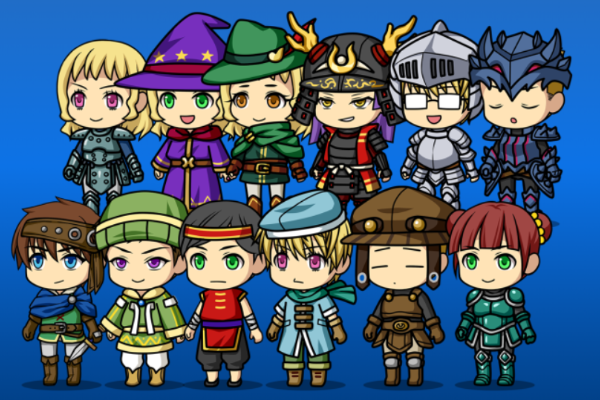
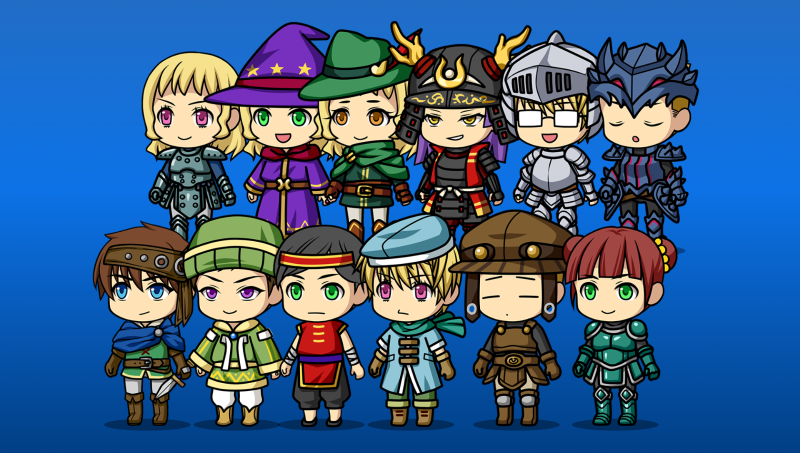
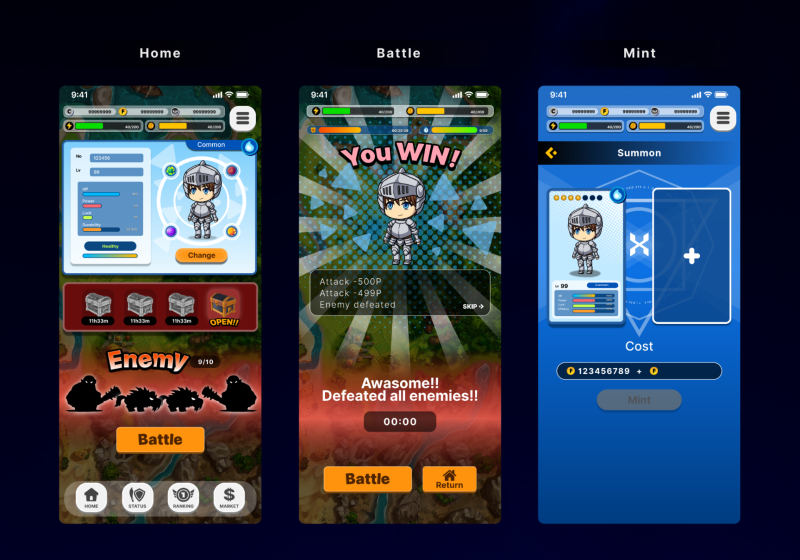
Chain Colosseum Phoenix is the Web3 game we’ll be exploring today. Players summon heroes from an item called a Summoner’s Book to battle various monsters and earn in-game currency by defeating them.
The heroes owned by players and the in-game currency they earn are stored on the blockchain, enabling trading with other players via marketplaces.
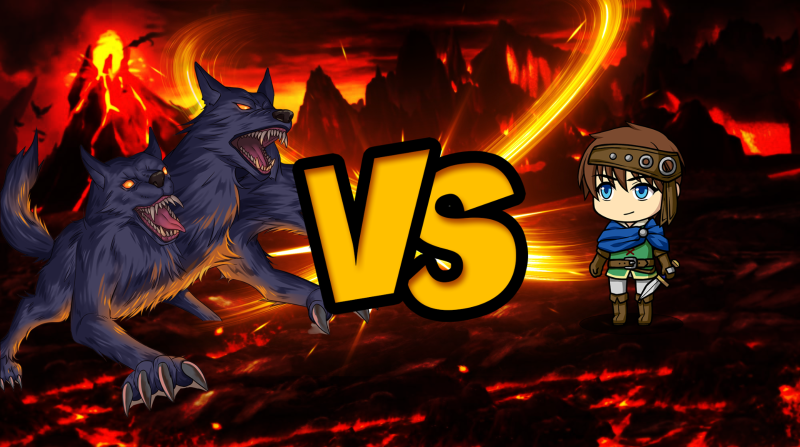
Battle Mode is currently the core gameplay. As a turn-based role-playing game, players choose which hero to deploy. Each hero has unique attributes and skills (fire, water, air, earth, etc.), so players must strategize to maximize efficiency against different enemies.
A player’s hero rarity and level influence enemy monster difficulty and behavior logic. Winning battles grants rewards, with higher-tier enemies offering greater payouts. Of course, if your character is defeated, no reward is given.
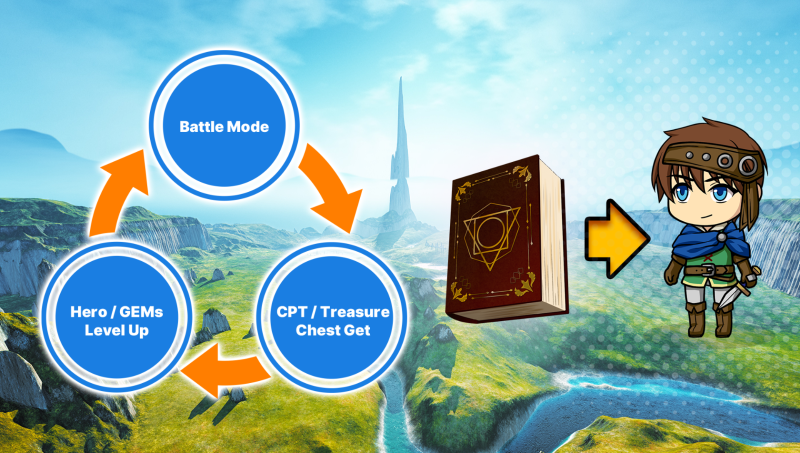
In Battle Mode, defeating enemy monsters yields CPT (utility tokens) and treasure chests. CPT can be used to enhance heroes, summon creatures (minting), and upgrade gems.
Treasure chests contain key items such as gems needed to boost hero capabilities, special remedies to cure diseases, and summoning stones required for summoning new heroes.
Like other turn-based games, combat effectiveness depends on Power. Players increase their Power by owning more heroes. The higher your total Power, the more consecutive actions you can perform in battle, increasing your chances of earning CPT and treasure chests.
How Chain Colosseum Phoenix Addresses Pain Points of P2E Games
The previous section outlined the basic combat mechanics and mentioned some unique in-game features like "disease."
Now let’s explore how the project uses these distinctive mechanisms to solve persistent problems plaguing P2E games.
a. How to curb NFT inflation
As gameplay progresses, more users mint NFTs, accelerating NFT inflation and increasing selling pressure on secondary markets.
To control NFT inflation, Phoenix introduces lifespan, damage, and disease factors for Hero NFTs. A Hero NFT has a base lifespan of 60 days (provisional). After this period, inactive NFTs become invalid and cannot be used in battles. You may sacrifice another Hero NFT to revive an expired one. Additionally, NFTs have a chance to become injured or poisoned upon battle completion or minting, and these negative statuses can be cured by consuming specific items.
Phoenix also implements a mint cooldown mechanism. After minting an NFT, there is a cooldown period that dynamically adjusts based on the number of NFTs listed on the marketplace—ranging between 48, 72, 96, or 120 hours—to prevent rapid NFT supply expansion.
These mechanisms not only help control NFT inflation but also create internal circulation opportunities for the game’s utility token, as discussed next.
b. How to curb token inflation
Once launched, a game often sees rising wealth effects, leading to surging demand for NFTs and faster token generation, resulting in heavy sell-side pressure on utility tokens in secondary markets.
To address excessive income generation, Phoenix introduced the Soul Mining System (SMS) to regulate reward distribution.
The amount of utility tokens a player can earn daily is temporarily capped based on the dollar value of the token. For example, if the daily cap is set at 100 tokens and each token is worth $1, the maximum daily reward is $100. If the price rises to $2 per token, the dollar value of rewards becomes $200. In such cases, Phoenix sets the base token value at $1, treating any excess above $1 as “over-reward,” which gets locked into USDC (a stablecoin).
This locked-over-reward is sealed within each hero NFT used in battle—thus referred to as the NFT’s “soul.” When a hero NFT expires, its soul unlocks linearly over six months (provisional) and can then be transferred to an off-chain wallet within the game ecosystem.
This is their “Soul Mining System” (SMS). However, if you revive a hero NFT while its soul is being mined, mining pauses until further notice.
c. How to limit excessive speculation
Last year, P2E games became playgrounds for speculators who earned tens of times profit on secondary markets. Most never actually played the game—they simply bought tokens and waited to dump them at high prices, capturing value created by real players. Eventually, as prices dropped, disillusioned players shifted to "mine-and-sell" behavior, triggering a fatal death spiral for the game.
To counter this, Phoenix introduced the Anti-Trader Field (AT-Field) mechanism to restrict speculative trading. They embedded a special rule within the utility token’s TransferMethod, programmatically limiting the number of tokens that can be sent to decentralized exchanges (DEXs). Specifically, the number of tokens a user swaps on DEXs should not exceed the amount earned through actual gameplay. (Note: There are no restrictions on buying utility tokens on DEXs or sending them to other wallet addresses.)
In short, utility tokens purchased for speculative purposes cannot be swapped on DEXs—though they can still be used within the game.
Phoenix hopes these methods will establish a more sustainable token economy, allowing the game to last longer.
Additional Information
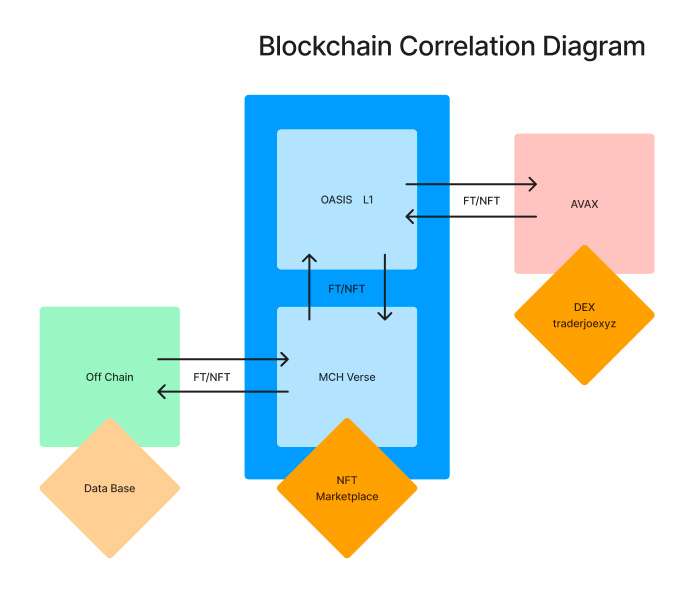
The Genesis NFT of Chain Colosseum Phoenix is the Book of Summoners, which allows players to access game characters. The game will launch on MCH Verse, Oasys’ Layer 2 network.
However, the sale of Genesis NFTs will take place on an INO platform called "Zaif INO." The mint price is set at 16 AVAX. These NFTs will initially be minted on Avalanche’s C-Chain but will later be exchangeable for NFTs on the Oasys Chain after the game launches.
Participants who mint Genesis NFTs will also receive $OAS tokens as airdrop rewards for in-game use.
Overall, Phoenix draws lessons from Axie Infinity and STEPN, making its own adjustments and experiments in game mechanics and token utility design, aiming to strike a balance between usability and long-term sustainability in game tokenomics.
As a new game striving to resolve current Web3 challenges, it deserves our attention to see how far it can go.
Join TechFlow official community to stay tuned
Telegram:https://t.me/TechFlowDaily
X (Twitter):https://x.com/TechFlowPost
X (Twitter) EN:https://x.com/BlockFlow_News






