









Besides venture capital, what other channels can game developers use to raise funds?
TechFlow Selected TechFlow Selected
Besides venture capital, what other channels can game developers use to raise funds?
Besides VC funding, what other options do new game development teams have?
 Navigating Web3 tides with focused insights
Written by Josh Lu, a16z Games Investor
Compiled by TechFlow
Five weeks into my role as a games VC, I've met some truly impressive founders whose game ideas I’d love to play—and deserve funding.
But I don’t believe every great game idea should be funded by venture capital. Why? And what other options do new game teams have?
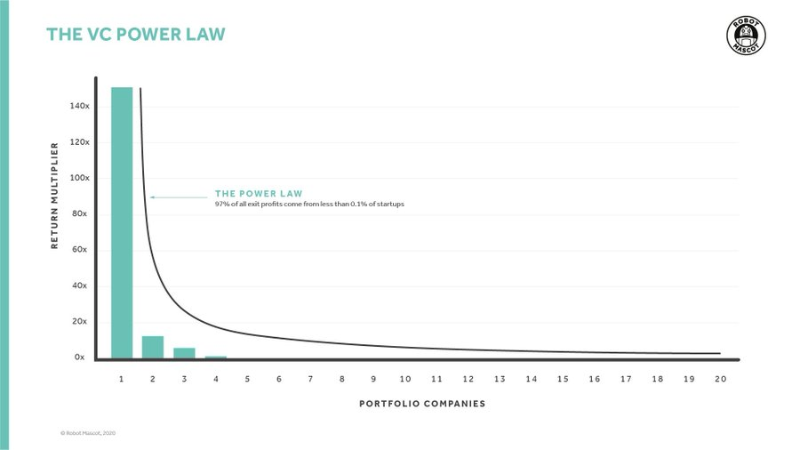
Venture capital firms are looking for the next big asymmetric outcome. We all want to find the next Riot (maker of League of Legends) or Supercell (maker of Clash of Clans), rather than place lower-risk bets with smaller upside. Most startups fail, so one major win is needed to cover prior losses and generate returns.
This is a function of the opportunity cost of capital.
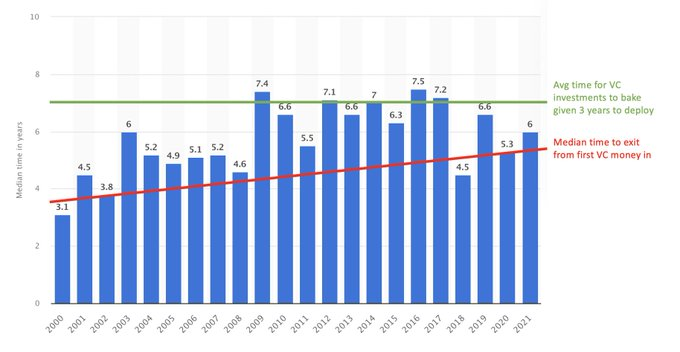
Venture capital firms have lifecycles. A venture fund typically lasts around 10 years, with only the first few years dedicated to deploying capital. Investments take time to mature, grow, and exit.
Meanwhile, the average time from a startup’s first VC investment to exit is six years.
Additionally, VCs have limited bandwidth. Beyond internal operations, each fund strives to support its portfolio companies in achieving their best chance at success.
Because of this, VCs can only make a limited number of investments.
As such, VCs prioritize founders pursuing massive outcomes. This ambitious vision isn't suitable for every team. There are many incredible studios targeting smaller audiences or aiming to balance business goals with other objectives.
Of course, partnering with a VC has many benefits.
Venture capitalists can help in numerous ways—from setting up your company, books, and organization, to connecting you with other founders or investors, to helping your work gain recognition.
At a16z’s GAMES FUND ONE, we provide founders with extensive resources to help them succeed, including hiring top-tier BD/partnerships experts, game marketing specialists, and experienced game creators.
So, what are your alternatives beyond VC?
Teams can seek funding from publishers, project-based funds, or crowdfunding platforms. Publishers are a solid funding model if you’re willing to pay for substantial additional support. At their core, they offer studios a certain level of assistance—such as marketing or live operations (localization, analytics, etc.).
Ultimately, with their help, you can earn profits through guaranteed distribution, but you’ll also give up a percentage of revenue, limiting your upside potential.
During development, publishers often take an active role, since they have a predefined vision for how the game should be brought to market.

If flexibility is your priority, project-based funds are another option. These deals are tied to a single game, allowing customized terms. However, project-based financing is hard to secure—you’ll need to find investors and structure the deal yourself.
If you're interested in project-based funding but don’t know any investors, crowdfunding is a great alternative. You can reach fans directly through any crowdfunding platform and build a community of potential players along the way.
The downside of crowdfunding is that you must pay platform fees and invest effort in building a base of potential backers. You might end up without enough funds to complete your project. Raising additional money later will be harder, as it adds complexity to your business.
Raising money from a game-focused venture capital firm isn't right for every game project—but overall, it remains a strong option.
Regardless of the path, now is the best time ever to fund your project. I can’t wait to see more amazing teams emerge.
Join TechFlow official community to stay tuned
Telegram:https://t.me/TechFlowDaily
X (Twitter):https://x.com/TechFlowPost
X (Twitter) EN:https://x.com/BlockFlow_News
 a16z
a16z






