








DeFi Analyst Teaches You Step by Step How to Build an Analytical Research Framework
TechFlow Selected TechFlow Selected
DeFi Analyst Teaches You Step by Step How to Build an Analytical Research Framework
Learning to research on your own is the most powerful advantage in cryptocurrency.
 Navigating Web3 tides with focused insights
Written by: Edgy
Translated by: TechFlow intern
Learning to research on your own is the most powerful advantage in crypto, yet most people are terrible at it. So this article shares my cryptocurrency research framework—hopefully making it easier for you to build your own.
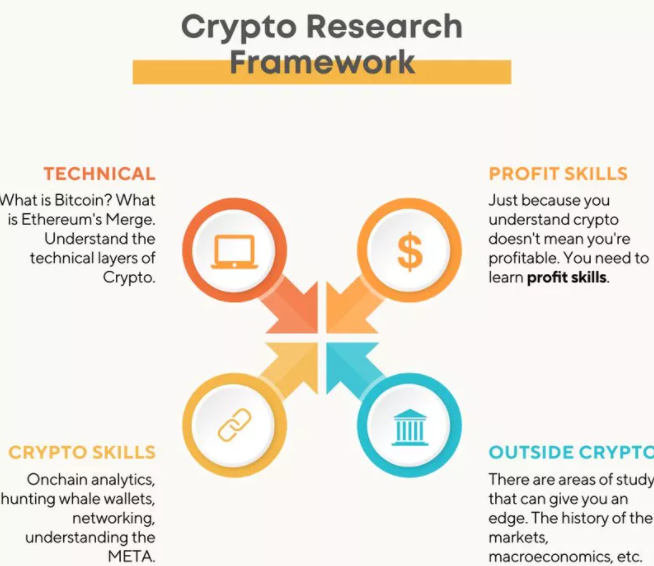
My approach breaks down crypto research into four major domains:
• Technical understanding;
• Profitability skills;
• Crypto-specific skills;
• Knowledge beyond crypto;
Let’s begin.
Domain 1: Technical Understanding
You must know what you're investing in. If you don’t understand what a ZK-Rollup is, you can't see the value of Starknet. Keep learning—it's like leveling up a skill tree in an RPG game.
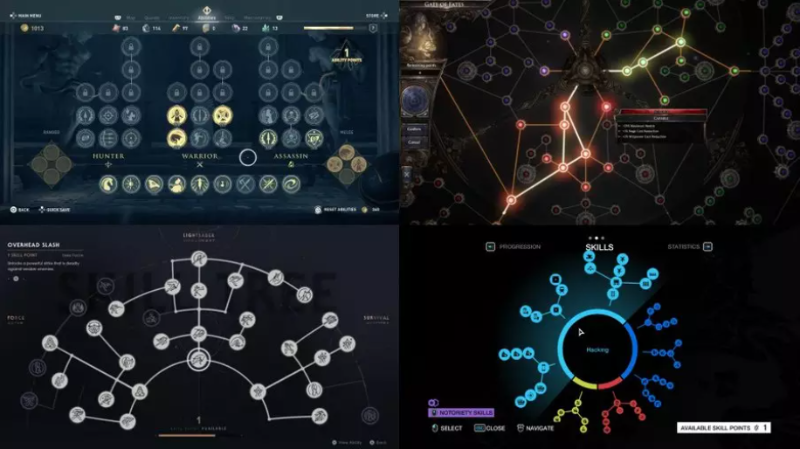
Skill Tree for Beginners:
• Crypto security;
• Web3 use cases;
• How Bitcoin works;
• Hot wallets vs cold wallets;
• How Ethereum works;
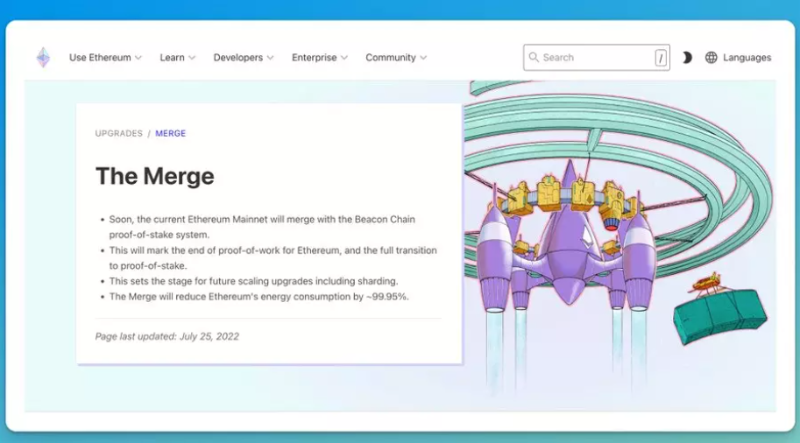
• What is the Ethereum Merge?
• Understanding yield farming;
• PoS vs PoW;
Intermediate Skill Tree:
• DEX vs CEX;
• Liquidity mining;
• Pool 1 vs Pool 2;
• Basic tokenomics;
• Layer 0 / Layer 1 / Layer 2;
• Major L1s;
• Impermanent loss vs slippage vs staking;
Advanced Skill Tree (Expert Level):
• MEV;
• Options;
• Advanced tokenomics;
• Governance;
• Technical differences between L2 rollups;
There are many more topics—listing them all isn't practical here—but remember: lifelong learning is key.
So where do you start learning?
I always recommend starting from the source. For example, if you want to understand "The Merge," go directly to Ethereum's website first. Then supplement with YouTube videos or articles from trusted sources.
Domain 2: Profitability Skills
Many people deeply understand the technology but still fail to make money. Why? Because profitability itself is a separate skill set that must be learned.
Profitability skills include:
• Decision-making;
• Cognitive biases;
• Trading psychology;
• Portfolio construction;
• Profit-taking strategies;
• Risk management strategies;
Domain 3: Crypto-Specific Skills
Unique skills within crypto that give you an edge:
-
Understanding metaverse and emerging narratives;
-
Discovering new protocols;
-
Tracking whale wallets;
-
On-chain analysis, etc.;
Examples of how to discover new protocols:
• Through your network and friends;
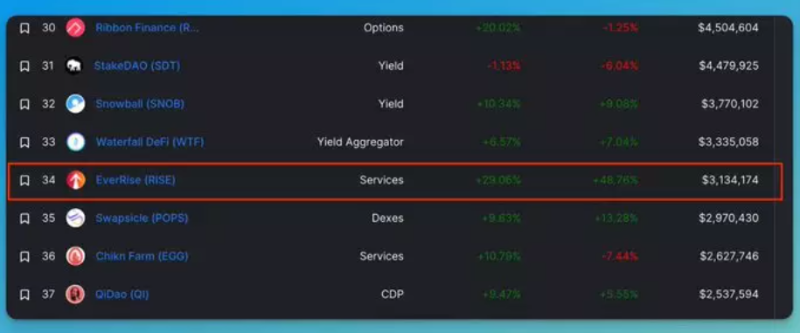
• Searching via DeFiLlama;
• Monitoring on-chain data / whale wallets;
• Researching what VCs are investing in (DoveMetrics);
Find and use the right tools—tools are leverage. The right tools save you valuable time.
Whales are wallet addresses holding large amounts of crypto. Learn to track their moves:
• Use Nansen’s “Smart Money” feature;
• DeBank maintains a list of whales;
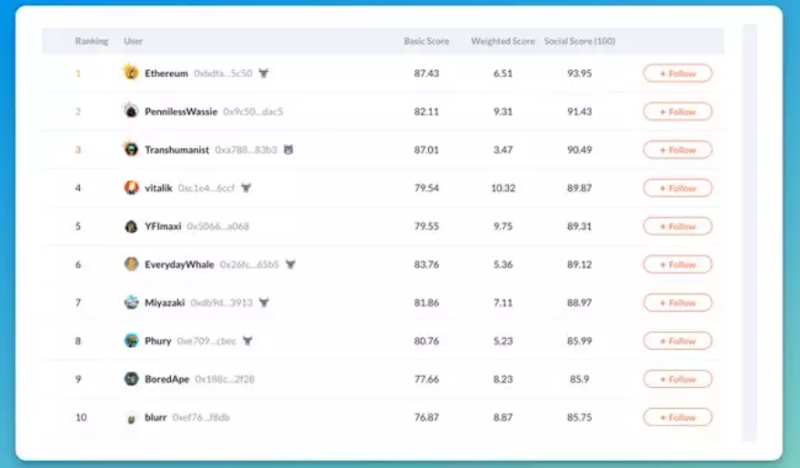
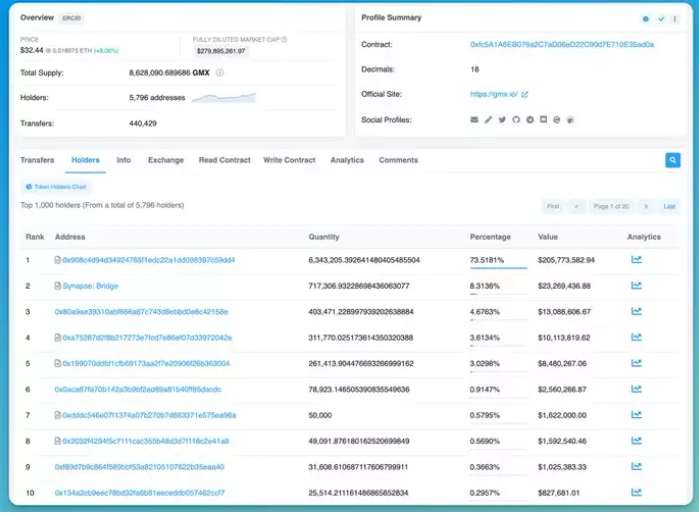
How to create your own basic whale watchlist:
-
Pick a token you believe has significant smart money involvement—I chose GMX;
-
Go to a blockchain explorer (Etherscan, Arbiscan);
-
Check the top holders of that token;
-
Paste wallet addresses into Zapper.fi;
-
Observe what they hold;
Domain 4: Learning Beyond Crypto
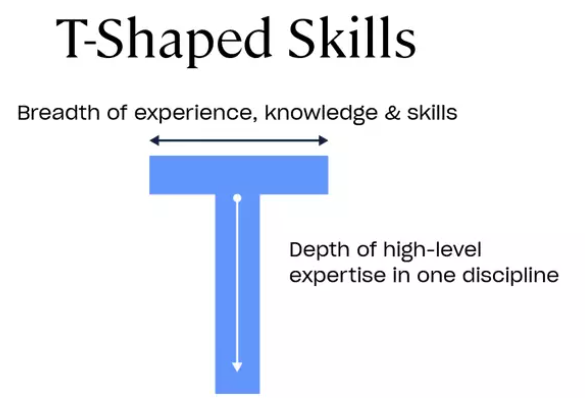
Don’t spend all day researching crypto. Understanding other fields can also give you an edge. Strive to become a T-shaped person:
• Broad understanding across multiple disciplines;
• Deep expertise in one area;
You won't score 10/10 in every area, and that's fine. The key is to broaden your knowledge so it doesn't limit your growth:
-
Find a reliable book in each field and read it;
-
Identify a few "go-to" figures to follow in each domain;
I limit my crypto research scope to DeFi, focusing on DeFi projects with large ecosystems. Most of my current research centers around:
1. New protocols;
2. New technologies;
3. Real-world adoption;
Regarding new protocols, I've built my own evaluation framework:
• Strategy;
• Execution;
• People;
• Cash;
• Tokenomics (or token design);
This isn't exhaustive—it's meant to prompt deeper thinking.
Strategy:
• How does it differ from competitors?
• What problem does it solve?
• What are its moats?
• How does it acquire users?
• What’s on the roadmap?
Execution:
• Has the team delivered on the roadmap?
• How is the protocol’s UX/UI?
• Which audits has it passed? By whom?
• Marketing effectiveness;
• Developer activity;
People:
• Which influencers are promoting it?
• Founder and team background;
• Social media sentiment;
• Community culture;
• VCs and initial seed rounds;
• Partnerships;
Cash Flow:
• How are founders and the team compensated?
• What is included in its funding structure?
• How much revenue does it generate?
• How much capital has it raised?
Tokenomics:
• How does the token capture value?
• What is the supply / max supply?
• How was the token initially distributed?
• What are the token use cases?
• How does the protocol reduce selling pressure?
It's easy to fall into FOMO and confirmation bias, believing a protocol is flawless. Instead, actively seek out FUD—this is where Twitter shines. Look for reasons why a protocol might fail, and think critically about them.
Learning Tips
Below are tips on structuring your learning process—mostly adapted from techniques I used in college, refined for the fast-moving world of crypto.

Create a “To-Read” System
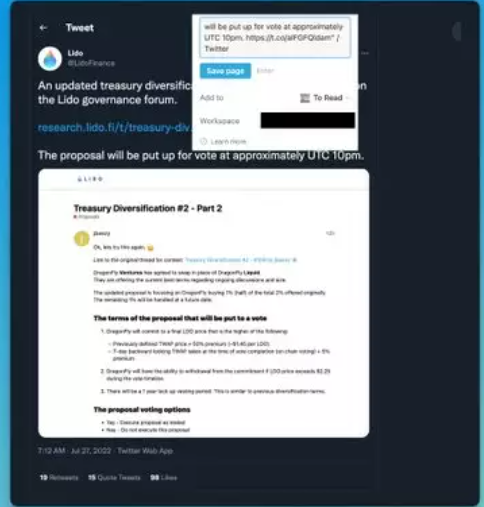
When I saw Lido propose a new treasury initiative but didn’t fully understand it, I saved it using Chrome’s Notion Web Clipper into a database labeled “To-Read.” I schedule weekly time in my calendar to review this list.
Deep Work Sessions
I conduct research in the morning—the time I’m most focused. It’s not about duration, but intensity.
Work Output = Time × Intensity
Like working out: 25 minutes of high intensity > 2 hours of low effort.
Full Focus
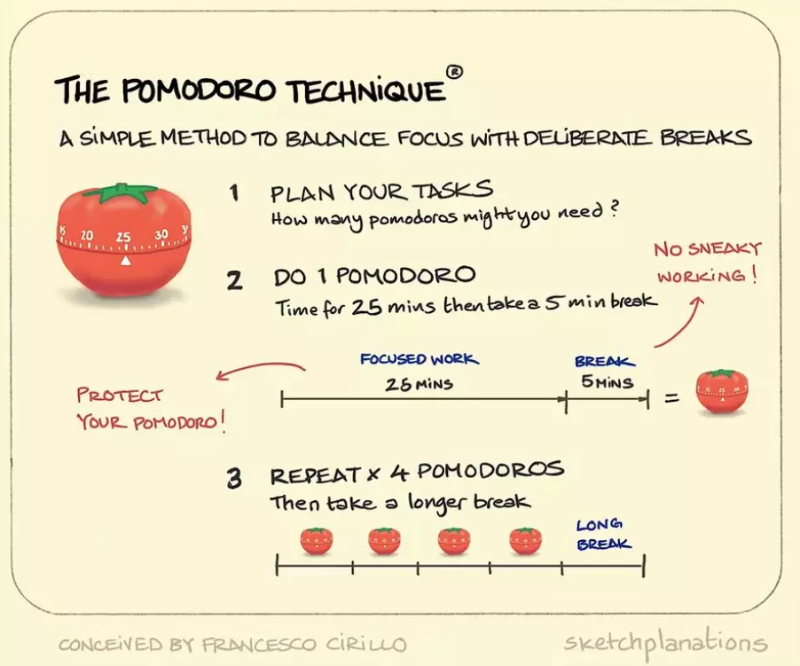
During research, I eliminate distractions—blocking social media, placing my phone in another room, and using the Pomodoro technique: 50 minutes of work, 10-minute break.
Feynman Technique
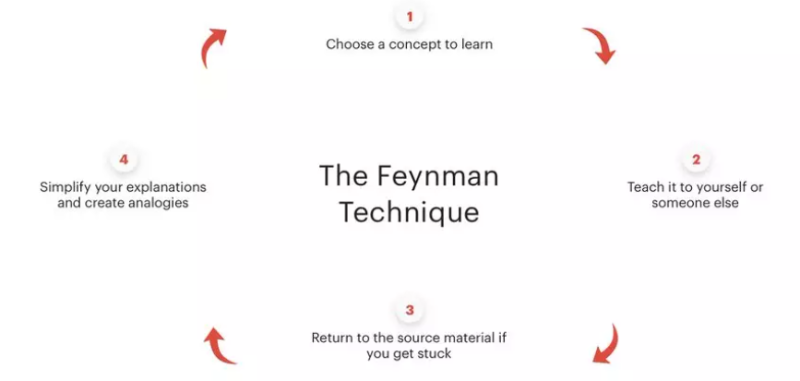
Richard Feynman, Nobel-winning physicist, had a secret: after learning something, explain it simply.
I encourage you to tweet and write articles. Explaining concepts reveals gaps in your understanding.
Consume High-Quality Content
If you eat junk food, your body becomes junk. Be selective about who you learn from. Following a few high-quality accounts is better than hundreds of mediocre ones. Actively curate your Twitter feed, newsletters, and podcasts.
Build a Note-Taking Habit
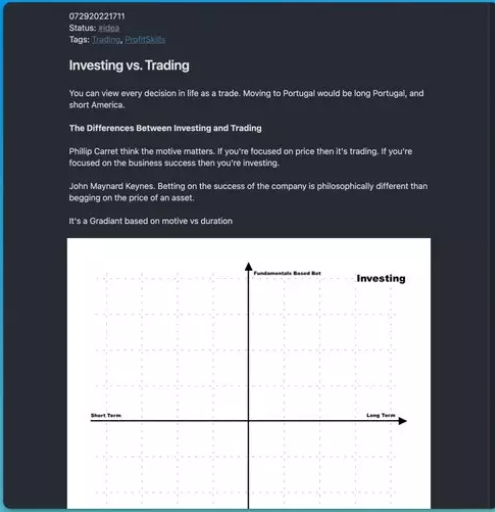
Taking notes boosts comprehension and memory. A solid system and tool help. I use Zettelkasten (method) + Obsidian (software).
Take Breaks
I cap core research at 4 hours per day. Rest is essential for knowledge absorption. Take breaks, sleep well, go for walks—your brain needs downtime to retain information.
Healthy Brain
This is your foundation—a healthy brain. How?
• Exercise regularly;
• Stay hydrated;
• Spend time in nature;
• Brain-boosting foods (fish oil, vegetables, berries);
• Develop healthy stress-coping mechanisms;
• Limit social media;
Probabilistic Thinking
“No amount of research prevents an exploit from wiping out your gains.”
Nothing in crypto is guaranteed. Research only increases your odds of success.
Join TechFlow official community to stay tuned
Telegram:https://t.me/TechFlowDaily
X (Twitter):https://x.com/TechFlowPost
X (Twitter) EN:https://x.com/BlockFlow_News
 @thedefiedge


