








Intern's Perspective: Using Technical Analysis to Interpret Crypto Bull and Bear Markets
TechFlow Selected TechFlow Selected
Intern's Perspective: Using Technical Analysis to Interpret Crypto Bull and Bear Markets
Why is the speed of decline always faster than that of rising? Why does consolidation take so long before a rise? Why do breakouts with increased volume have higher success rates?
 Navigating Web3 tides with focused insights
Author: 0xbread
Why does the price always fall faster than it rises? Why does consolidation last so long before a rally? Why do breakout attempts with higher volume have greater success rates? I’d like to discuss these questions from my own perspective.
To make this more vivid, I’ll start with an analogy from everyday life. Let’s treat capital as water. As we all know, water flows downward, and on flat, fertile soil, it gathers gradually from the outside inward. When enough accumulates, it overflows—then reverses direction, nourishing plants from within, providing them sufficient moisture to grow.
When plants mature, they not only perform photosynthesis but can also serve as fuel for fire. The larger the tree, the longer it burns and the stronger the flame becomes.
Fire and water behave in opposite ways—water flows down, fire burns upward. As the tree burns, it turns into gas; the fiercer the flame, the stronger the upward force, lifting the "tree" high into the sky. These gases accumulate in the atmosphere until the fire dies out. Due to inertia, even after the flame extinguishes, the gases continue rising for a while. Wind then gathers gases from all directions, condensing them into clouds.
Eventually, as more and more clouds gather overhead, they transform back into rain and fall to earth. Rainfall starts light, grows heavy, then tapers off again until skies clear. This water once again collects on the ground, preparing for the next cycle.
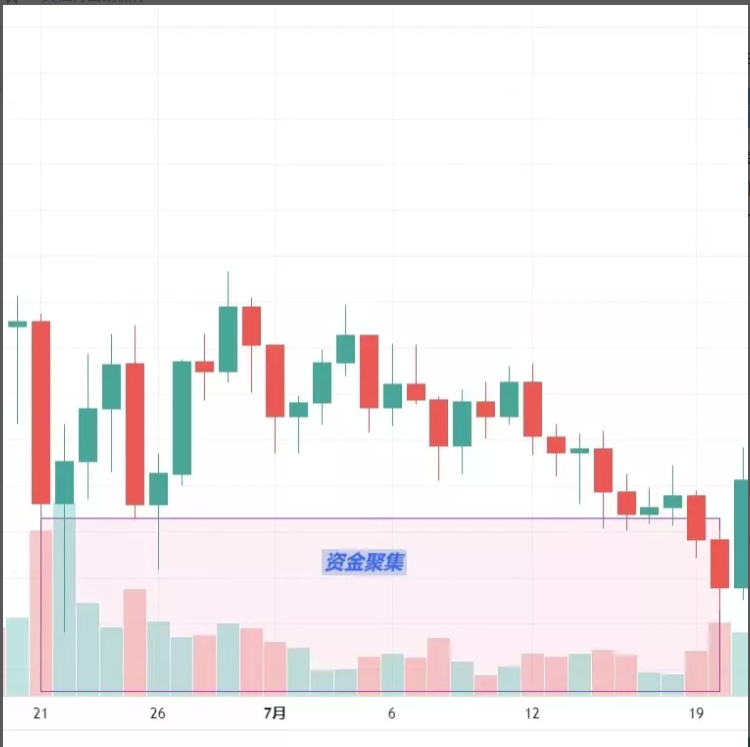
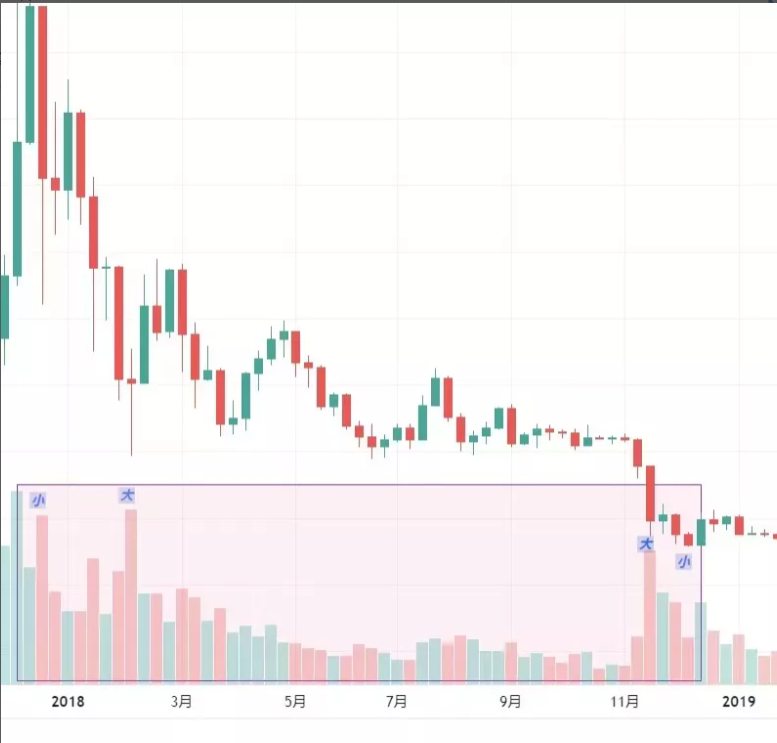
Now let’s examine what each element represents in this cycle. Water symbolizes money. Initially, large amounts of capital quietly accumulate within a sector—we often fail to notice how much funding is gathering because “water nourishes silently.” Finally, when it falls back to earth as rain, the flow follows a pattern: small → large → small, continuing until capital exits completely and the cycle begins anew.
The tree represents native projects within that domain, which we can divide into two categories:
1. Sustainable development projects.
2. One-time burn projects.
Sustainable projects burn resources without damaging their core vitality. The second type exhausts their life force to achieve short-term goals. From this analogy, we see that the tree’s final destination is the sky—just as when prices rise to a certain level, project teams may achieve their objectives, i.e., good news is priced in.
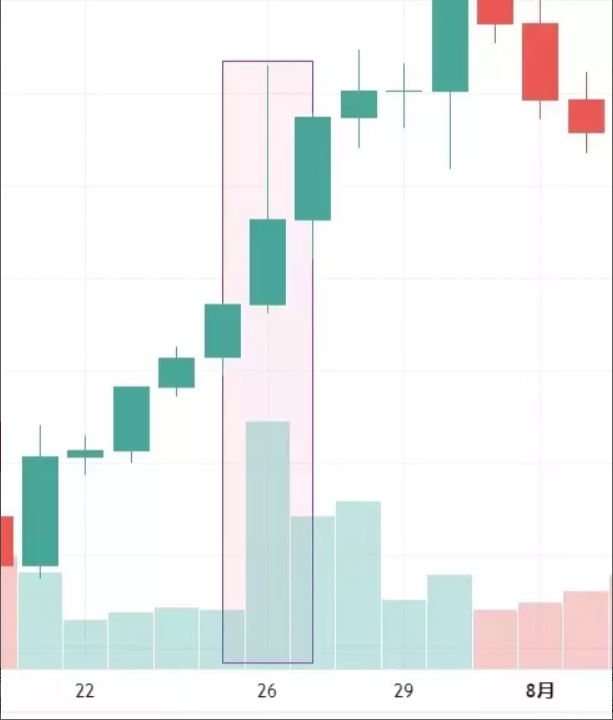
“Flame” represents momentum—a catalyst, news, or FOMO sentiment—and serves as the critical driver of qualitative change. A significant inflow of capital always leaves traces. Many savvy investors understand this. At key moments, they release news, signal confidence, and buy aggressively, igniting retail investor emotions. Volume surges, price breaks out of its consolidation zone. The chart below shows one of the most classic examples from last year.
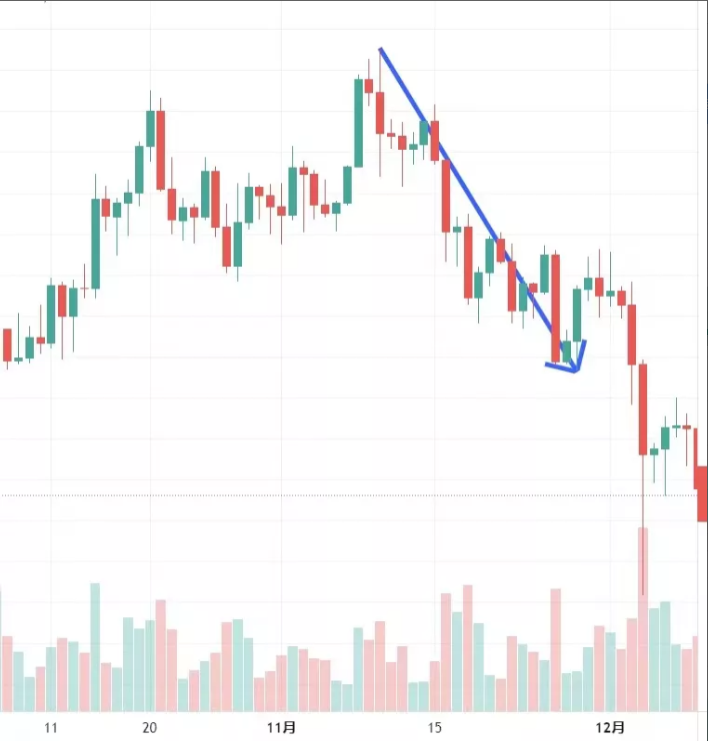
After the tree finishes burning and the flame dies, due to inertia, prices often continue rising briefly. But without ongoing momentum, this upward movement stalls, leading to the first pullback—forming “dark clouds.” Retail investors driven by emotion, fearing missed opportunities, cannot resist the broader trend. Ultimately, their capital turns back into rain, falling to the ground once more.
There’s one final element—the most important yet most easily overlooked: the land. Land represents many things—project fundamentals, the overall crypto market, government policies, global economic conditions, and geopolitical trends. In short, land stands for the macro environment. Fertile land naturally nurtures high-quality projects with lower risk; barren or unstable land makes even strong projects struggle to survive.
Finally, before investing, take time to identify which phase of the cycle you're in and assess your risk-reward ratio. If you can’t clearly read the current stage, hold onto your cash. Beware of your emotions—the more eager you are to profit, the more likely you are to lose money.
All views expressed above are personal opinions and do not constitute investment advice.
Join TechFlow official community to stay tuned
Telegram:https://t.me/TechFlowDaily
X (Twitter):https://x.com/TechFlowPost
X (Twitter) EN:https://x.com/BlockFlow_News


