Is real-world asset tokenization the gateway for DeFi to enter its next growth era?
TechFlow Selected TechFlow Selected
Is real-world asset tokenization the gateway for DeFi to enter its next growth era?
How Tokenized Real-World Assets Can Scale DeFi to a Global Level?
 Navigating Web3 tides with focused insights
Written by: ChainLinkGod.eth
Compiled by: TechFlow intern
How will tokenized real-world assets (RWAs) scale DeFi to a global level? This article covers my views on the current opportunities and challenges.
I believe that until RWAs are brought onto chains at scale, DeFi will remain highly reflexive and primarily seen as a casino for token speculation, where token value derives from the ability to generate revenue through speculative activity.
Bringing RWAs on-chain will provide a way to shorten this reflexive speculative loop. Tokens will effectively exchange with RWAs (collateral, liquidity, debt, etc.), and while crypto speculation will continue, it won't be the main narrative anymore.
Think about it: if DeFi disappeared tomorrow, how much impact would society feel? Aside from some investors losing money and developers losing jobs, I don't think the global economy would change significantly. This brings us back to the question: "What is the purpose of the infrastructure we're building?" Are we aiming to create a more transparent, trust-minimized, and economically efficient society? Or are we simply creating a social experiment and metaverse game for people to speculate in?
Again, let's examine where the revenues of these blockchains and dApps actually come from. Based on data and observation, I believe this revenue stems from speculation on tokens whose value propositions are questionable.
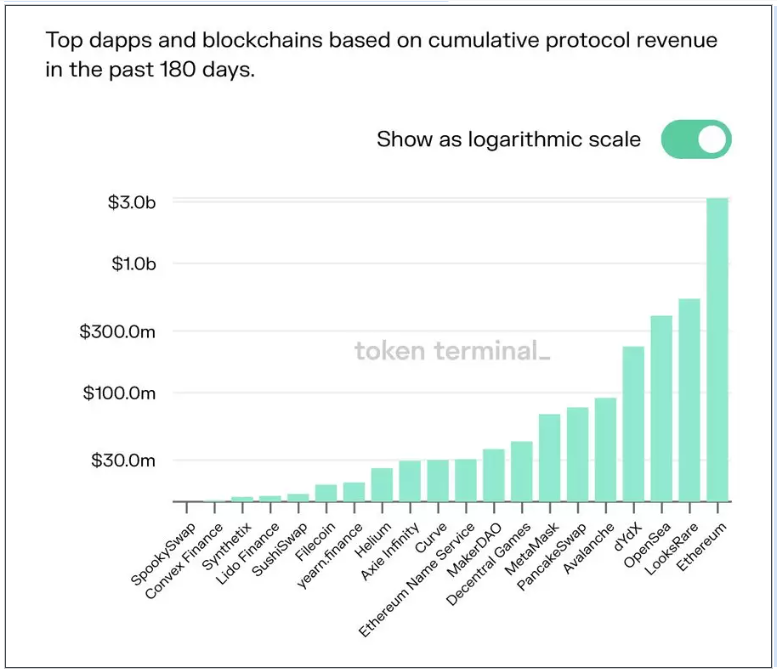
During bear markets, speculative activity declines, and these revenue streams shrink accordingly. The reason crypto rises so much is also why it falls so much.
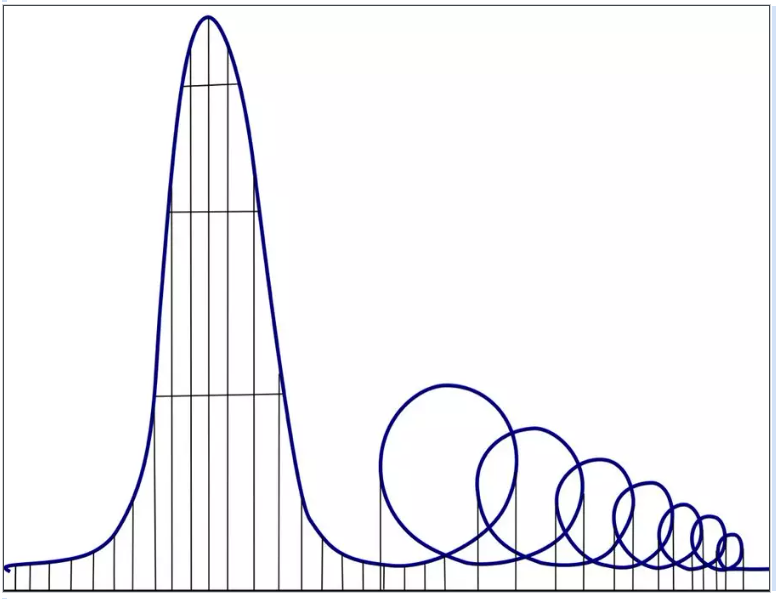
This is unsustainable and doesn't create real-world value for people. DeFi needs to reach the foundational layer of real-world needs, and RWAs created by enterprises and governments represent a crucial step toward that reality.
This has already begun. The value of stablecoins peaked at around $180 billion in 2022. Stablecoins are tokenized dollars—RWAs created by the U.S. government (technically, the Federal Reserve).
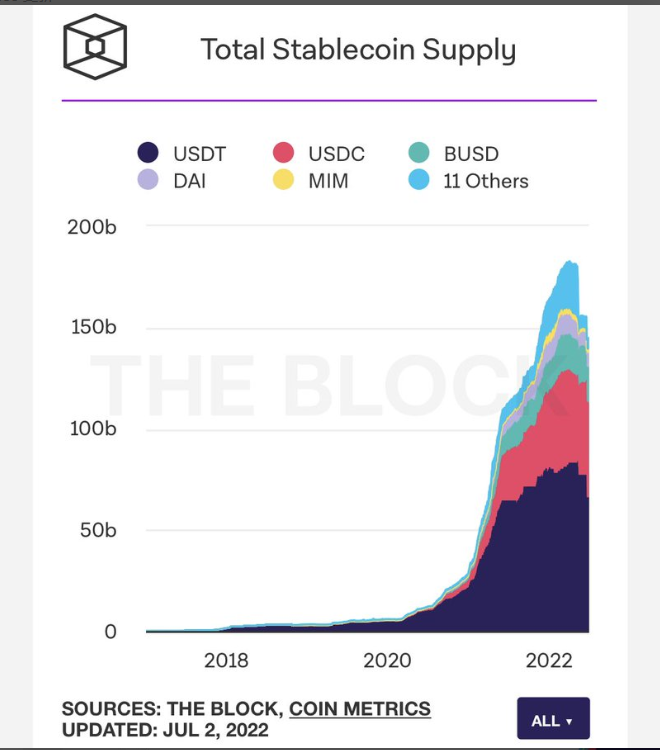
In fact, I believe stablecoins are among the most product-market-fit products in DeFi today. This programmable, composable, permissionless digital dollar can be transacted and settled more efficiently and cost-effectively than TradFi.
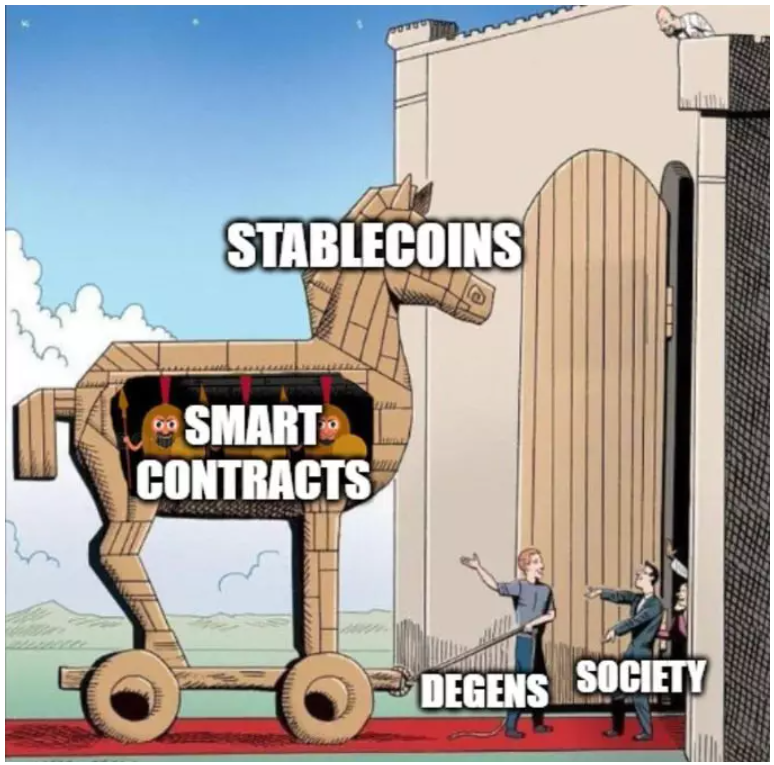
The natural next step is bringing other RWAs on-chain. We've already seen stablecoins for other fiat currencies and commodities like gold appear in tokenized forms, primarily on Ethereum, but likely soon on other chains as well.
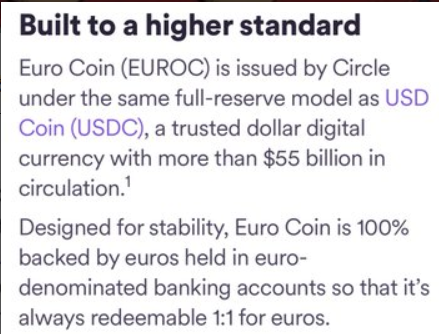
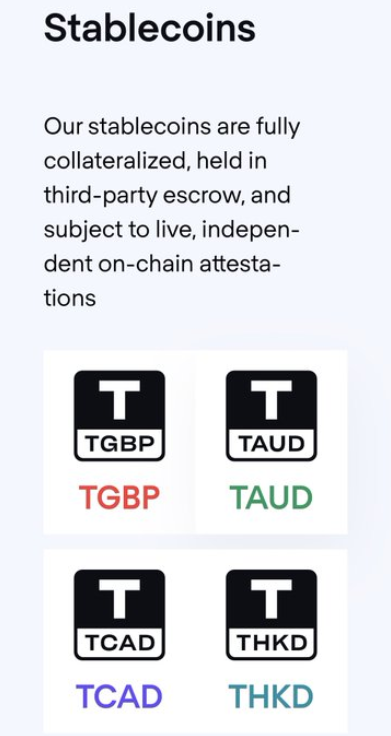
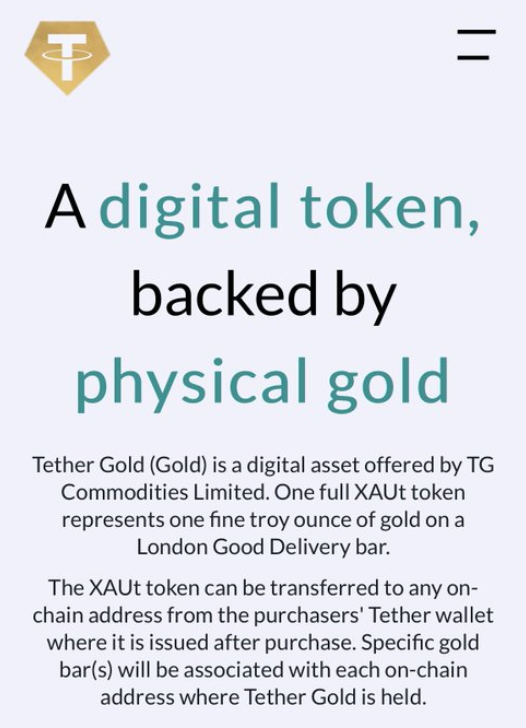
Beyond these, there are other assets including government treasuries, corporate bonds, stocks, and securities. There’s a proposal on the MakerDAO forum to allow tokenized short-term bond ETFs as collateral for minting DAI.
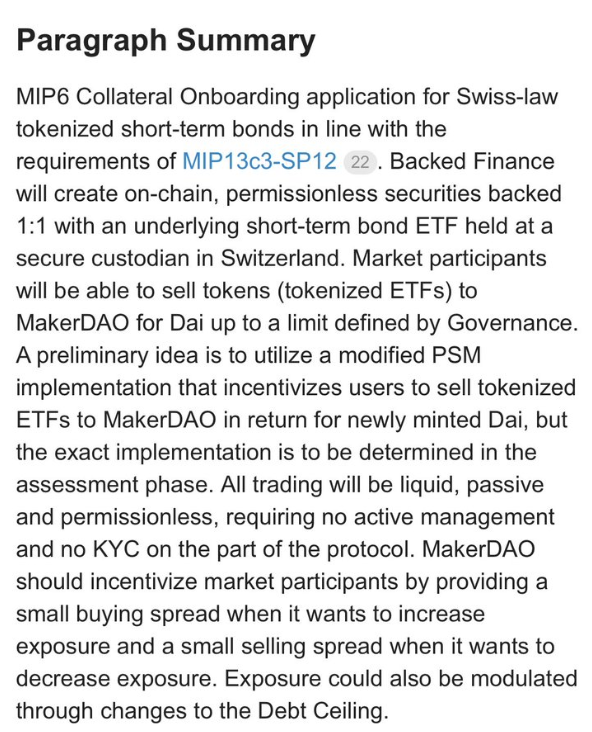
Many oppose this proposal because on-chain RWAs aren’t trustless and therefore not fully aligned with our ecosystem ideals. But I disagree. Trust minimization exists on a spectrum, and DeFi can deliver significant benefits across all points on that spectrum:
1. Increased transparency in market risk and asset usage
2. Seamless composability with other financial infrastructure
3. Better accessibility for the unbanked population worldwide
4. Expanded revenue opportunities from larger markets
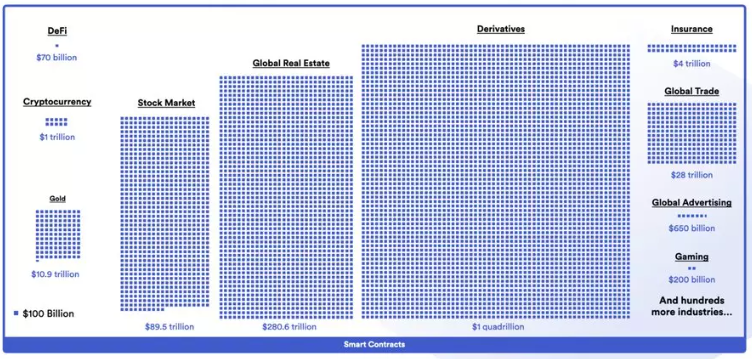
The real focus of this article, however, is regulation. If rules and regulations don’t allow companies to tokenize assets on public blockchains, they won’t do it; even if permitted, there may still be restrictions such as KYC requirements.
Regulators care about identity in DeFi, and I believe this can be addressed using zero-knowledge proofs to protect privacy. Proving facts about yourself without revealing those details publicly on-chain. But even after clearing regulatory and identity hurdles, there will still be applications and users who want to use only cryptocurrencies and maximize trustlessness. As a result, regulated and unregulated DeFi may diverge.
Tokenized RWAs—and the users, revenue, and institutional support they bring—will reside in regulated DeFi, while gambling, economic experiments, and speculative activities will take place in unregulated DeFi.
Unregulated DeFi can serve as a sandbox for exploring new ideas, and it could act as a backup plan if our known society and traditional finance were to collapse entirely. Having viable alternatives is always beneficial.
If you look at today’s DeFi landscape, you’ll notice that projects are already choosing which ecosystem to develop in, though some span both—mainly at the infrastructure layer.
Finally, what I’m describing here isn’t necessarily what I *want* to happen, but rather what *needs* to happen for DeFi to scale—and what is most likely to shape the future state of the ecosystem. This is how crypto and DeFi will reach the next billion users: by delivering products and services that people truly want.
Of course, this isn’t the only barrier we need to overcome. Much remains to be improved in user experience (UX) and onboarding, but those topics deserve separate discussions.
In summary, we shouldn’t spend excessive time on highly speculative endeavors. Instead, we should focus more on how we’ll bring RWAs on-chain so we can deliver applications that the mainstream audience truly wants.
Join TechFlow official community to stay tuned
Telegram:https://t.me/TechFlowDaily
X (Twitter):https://x.com/TechFlowPost
X (Twitter) EN:https://x.com/BlockFlow_News