








Understanding the Four Traditional Types of Gamers: What Can Web3 Games Learn?
TechFlow Selected TechFlow Selected
Understanding the Four Traditional Types of Gamers: What Can Web3 Games Learn?
How do traditional game companies categorize and attract players, and what new types does Web3 gaming bring? What can we learn from traditional games?
 Navigating Web3 tides with focused insights
Written by: Sensei.p2e
Translated by: TechFlow intern
GameFi remains a devil's fruit in the Web3 ocean—its ability to break boundaries and attract capital may usher in a new chapter for the next bull market, yet its drawbacks are equally evident. This article mainly describes how traditional game companies categorize and attract their players, what new player types Web3 games have introduced, and what we can learn from traditional games.
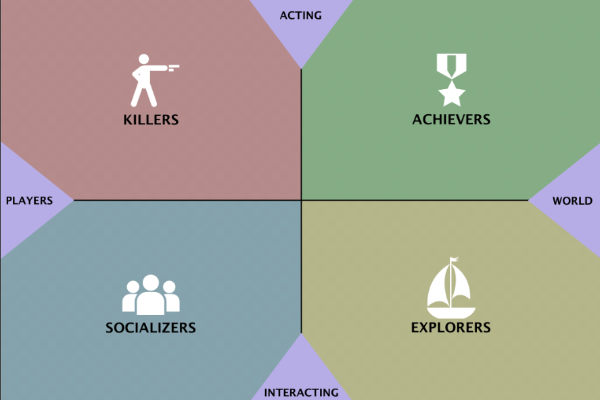
In 1996, one of the pioneers of gaming, Richard Bartle, classified players into four categories based on their psychology. What are these categories, and why are they important in Web3 game development? This is an article suitable for both gamers and game developers.
Psychology is the study of the mind and how it influences human behavior. In video games, this translates into how players think and interact within the game environment. Some players excel at competition, while others simply log in to communicate with friends.
Understanding these different types of players helps developers build their game design, economy, and mechanics around the specific player types they aim to attract.
Therefore, in 1996, Richard Bartle created the "Bartle Player Taxonomy."
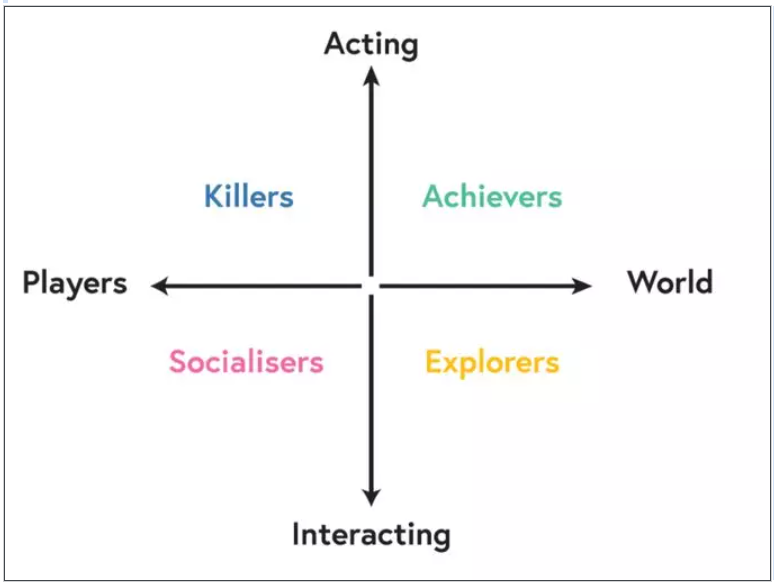
He divided players into four groups based on their behaviors in games and who or what they prefer to interact with. Do players focus more on the game world or other players? Are they more concerned with storyline or interaction?
Erwin. A and Brandon. D then developed a series of questions and a scoring formula to further classify players into these four groups according to Bartle’s model:
1. The Achievers
2. The Explorers
3. The Socializers
4. The Killers
1. The Achievers
These players are dedicated to completing and collecting rare in-game data, records, and items that ordinary players cannot achieve. Overcoming challenges and accumulating rewards are their main goals. They set personal objectives and push themselves to accomplish them.
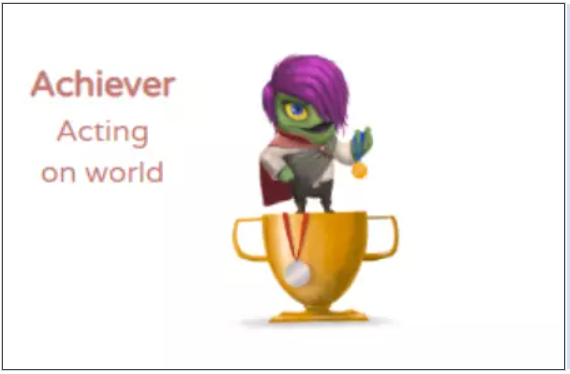
They are also known as "Diamonds." They may not be the most skilled, but when it comes to completing tasks, collecting items, loot, and skins, they are your go-to players. Their primary motivation comes from being able to show off these achievements to others.
For game developers, this type represents the ideal candidate—they play your game with direction and purpose, and completing the game path aligns perfectly with their goals.
2. The Socializers
Also referred to as 'Hearts,' these players derive joy from interacting with friends and other players in the game. The Socializers enjoy helping each other and building communities.
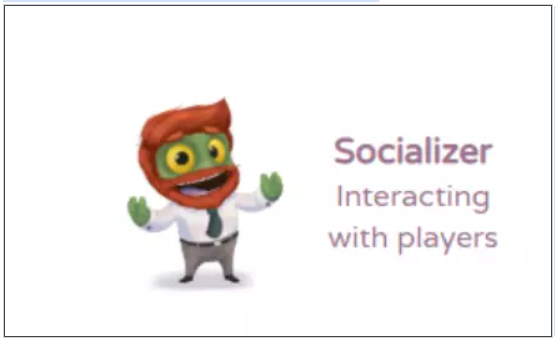
You’ll often see them creating teams and recruiting players from all over for casual gameplay. Players who constantly use "world chat" are another great example.
They are more active in casual multiplayer games, though you can still find them in single-player games through social platforms like Reddit and Steam communities. A game that allows player-to-player interaction and community-building is more likely to attract The Socializers.
3. The Explorers
Also known as 'Spades' because they love exploring and discovering the unknown. These players go where others don’t, and know what others don’t. They are the most curious players, enjoying hunting for Easter eggs and unlocking rare rewards.
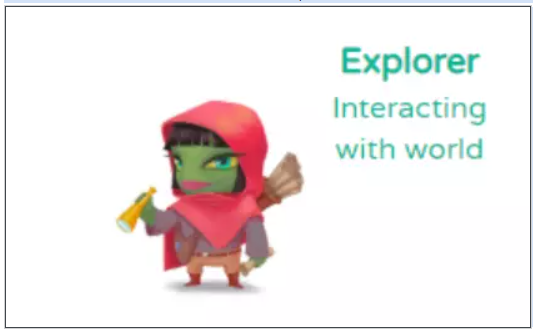
They will scrutinize every wall in Elden Ring and research detailed stats of every weapon in Call of Duty (COD). Clearly, they dislike time-limited content and tend to get bored quickly after experiencing all the game content and uncovering its secrets.
4. The Killers
Also called 'Clubs.' These players enjoy competing against other players rather than NPCs. They invest effort and energy into competing with one another. They play to dominate others—you’ll find them at the top of every game leaderboard.
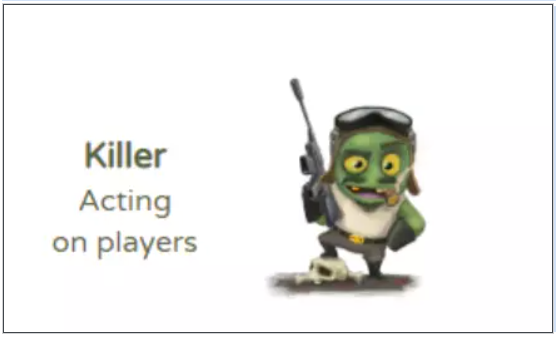
Most Killers have a friendly competitive spirit, but some care only about their own entertainment in PVP and will go to any lengths to ensure victory—including using cheats. For game developers, having Killer-type players drives in-game competition.
Although this model remains the gold standard in today’s game development, it has limitations due to advances in gaming and its original focus on MMORPG structures.
Advancements in games and technology have led to the emergence of new player types, giving rise to a fifth category known as:
5. The Earners
Thanks to blockchain technology and Web3 games, players can now earn money by playing games.
These games are similar to regular games but offer an additional advantage: you truly own your in-game items and can earn money by exploring, finding items, ranking high on leaderboards, or completing simple daily tasks.
Pioneering examples include Illuvium, UndeadBlocks, PlayBlank, Axie Infinity, and StepN. The Earners are players solely focused on making money through gameplay, and these games create thriving economies for them.
Motivated by high income potential, although currently mostly seen in NFT games, The Earners have long existed in traditional games as account sellers or service providers for regular players. In Web3 games, they often appear as scholars.
Here are some notes regarding the Bartle model:
• Players do not belong exclusively to one type; instead, they exhibit traits across multiple types, with one being more dominant.
• A game does not need to appeal to all player types to succeed.
Join TechFlow official community to stay tuned
Telegram:https://t.me/TechFlowDaily
X (Twitter):https://x.com/TechFlowPost
X (Twitter) EN:https://x.com/BlockFlow_News






