








On-Chain Drip: How to Tokenize Fashion?
TechFlow Selected TechFlow Selected
On-Chain Drip: How to Tokenize Fashion?
The fashion NFT bull market aligns with the development of the metaverse and virtual worlds.
 Navigating Web3 tides with focused insights
Author: Eshita Nandini, Messari Research
Translation: TechFlow
Summary
-
As our physical world merges with the virtual, physical identities will be projected into virtual spaces through Avatars and PFPs, with fashion becoming a key component of these identities.
-
The development, production, authentication, and digital representation of fashion can all move on-chain, reducing production costs.
-
There are numerous examples of fashion consumers paying more for digital goods than their physical counterparts.
Digital fashion is not a new concept—it existed long before NFTs. Early forms of digital fashion included game skins, dressing up Neopets, and customizing online avatars (e.g., The Sims). Today’s fashion NFTs can represent tokenized clothing, wearables, jewelry, and footwear, potentially combining both virtual and physical elements. Freed from real-world constraints in manufacturing or design, digital fashion enables artistic expression and creativity beyond what is physically possible.
Thanks to advancements in Web3, fashion and other traditional industries have transformed how they create and distribute products. Digital components help streamline the process of designing, developing, and selling apparel. While digitization in fashion isn't novel, Web3 makes it interoperable, more agile like physical goods, open-source in design and production, and fosters community-driven brand ecosystems.
On-Chain Fashion Research

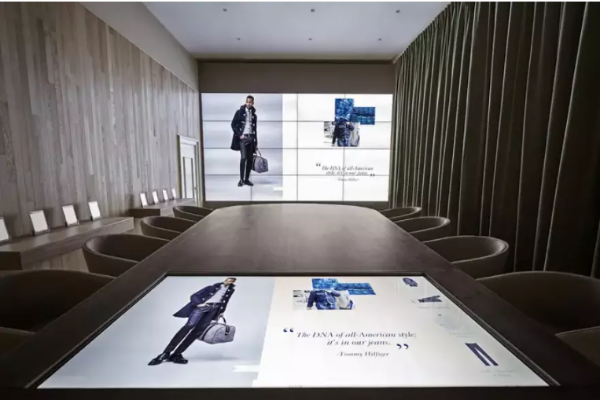
Tommy Hilfiger digital showroom, source: Business Wire
Digital elements are increasingly integrated into apparel development. The traditional fashion pipeline typically includes four stages before reaching consumers: raw materials, design, production, sales, and marketing. Most U.S. brands are expected to digitize sketching, sampling, and display processes, avoiding physical production until items appear on runways or go on sale. For example, Tommy Hilfiger has transitioned to a digital showroom model, cutting sample output at its flagship stores by 80%.
Traditional fashion faces major challenges regarding labor practices and environmental pollution. The industry generates an estimated 92 million tons of textile waste annually, with about 30% of seasonal clothing remaining unsold.
In fashion, consumers traditionally receive physical products—but even this is rapidly changing. Now, consumers can directly purchase items for Avatars or experience them digitally. AR fashion allows users to virtually try on clothes, fit models, or wear NFTs and skins that only exist in virtual environments.
Undeniably, the fashion industry—whether virtual or physical—is vast and fragmented, involving many players and sub-markets. Bringing fashion on-chain opens numerous opportunities:
-
Open-source apparel production: Community formation around brands where members participate in design and production, enabling hybrid designs and crowdfunding. Examples include HibiscusDAO, Aku, and MetaFactory.
-
Digital prototypes and NFTs for physical items: Samples produced digitally before purchase, lowering manufacturing and labor costs. Fashion shows and showrooms can also go digital, shortening feedback loops during product development. NFTs can use services like Legitimate to authenticate physical objects.
-
Digital wearables and skins for Avatars: Fashion plays a crucial role in shaping our virtual identities—including native digital items and digital twins of physical goods verified on-chain.
Open-Source Fashion
Today, apparel spans a spectrum from fast fashion to haute couture. Fast fashion refers to mass-produced clothing with limited design input, contrasting with high-end fashion, which is typically made by luxury houses in small quantities (less fungible), emphasizing intricate design and status signaling.
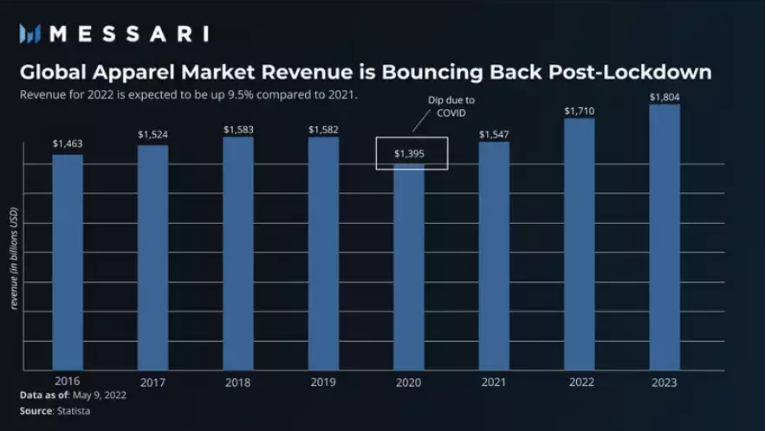
The global apparel market reached $1.7 trillion in revenue in 2021, experiencing only a temporary dip due to the pandemic. In the same year, luxury fashion generated $93 billion. Although priced based on brand prestige, luxury items are far less interchangeable than everyday wear—mirroring the trajectory seen in blue-chip NFT collecting, such as BAYC.
Fashion brands are highly centralized, with design entirely internalized and little external involvement from collectors or consumers. Finesse Studios pushes for consumer participation in deciding what gets produced, serving customers directly while eliminating overproduction waste. Including consumers in the design process allows direct feedback and enhances user experience—traditionally reserved for elite clients and insiders. Just as music NFTs changed how musicians create and distribute work, fashion NFTs can transform every stage of apparel creation.
Shifting toward community-owned, open-source fashion supply chains introduces much-needed transparency and control. HibiscusDAO collaborates with communities to bring garment production on-chain, aiming to eventually allow independent groups and designers to fork and build upon portfolios, creating recombinant fashion pieces. This approach lowers entry barriers, giving emerging creators visibility and enabling fairer revenue distribution.
Pixeled Haute Couture
After launching in 2018, Carlings became one of the first digital merchandise markets—overlaying purchased items onto customer photos. Several existing marketplaces, including general NFT platforms, now feature fashion NFTs from new designers, brands, and established companies. By the end of 2021, roughly 10 out of 60 companies in the Vogue Business Index had partnered with NFTs in some form, including high-end fashion labels.
NFTs
Fashion NFTs come in various forms, including purely digital items and digital representations of physical goods. Designer Roksanda Ilinčić created a series of NFTs for London Fashion Week and its surrounding tools. The highest-priced piece included a 3D file, allowing owners to adapt the wearable to any game or virtual world when technically feasible. As we've seen in gaming alliances, luxury brands are no strangers to digital works. Some collectibles have sold for millions—even without corresponding physical items.
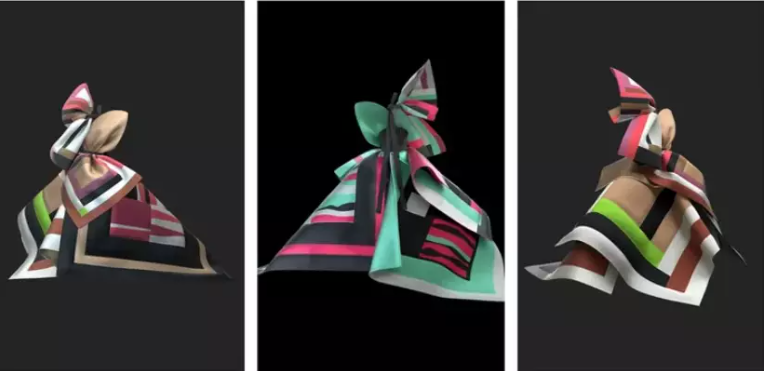
Source: Roksanda
Dolce & Gabbana launched a nine-piece Collezione Genesis collection via UNXD, each tied to a physical item and real-world experience. The auction raised $6 million, with the Doge Crown alone fetching $1 million.

Source: UNXD
Design files can be shared or open-sourced with communities, enabling users to fork and build upon previous creations. These files can also be tokenized and sold as NFTs, granting remixing rights exclusively to NFT holders. An open-source approach encourages greater experimentation and creativity. While some brands have successfully sold via NFTs, a challenge remains for those working with traditional textile manufacturers and designers to keep pace with digital innovation.
Virtual Runways
Fashion shows are usually essential to a designer's revenue, serving as venues to showcase new collections, meet buyers, build relationships, and present seasonal samples. For a designer, staging a show can cost up to $300,000 in venue and model fees—a significant expense with unclear ROI in terms of actual sales.
Designers are already showcasing their work on virtual stages and in virtual worlds like Roblox. Jonathan Simkhai debuted his collection at this year’s Metaverse Fashion Week, becoming a Metaverse-exclusive designer. While digital runways may seem less labor-intensive, designers still undergo similar processes of advertising, virtual model fittings, and execution.
NFTs do not render physical runway shows obsolete—IRL experiences remain important for many—but they reduce the need to produce new items every season, saving time for designers and creators.
Breaking Physical Constraints
Physical items degrade, but high-quality digital versions can preserve them indefinitely. When Kim Kardashian wore Marilyn Monroe’s 60-year-old gown to this year’s Met Gala, widespread backlash followed due to the risk of damaging a priceless museum artifact. This incident further highlights the value of carefully preserving historically significant garments through digital replication for repeated “wear” and display.
Moreover, digital realms surpass physical limitations in practicality and creativity. Fashion house Paco Rabanne recently released an NFT series called Rabanne, featuring twelve unwearable dresses from 1966. While impractical, these pieces remain art. NFTs enable visions to be expressed in ways approaching reality.
Entering Metaverse Dressing
Interoperability allows people to buy and wear virtual items across platforms (e.g., purchasing from The Fabricant and wearing in Roblox). For fashion-focused companies, producing clothing for the metaverse should be a natural step. This shift began during the pandemic, as interest in digital worlds grew amid lockdowns. Animal Crossing, a popular life simulation game, saw over 31 million units sold in 2020, with Valentino and Marc Jacobs releasing in-game apparel specifically designed for it.
Luxury fashion houses have gradually built their presence in virtual spaces—a trend starting years ago. In 2019, Louis Vuitton partnered with Riot Games for the League of Legends Championship, launching both physical and digital items. Moschino collaborated with The Sims to release in-game products.
Fashion items serve as symbolic mechanisms: Birkin bags, Rolex watches—the list goes on. Wearing certain brands signals wealth and belonging, while also making wearers feel and look good. Most NFT activities, especially PFPs, relate to access to exclusive communities, wealth signaling, and asset ownership. NFTs mirror the psychological satisfaction derived from physical luxury goods. As people develop their virtual identities, fashion sits at the forefront of this movement. If you proudly display your Rolex in real life, you likely wouldn’t hesitate to showcase it on your PFP NFT.
Luxury handbags vary widely in price depending on material, uniqueness, and the brand behind them—some reaching millions, no different from what NFTs aim to achieve. However, digital versions of fashion items can sell for equal or even higher prices than their physical counterparts. For instance, Gucci sold a digital version of its Dionysus bag on Roblox for $6, later resold for $4,115—over $800 more than the physical version.
Virtual land acts as billboards, and fashion conglomerates benefit significantly from collaborations with traditional games and crypto projects.
No Barriers to Entry
Game skins are a prominent application of digital fashion, as these wearable assets can integrate with NFTs, PFPs, Avatars, and game characters. Interoperability allows personal style to transfer across different games and virtual lands.
Static NFTs—those with immutable metadata—are currently standard. However, dynamic NFTs allow transformations based on external conditions that change metadata. Dynamic fashion NFTs enable upgrades and evolution of items in response to changes such as new seasons or shifting tastes.
Legal Considerations
Regulation around NFTs is still evolving. Market participants will inevitably confront ambiguous guidelines. For instance, multiple individuals often contribute to creating a single garment. While IP may belong to the fashion house or designer, on-chain transparency can track contributions and ensure fairness.
Counterfeit goods exist in both digital and physical worlds. For example, an artist released a series called MetaBirkins and was immediately sued by Hermès for copyright infringement—even though the NFTs offered no physical utility or product. While counterfeit tracking is difficult offline, the digital realm is more transparent, incentivizing brands to embrace digitization.
Conclusion
The bull case for fashion NFTs aligns with the growth of the metaverse and virtual worlds. For the industry to progress, fashion supply chains will become increasingly digitized, reducing prototyping costs before sales.
Some early digital fashion shows and AR experiences were low quality due to insufficient AI support. As people spend more time online and technology advances, pure digital fashion will become part of daily life.
Fashion going on-chain will be a major Web3 trend, especially considering its potential to empower creators—both new and established. Leading players in this space are gaining recognition by creating innovative offerings for users interested in both digital and physical fashion.
Join TechFlow official community to stay tuned
Telegram:https://t.me/TechFlowDaily
X (Twitter):https://x.com/TechFlowPost
X (Twitter) EN:https://x.com/BlockFlow_News
 Messari






