Will too many Layer 2 scaling solutions harm Ethereum's ecosystem?
TechFlow Selected TechFlow Selected
Will too many Layer 2 scaling solutions harm Ethereum's ecosystem?
Due to the overly fragmented planning of Layer 2 projects in the market, Ethereum users may lose many benefits that Layer 2 solutions could bring.
 Navigating Web3 tides with focused insights
Ethereum's biggest problem is its inability to scale, and many protocol companies are actively addressing this issue by launching numerous Layer 2 (L2) scaling solutions on the market. Despite the wide range of proposals available, the excessive fragmentation across projects may cause Ethereum users to miss out on many benefits that L2 solutions could otherwise provide.
Ethereum's scalability issues are no longer a secret. Currently, transaction costs on Uniswap can exceed $50 and take at least 15 minutes to complete.
For a blockchain aiming to serve as a settlement layer for billions, Ethereum’s current scalability limits hinder long-term growth. If these scaling challenges aren't resolved quickly, user attrition will continue.
One of the most common solutions is Layer 2 scaling platforms, which enable users to transact quickly and cheaply on Ethereum while maintaining security and expected protocol behavior.
There are currently three major Layer 2 solutions, with many more under development.
The Polygon solution has been live for nearly a year, using Plasma technology and sidechains to enable fast, low-cost transactions.
Optimism and Arbitrum were launched and became operational this past summer, leveraging rollup technology to deliver transaction environments as secure and reliable as Ethereum’s mainnet.
Starkware, xDAI, and OMGX have also made significant contributions to these scaling efforts.
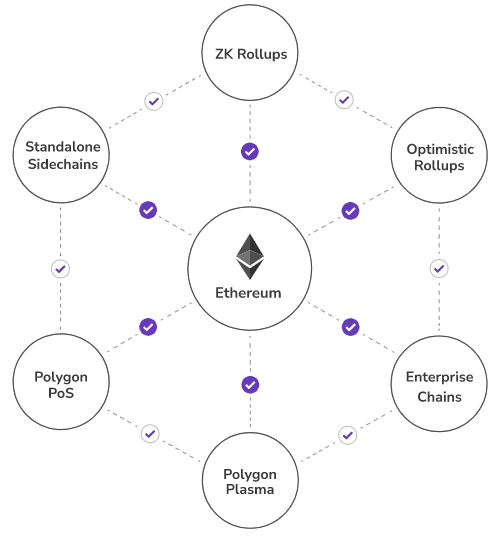
On the surface, having multiple Layer 2 scaling options seems beneficial, giving users freedom to choose their preferred trading platform.
However, these scaling solutions actually carry vulnerabilities and could potentially damage Ethereum’s ecosystem in the short term.
As Layer 2 scaling evolves, many popular dApps (decentralized applications) have already been forced to commit to one particular solution in order to be first-to-market with Layer 2 integration.
For example, Aave has signed smart contracts with Polygon on the blockchain, Uniswap and MakerDAO will use Optimism, while Sushiswap and Chainlink are partnering with Arbitrum.
Many smaller projects have also made their choices, effectively dividing the ecosystem among Polygon, Optimism, and Arbitrum.
Among these three, Optimism holds a slight edge in terms of adoption numbers, but not enough to clearly establish dominance across all Layer 2 solutions.
Although a project could theoretically build on multiple solutions, one L2 must still emerge as the initial leader. Moreover, voting to adopt a new Layer 2 solution can take weeks to finalize.

It might seem obvious that protocols like Uniswap should simply implement all available Layer 2 solutions, but this approach doesn’t solve everything.
If Uniswap simultaneously adopts both Optimism and Arbitrum, its liquidity would be split between them. This means reduced trading volume and worse user experience on each platform, potentially impacting users’ asset prices.
For dApps like Aave, fragmented liquidity could mean borrowers and lenders fail to get optimal interest rates, leading to lower economic efficiency and weakening the incentive for people to move from traditional financial tools to DeFi.
Additionally, if users want to transfer funds from Aave on Polygon to Uniswap on Optimism, they’d first need to withdraw funds from Ethereum mainnet to Polygon, then back from Polygon to mainnet, and finally from mainnet to Optimism. This process could easily cost $100 and completely negates the intended benefits of any Layer 2 solution.
The Ethereum community has become tribal—some users only use Optimism, others stick to Arbitrum or Polygon. Driven by high mainnet fees, the community has reluctantly fractured into tribes based on preferred dApp ecosystems.
In the long run, Ethereum 2.0 needs to reduce mainnet fees to resolve user fragmentation, but this won't happen for about another year.
One possible solution is building interoperable bridges between different Layer 2 networks, but without sufficient fee support from the mainnet, this remains technically challenging.
The most likely scenario is that centralized exchanges like Coinbase and Binance will offer services enabling transfers between Layer 2 networks.
Even so, this method still fails to fully address the problems. Users who are unwilling or unable to create KYC-compliant accounts will still face high costs when moving funds.
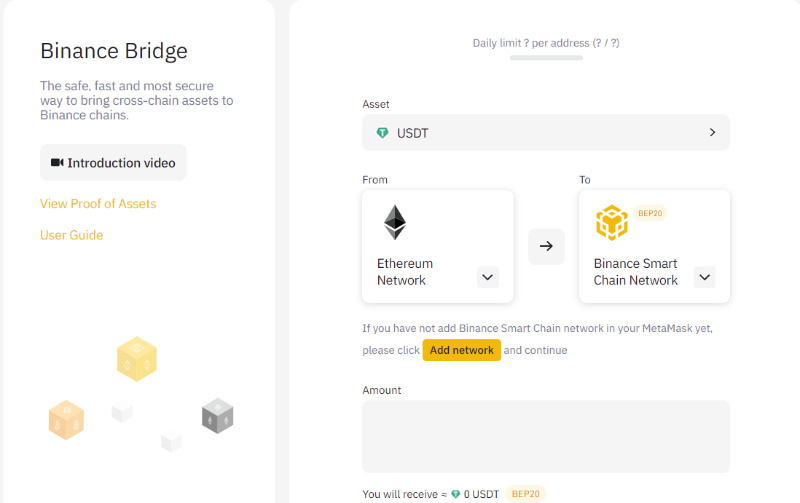
Ideally, only one or two Layer 2 scaling solutions should dominate Ethereum's scaling landscape, each hosting compelling DeFi applications so users don’t need to constantly shift between them. Ultimately, this outcome will depend on market forces and decisions made by Ethereum dApp developers.
Join TechFlow official community to stay tuned
Telegram:https://t.me/TechFlowDaily
X (Twitter):https://x.com/TechFlowPost
X (Twitter) EN:https://x.com/BlockFlow_News