Waller Hearing Debut, "New Fed Wire": Emphasizes Zero Tolerance for High Inflation but Did Not Hint at Interest Rate Path
TechFlow Selected TechFlow Selected
Waller Hearing Debut, "New Fed Wire": Emphasizes Zero Tolerance for High Inflation but Did Not Hint at Interest Rate Path
Warsh's Congressional Monetary Policy Hearing "debut" has five major signals.
 Navigating Web3 tides with focused insights
By Li Dan, WallstreetCN
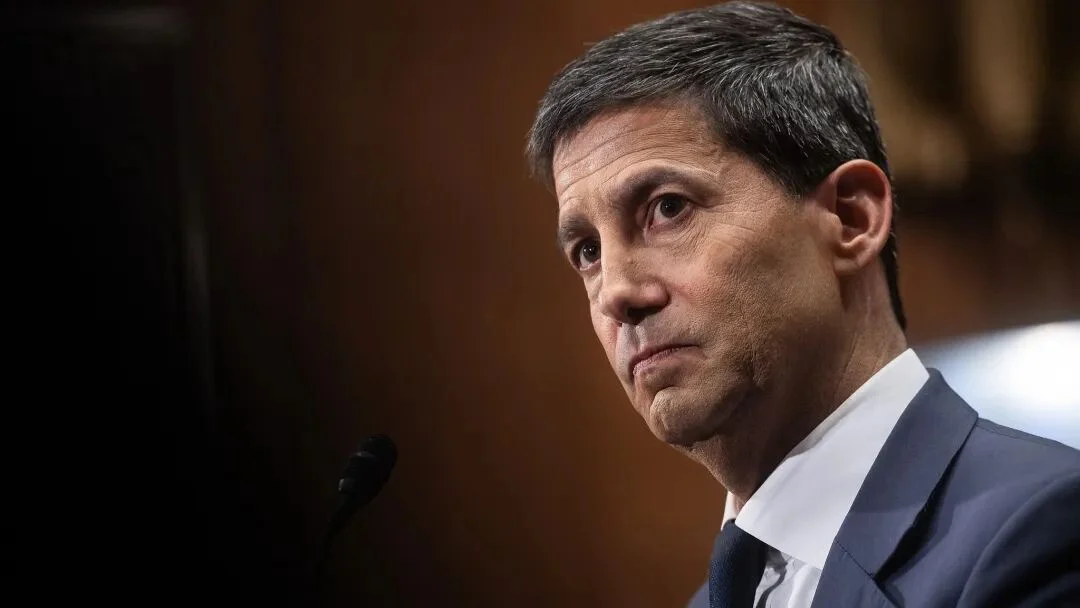
Fed Chair Wash's "debut" at the Congressional monetary policy hearing unveiled his "Fed New Policy Manifesto," giving no signals on rate cuts or hikes that the market cares about most, but instead repeatedly emphasizing restoring price stability, maintaining Fed independence, and promising full advance communication on future balance sheet adjustments.
Journalist Nick Timiraos, known as the "New Fed Communications," believed that Wash deliberately avoided any hints about the future interest rate path that day, instead focusing the hearing on reiterating the Fed's long-term goal of controlling inflation.
Just before the hearing began, the U.S. released June CPI data lower than market expectations, briefly pushing the market to further bet that the Fed would loosen policy faster. However, Wash downplayed the importance of this data, stating he did not believe the inflation mission was accomplished.
Timiraos pointed out that Wash did not use this inflation data to signal any future policy leaning, nor did he reveal the interest rate path for the July meeting or thereafter, but instead insisted that the Fed has two policy tools—interest rates and the balance sheet—and will decide how to use them based on future economic data to achieve the goal of price stability.
Bloomberg, however, believed that this hearing, lasting several hours, actually outlined the policy framework of the "New Fed": adhering to monetary policy independence, sticking to the 2% inflation target, rejecting the notion that employment and inflation are an either-or choice, while leaving room for future balance sheet reform and central bank governance reform.
Affected by Wash's relatively hawkish remarks, U.S. Treasury yields gave back some of their post-CPI declines during Wash's hearing, and the US Dollar Index narrowed about half of its decline following the CPI release.
Five Signals: Wash's First Congressional Hearing Outlines "New Fed" Policy Framework
Reiterating "Zero Tolerance" for Persistent High Inflation, Asserting One CPI Decline Is Insufficient to Declare Victory on Lowering Inflation
Wash emphasized at the hearing that the Fed has "zero tolerance" for persistent high inflation. He said that the Fed has failed to achieve the 2% inflation target for several consecutive years, so restoring price stability remains the most important policy task at present.
Facing the June CPI data released that day, which was significantly lower than market expectations, Wash stated: "Some might say, (inflation) mission accomplished (Mission accomplished), I don't see it that way."
Timiraos believed that Wash repeatedly reiterated the long-term inflation target that day without adjusting policy statements due to single-month data improvement, highlighting his hope to avoid the market interpreting one inflation data point as a signal of impending monetary policy shift.
Did Not Reveal Any Interest Rate Path, Emphasized Future Actions Will Still Be Data-Dependent
Regarding the next step in interest rate action that the market cares about most, Wash remained restrained throughout.
Timiraos pointed out that Wash did not hint at the policy direction for the next few Fed Open Market Committee (FOMC) meetings, nor did he answer market questions about when interest rates might be adjusted, but instead emphasized that the Fed has two tools—interest rate policy and balance sheet policy—and will judge whether and how to use these tools based on future economic data.
However, Wash also revealed that he would discuss with FOMC colleagues around "whether and when policy tools need to be used" in the near future, and described that an "intense internal family discussion (family fight)" might occur at that time.
Bloomberg believed that this statement means that although Wash did not give clear policy guidance, his overall wording remained relatively hawkish, showing that he is unwilling to easily release easing signals before confirming inflation consistently returns to the target.
Employment and Inflation Are Not an Either-Or "Cruel Choice"
In response to lawmakers' questions about the Fed's dual mandate, Wash denied the existence of a so-called "cruel choice (cruel choice)."
He said that as long as price stability is restored, the U.S. economy can continue to grow, and enterprises can continue to expand hiring, so controlling inflation and achieving full employment are not conflicting but mutually reinforcing.
This statement further reinforced his policy philosophy, namely that stable prices themselves are the foundation for achieving long-term employment growth and economic prosperity.
Balance Sheet Reform Will Be Announced in Advance, Will Not Suddenly Shock the Market
Balance sheet reform has always been an important reform issue after Wash took office.
However, at this hearing, he stated that he was unwilling to prejudge the conclusions of the balance sheet reform working group currently at work.
At the same time, he promised that if balance sheet policy is adjusted in the future, the Fed will communicate fully with the market in advance to ensure investors have sufficient expectations and will not take sudden action.
Wash again emphasized that the Fed balance sheet should serve monetary policy, rather than assume fiscal policy functions.
Reuters believed that this statement helps alleviate market concerns about the new round of balance sheet reduction reform possibly advancing too quickly, and also means that the Fed will pay more attention to policy communication and market expectation management in the future.
Adhering to Monetary Policy Independence, Received Positive Responses from Some Lawmakers of Both Parties
Facing lawmakers' questions, Wash again emphasized that the Fed will remain independent in the process of formulating monetary policy, promising that setting interest rates will not be influenced by political factors.
Bloomberg reported that although Wash received almost no Democratic support during the Senate confirmation process, at this hearing, multiple Democratic lawmakers still gave positive evaluations to his stance emphasizing central bank independence.
Senior Congressional reporter Steve Dennis believed that against the background of Trump continuously publicly pressuring the Fed to cut rates, some Democratic lawmakers choosing to publicly support Wash's stance on maintaining central bank independence also reflects subtle changes between the two parties on this issue.
Wash Hearing Reinforces Data-Dependent Policy Communication Framework
How does the market view Wash's hearing? Overall, Wash's remarks did not change the short-term interest rate outlook, but reinforced the new communication framework of "data determines policy."
Timiraos believed that the biggest feature of Wash's hearing this time was not releasing new policy signals, but deliberately not releasing any signals about the interest rate path.
Facing a CPI report lower than expected, Wash did not follow up by discussing whether to cut rates next, nor did he provide any forward guidance, but instead always elaborated around restoring price stability, Fed independence, and policy tools, continuing his communication style of avoiding commitments on single data points or single meetings since taking office.
Bloomberg, however, believed that the hearing further outlined the policy tone of the Fed under Wash's leadership: continuing to prioritize price stability, while advancing balance sheet and central bank governance reforms, and managing market expectations through more transparent communication.
For investors, this means that future Fed policy will still highly depend on data performance, rather than a preset interest rate path, and the market will also pay more attention to how Wash implements this concept into the actual decisions of the FOMC in the coming months.
Join TechFlow official community to stay tuned
Telegram:https://t.me/TechFlowDaily
X (Twitter):https://x.com/TechFlowPost
X (Twitter) EN:https://x.com/BlockFlow_News