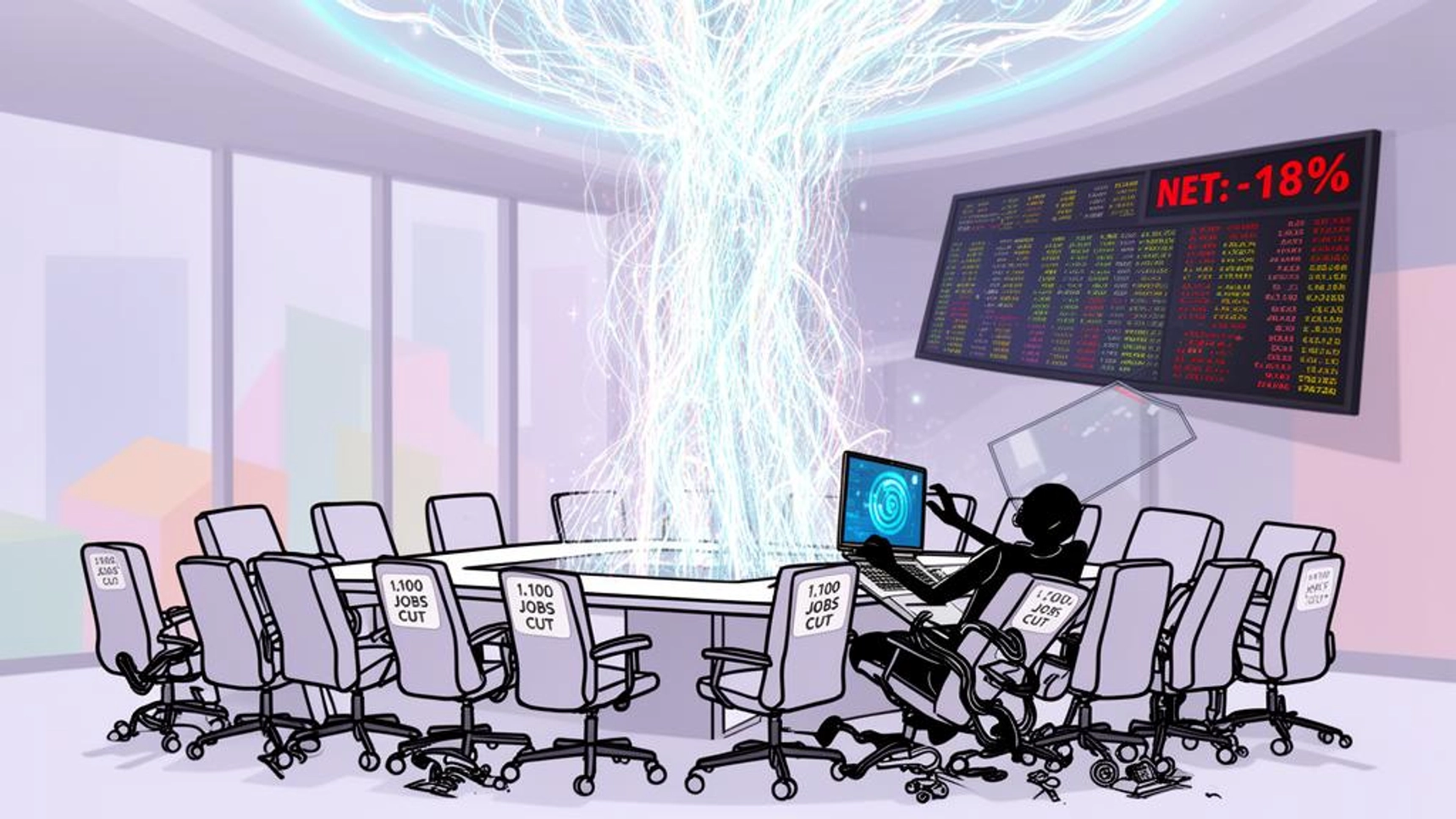
"I panicked, what happened?" Cloudflare outage causes global internet disruption
TechFlow Selected TechFlow Selected
"I panicked, what happened?" Cloudflare outage causes global internet disruption
The analysis said the incident once again highlights the global internet's heavy reliance on a small number of infrastructure providers.
 Navigating Web3 tides with focused insights
By: Zhao Yuhe
Source: Wall Street Horizon
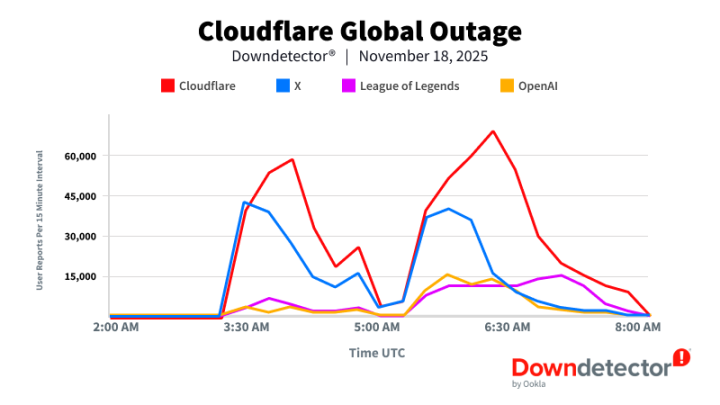
On Tuesday morning Eastern Time, internet infrastructure provider Cloudflare reported anomalies across its global network, causing widespread "internal server error" issues affecting access to numerous websites, including social media platform X. Users were unable to reach many websites and services, including retail, e-commerce, social media, financial services, and transportation platforms. The company later stated it had resolved the issue in under four hours.

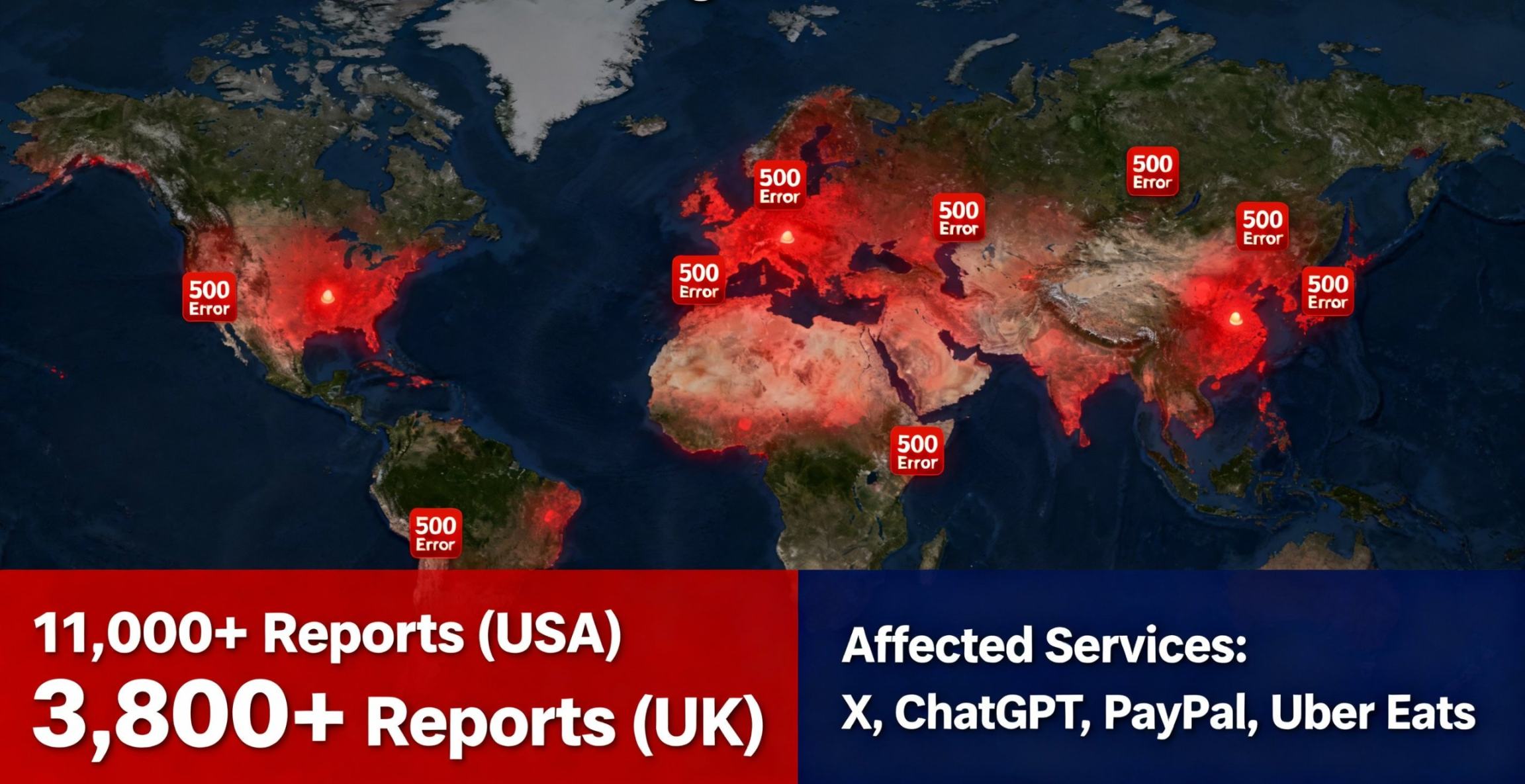
During the outage, some functions of X were disrupted, and multiple websites became inaccessible. According to data from outage tracking platform Downdetector, aside from X, a large number of sites were affected, with incident reports continuously rising. Users attempting to access X, ChatGPT, DoorDash, IKEA, and New York City's Metropolitan Transportation Authority (MTA) encountered errors linked to Cloudflare.

Later, a female spokesperson for Cloudflare said that around 6:20 a.m. Eastern Time, one of their services experienced an unusual traffic surge, causing errors in traffic passing through the company’s network.
Jackie Dutton, another Cloudflare spokesperson, said in a statement that the issue was caused by an auto-generated configuration file used to manage threat traffic, and the fix took less than four hours. The company said it had deployed core fixes but cautiously noted that systems “still need time to fully stabilize.”
Dutton said:
“The number of entries in this file exceeded expected size, triggering a crash in the software system responsible for handling traffic for parts of Cloudflare’s services.”
The statement added there was no evidence linking the incident to cyberattacks or malicious activity.
The impact was extremely widespread. Downdetector reported that during the Cloudflare outage, “over 2.1 million reports were filed across affected services,” indicating this was one of the more severe infrastructure-level disruptions in recent years.
Following the incident, Cloudflare’s stock plunged as much as 7% at Tuesday’s opening before paring losses.

The digital asset industry also reacted. Changpeng Zhao, co-founder and former CEO of Binance, posted on X: “Blockchain kept working,” implying decentralized systems were unaffected by this incident.
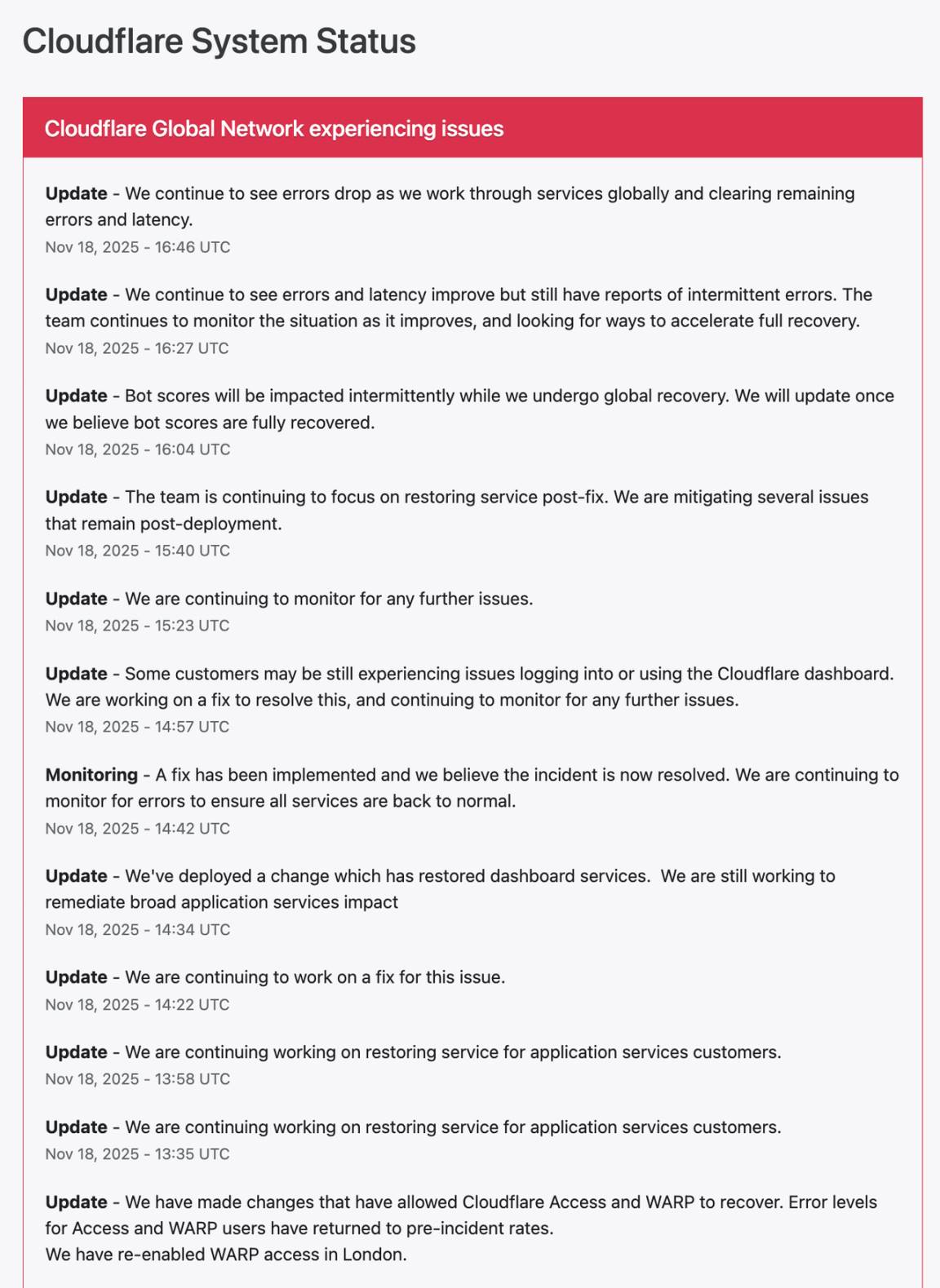
By 12:15 p.m. Eastern Time, Cloudflare said systems were gradually recovering, though users in some regions might still experience access errors, degraded performance, or login issues. The company will continue updating repair progress on its status page.
Overreliance on a Few Companies
In recent years, repeated outages from digital infrastructure providers have caused global internet disruptions. Amazon Web Services (AWS), CrowdStrike Holdings Inc., and Microsoft have all experienced similar incidents, highlighting how heavily the global internet depends on a small number of service providers.
Cloudflare and AWS services are nearly “invisible” to average users, yet their tools support a vast number of websites and services consumers use daily.
Last month, an AWS outage paralyzed parts of the internet, rendering millions of users’ websites and apps unusable, disrupting retail sales, and interrupting social media and financial services, affecting many businesses. Last year, a flaw in a tool used by cybersecurity firm CrowdStrike caused widespread crashes in computer systems globally, resulting in thousands of flight delays and cancellations, and throwing government agencies and major enterprises into disarray.
Graeme Stewart, an expert at Check Point Software, a California-based cybersecurity company, said such incidents highlight the internet’s excessive reliance on a few infrastructure providers.
He said:
“Many organizations still rely entirely on a single pathway for all critical services, with no truly effective backup. When that path fails, there is no fallback. That’s the problem we keep seeing.”
Alan Woodward, professor of cybersecurity at the University of Surrey, said Tuesday’s outage once again showed the internet’s high dependence on a “handful of players.” He described Cloudflare as “the biggest company you’ve never heard of.”
“People have no choice but to rely on these few large companies.”
Chief Technology Officer Apologizes
Cloudflare’s Chief Technology Officer Dane Knecht apologized for the incident. He wrote on X:
“When the Cloudflare network has issues impacting the massive volume of traffic relying on us, we let our customers down—and we let the internet down. The problem itself, the impact it caused, and the time it took to resolve are all unacceptable. We’ve already started working to ensure this doesn’t happen again, but I know today was indeed disruptive. Our customers’ trust means everything, and we will do everything we can to earn it back.”
Cloudflare has experienced several similar outages over the past few years.
In July 2019, a bug in Cloudflare’s software caused certain modules to excessively consume computing resources, taking thousands of websites reliant on Cloudflare—including Discord, Shopify, SoundCloud, and Coinbase—offline for up to 30 minutes globally. In June 2022, a Cloudflare failure affected traffic across 19 of its data centers, knocking out multiple major websites and services for about an hour and a half.
Cloudflare’s software is used by hundreds of thousands of companies worldwide as a buffer layer between enterprise websites and end users, protecting sites from outages due to traffic attacks or sudden traffic spikes.
Last year, a faulty software update from cybersecurity firm CrowdStrike caused millions of devices running Microsoft Windows systems to crash, creating widespread chaos across industries including aviation, banking, and healthcare.
CrowdStrike’s outage stemmed from a bug operating at the deepest level of customer computers. Cloudflare, by contrast, protects internet infrastructure such as websites and platforms, so when Cloudflare goes down, many popular websites become directly inaccessible or malfunction. Cloudflare primarily ensures “websites stay online and fast,” while CrowdStrike focuses on protecting computers and servers from attacks.
Join TechFlow official community to stay tuned
Telegram:https://t.me/TechFlowDaily
X (Twitter):https://x.com/TechFlowPost
X (Twitter) EN:https://x.com/BlockFlow_News