Hong Kong Crypto Community Atlas: Split, Confrontation, and Integration
TechFlow Selected TechFlow Selected
Hong Kong Crypto Community Atlas: Split, Confrontation, and Integration
Hong Kong's crypto community portrait.
 Navigating Web3 tides with focused insights
By Zhou Zhou, Foresight News
In 2025, the sense of division within Hong Kong's crypto community has become increasingly evident.
"Every day, traditional financial institutions reach out to us to discuss crypto business. We’re also actively promoting our new services on platforms like YouTube and X, collaborating with influential KOLs and bloggers," said a securities firm professional, speaking with enthusiasm and optimism about expanding into cryptocurrency services.
On the other hand, a blockchain company employee who recently joined—and then left—spoke in a dejected tone: "I left. I couldn't stand the state-owned enterprise work culture."
The same Hong Kong. The same cryptocurrency ecosystem. Some feel excitement and opportunity brought by economic growth; others feel fatigue and disappointment from institutional and cultural friction. This dramatic divide plays out every single day.
On one hand, nearly all major Hong Kong brokerages have already entered the crypto space. Latest statistics show that over 40 brokerage firms, more than 35 fund management companies, and over 10 large banks and accounting firms in Hong Kong are now involved in virtual asset businesses. For example, Futu’s NiuNiu, Hong Kong’s largest tech-powered brokerage, began offering Bitcoin and Ethereum trading services to clients as early as August last year. By year-end, its average daily trading volume had exceeded $35 million.
From brokerages, funds, banks, auditing to insurance, Hong Kong’s mainstream financial institutions are systematically and comprehensively integrating cryptocurrencies into the city’s financial system. This has given some cross-over finance professionals a long-missed sense of innovation and what feels like “the beauty of an upward economic cycle.”
Yet on the other hand, some crypto natives joining compliant firms are undergoing profound disillusionment—the once-cherished decentralized utopia is constantly clashing with real-world regulation, compliance demands, and financial logic. Wanting to preserve the “style” and “vibe” of crypto native culture while also profiting from regulated finance has become an irreconcilable contradiction.
Integration
Hong Kong’s cryptocurrency industry is gradually giving birth to a new species amid constant tearing apart and merging of three dominant cultures.
The first is Crypto Native culture.
Early compliant Hong Kong crypto exchanges such as HashKey and OSL have attracted many professionals who defected from Huobi, Bybit, Binance, and similar platforms. As a result, these companies still retain a relatively “native” cultural foundation, maintaining an open, flexible, and market-first atmosphere.
Similar to Digital Natives, Crypto Natives deeply understand the on-chain world and naturally possess sensitivity and creativity toward crypto culture, believing in decentralization and borderless technology. However, for now, crypto native professionals appear to be continuously diluted, as more fintech and traditional finance professionals enter the sector and quickly assume dominant roles under compliance frameworks.
The second is internet finance culture.
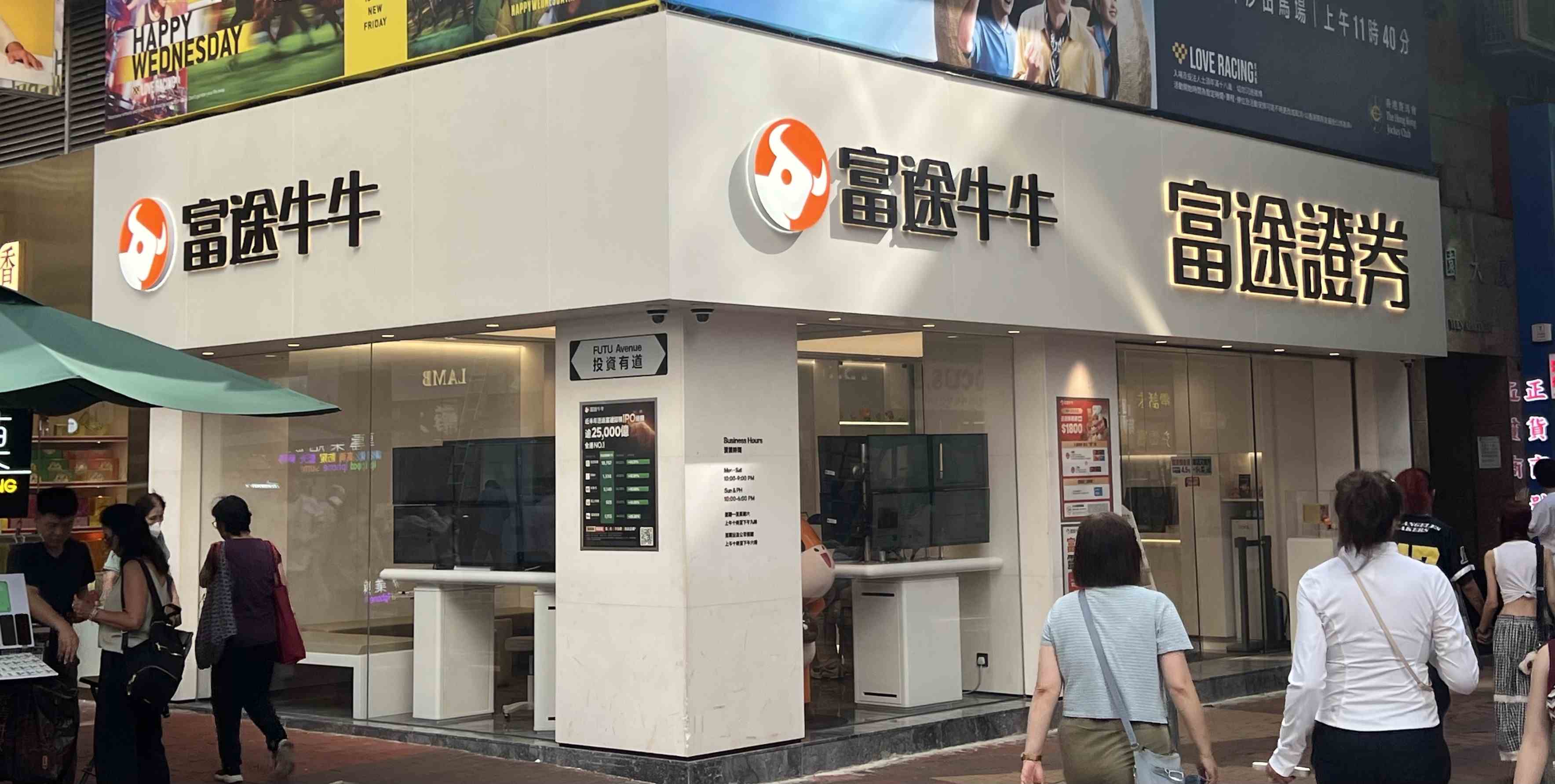
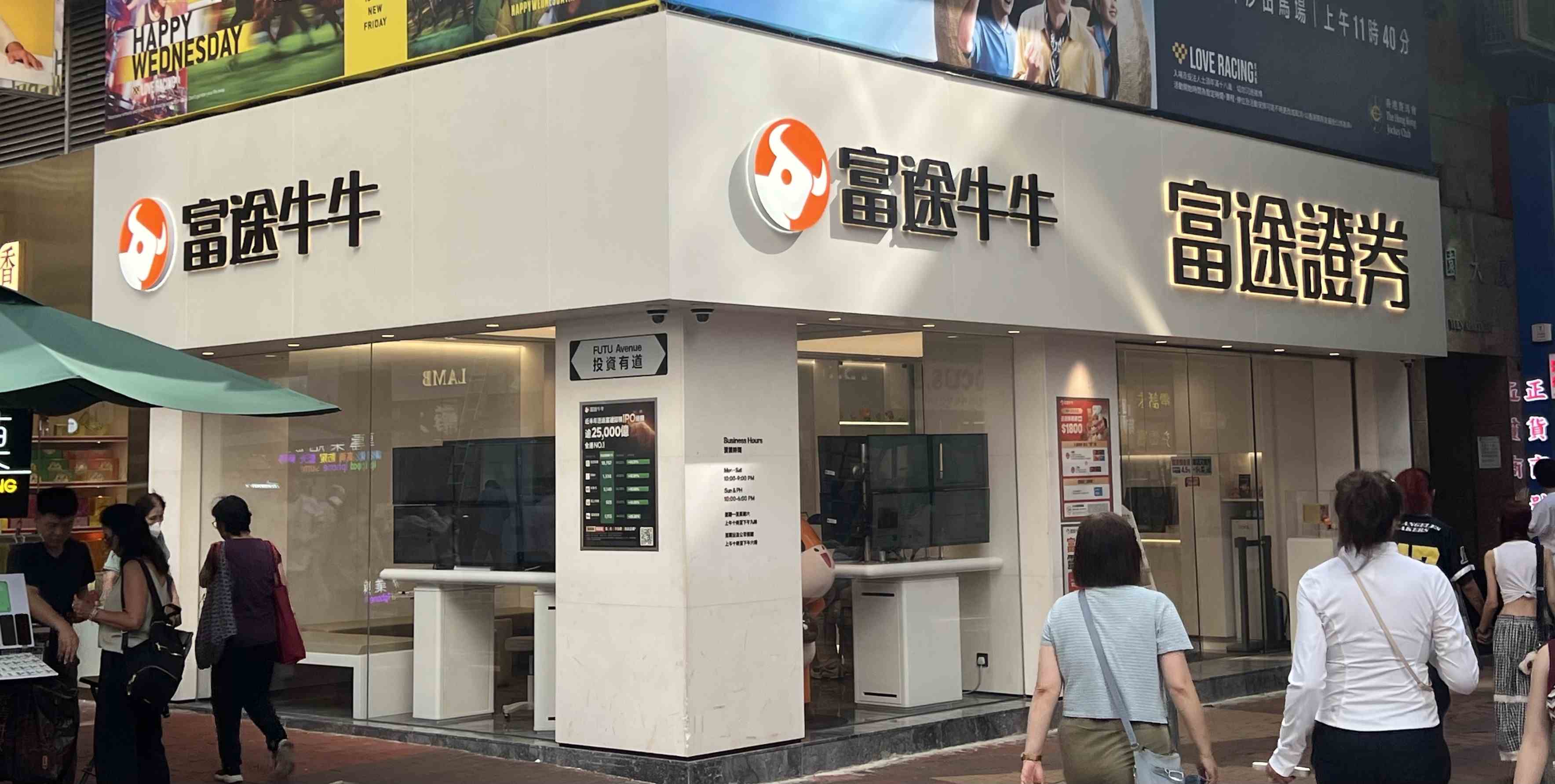
Futu, Ant Group, AntChain, JD.com—these are typical representatives. Equipped with mature online operations and user growth expertise, they are actively entering Hong Kong’s crypto market. Some have already integrated well into Hong Kong’s mainstream financial culture. Take Futu NiuNiu, for instance: as Hong Kong’s largest internet brokerage, it not only dominates online but has opened six physical stores in Hong Kong’s busiest districts, clearly demonstrating a strong blend of internet finance DNA with local adaptation.
During an on-site visit to Futu’s offline stores, a staff member enthusiastically helped this reporter open a U.S. stock account and noted: “I serve over 100 customers each week who come in asking about U.S. stocks, Hong Kong stocks, and crypto services.” “Currently, residents with Hong Kong IDs can access crypto services, but users with mainland Chinese ID cards cannot,” she added.
It is reported that Futu Holdings now has over 26.25 million registered users, and NiuNiu’s penetration rate among Hong Kong adults has surpassed 50%. This massive existing user base gives it a natural advantage in Hong Kong’s crypto market. An industry insider revealed that Futu’s Hong Kong users’ crypto trading currently runs on HashKey Exchange’s underlying trading system, and this segment already accounts for a significant portion of HashKey Exchange’s total trading volume.
Besides Futu, both Ant Group and JD are vying for a place in “Hong Kong’s crypto circle.” But unlike Futu, which focuses on crypto exchanges, Ant and JD concentrate more on stablecoins and public chains. Futu already holds licenses, while whether Ant and JD have obtained theirs remains unknown.
Hong Kong’s crypto industry isn’t a purely market-driven competitive arena—it’s more like a resource race where you need a license just to sit at the table. An industry insider revealed that Chinese-funded banks are more likely to obtain the first batch of stablecoin licenses.
The third is Hong Kong’s traditional financial culture—represented by HSBC, Bank of China (Hong Kong), Victory Securities, and others. These institutions carry deeper roots in Hong Kong’s financial sector, some backed by foreign capital, some by Chinese capital, and some by local Hong Kong family dynasties. They bring their own diverse cultural influences into Hong Kong’s crypto landscape.
Today, Hong Kong’s crypto industry has developed a legal industrial chain encompassing hundreds of financial institutions—from brokerages, funds, banks, auditors, to insurers—each operating within a compliant framework.
Geographically and institutionally, this chain includes foreign, Chinese, and local players; technologically and structurally, it brings together Crypto Natives, internet finance firms, and traditional financial institutions. Together, they form Hong Kong’s diverse crypto ecosystem, supporting steady development of the local digital asset market.
The tearing apart and integration between different cultures are shaping this emerging industry.
The Hong Kong crypto scene is no longer something easily defined. It has evolved into a unique and complex system involving over 100 Hong Kong financial institutions.
Division: Humans Do Not Share the Same Joys and Sorrows
The same Hong Kong. The same ecosystem. Yet individuals’ experiences within Hong Kong’s crypto community vary drastically.
Some professionals feel that the regulated Hong Kong crypto market is radiating the beauty of economic growth.
This includes traditional finance professionals newly entering crypto, companies that have obtained or are applying for exchange or stablecoin licenses, and internet finance giants with vast user bases waiting only for licensing to unlock new markets. They exude strong momentum.
This is especially evident in hiring practices. Companies like Futu, JD, and Victory Securities are aggressively seeking talent, often offering salaries above market rates.
Yet others believe Hong Kong’s crypto market has entered a phase of stagnant growth—a downward cycle. Leading local crypto firms haven’t found effective ways to grow the pie and are forced into a vicious cycle of fighting over existing shares.
"Yes, I left. I couldn't take the state-owned enterprise work style anymore," said an employee who recently quit a public blockchain project backed by a large institution.
"There’s much less initiative. You have to check regulations before doing anything," responded a mid-to-senior manager at a compliant crypto exchange when asked how their job changed after moving from native crypto to regulated crypto environments.
For some professionals, the sense of dissonance stems from deep cultural and institutional gaps between Crypto Natives and the compliant world.
A recent incident that sparked dissatisfaction among many Crypto Natives was the Hong Kong Stablecoin Bill, which took effect on August 1, 2025. "I’ve never seen a stablecoin requiring KYC, nor one restricting VPN usage. How can we innovate like this?" complained one professional.
For those who grew up immersed in crypto and blockchain culture, life used to be driven entirely by code and community. Now, Hong Kong’s compliant crypto industry is policy-driven—creating two fundamentally different ecosystems. Yet many professionals remain unprepared to shift perspectives and positions between them.
Hong Kong’s distinctive crypto industry is experiencing growing pains following a policy-led forced integration. This pain goes beyond mere policy adjustment—it cuts deeper into the conflicts and reconciliation between traditional finance culture, internet finance culture, and crypto-native culture.
Opportunity: Are Some Quietly Getting Rich?
At the birth of a new system, there are often opportunities for early participants to “get rich quietly.” They reap the first rewards during cross-industry transitions.
For example, when stablecoins first emerged, Tether saw its transaction volume grow 100-fold within a year—surpassing $100 billion annually in 2017, $1 trillion in 2020, and exceeding $10 trillion in 2024. Similarly, in Binance’s early days, daily trading volume exceeded $100 million in the first two months, surpassed $1 billion in the fourth month, and exceeded $500 million in the sixth month.
Of course, Hong Kong hasn’t yet seen any company experience such explosive growth. But that doesn’t mean some haven’t captured early-stage benefits.
"Recently, traditional financial institutions contact us daily wanting to discuss crypto business. We’re also trying to promote our new services on platforms like YouTube and X, partnering with influential KOLs and bloggers," said a Hong Kong brokerage professional involved in crypto services.
"As Hong Kong embraces crypto, hundreds of Web3 companies are setting up in the city. They need help consulting policies, applying for licenses, and launching operations—creating substantial demand for law firms specializing in crypto compliance," said a crypto professional familiar with legal service providers.
"Every Web3 company aiming for long-term presence in Hong Kong needs a local corporate bank account, generating significant transaction flows. This has benefited banks that recognized this opportunity early—like ZA Bank," noted a professional at a Hong Kong compliant exchange.
Opportunities in Hong Kong’s crypto industry may extend beyond the usual suspects—exchanges, asset managers, and stablecoin issuers. Institutions providing “water-selling” services during industry growth are often key beneficiaries too.
And the companies truly getting rich quietly often remain unknown to the public for years.
Hong Kong’s Crypto Scene Through Different Lenses
"To Crypto Natives, Hong Kong’s compliant crypto firms move too slowly, carrying bureaucratic or even state-owned enterprise vibes; to Hong Kong’s traditional financial institutions, this year’s innovation KPIs might already be exceeded," remarked a mid-to-senior manager at a compliant crypto exchange.
Through different lenses, Hong Kong’s crypto industry presents vastly different images.
For professionals raised in crypto and blockchain culture, they’re accustomed to a rhythm driven entirely by code and community. But today’s Hong Kong crypto scene is policy-driven. The wild, frontier spirit is gone. The edge of innovation has been blunted, replaced by compliance-focused stability and restraint. Many Crypto Natives feel Hong Kong’s regulatory regime is “castrating” the original creative energy of the crypto world. This rejection response leaves them disoriented.
Yet for some professionals used to the safe and stable pace of traditional finance, Hong Kong’s crypto innovation isn’t slow at all—it’s progressing steadily. Slow is fast; fast is slow.
Those caught in this historic wave can only adapt. Whether embraced or resisted, the tide of history rolls forward relentlessly.
Join TechFlow official community to stay tuned
Telegram:https://t.me/TechFlowDaily
X (Twitter):https://x.com/TechFlowPost
X (Twitter) EN:https://x.com/BlockFlow_News
 Foresight News