Unveiling the cryptocurrency wealth myth: How did they earn their first $10 million?
TechFlow Selected TechFlow Selected
Unveiling the cryptocurrency wealth myth: How did they earn their first $10 million?
Three major wealth-creation models overturn traditional logic.
 Navigating Web3 tides with focused insights
By: Biteye
Whenever the market fluctuates, someone inevitably exclaims: "Why are others already achieving financial freedom?"
Today, let's dive into the stories of the top 10 wealthiest figures in crypto—how did they make their fortunes? Where did their first big break come from? What unique strategies do they have? After reading, remember to study carefully—these are proven paths and lessons learned directly from the giants themselves!
01 Overview of Well-Known Crypto Billionaires
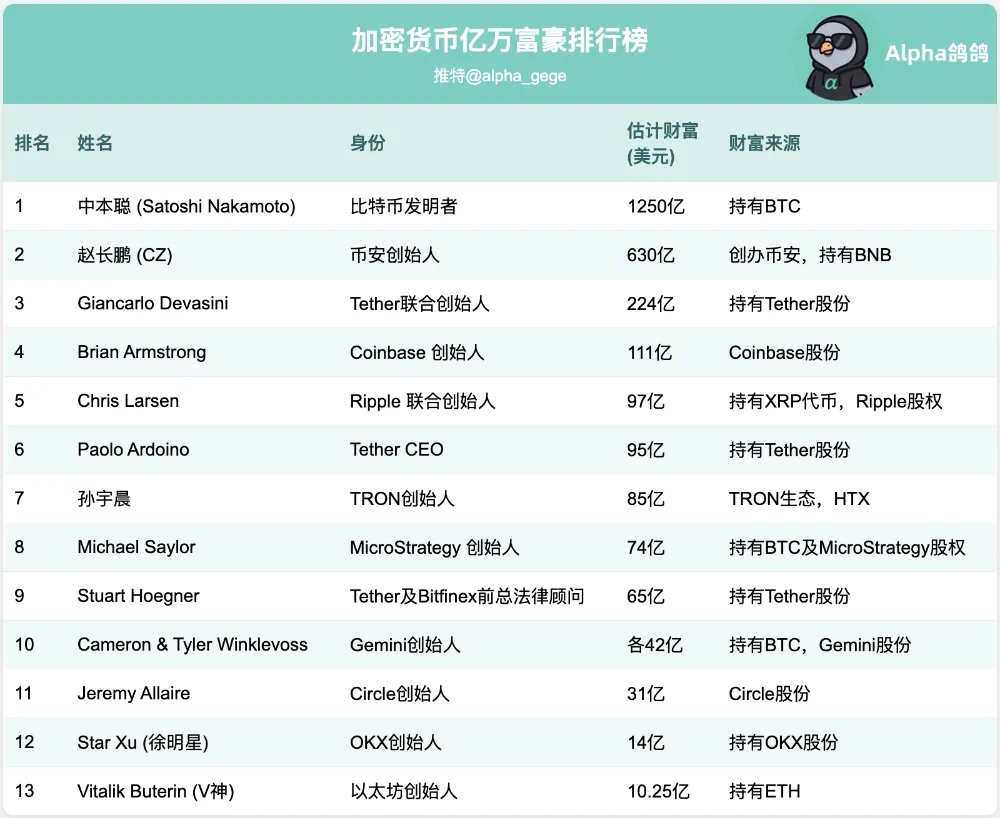
Note: The above values are estimated public net worth figures; actual asset values may vary with market conditions.
Now, let’s explore one by one how these crypto millionaires built their wealth and earned their first major capital.
1. Satoshi Nakamoto
When discussing the richest person in crypto, we can't skip Satoshi Nakamoto, the mysterious creator of Bitcoin. He published the Bitcoin whitepaper in 2008 and officially launched the Bitcoin network in 2009, earning the title "Father of Cryptocurrency." His true identity remains unknown—he has never appeared publicly and is one of crypto’s greatest mysteries.
Although no one knows who he really is, his early mining efforts yielded approximately 1.1 million Bitcoins—the foundation of his fortune. These Bitcoins have hardly moved or been sold, yet their value has skyrocketed along with Bitcoin’s price, now worth around $125 billion. The more successful Bitcoin becomes, the more valuable his holdings grow. However, Satoshi disappeared completely after 2010—some even speculate he may have lost his private keys or passed away. Regardless of the truth, Satoshi’s wealth story, built on first-mover advantage, stands as the ultimate ceiling in the crypto world.
2. Changpeng Zhao (CZ)
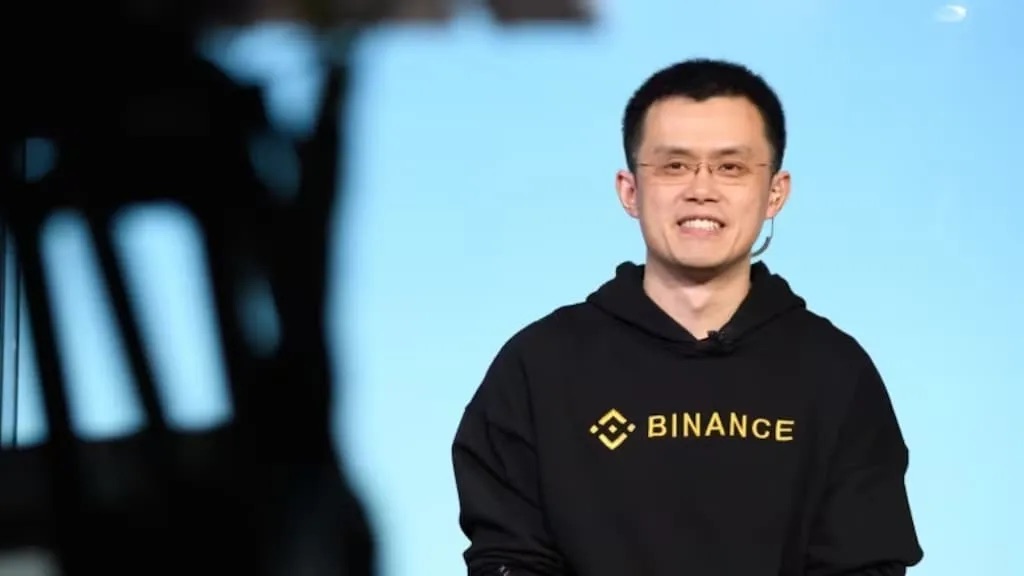
As the founder of Binance, CZ’s journey is practically a textbook case of crypto entrepreneurship. Early in his career, CZ was a coder who briefly contributed to OKCoin’s exchange before exiting. His first major capital originated in 2014 when he sold his Shanghai apartment and converted the proceeds into about 1,500 Bitcoins (then priced around $600 each). As Bitcoin surged over the following years, this investment grew substantially, laying the financial groundwork for his future ventures.
In 2017, he seized the bull market momentum and founded Binance. With a high-performance matching engine, excellent user experience, and the launch of its platform token BNB as an ecosystem cornerstone, Binance quickly rose to become one of the largest cryptocurrency exchanges globally by trading volume. Binance’s initial business model was simple: transaction fees plus appreciation of its platform token. Think of it as charging tolls—more market activity means more transactions and higher profits. Thanks to Binance’s explosive growth, CZ’s personal wealth snowballed rapidly, at one point making him the richest person of Chinese descent. Creating a trading platform put CZ on the fast track to wealth, while his bold decision to go all-in on Bitcoin marked a pivotal step in his rise.
3. Giancarlo Devasini
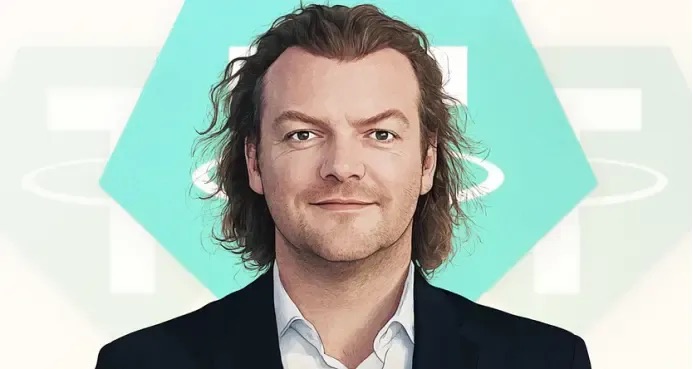
Giancarlo Devasini may not be a familiar name to many, but everyone in crypto knows USDT, the stablecoin issued by Tether, the company he founded. Originally trained as a plastic surgeon, Devasini later found the job uninteresting and switched to dealing in electronics. His first major crypto gain came from investing in the Bitfinex exchange in 2012, which led to co-founding the Tether stablecoin project in 2014. At that time, the stablecoin market was wide open—Devasini recognized the opportunity and turned USDT into crypto’s de facto dollar equivalent. Today, USDT is the dominant stablecoin across major exchanges. This strategic move triggered a massive valuation surge, leading to exponential wealth growth in recent years. In short, he identified a market gap and executed relentlessly.
4. Brian Armstrong
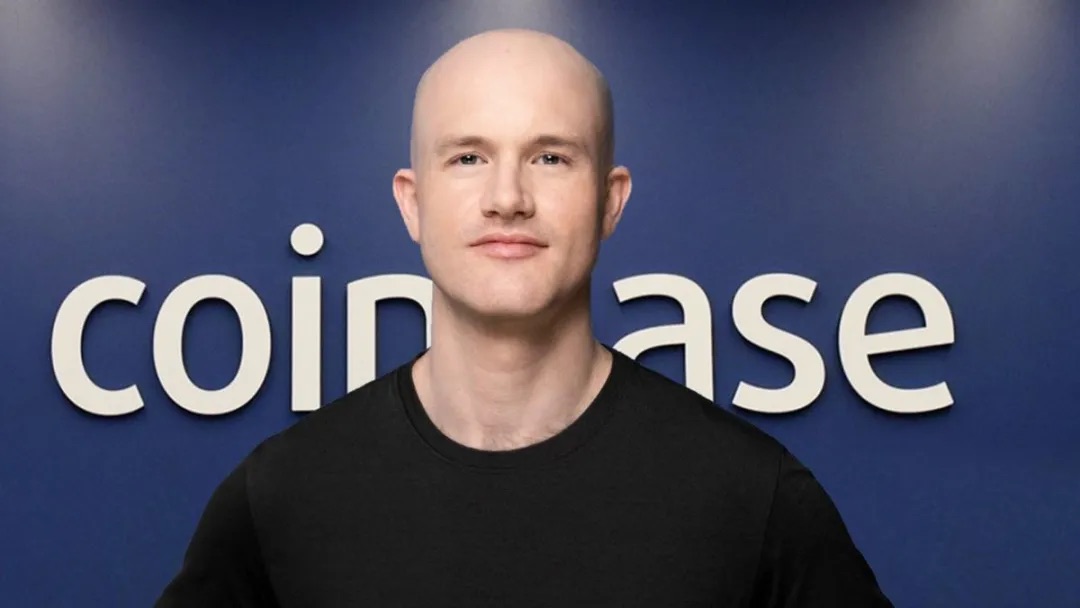
Brian Armstrong, founder of Coinbase—the largest U.S. exchange—followed a very different path. As a software engineer, he first encountered Bitcoin around 2010 while working at Airbnb, noticing how cumbersome and unfriendly the process of buying Bitcoin was. In 2012, he quit his job to found Coinbase, soon securing seed funding from Y Combinator and later attracting venture capital from institutions including the New York Stock Exchange. His first major capital came from startup financing. From day one, Coinbase pursued a compliance-first strategy—a slower but more sustainable approach. It secured legal licenses in the U.S. and successfully listed on Nasdaq in 2021, briefly surpassing a $100 billion market cap.
Notably, Coinbase later partnered with legacy banks like JPMorgan, enabling traditional bank customers to buy crypto directly via credit cards. These compliance-focused moves not only generated profits for Armstrong but also established him as a bridge between traditional finance and the crypto world.
5. Chris Larsen
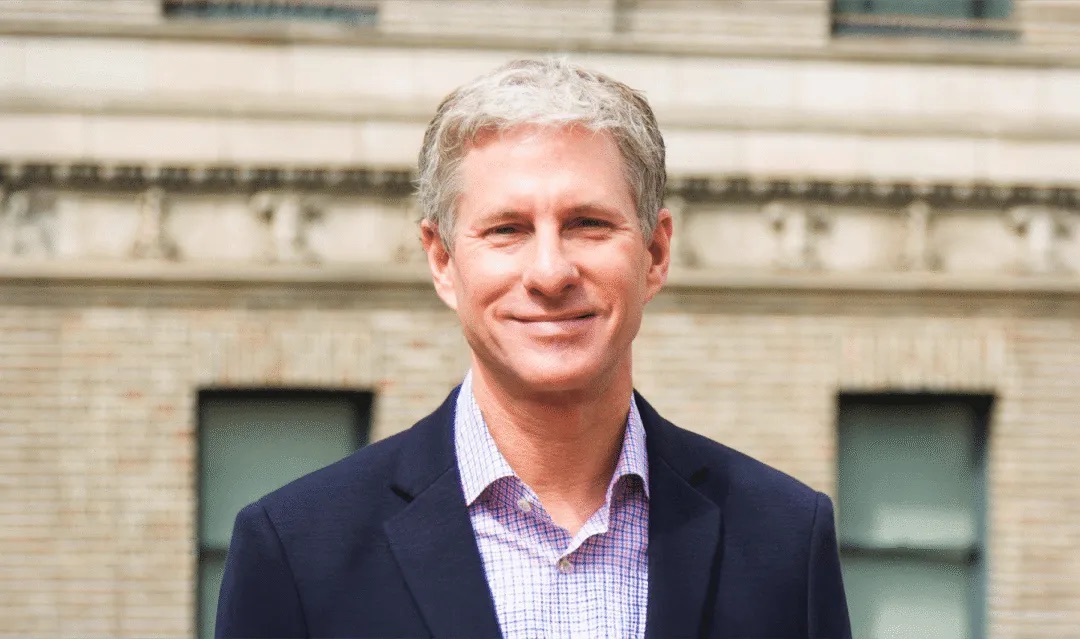
Prior to entering blockchain, Chris Larsen was already a serial entrepreneur in finance, founding the online lending company E-Loan in the 1990s and later participating in the P2P lending platform Prosper. His deep understanding of financial pain points served him well.
In 2012, Larsen co-founded Ripple, launching the Ripple payment protocol and XRP cryptocurrency with the goal of transforming cross-border payments using blockchain. His first crypto fortune came from co-founding Ripple and holding early XRP tokens. Ripple raised multiple funding rounds between 2014 and 2016, and as a co-founder, Larsen held significant XRP and equity stakes. In 2017, XRP’s price surged hundreds of times, catapulting Larsen near the top of the crypto billionaire rankings. Although XRP’s price later declined, his large holdings keep him firmly among the crypto elite.
6. Paolo Ardoino
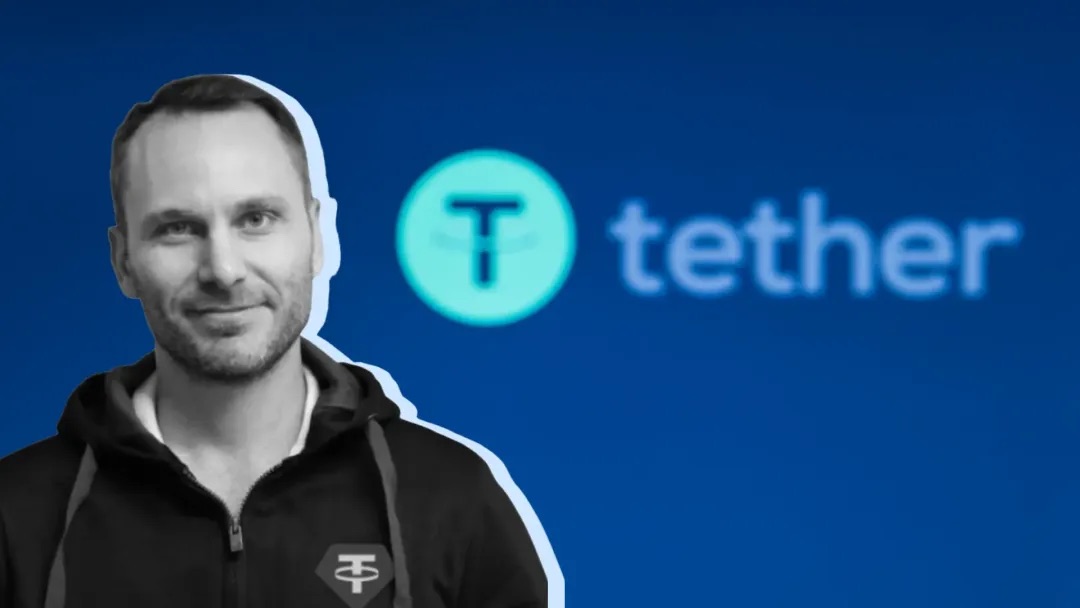
Paolo Ardoino, current CEO of Tether, is a technical powerhouse. In 2014, skilled in computer programming, he joined Bitfinex and quickly solved critical system issues, showcasing exceptional architectural talent. This caught the attention of Tether founder Devasini, and soon Paolo was invited to serve as Tether’s Chief Technology Officer (CTO). His first major capital came from equity incentives at Tether. When he joined, USDT issuance was only in the tens of millions—but Paolo helped expand USDT across over a dozen major blockchains including Ethereum, Tron, and Solana, dramatically increasing its daily trading volume and use cases.
His technical expertise translated directly into financial rewards. As Tether earned billions in interest income, Paolo reaped substantial dividends as a shareholder. Technical equity combined with riding the success of a dominant stablecoin created his wealth legend.
7. Justin Sun

Justin Sun needs little introduction. At 19, he became Ripple’s early representative in Greater China, and later launched a social app called “Peiwo,” which attracted investment. But his real breakthrough came in 2017 with the launch of TRON. During the ICO boom, Sun raised tens of millions of dollars by issuing TRX tokens, building massive initial capital. Riding the subsequent crypto market surge, TRX’s price soared up to 100x, dramatically increasing the value of his holdings. As TRON’s founder, he retained a large portion of the initial supply, enabling a massive wealth leap during that bull run.
Afterward, Sun engaged in bold marketing and capital maneuvers: famously paying $4.56 million for a lunch with Warren Buffett, gaining global fame; acquiring the exchange Poloniex, investing in Huobi (now HTX), and building his own crypto empire. Sun’s style is direct: one hand on tech assets, the other on media attention. Despite mixed public opinions, he clearly seized generational opportunities to land himself on the crypto rich list.
8. Michael Saylor
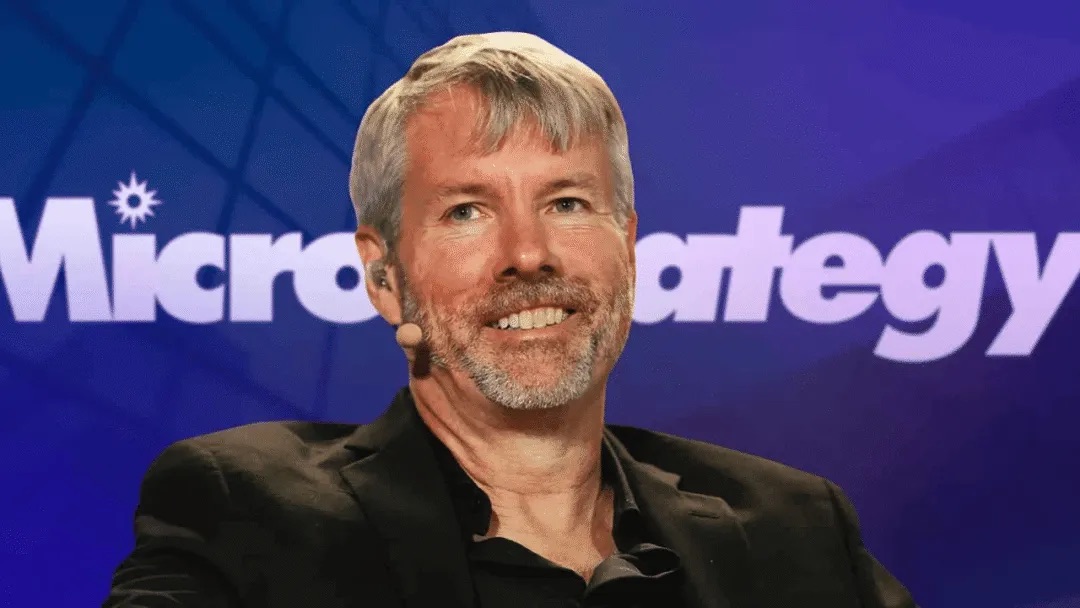
Michael Saylor’s story differs from the rest. Founder of MicroStrategy, a business intelligence software firm, Saylor was already a traditional tech billionaire. Yet in 2020, at over fifty years old, he made a radical move: going all-in on Bitcoin. Recognizing Bitcoin’s potential and the risk of USD inflation, he made a stunning decision—to convert most of MicroStrategy’s cash reserves into Bitcoin. This meant betting billions of corporate assets on Bitcoin, a move many thought was insane, especially for a Nasdaq-listed company.
But Saylor proved right. Starting in August 2020, MicroStrategy began continuously purchasing Bitcoin and by 2025 had accumulated over 600,000 BTC—one of the largest corporate holders globally. This aggressive strategy paid off handsomely. As Bitcoin surpassed $100,000, his unrealized gains exceeded $100 billion, and the company’s stock multiplied several times. Today, MicroStrategy lists Bitcoin as a primary reserve asset, and Saylor has become the spiritual leader of crypto’s “radical bulls.”
9. Stuart Hoegner

Stuart Hoegner is a quiet figure in crypto, but in terms of wealth, he’s undoubtedly a hidden billionaire. A lawyer by training, Hoegner developed an early interest in cryptocurrency regulatory compliance. In 2014, when crypto was still far from mainstream, he joined the Bitfinex and Tether teams. Back then, regulations were murky, and survival wasn’t guaranteed. Hoegner endured immense pressure, gradually building Tether’s legal and compliance framework—including pushing for regular audits and transparency disclosures of Tether’s reserves, significantly boosting market trust in USDT. His first major capital came from equity ownership as a founding team member. Unlike flashy leaders, Hoegner rarely gives interviews or appears publicly—he’s the classic “low-key wealth builder” of the crypto world.
10. Cameron & Tyler Winklevoss
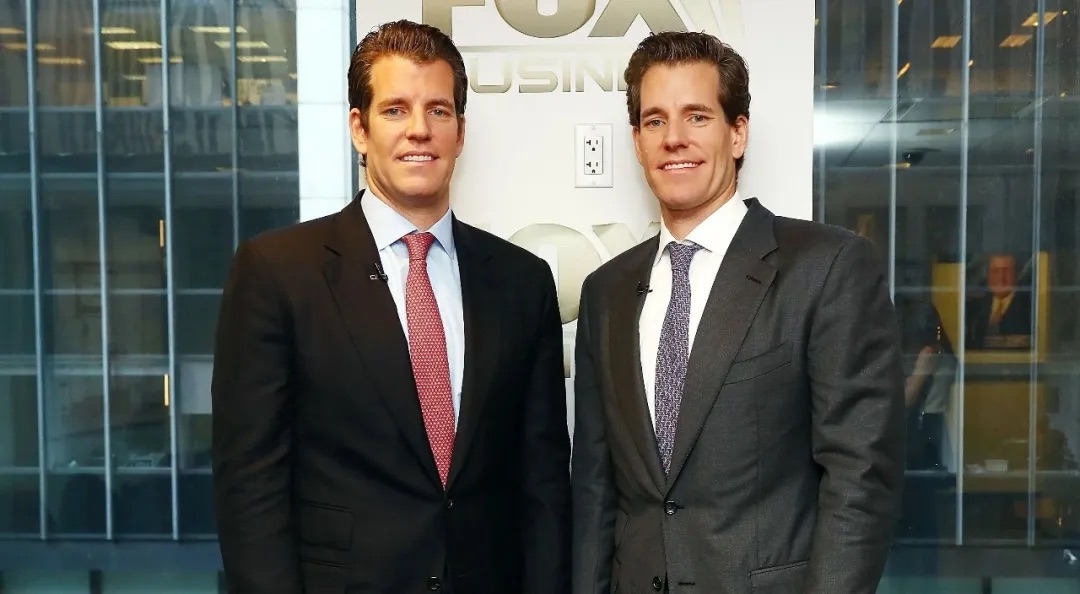
The twin brothers Cameron and Tyler Winklevoss first entered crypto after settling a lawsuit with Mark Zuckerberg over Facebook’s founding rights, receiving around $65 million in compensation. This payout became their entry point into crypto. Their first major capital came from using that settlement money to buy Bitcoin in bulk at low prices in 2013—an early insight that made them among the first large-scale Bitcoin holders.
Though their exchange Gemini has grown steadily rather than explosively, their early Bitcoin investments have delivered massive returns. To date, they’re believed to hold about 70,000 Bitcoins. With that initial capital and a long-term belief in Bitcoin, the Winklevoss twins have achieved continuous wealth growth.
11. Jeremy Allaire
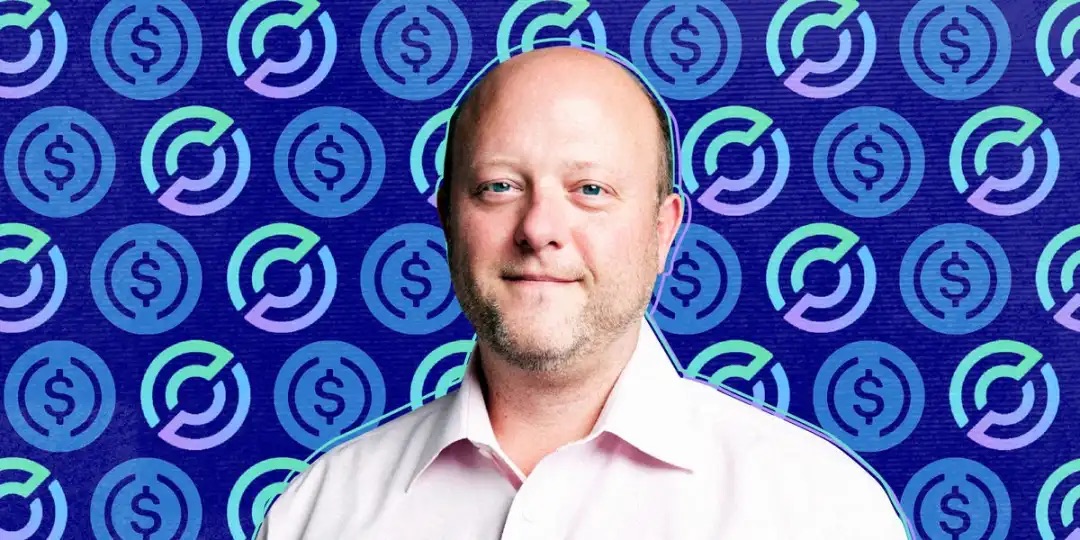
Jeremy Allaire created the world’s second-largest stablecoin, USDC. Back in the internet era, he founded companies like video platform Brightcove. In 2013, he sensed the potential of digital currencies and founded Circle, initially aiming to make crypto easier for everyday users. After several pivots, Circle partnered with Coinbase in 2018 to launch the dollar-backed stablecoin USDC, leveraging Coinbase’s position and user base to rapidly grow USDC’s market share. Allaire’s first major digital fortune came from Circle’s success and the rise of USDC.
As USDC’s issuance surpassed hundreds of billions of dollars, Allaire’s net worth surged dramatically between 2021 and 2023. Though USDC’s market cap currently trails USDT, Allaire has successfully joined the ranks of crypto billionaires.
12. Star Xu
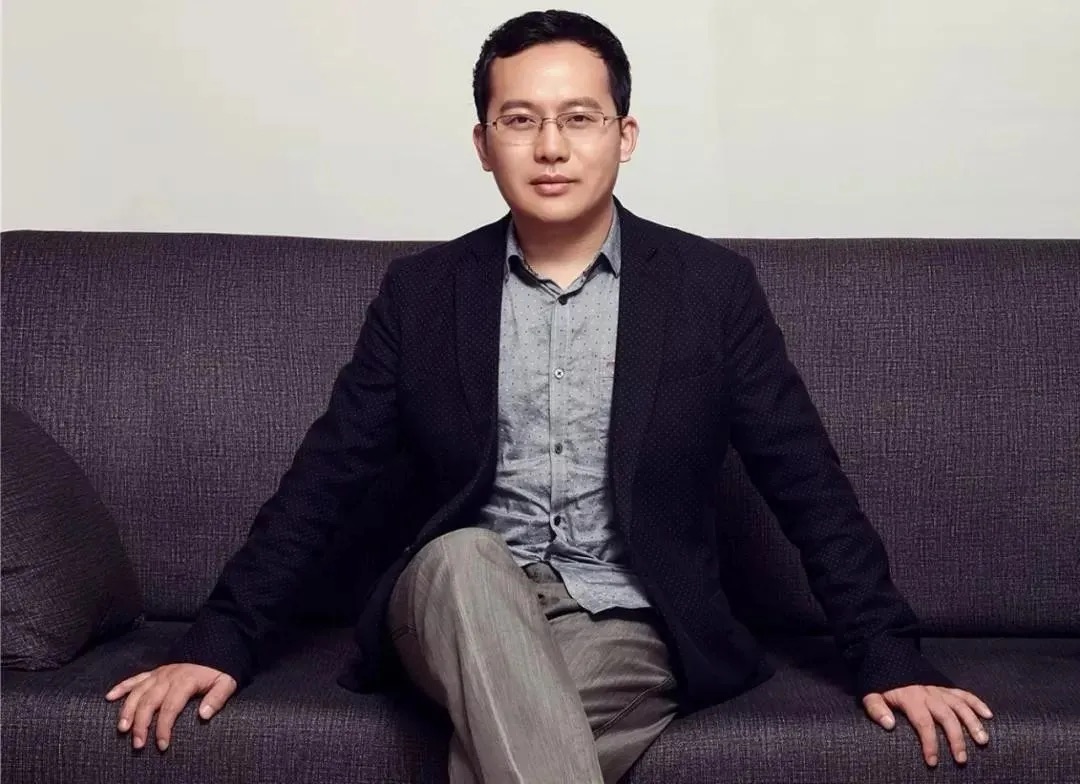
Star Xu is among the earliest entrepreneurs in China’s crypto industry and the founder of OKCoin/OKX, one of the so-called “Big Three” exchanges. In 2013, at age 28, he launched OKCoin, entering a Chinese Bitcoin exchange market dominated by three players (the others being Huobi and BTC China). With strong product and marketing skills, Xu rapidly scaled OKCoin, once capturing half the domestic trading volume. His first major capital naturally came from exchange profits and its platform token. Later rebranded as OKEx and issuing the token OKB, the platform’s daily transaction fees and OKB appreciation brought him enormous wealth.
Notably, he earlier recruited figures like He Yi and Changpeng Zhao, though they later parted ways due to differing visions.
13. Vitalik Buterin (V God)

Known as “V God” in Chinese communities, Vitalik Buterin, the father of Ethereum, wrote the Ethereum whitepaper at just 19 based on his ideas for improving Bitcoin. In 2014, he launched the Ethereum project through crowdfunding, retaining a significant amount of initial ETH as a co-founder. Ethereum unlocked smart contracts and decentralized applications, expanding blockchain beyond just Bitcoin. Buterin’s first major capital came from early ETH holdings.
However, this tech prodigy isn’t obsessed with money. He has donated large sums of crypto to charity and research, and openly expressed concerns about crypto bubbles. Still, as the creator of the Ethereum blockchain, he remains one of the most influential figures in crypto. He proved that young developers can change the world through innovation—and earn great wealth doing so.
02 Summary of Wealth Paths: Three Models That Defy Traditional Logic
After reading these stories, you might wonder: is there any common pattern behind their rapid wealth creation? Here’s the breakdown—there are roughly three models behind crypto’s wealth legends, each defying traditional paths to riches.
1. Exchange Kings
The first model is “build an exchange and rule.” CZ and Star Xu exemplify this. Exchanges profit primarily through “transaction fees + ecosystem building”—as long as users trade on your platform, you earn passively. Another exchange giant, Coinbase’s Armstrong, chose the regulated, listed route—securing licenses and going public on Nasdaq. Today, the exchange industry shows clear winner-takes-most dynamics, allowing top players to earn steady fees while amplifying profits through platform tokens. The appeal lies in controlling access to industry cash flows—wealth naturally accumulates at the gateway.
2. Long-Term Bitcoin Holding
The first model is hard for most people to replicate today. The second is long-term Bitcoin holding—essentially betting big on promising crypto assets and holding through time to achieve exponential value growth. Michael Saylor epitomizes this all-in approach. Even starting in 2020, he’s now among the world’s top three corporate Bitcoin holders. If you believe Bitcoin will grow ten- or hundredfold over a decade, early accumulation promises staggering compound returns. Of course, this requires extraordinary foresight and unwavering conviction—otherwise, volatility will shake you out.
3. Ecosystem Builders
The third type are ecosystem builders—individuals combining technical skill and financial vision to create entirely new systems and reap massive rewards. V God led Ethereum’s development from writing the whitepaper at 19 to guiding ongoing upgrades today. Since its 2014 launch, Devasini and Paolo turned USDT into the core liquidity backbone of the entire market, where ecosystem strength fuels token value. Jeremy Allaire spent over a decade establishing USDC as a trusted “digital dollar.” Justin Sun built TRON end-to-end—from chain to stablecoin to exchange—iterating constantly. These individuals didn’t just “ride a wave”; they used time to build moats and consistently BUIDL their way to dominance.
03 What Can Ordinary People Learn from These Crypto Giants?
Here are some practical takeaways to help you navigate crypto’s turbulence with fewer pitfalls and more upside:
1. Sharp Vision, Fast Execution
Satoshi creating BTC, CZ launching Binance—these legendary fortunes started with bold ideas acted upon decisively. When opportunity strikes, jump on board immediately. Don’t wait until everyone else sees it—by then, the best chances are gone. First movers always get the lion’s share.
2. Hold Strong
A shared secret among crypto billionaires isn’t frequent trading—it’s holding quality projects long-term. Most beginners’ biggest mistake is chasing pumps and panic-selling dips, turning small gains into big losses. Either stay out, or if you enter, have conviction. Hold strong assets tightly—time rewards patience.
3. Leverage Your Edge
Everyone has unique strengths—combine yours with crypto opportunities for higher success odds. Ripple’s Larsen leveraged finance expertise for cross-border payments; CZ used technical skills to build a matching engine. They applied existing expertise to new fields, achieving multiplicative results. Ask yourself: what are you good at? Then explore whether crypto offers a related niche to master.
4. Lifelong Learning
The crypto industry evolves rapidly. A common trait among these leaders is relentless curiosity and continuous learning. With new blockchain concepts emerging constantly, failing to learn means missing the next wave—or worse, falling into traps. Remember: in crypto, learning and self-upgrading remain the highest-return investments.
Finally, a friendly reminder: while crypto success stories are tempting, always remember—high returns come with high risks! While you can learn from the giants, no one can fully replicate another’s journey. Ultimately, you must walk your own path. Finding a strategy that suits you matters far more than blindly following others.
Join TechFlow official community to stay tuned
Telegram:https://t.me/TechFlowDaily
X (Twitter):https://x.com/TechFlowPost
X (Twitter) EN:https://x.com/BlockFlow_News
 @BiteyeCN