Interpretation: Musk Founding "American Party," Trump Sharply Criticizes as "Utterly Absurd"
TechFlow Selected TechFlow Selected
Interpretation: Musk Founding "American Party," Trump Sharply Criticizes as "Utterly Absurd"
Is the third party in the United States an irredeemable weakling?
 Navigating Web3 tides with focused insights
Author: Wenser, Odaily Planet Daily
No one expected Elon Musk to be serious about founding a political party!
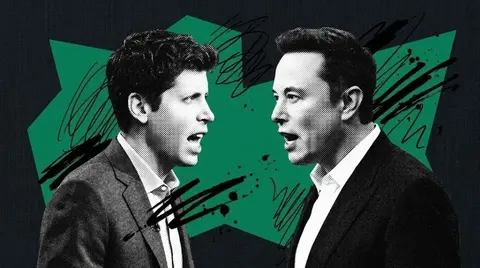
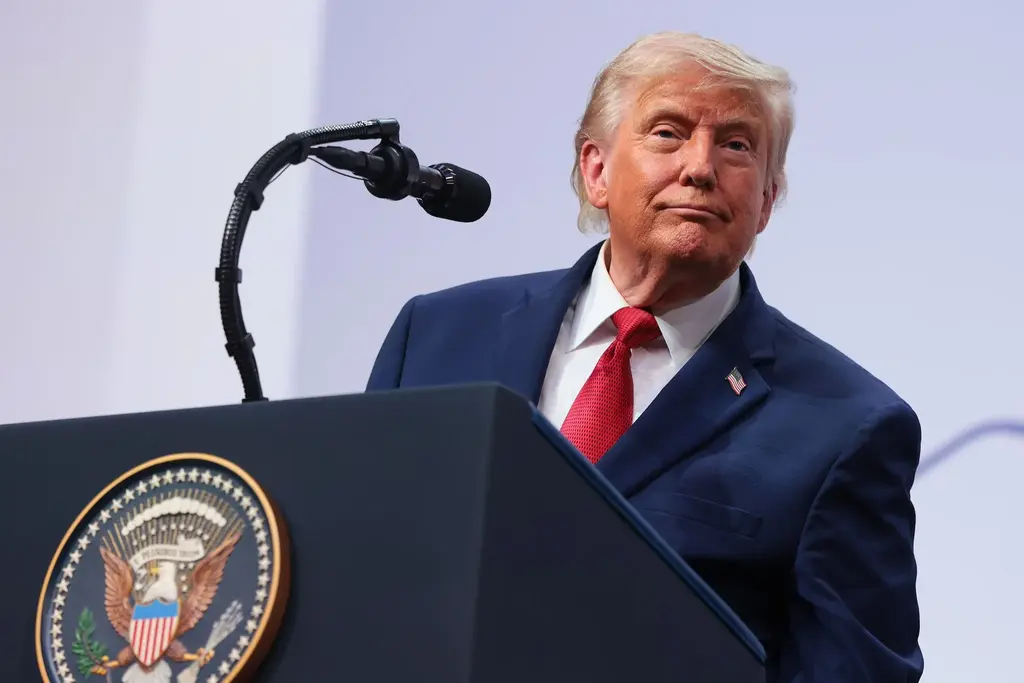
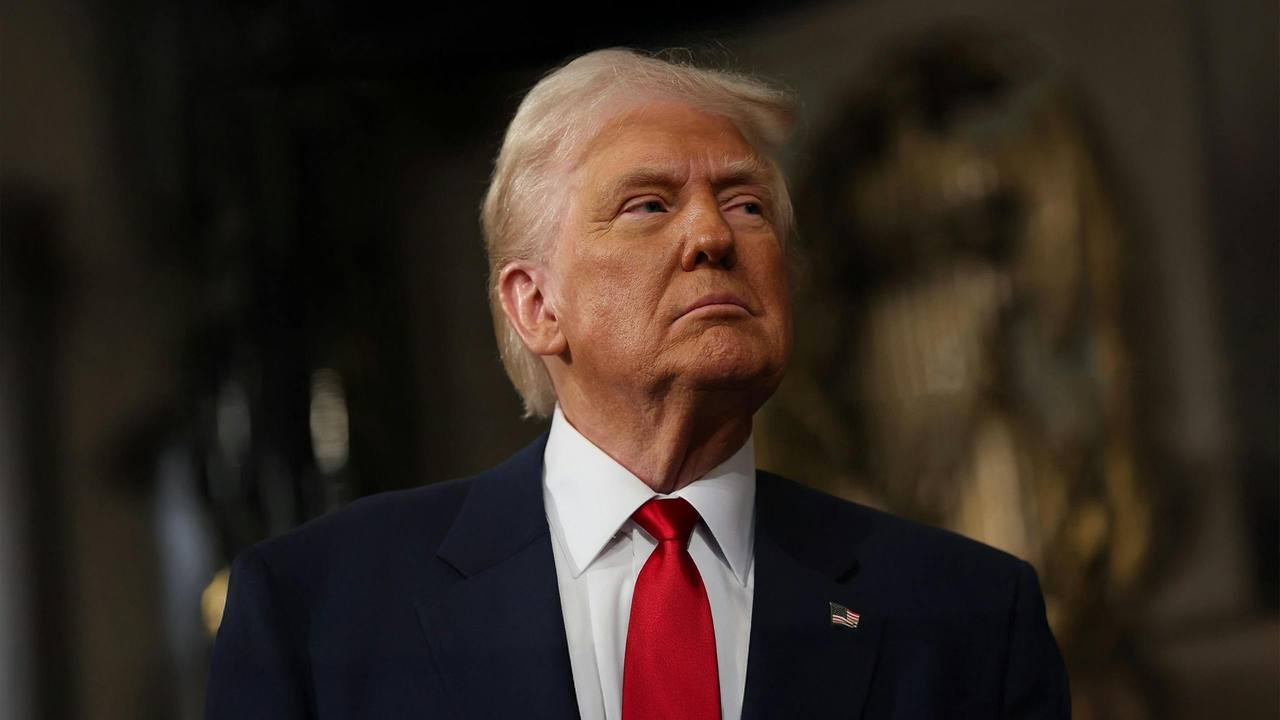
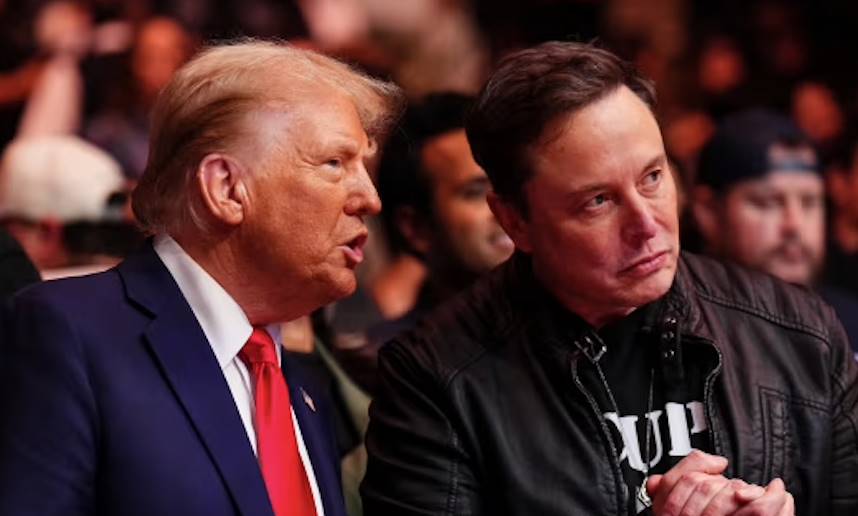
Just yesterday, citing the results of a previous poll on X, Musk announced the creation of the "American Party," with the slogan "Returning freedom to the people," directly targeting the current ruling party—the Republican Party. Trump didn't back down either, calling Musk's actions "derailed" and his party formation "absurd." This marks another escalation in the ongoing "Trump vs. Musk" conflict after a brief period of easing tensions.
Odaily Planet Daily will briefly review Musk’s party formation and Trump’s response, while exploring the potential implications of this event.
Trump Signs Counter Legislation; Musk Fights Back by Founding a Party
On July 5 (Beijing time), U.S. President Trump officially signed into law the "Great and Beautiful" tax and spending bill.
The U.S. House of Representatives passed the controversial "Great and Beautiful" bill—championed by President Trump—on July 3 by a vote of 218 to 214. The bill has drawn criticism for cutting federal aid, increasing long-term debt, and offering tax breaks to the wealthy and large corporations. Two Republican representatives voted against it. The Senate had already approved the bill on July 1. This legislation became the direct catalyst for Musk’s decision to form a new party.
Core Conflict: The 'Great and Beautiful' Bill Threatens Tesla's Clean Energy Subsidies
The core components of the "Great and Beautiful" bill include tax cuts, spending reductions, and policy shifts. Most notably, the proposed spending cuts threaten the financial interests of Tesla, one of Musk’s flagship companies.
On one hand, the bill aims to stimulate consumption by permanently extending Trump’s 2017 tax cuts and introducing new consumer tax incentives. On the other, it plans to reduce government expenditures by slashing clean energy subsidies and social welfare programs. Approximately $500 billion in funding shortfalls would be covered by systematically repealing key provisions of the Inflation Reduction Act (IRA)—including tax credits for clean energy and electric vehicles—as well as significantly cutting federal welfare spending (e.g., Medicaid, food stamps).
This shift signals a major change in U.S. economic policy—from the IRA-era model of “government-led + industrial investment” (targeted support for sectors like clean energy and semiconductors) to a new “market-driven + consumption stimulus” model, where growth is fueled primarily by tax relief and consumer spending rather than government investment.
Tesla’s global leadership in the auto industry has largely relied on clean energy subsidies and carbon credit revenue. The "Great and Beautiful" bill effectively severs this income stream. As Tesla’s largest shareholder, Musk could not remain idle.
How Musk Founded His Party: In the Name of the People, To Protect Personal Interests
On July 4—the U.S. Independence Day—Musk launched another poll on X, asking users whether an "American Party" should be created.
Just as Trump founded Truth Social after being banned from social media platforms, Musk leveraged his own privatized platform X to get the result he wanted. The final tally reached 1,248,856 votes, with approximately 65% in favor of forming the party and 35% opposed.
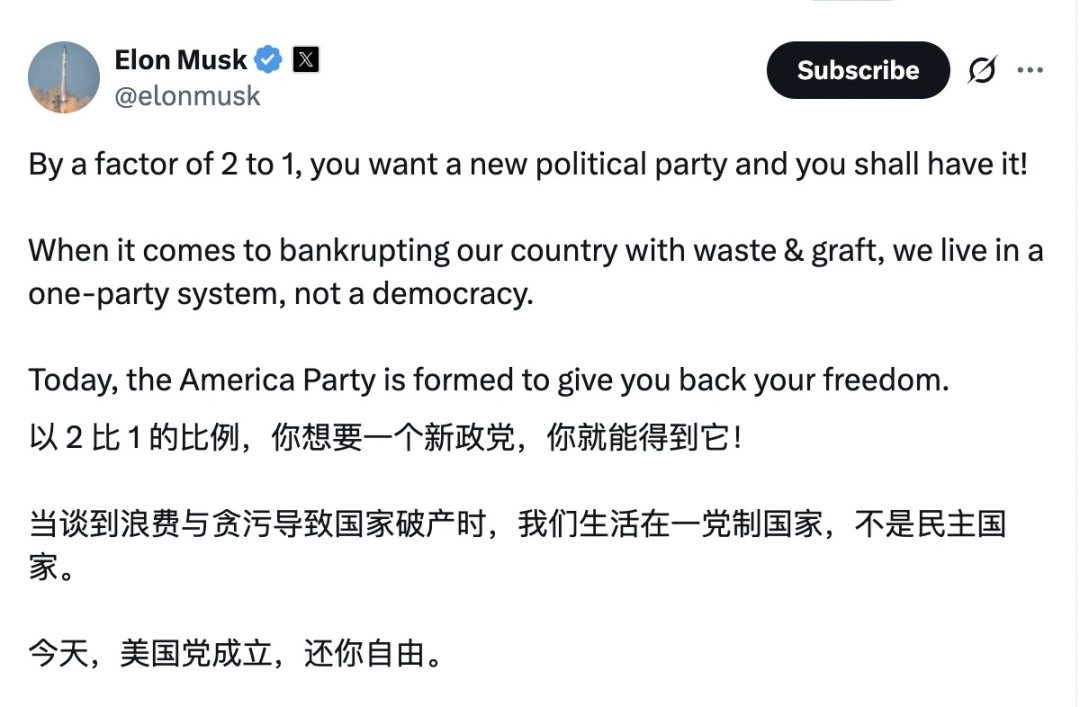
A tweet that might go down in history
In the early hours of July 6 (Beijing time), Musk referenced the earlier poll in a post on X: “When it comes to bankrupting our nation through waste and corruption, we live in a one-party nation, not a democracy. Today, the American Party is founded to return your freedom to you.” Responding to questions about his shift from supporting to criticizing Trump, Musk stated: “The deficit will rise from an already insane $2 trillion under Biden to $2.5 trillion. That will bankrupt the country.” His rhetoric painted a picture of national concern and public service.
Thus, in the name of the people, Musk began his battle to protect his own interests.
Reactions poured in from all sides after news of Musk’s party launch.
Responses to Musk’s Party: Trump, Investors, Treasury Secretary, and Markets Weigh In
Immediately after the announcement, Tesla became the first casualty in the market backlash.
Tesla (TSLA.O) plunged over 7% in after-hours trading. At the time of writing, Tesla shares were trading at $315.35, with a market cap of $988.14 billion—nearly 35% below its previous high of $488.
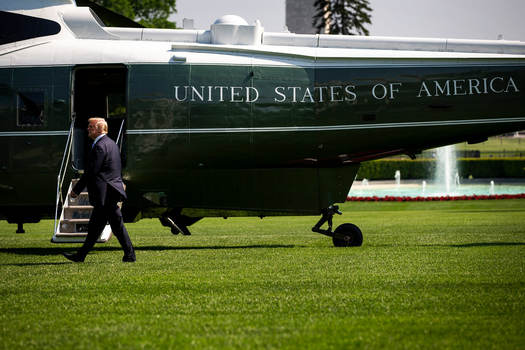
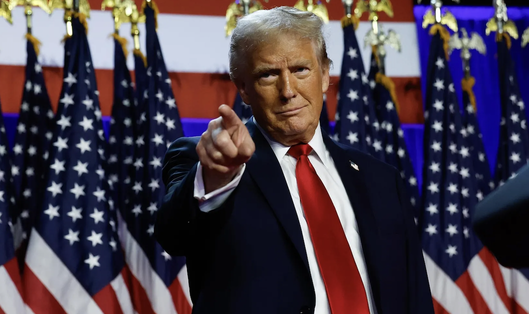
Trump responded swiftly. On social media, he said: “It’s sad to see Musk completely ‘derailed’ over the past five weeks, essentially becoming a train wreck. He even wants to create a third party, though no third party has ever succeeded in America—the system doesn’t seem designed for them. The one thing third parties are best at is creating total chaos and disruption.” He added: “When Musk was unquestionably fully supporting me, I asked him if he knew I’d terminate the EV mandate, and he said he had no objection—I was surprised! Also, Musk wanted to appoint a close friend to lead NASA, but I was shocked to learn he was a high-born Democrat who’d never donated to Republicans. Maybe Musk is too.” Trump further suggested it was inappropriate for someone with commercial interests in space—like Musk—to choose NASA leadership. Later, before boarding Air Force One in New Jersey, he told reporters: “I think forming a third party is absurd. Creating a third party only adds confusion. He can have fun, but I think it’s ridiculous.”
U.S. Treasury Secretary Besent unusually commented, suggesting company boards might disapprove of Musk’s political activities, and advised Musk to focus on business, not politics. The implication was clear: as a businessman, Musk should stay out of politics. Musk fired back at Besent, who had previously criticized Musk’s DOGE department poll: “Treasury Secretary Besent is Soros’s puppet. He studied political science and couldn’t even master math. A year ago, my approval rating in polls was extremely positive—that’s why Trump valued me so much.”
Meanwhile, Azoria, the investment firm planning to launch the “Azoria Tesla Convexity ETF” focused on Tesla stock, announced on Saturday it would delay the fund’s debut. The ETF was set to invest in Tesla shares and options, offering investors exposure to the EV giant. However, Musk’s political move prompted Azoria to deem the timing unfavorable and postpone the listing.
Aftermath of Musk’s Party: A History of Failed Third Parties, BTC Adoption, and Collapsing Meme Coins
Following Musk’s announcement, related topics surged to the top of Baidu’s trending list. However, analysts argue that even someone with Musk’s immense wealth, influence, online mobilization power, loyal followers, and high profile still faces deeply entrenched barriers to establishing a successful third party.
A Long History of Third-Party Failures
Historically, third parties in the U.S. have rarely achieved political success.
-
Ross Perot, a billionaire businessman, won nearly 19% of the popular vote in the 1992 election but failed to secure a single electoral vote.
-
Ralph Nader was labeled a “spoiler” in the 2000 election.
-
More recently, Forward Party, founded by Asian-American entrepreneur and former presidential candidate Andrew Yang, gained attention but struggled to attract broad support.
Moreover, under U.S. law, forming an election-eligible party involves complex certification procedures, including convening caucuses or conventions and electing interim officials. Although Musk posted yesterday asking, “When and where should we hold the first convention of the American Party?” he later clarified that documents circulating online regarding FEC registration for a new party called “America Party (AMEP)” were fake, and he had reported them to the Federal Election Commission—confirming that the American Party remains purely conceptual at this stage.
Will the American Party Embrace BTC? Yes.
Despite the party not being formally registered, Musk has already signaled its stance on cryptocurrency.
When a community member asked if the American Party would embrace Bitcoin, Musk replied: “Fiat is hopeless, so yes.” This reignited market enthusiasm for BTC purchases.
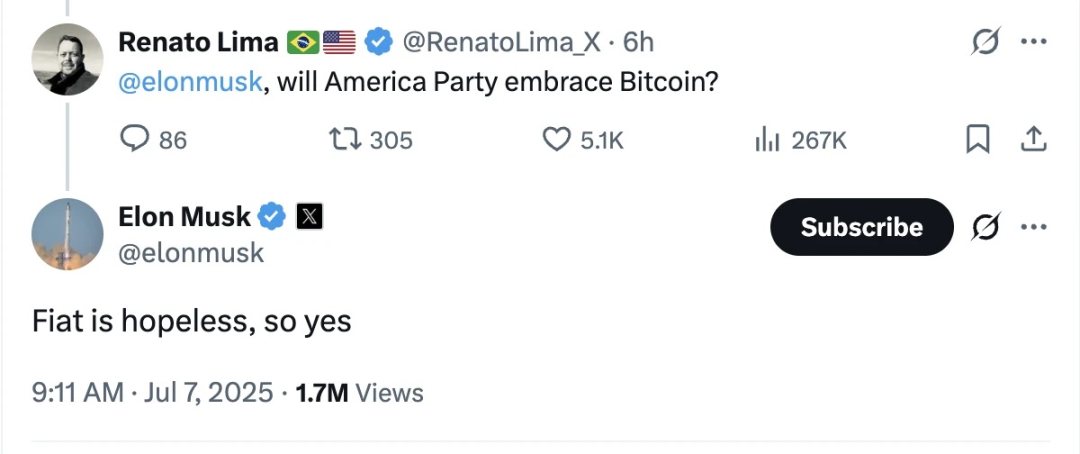
Musk declares: Embrace BTC, yes!
After PVP, Meme Coins Lie in Ruins
Shortly after Musk’s party announcement, meme coin markets erupted in a frenzy of PVP (Pump and Volatility Play) action.
According to GMGN, a wave of meme coins named AP (initials of American Party), AMEP, America, and america flooded ecosystems across ETH, SOL, and BSC. After yesterday’s speculative surge, most of these tokens have since collapsed—many losing half their value or more.
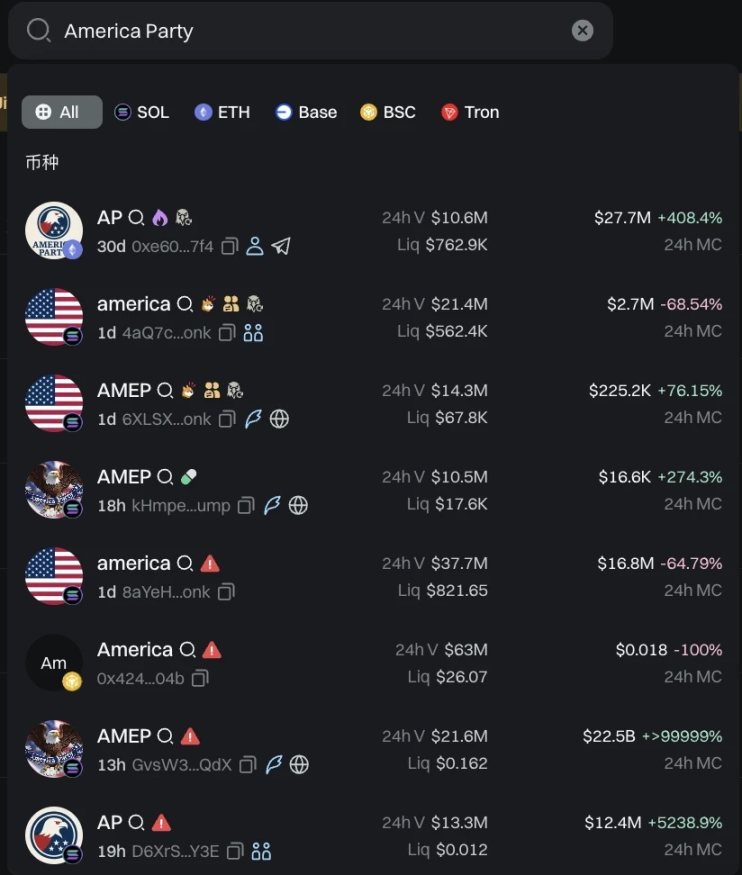
AP leads in market cap
Conclusion: No Permanent Friends, Only Permanent Interests
Under Musk’s tweet announcing the American Party, a user asked whether the new party would run in the 2026 midterms or the 2028 presidential election. Musk replied: “Next year” (i.e., 2026). Whether this materializes remains to be seen, but the emergence of the American Party is yet another sign of escalating tensions in the Trump-Musk feud.
In the turbulent world of politics and business, Musk and Trump have once again proven a timeless truth: there are no permanent friends—only permanent interests.
Join TechFlow official community to stay tuned
Telegram:https://t.me/TechFlowDaily
X (Twitter):https://x.com/TechFlowPost
X (Twitter) EN:https://x.com/BlockFlow_News
 Odaily