








Interview with Circle Investor Lei Ming: Behind Consecutive High-Multiple Wins, Striving to Continuously Capture Era Beta
TechFlow Selected TechFlow Selected
Interview with Circle Investor Lei Ming: Behind Consecutive High-Multiple Wins, Striving to Continuously Capture Era Beta
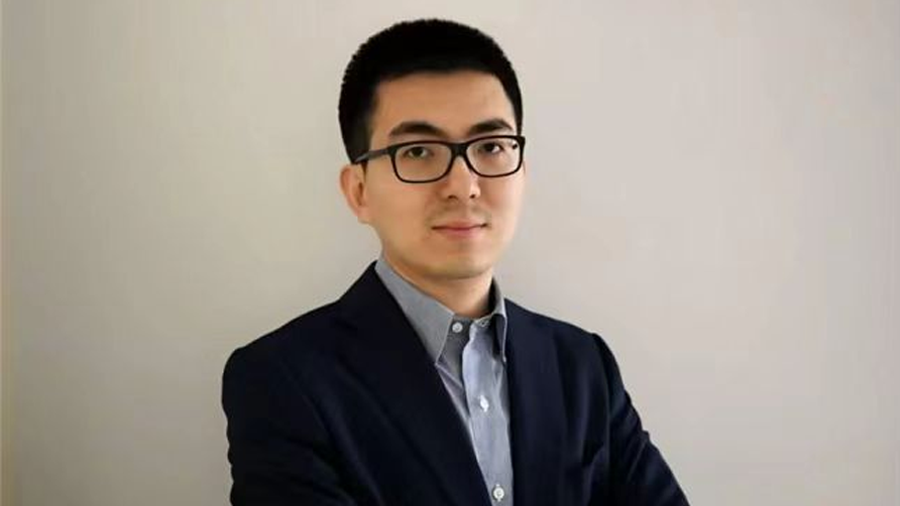
Lei Ming established ZhuiChuang Ventures as a founding partner in mid-2023, initiating the formation of the Dreame Ecosystem Fund.
 Navigating Web3 tides with focused insights
Author: Stone Jin
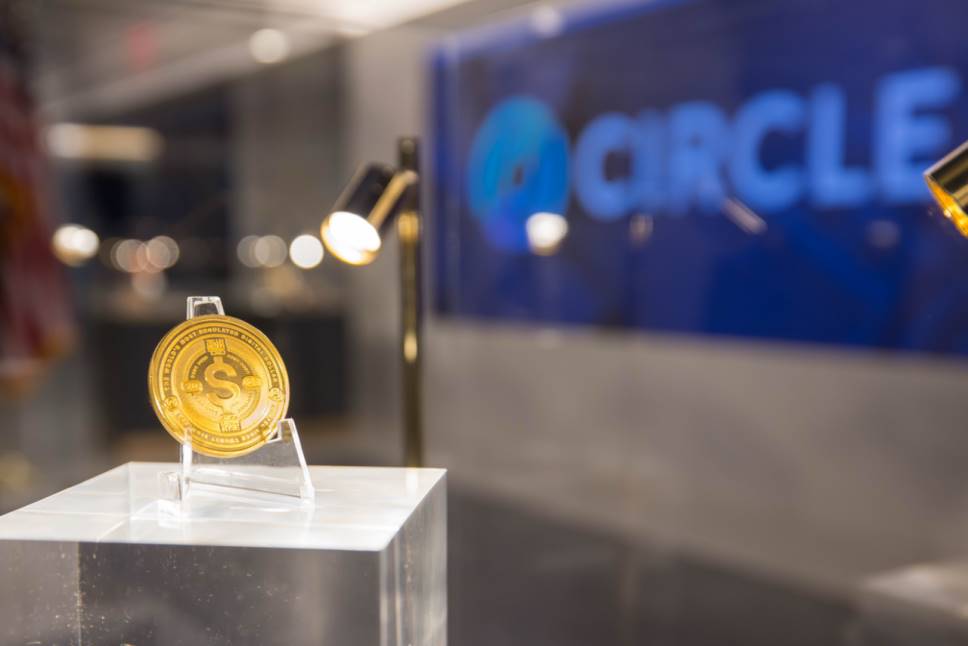
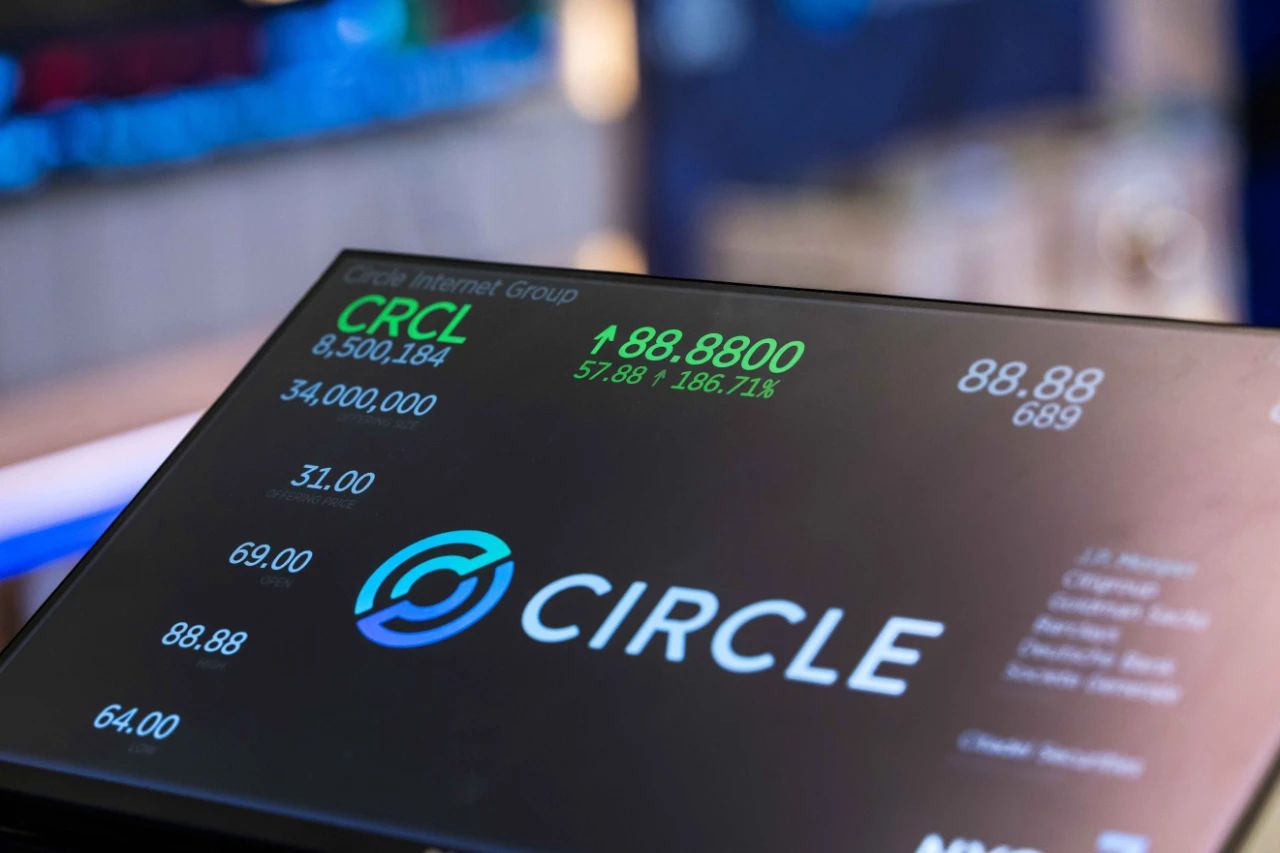
On the evening of June 5, 2025, Beijing time, Circle Internet Group (hereinafter referred to as "Circle") officially listed on the New York Stock Exchange under the ticker symbol "CRCL," becoming the "first publicly traded stablecoin company globally."
Two trading days later, Circle's stock price had surged 247.42% above its offering price, with a market capitalization of approximately $24 billion. In fact, during this IPO, Circle successively raised both the number of shares offered and the offering price multiple times, ultimately raising $1.1 billion and receiving over 25 times subscription demand.
Behind this highly discussed major IPO of 2025 so far, several investors with Chinese backgrounds stand out. Notably, Lei Ming, who was then an investor at华兴新经济基金 (China Renaissance Growth Fund), invested in Circle back in 2018. With Circle’s listing, these early investors have achieved substantial returns.
Lei Ming said his two core investment rationales for Circle were: first, blockchain technology will create significant commercial and social value in the future; second, investing means investing in fundamentals—financial essence lies in licensing capability—and Circle happened to be the company with the most comprehensive licenses at that time.
In addition, Lei Ming pointed out that blockchain represented a major era beta from 2017 to 2018. To achieve strong fund performance, one must capture the biggest era beta within the investment cycle. Besides Circle, other era-defining opportunities Lei Ming captured included NIO in the new energy vehicle sector, as well as popular Gen-Z brands like Dewu and Pop Mart, contributing to his consistently high investment success rate.
Of course, today’s dominant era betas are undoubtedly AI, robotics, and globalization—this has almost become a consensus.
In mid-2023, Lei Ming co-founded Zhenchuang Ventures as a founding partner, initiating the establishment of the Dreame Ecosystem Fund.
To date, Zhenchuang Ventures has invested in multiple companies including Magic Atom (embodied intelligence), Langyong Future (pool robotics), Qianjue Technology (embodied large models), Atom Reform (consumer 3D printers), and Tantu Technology (smart short-distance mobility).

Magic Atom's humanoid and quadruped robot products
Lei Ming emphasized that the core competitiveness of the Dreame Ecosystem Fund stems from empowerment by Dreame’s incubation ecosystem: on one hand, Zhenchuang gains priority access at optimal valuations to projects incubated within the Dreame ecosystem, ensuring stability and high growth potential; on the other, leveraging Dreame’s industry insights allows the fund to expand into external high-quality projects, achieving ecosystem synergy.
According to Lei Ming, he and his team are currently fundraising for a USD-denominated fund and continuously emphasizing the concept of “China to Global” to dollar LPs—leveraging China’s comprehensive capabilities across various sectors and believing in the ability of Chinese teams to succeed globally.
As a side note, in August 2024, Zhenchuang Ventures announced the launch of this industrial venture fund and completed the first close of its RMB-denominated Fund I. It is reported that within six months, the fund was oversubscribed, achieving a MOIC of 2.5x, with all portfolio companies doubling their valuations.
"Moving forward, a key focus for us is investing in globalization—we’re taking a China-based team perspective to proactively recruit overseas teams in countries like the U.S. and the U.K., gradually building up this capability to truly realize 'China to Global,'" Lei Ming said.
On the occasion of Circle’s official NYSE debut, Lei Ming shared with "IPO Early Info" the core logic behind his seven-year-old investment in Circle, along with reflections and outlooks since founding Zhenchuang Ventures.
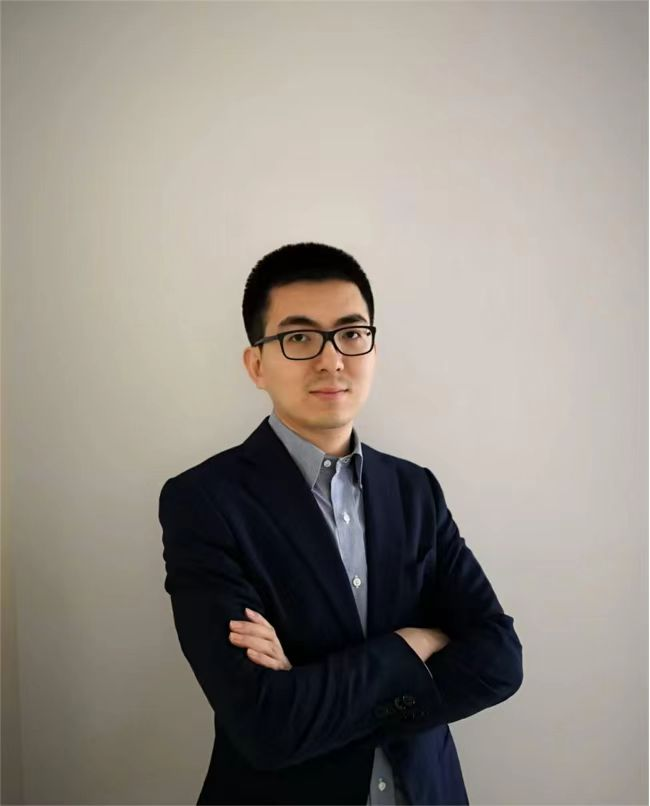
Below is an edited excerpt of Lei Ming’s conversation with "IPO Early Info":
Investing Means Investing in the "Essence"
Q: You invested in Circle seven years ago. What was your rationale at the time?
Lei Ming: I had just joined China Renaissance not long before that, and blockchain was one of the sectors I covered. I personally believed in the underlying logic of blockchain and was convinced it would generate tremendous commercial and social value in the future. But frankly, blockchain was still in its early development stages back then, with many legal and regulatory uncertainties. So we tried to focus on projects we deemed compliant and acceptable under risk control frameworks, especially considering eventual exits via public listings.
Q: Circle reaching a market cap of over $20 billion today must have been somewhat unexpected.
Lei Ming: Honestly, there was some luck involved—the company wasn’t primarily focused on stablecoins back then; they were just starting that business. Also, Circle’s IPO coincided with the U.S. and Hong Kong rolling out stablecoin-related legislation, which directly contributed to the success of the offering. Of course, its future potential is huge—none of which existed seven years ago.
But we did have a fundamental belief—a shared conviction—that finance is essentially a licensing business. When new technologies emerge, regulators may lag, allowing wild-west-style players to thrive temporarily. But in the long run, financial industries become increasingly regulated, and only those operating within compliance can sustainably grow. That’s why licensing capability becomes critical—and Circle had the most comprehensive set of licenses at the time.
Q: Circle remains relatively niche, especially among traditional investment firms. Have you extracted any repeatable lessons from this investment for future deals?
Lei Ming: I’d summarize it into four points:
First, embrace opportunities brought by emerging technologies. Being among the first at a traditional financial firm to invest in blockchain, I was probably part of the first wave of “early adopters.” So when transformative technologies arrive, we need to maintain long-term attention, continuous follow-up, constant learning, and deep research into new directions.
Second, even when spotting something novel in an industry, always return to first principles—investing ultimately means investing in essence. As I mentioned earlier, our success with Circle came down to recognizing and seizing the essential element of finance: licensing.
Third, adopt a global perspective. Seven years ago, fewer peers emphasized “globalization,” but when I spoke with Circle’s founder, I sensed his global mindset. For a company to truly succeed, it must embrace multi-dimensional globalization—capital, markets, supply chains, and talent. I believe this坚定 belief in globalization was a key factor in the deal’s success.
Finally, back founders with conviction and faith. When new technologies emerge, change is inevitable and markets often get frothy. At such times, you want to back founders who are deeply committed and unwavering in their mission. If a founder lacks conviction or constantly shifts direction, they’re unlikely to build an outstanding company.
Capturing Major Era Opportunities
Q: You once said that fund performance fundamentally depends on capturing the biggest era beta during the investment period. Back then, NIO clearly represented one of the largest opportunities—can Circle be considered similarly? And how do you identify opportunities beyond these macro trends?
Lei Ming: I disagree—it’s fair to say blockchain itself was also a massive beta between 2017 and 2018.
Blockchain is a vast sector, and even today, many applications haven't fully materialized. The technology holds transformative potential across numerous fields.
Q: Did you see Dewu as an era beta when investing in 2020?
Lei Ming: The biggest beta behind Dewu was our demographic research on post-95s, identifying them as the defining investment opportunity of that era.
My logic was simple: to catch tectonic shifts, focus on the classic trio of “people, product, and place,” where “people” represents the most significant variable. We conducted in-depth research on Gen Z, and I personally led my team across eight cities spanning first to fifth-tier urban areas. After analyzing this generation, we identified a series of investment themes centered around the post-95 cohort. That’s how we managed to invest in Dewu at a relatively low valuation—today, Dewu has grown into a platform of enormous scale and influence.
We invested in Dewu after the mobile internet wave had begun to fade, and few companies like Dewu have emerged since 2018.
Overall, I believe we should strive to identify major era beta opportunities—not necessarily the single largest, but meaningful macro themes nonetheless. Blockchain was one, and so was the rise of the post-95 generation.
Q: Today’s biggest opportunities are AI, robotics, and globalization.
Lei Ming: Exactly—they form the core thesis behind Zhenchuang today. The next big wave revolves around AI, robotics, and globalization.
In other words, truly valuable investments—those that generate real returns—are projects that use technological innovation to significantly boost societal productivity and efficiency. AI and robotics are precisely driving human productivity forward, making them the greatest era opportunity today.
Positioning the Dreame Ecosystem Fund
Pursuing "China to Global"
Q: Today, nearly every VC claims to back AI, robotics, and globalization. As a relatively new firm founded just over two years ago, how do you ensure your competitive edge and sustained leadership?
Lei Ming: Our positioning is clear—we are the Dreame Ecosystem Fund. A key advantage lies in Dreame’s deep industrial expertise and mature innovation-incubation system. Over the years, Dreame has developed systematic capabilities and entrepreneurial methodologies through successfully launching established product categories. We leverage this framework to identify opportunities—especially robotics-related ones—across industries and geographies worldwide, then support their incubation.
I want to stress that I’ve personally experienced how Dreame’s organizational management model and methodology are ahead of their time, though external recognition may take longer to develop. We open-source these systematic capabilities to our incubated startups.
In fact, we’ve already incubated many ventures—on one hand, we gain earliest access at the lowest valuations; on the other, these ventures currently appear much more likely to succeed compared to external startups. Several follow a trajectory of generating RMB 300–500 million in revenue in Year One, scaling to RMB 1 billion in Year Two, aiming from day one to achieve world-leading product performance, profitability in the first year, and zero cash burning—what we internally call “global premium positioning.”
These ventures are inherently stable and benefit from Dreame’s established global distribution channels, enabling rapid growth and impressive scalability.

A wireless pool robot developed by Langyong Future
Leveraging Dreame’s broader ecosystem, we can also extend investments beyond internally incubated projects. For example, upstream investments can be informed by consultations with Dreame’s business teams—asking whether they’d adopt certain technical platforms provides a direct and accurate evaluation metric.
We also use Dreame’s global lens to invest internationally—we already have pipeline projects in Silicon Valley, the UK, and beyond. On one hand, our fund has overseas teams actively sourcing deals; on the other, Dreame’s sales teams can recommend promising ventures they encounter.
We’re currently fundraising for a USD fund, but the landscape has changed. Previously, dollar LPs overwhelmingly backed China and simply entrusted top-tier Chinese GPs with their capital.
Today’s environment differs, so we consistently emphasize “China to Global” to our USD LPs—leveraging China’s strengths in supply chains, engineering talent, and operations to execute global strategies.
Financial Returns and Ecosystem Synergy Can Coexist
Q: As an ecosystem fund, how do you prioritize financial returns versus ecosystem synergies?
Lei Ming: From the fund’s standpoint, financial return is our primary objective.
Synergy happens naturally. During the fundraising process for Zhenchuang’s RMB fund, we work collaboratively with Dreame’s business teams. Since different projects suit different locations, the business team evaluates factors like supply chain readiness, labor costs, and logistics to identify optimal sites. Then we engage local governments to establish funds accordingly.
If we raised funds first and forced the business team to comply with artificial local reinvestment requirements, the model wouldn’t last. Instead, it’s a mutually beneficial partnership—we also help portfolio companies secure favorable incentives.
In short, decisions about which incubated project to invest in, at what stage, and at what valuation are made independently by us. The core goal is maximizing fund returns and delivering value to LPs while minimizing risk. Meanwhile, the business team achieves meaningful milestones—so synergy emerges organically.
Financial returns and ecosystem synergy aren’t contradictory—they can and do coexist.
Q: Your fund has achieved strong investment multiples in recent years. What do you think Zhenchuang has done particularly well? Where can you further improve?
Lei Ming: Our solid performance over the past two years largely stems from Dreame’s proven incubation model, entrepreneurial methodology, and replicable organizational management and incentive systems. These incubated ventures naturally have higher success rates—that’s evident.
Beyond that, we’ve made strong upstream investments in components and foundational algorithms.
Looking ahead, a key area for self-improvement is globalization—we aim to recruit overseas teams from the U.S., UK, and elsewhere, refining our capabilities to fully realize “China to Global” from a China-based team perspective.
Join TechFlow official community to stay tuned
Telegram:https://t.me/TechFlowDaily
X (Twitter):https://x.com/TechFlowPost
X (Twitter) EN:https://x.com/BlockFlow_News


