Promoting Gold-Backed Stablecoin, Inviting CZ as Web3 Advisor: Kyrgyzstan Presses National Blockchain Strategy's "Accelerate Button"
TechFlow Selected TechFlow Selected
Promoting Gold-Backed Stablecoin, Inviting CZ as Web3 Advisor: Kyrgyzstan Presses National Blockchain Strategy's "Accelerate Button"
The Central Asian country Kyrgyzstan is quietly emerging as a noteworthy nation exploring cryptocurrency innovation.
 Navigating Web3 tides with focused insights
By Weilin, PANews
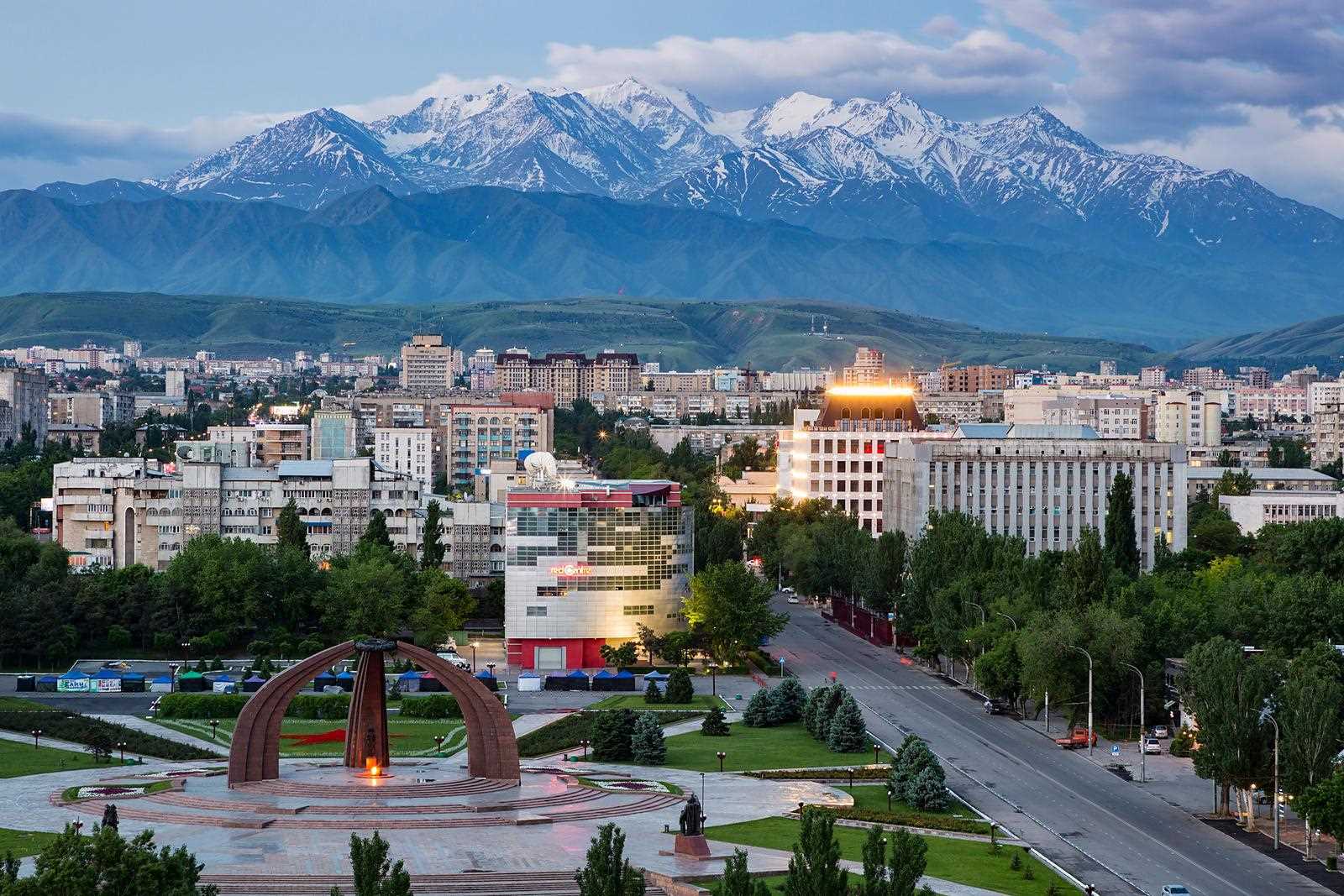
The Central Asian nation of Kyrgyzstan is quietly emerging as a noteworthy player in the exploration of cryptocurrency innovation.
On April 15, Kyrgyzstan officially announced that its State Agency for Investment under the President has signed a strategic Memorandum of Understanding (MoU) with Binance founder Changpeng Zhao (CZ), formally appointing CZ as an official advisor on blockchain development, cryptocurrency regulation, and Web3 innovation. This collaboration was earlier confirmed on April 3 by Kyrgyzstan’s President Sadyr Zhaparov via the X platform.
CZ Officially Appointed Advisor: Accelerating Kyrgyzstan's Blockchain National Strategy
Under the terms of the MoU, CZ will provide forward-looking guidance to the Kyrgyz government on digital asset frameworks, including technical support for blockchain infrastructure and policy formulation. The partnership will also prioritize talent development and accelerate the creation of an innovative environment for DeFi and Web3 technologies.
Interestingly, on April 4, CZ took to X to clarify community rumors suggesting "Kyrgyzstan plans to lead the establishment of a national cryptocurrency exchange, allocating two buildings as trading halls," stating: "No buildings were offered—what cryptocurrency exchange uses physical buildings as trading floors?"
Then on April 7, President Sadyr Zhaparov replied: "Busy with the Central Asia–EU Summit these past days. Finally had time to check comments—delighted to see such interest in Kyrgyzstan! Someone mentioned a commitment to co-build a building. Not sure who promised what to whom—but if Binance needs a building, we’ll make sure one is provided."
While the construction of shared office space remains unconfirmed, the warmth of the bilateral relationship is clearly escalating.
According to official statements, this MoU aligns with Kyrgyzstan’s broader strategy of modernizing its financial system and positioning itself as a regional hub for digital innovation. As stated by the presidential office, blockchain and digital finance have been designated as national priority areas.
"We welcome global leaders with deep expertise who can help build forward-thinking and secure ecosystems," said President Sadyr Zhaparov. "Blockchain and digital finance are strategic priorities, and this partnership marks a meaningful step forward."
Beyond regulatory efforts, the MoU includes initiatives supporting education, workforce training, and cross-border knowledge exchange in blockchain-related fields. These measures aim to foster domestic entrepreneurial ecosystems and align Kyrgyzstan’s virtual asset regulations with global best practices.
Underpinning this cooperation is Kyrgyzstan’s steady progress over the past three years in advancing crypto-financial development. Since the 2022 enactment of the Virtual Assets Law—which established a clear legal framework for crypto activities—the country has demonstrated readiness for cryptocurrency adoption by launching a national crypto bank and integrating blockchain technology into banking systems, digital payments, and financial oversight. Under Kyrgyz law, Bitcoin is classified as a commodity, not a security or currency. Mining, buying, and trading Bitcoin are legal on local commodity exchanges; however, using Bitcoin as legal tender for domestic settlements remains restricted.
According to a January 7, 2025 report by *The Central Asia Times*, interest in cryptocurrencies among individuals and businesses in Kyrgyzstan is rising. Nevertheless, overall market regulation remains relatively weak.
"Given the rapid advancement of digital technologies and cryptocurrencies, establishing a crypto bank has become an urgent need to integrate digital assets into the country’s traditional financial system," stated Kyrgyzstan’s Ministry of Economy and Commerce.
The ministry believes that licensing a regulated crypto bank will help address these challenges, enhancing market transparency, trust, and financial security. Through this initiative, Kyrgyzstan aims to attract foreign investment, drive technological innovation, and offer citizens safe, regulated channels for using cryptocurrencies.
Kyrgyzstan’s approach centers on the concept of a “licensed crypto bank”—a distinctive feature. Such banks will operate under strict regulatory oversight to ensure system transparency and security.
The push for licensed crypto banks stems from a strong emphasis on risk management. These institutions will adhere to rigorous compliance standards to safeguard user funds and personal data. Regulatory oversight will also help combat money laundering, fraud, and other illicit activities. By incorporating cryptocurrencies into the banking system, Kyrgyzstan hopes to expand access to modern financial services for underserved populations.
Kyrgyzstan already imposes taxes on cryptocurrency mining. A 10% tax is levied on electricity costs associated with mining operations, inclusive of VAT and sales tax. According to data from the Ministry of Finance, between January and November 2024, mining-related tax revenue reached 46.6 million soms (approximately $537,000)—nearly half of the total collected in 2023.
Launching Gold-Backed Stablecoin: What Makes USDKG Stand Out?
Beyond regulatory and policy initiatives, Kyrgyzstan is exploring the integration of technology and tangible assets. A key example is the launch of USDKG, a gold-backed stablecoin supported by the Ministry of Finance and pegged to national gold reserves. The project is considered one of the cornerstones of Kyrgyzstan’s blockchain strategy.
In a recent AMA session, advisors William Campbell and Gabriel Guerra provided further details about the project. The credibility of USDKG lies in its state-supported structure. Tokens are issued only upon addition of new gold reserves, preventing arbitrary issuance and inflation risks. Initial gold collateral totals $500 million, with plans to scale up to $2 billion within 24 months, reinforcing long-term stability.
Transparency is central to USDKG’s design. Each USDKG token is backed by physical gold stored in audited, secure vaults. Regular third-party audits and a public proof-of-reserves system ensure full transparency—setting USDKG apart from privately issued stablecoins often criticized for opaque reserve management.
The spokesperson clarified the government’s role in the initiative: "The Kyrgyz Ministry of Finance’s role is limited to providing gold reserves. All development, auditing, and maintenance are carried out by private companies and individuals," explained Campbell.
USDKG will initially launch on Ethereum, with plans to expand to other blockchains as adoption grows. "We’re building an international asset—with the long-term vision of competing with major stablecoins like USDC and USDT," said Campbell.
More than just a store of value, USDKG is poised to become a vital tool for trade, cross-border transactions, and remittances. For a country like Kyrgyzstan, where remittances account for nearly 30% of GDP, USDKG offers a low-cost, high-efficiency alternative to traditional banking. Additionally, USDKG is designed to function across both centralized and decentralized exchanges, ensuring broad accessibility for institutional and retail users alike.
Positioned as a solution for cross-border payments, USDKG enables instant, low-cost international transfers, making it easier for overseas workers to send money home. The first step toward integrating USDKG into the local financial system involves connecting it with Kyrgyz banks and institutions, ultimately aiming for recognition as legal tender within the country. Once this foundation is established, expansion into other Central Asian markets will follow. "Central Asia is our primary target, but we’re also interested in Southeast Asia and the Middle East, where gold-backed assets carry significant economic and cultural value," said Guerra.
USDKG will be listed on global cryptocurrency exchanges, enabling lending, yield farming, and other activities. According to Campbell, users will have three redemption options: "Anyone holding USDKG can redeem physical gold in Kyrgyzstan, exchange it for cryptocurrencies like USDT, or withdraw fiat currency through traditional banking systems."
Racing With Neighbors: Cryptocurrency Regulation Becomes Key Focus in Central Asian Economic Policy
Notably, Kyrgyzstan is not the only Central Asian country advancing regulatory experimentation. A member of Kazakhstan’s lower parliamentary house recently called for the creation of a national crypto bank as a centralized platform for legally compliant custody and trading of digital assets. Lawmaker Azat Peruashev argued that the lack of clear regulatory infrastructure has led to growing illegal crypto activity, with most transactions occurring outside official oversight. He believes a state-led institution could curb tax evasion, fraud, and capital flight through unregulated platforms.
Peruashev proposed involving state-owned banks and licensed financial institutions in the initiative, framing it as a necessary response to widespread misuse of crypto assets. Citing unofficial figures, he noted that up to 90% of cryptocurrency transactions in Kazakhstan occur in a "gray zone," with substantial capital flowing abroad unchecked.
Meanwhile, Uzbekistan has already legalized cryptocurrency trading and established a national regulatory framework for the industry. Another development to watch is whether Kyrgyzstan might follow El Salvador’s lead and adopt Bitcoin as legal tender, especially given its increasingly supportive stance toward crypto regulation.
The accelerating investments by multiple Central Asian nations in cryptocurrency industries and regulatory policies reflect a shift in how governments view digital infrastructure—not merely as a financial tool, but as a mechanism of statecraft. Blockchain technology is now being integrated into broader national modernization and geopolitical strategies. Future developments warrant close attention.
Join TechFlow official community to stay tuned
Telegram:https://t.me/TechFlowDaily
X (Twitter):https://x.com/TechFlowPost
X (Twitter) EN:https://x.com/BlockFlow_News
 PANews