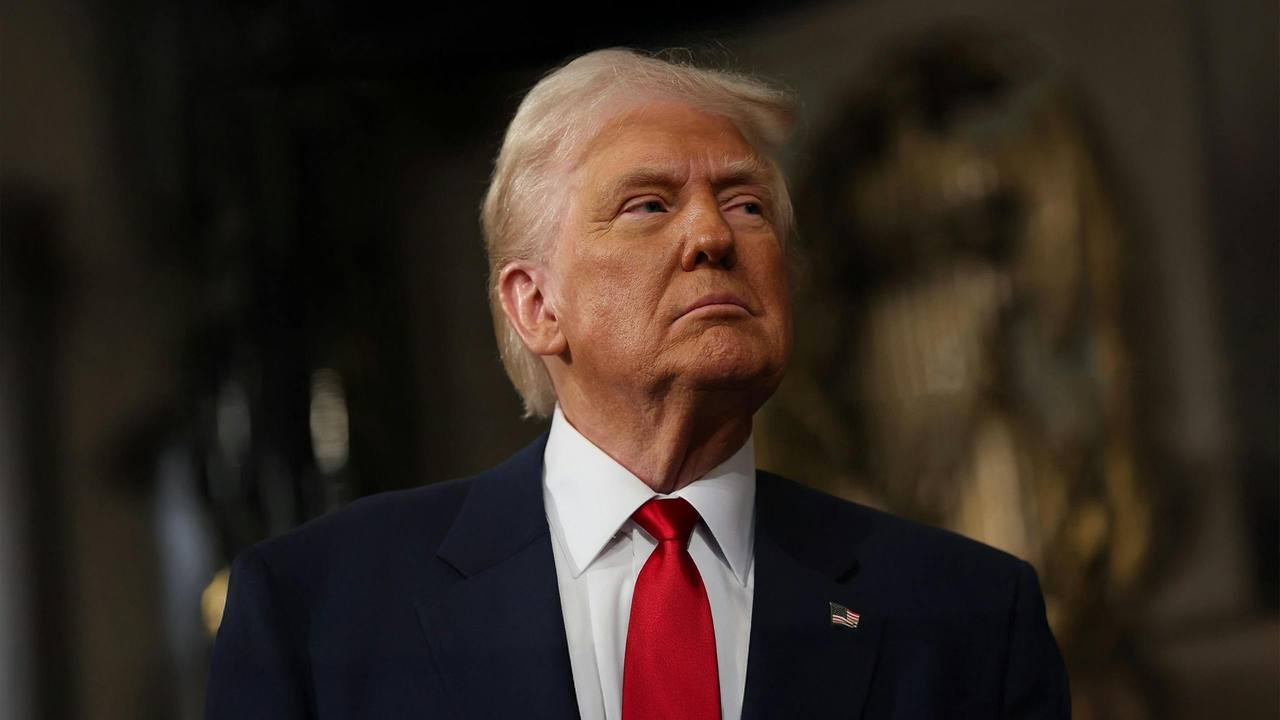
Bitwise: What Trump's tariff threats mean for Bitcoin?
TechFlow Selected TechFlow Selected
Bitwise: What Trump's tariff threats mean for Bitcoin?
The Trump administration hopes for a significant depreciation of the dollar, which is beneficial for Bitcoin.
 Navigating Web3 tides with focused insights
Author: Matt Hougan, Chief Investment Officer at Bitwise
Translation: AIMan@Jinse Finance
The Trump administration wants a weaker dollar—even if that means ending the dollar’s status as the world's reserve currency. This has implications for Bitcoin.
It’s not easy being an investor these days. Markets are volatile, and news flows nonstop.
Are Trump’s tariff policies just a negotiating tactic, or will they become long-term policy? Will we actually get a 90-day pause on tariffs? Financial media is full of bold opinions from market pundits. While scrolling through X (formerly Twitter), you might see Cliff Asness from AQR Capital Management say “tariffs are terrible,” Bill Ackman from Pershing Square Capital say “tariffs aren’t inherently bad, but these ones are poorly designed,” or Anthony Pompliano from Morgan Creek Digital say “tariffs could be beneficial.” It’s hard to know whom to believe.
My strategy for navigating market chaos is to narrow my focus. Instead of speculating about what might happen, I try to concentrate only on the few things I’m confident will happen.
So when it comes to the tariff moves, the one thing I’m most certain of is this: The Trump administration wants a significantly weaker dollar—even at the expense of the dollar’s role as the sole global reserve currency.
This has major implications for Bitcoin.
The Most Important Thing You Need to Read Today
The most important thing I read this Monday was a speech by Steve Mnuchin, Chair of the White House Economic Advisers Council. The White House released this speech on Monday, right as tariff tensions reached a fever pitch. I don’t think that timing was coincidental.
I want to quote extensively from the speech because I believe it’s truly significant:
The dollar’s reserve role has created persistent monetary distortions and, combined with unfair trade barriers set by other nations, led to unsustainable trade deficits. These trade deficits have devastated our manufacturing sector and many working-class families and their communities—all just to facilitate trade between non-Americans.
...Yes, demand for the dollar keeps our borrowing costs low, but it also keeps currency markets distorted. This process places an undue burden on our businesses and workers, making their goods and labor uncompetitive on the global stage. Since U.S. manufacturing employment peaked, it has declined by over one-third, while our share of global manufacturing output has fallen by 40%.
The message is clear: The dollar needs to weaken.
What This Means for Bitcoin
This insight has both short-term and long-term implications for Bitcoin.
In the short term, I expect a weaker dollar to benefit Bitcoin. Over the past five years, Bitcoin has shown a correlation between -0.4 and -0.8 with the U.S. Dollar Index (DXY), a measure comparing the dollar’s value against a basket of six major currencies. When the dollar falls, Bitcoin tends to rise. I expect this trend to continue.
In the long term, the impact is even more positive. Turmoil in the global macro system creates space for new reserve assets to emerge. It makes sense: Governments and corporations use the dollar in international trade precisely because of its stability. When that stability is called into question, they must look elsewhere.
I believe we’re moving from a single-reserve-currency system (the dollar) toward a more fragmented reserve system, where hard assets like Bitcoin and gold play a much larger role than they do today. In such a scenario, the case for Bitcoin becomes simple: When geopolitical tensions rise and the global monetary system is in flux, where else can investors turn for a scarce, global, digital store of value that is independent of any government or entity?
As the old saying goes: "Chaos is a ladder."
In December 2024, Bitwise forecasted that Bitcoin would reach $200,000 by year-end. I still believe that’s possible.
Join TechFlow official community to stay tuned
Telegram:https://t.me/TechFlowDaily
X (Twitter):https://x.com/TechFlowPost
X (Twitter) EN:https://x.com/BlockFlow_News
 @BitwiseInvest