Bitcoin Volatility Timeline in 2025: How Trump's Tariff Policies Triggered a Market Rollercoaster?
TechFlow Selected TechFlow Selected
Bitcoin Volatility Timeline in 2025: How Trump's Tariff Policies Triggered a Market Rollercoaster?
As analysts at Amber Group noted: "When a presidential tweet can instantly erase $30 billion in market value, this market can no longer pretend to exist outside the law." This reckoning may well be a necessary step for cryptocurrencies to integrate into the mainstream financial system.
 Navigating Web3 tides with focused insights
Author: Techub News
Recommended: Full Timeline of Guest Invitations for the White House’s First Crypto Summit
Although Trump's return to the White House initially sparked optimism in the cryptocurrency market, a global trade storm triggered by tariff policies ultimately dragged Bitcoin from its all-time high of $109,000 down to a low of $78,000. This article reviews the key events behind this epic market turmoil.
Act One: The New President’s Three Fires (January 2025)
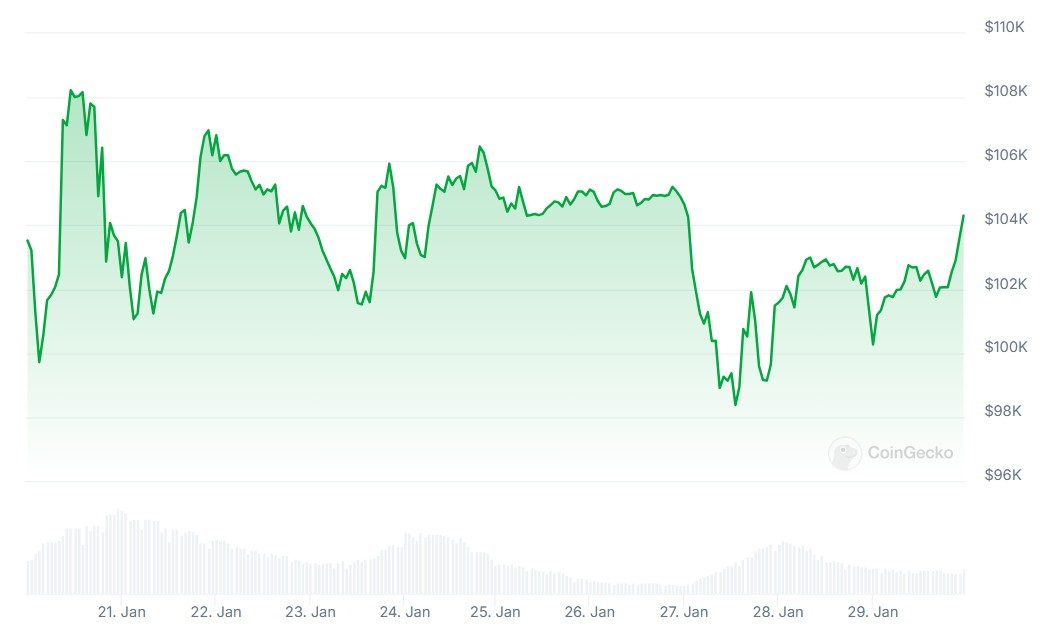
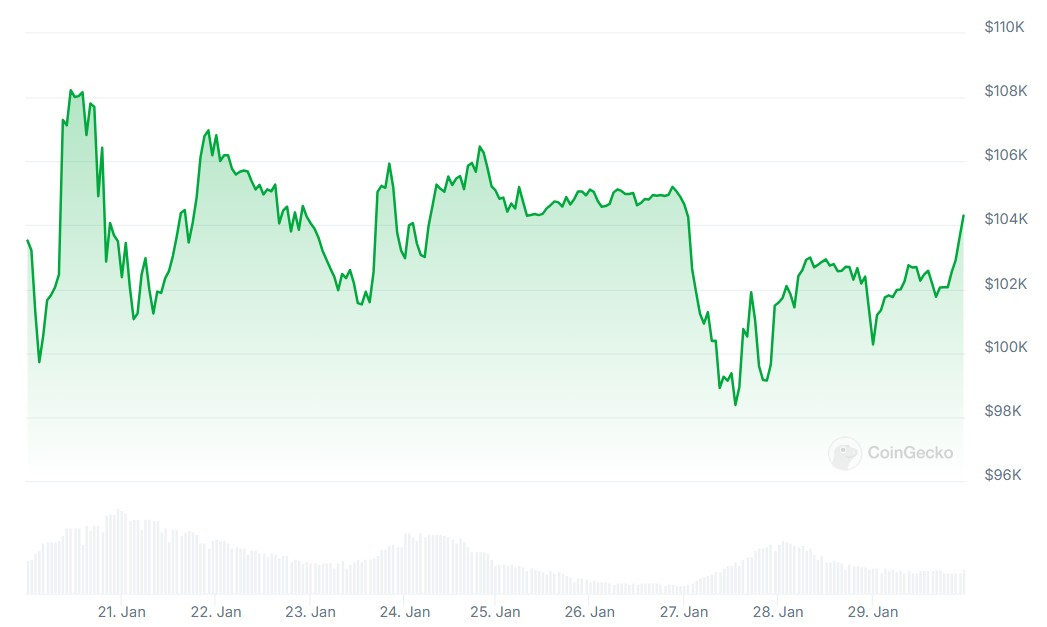
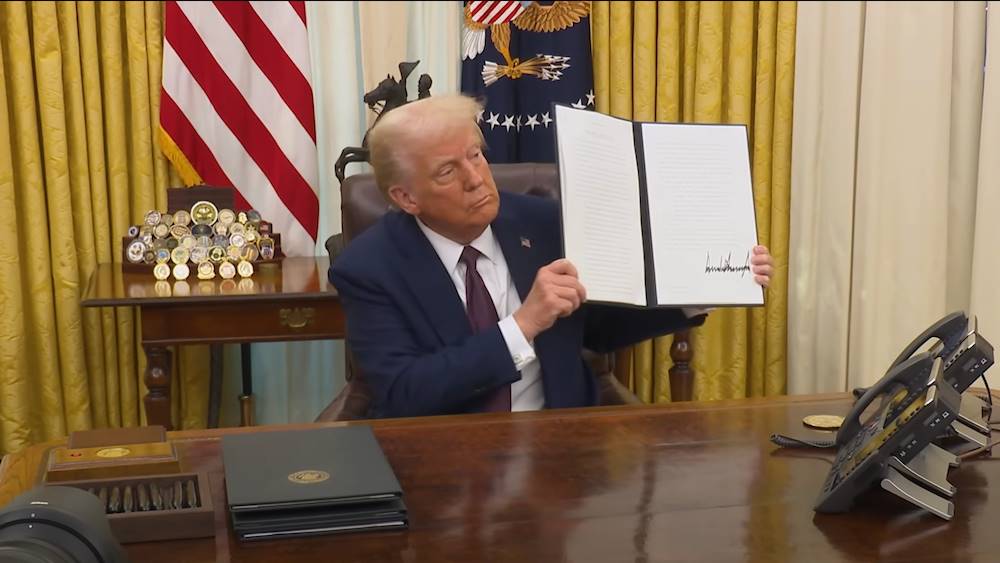
On January 20, the day of Trump’s inauguration, Bitcoin remained strong at $107,000. On January 23, President Trump signed an executive order establishing a Digital Assets Task Force to explore regulatory reforms for digital assets. But just six days later, a dispute over Colombian immigration ignited the first crisis—Trump threatened to impose a 25% tariff on Colombian goods entering the U.S., causing Bitcoin to immediately break below the psychological $100,000 threshold. Although the two sides reached an agreement a week later, boosting prices temporarily, the sudden rise of Chinese AI giant DeepSeek triggered a tech stock sell-off, spreading risk-off sentiment into the crypto markets.
Key Data: From January 26–28, Bitcoin’s daily volatility reached 12%, the highest since May 2024.
February Storm: The Tariff Nuclear Option Activated
On February 1, Trump signed an executive order imposing a 10% tariff on Chinese goods and 25% tariffs on Canadian and Mexican imports. Markets reacted sharply, with Bitcoin plunging 9.3% to $93,000. While delayed implementation of tariffs on North American neighbors brought a brief rebound, the escalation of steel tariffs and announcement of the “reciprocal tariff” plan on February 10, combined with Bybit’s historic $1.4 billion hack, culminated in Bitcoin falling below $80,000 on February 25—the first time since November 2024.
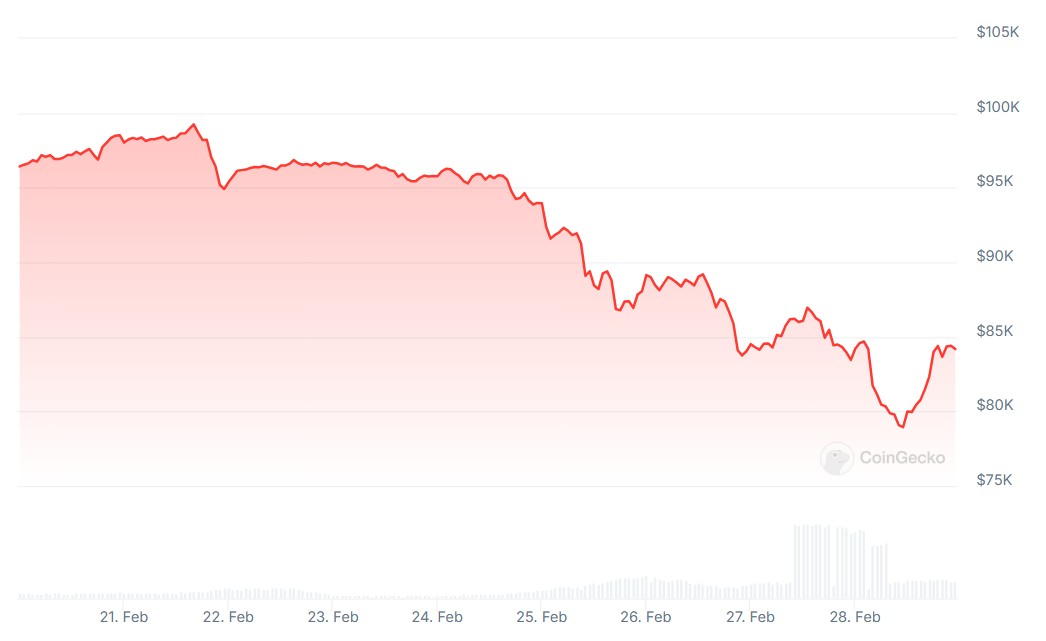
Market Observation: BitMEX data showed a 37% decline in open futures contracts during February, indicating massive deleveraging in the market.
March Stalemate: A Breathing Space Amid Policy Swings
March 4 – Policy Double-Edged Sword: The White House sent mixed signals—announcing a strategic digital asset reserve plan including XRP to boost confidence, while simultaneously doubling tariffs on China to 20%. This "carrot-and-stick" approach kept Bitcoin oscillating between $84,000 and $90,000. March 18 – Turning Point Foreshadowed: Treasury Secretary Besent became the first to advocate a "differentiated tariff" policy, suggesting that trade partners could avoid tariff hikes if they lowered their own barriers. The market interpreted this as the first sign of policy softening, sending Bitcoin up 3.1% in a single day, breaking above $85,000. March 20 – Dual Boost from the Fed: The Federal Reserve held interest rates steady and signaled at least two rate cuts for the year in its dot plot. Immediately after the decision:
-
Bitcoin surged $800 in one minute
-
CME Bitcoin futures open interest spiked by $1.1 billion
-
Total stablecoin market cap expanded 4.3% in a single day (Tether CTO confirmed issuance of 1.8 billion new USDT)
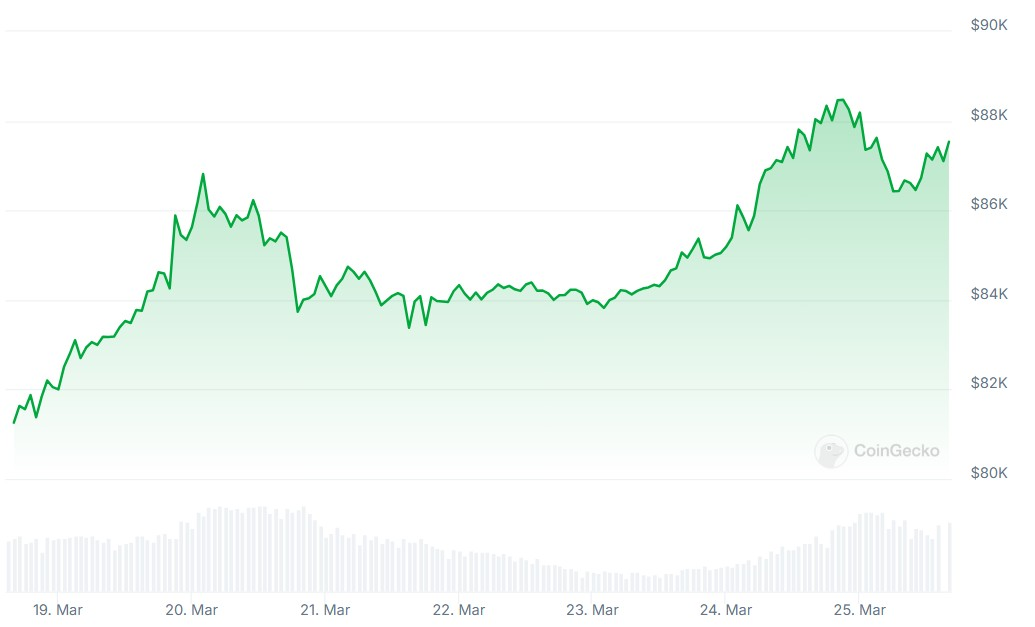
March 24 – Policy Resonance Effect: Fueled by expectations of tariff easing and increased liquidity, Bitcoin rallied 8.7% for the week, approaching $89,000. On-chain data revealed whale addresses (holding over 1,000 BTC) accumulated 213,000 BTC during this period—the largest weekly accumulation since Q4 2024.
April’s Time Bomb: Market Anxiety Ahead of Liberation Day
Despite signs of recovery in late March, April 2—the effective date of the “reciprocal tariffs”—looms like a sword of Damocles. According to simulations by Bitget Research:
-
If fully implemented, the tariffs could trigger a $2.3 trillion contraction in global trade volume
-
Correlation between Bitcoin and traditional assets could hit a record high of 0.78
-
Supply chain disruptions may increase mining hardware production costs by 18%
Institutional Strategy: Liquifi detected $4.7 billion in net stablecoin inflows during the last two weeks of March, signaling capital is “loading bullets” ahead of a directional breakout.
Market Revelation: Cryptocurrency’s Coming-of-Age Moment
This crisis has exposed a deep transformation within the crypto market:
-
Increased Policy Sensitivity: Three-month correlation between BTC and the S&P 500 surpassed 0.7
-
Diverging Safe-Haven Traits: Gold rose 23% over the same period vs. Bitcoin’s 28% decline
-
End of Regulatory Arbitrage: The U.S. Treasury has frozen $1.2 billion worth of on-chain assets suspected of tariff evasion
As Amber Group analysts noted: "When a presidential tweet can instantly erase $30 billion in market value, this market can no longer pretend it exists outside the system." This trial by fire may well be the required course for cryptocurrencies to integrate into the mainstream financial system.
Join TechFlow official community to stay tuned
Telegram:https://t.me/TechFlowDaily
X (Twitter):https://x.com/TechFlowPost
X (Twitter) EN:https://x.com/BlockFlow_News
 @News_Techub