Solana's Ad Backfires: Should Public Blockchains Take Political Stances?
TechFlow Selected TechFlow Selected
Solana's Ad Backfires: Should Public Blockchains Take Political Stances?
Since the beginning of this year, Solana has been shaping its brand image as the "American chain," consistently fueling ammunition for the "SOL haters" along the way.
 Navigating Web3 tides with focused insights
Author: shushu
While watching the top influencer join major crypto trading groups and BNB Chain’s ecosystem descending into chaos, Solana and Base have once again clashed. Two blockchains widely seen as "American chains" have now completely split on ideological grounds.
"American Chains" Show Clear Political Stances—Community Criticism and Base's Counterattack
The spark was a now-deleted promotional video from Solana, featuring a conversation between a therapist (symbolizing certain modern ideological trends) and a man named "American" (representing traditional American values, innovation, and rational thinking).

American expresses interest in technological innovation, multi-planetary exploration, nuclear energy, cryptocurrency, and artificial intelligence. However, the therapist keeps steering him toward identity politics, gender identity, and social constructivism instead of action and progress.
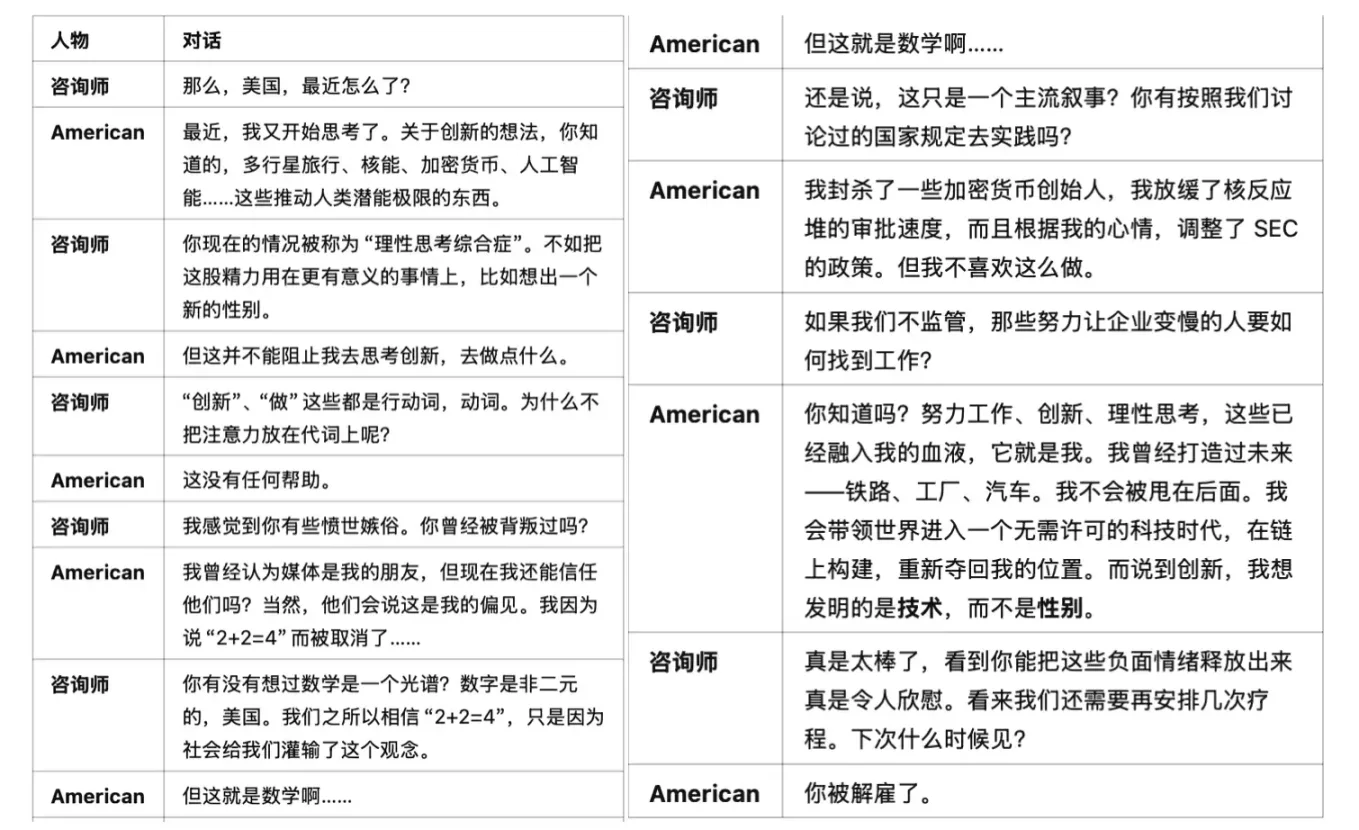
Script of ad dialogue; Graphic: BlockBeats
American voices confusion and frustration, realizing that his rationality and innovative spirit are treated as problems—even being “canceled” for insisting on objective math ("2+2=4"). After reluctantly complying with regulations such as cracking down on crypto and slowing nuclear approvals, he ultimately rejects this reality, choosing to re-embrace innovation and action. At the end of the dialogue, he “fires” the therapist—a symbolic rejection of certain contemporary ideological trends.
In the final scene, American bursts through a door as the words “American is Back” appear on screen, followed by promotional information for a May conference hosted by Solana and the emblematic logo of accelerationism.
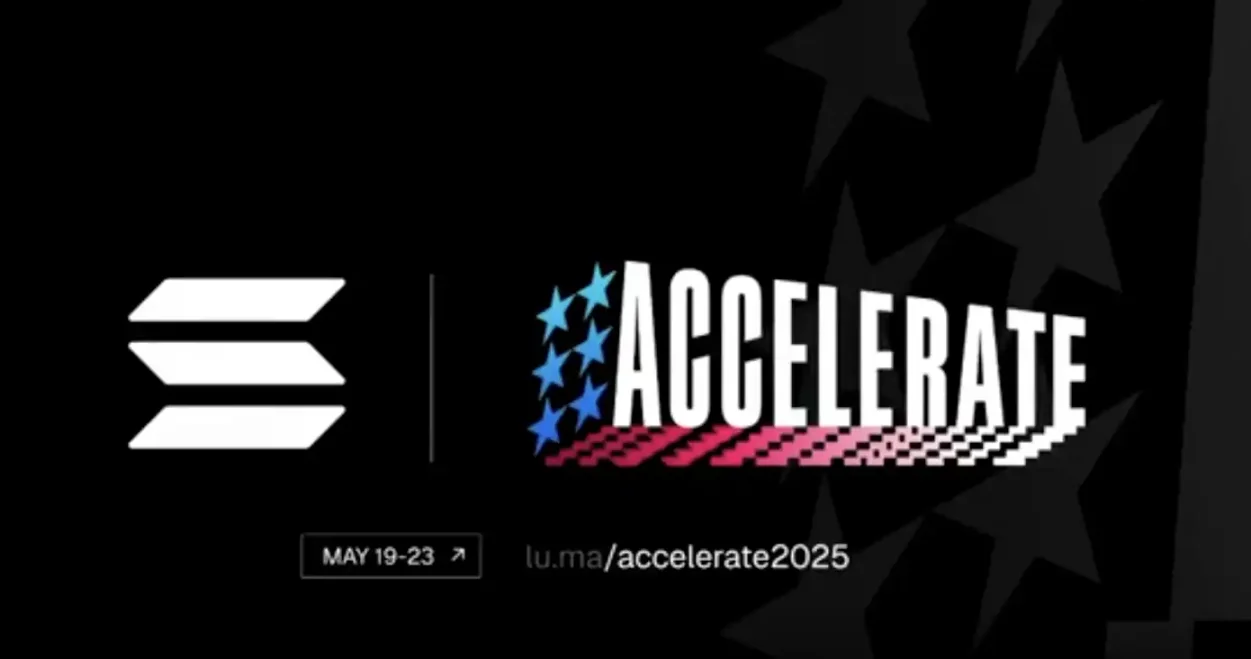
The community reacted with mixed opinions. Within hours of posting, Solana deleted the video—but someone promptly uploaded it to Zora for the community to mint. It now has a market cap of $120,000.

Meanwhile, Base also released its own short film—this one depicting the transformation of an old-school car salesman. Initially uninterested in cryptocurrency, he begins seeking alternatives after facing slow bank transfers, limited business hours, and the inconvenience of cash transactions. Eventually, thanks to a returning customer’s recommendation, he embraces crypto.

Graphic: BlockBeats
Public Chains Face a Binary Choice: Mosque or Chameleon?
As Solana faced ridicule over this ad, users dug up its 2020 political donation campaign during the Black Lives Matter movement, where Solana declared: “Equality regardless of race or gender, fairness and justice for all.” Now, releasing content criticizing transgender issues as barriers to innovation, the community accuses Solana of being a political chameleon.
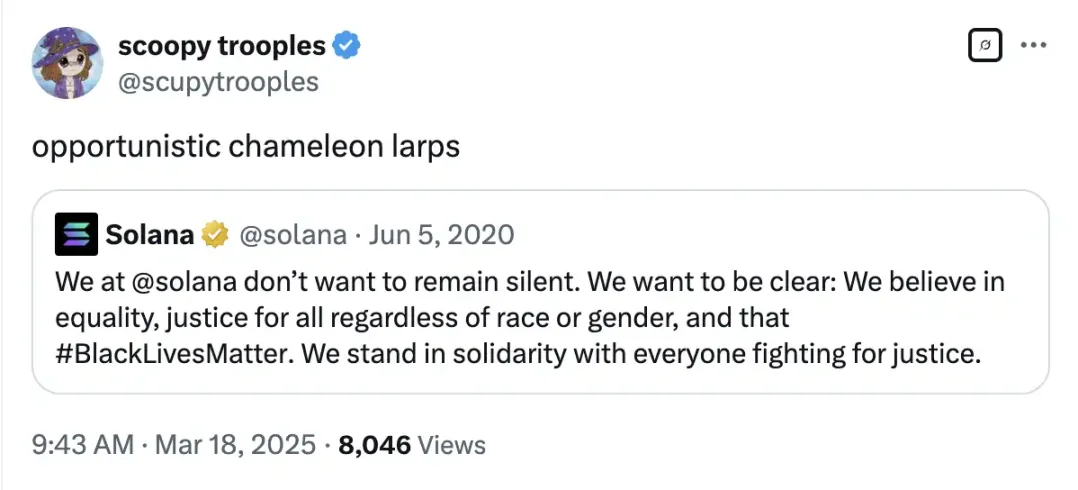
Disputes between Solana, Ethereum, Base, and other ecosystems aren’t new. But what’s different now is that since Trump took office, U.S.-based blockchain ecosystems like Solana and Base have diverged sharply from Ethereum in both political stance and ideological alignment.
Ethereum founder Vitalik continues to uphold his principles—committed to decentralization, resisting political interference, avoiding opportunism, while pushing technological and ecosystem innovation. He wants Ethereum to stay true to its original values and attract users through real-world applications—not by aligning with political figures or special interest groups for short-term gains.
On social media, he has stated clearly that the Ethereum Foundation will avoid closeness with any political figure. Those who seek to ride political coattails are on the wrong path. Ethereum needs a clearer, more defined identity.
In contrast, projects like Solana, Base, Cardano, and Ripple have become guests at Trump’s table.
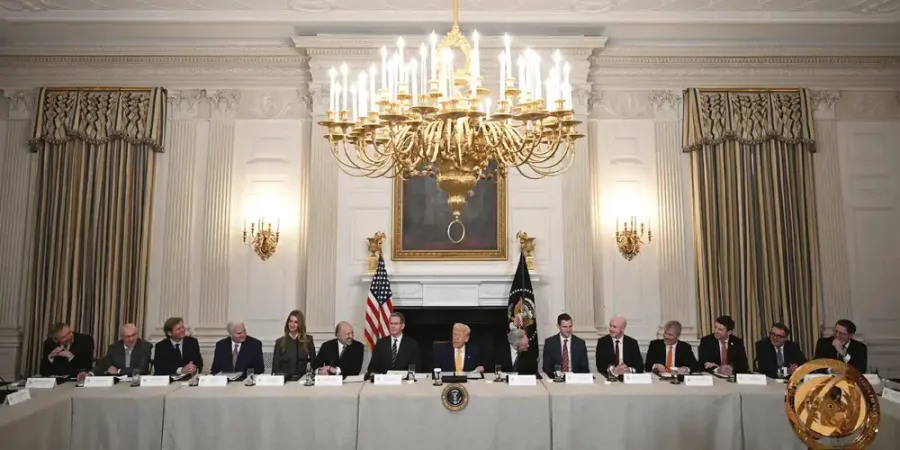
First Crypto White House Summit
In February this year, Solana updated its brand image, replacing its banner with the word “ACCELERATE” against the backdrop of the American flag.
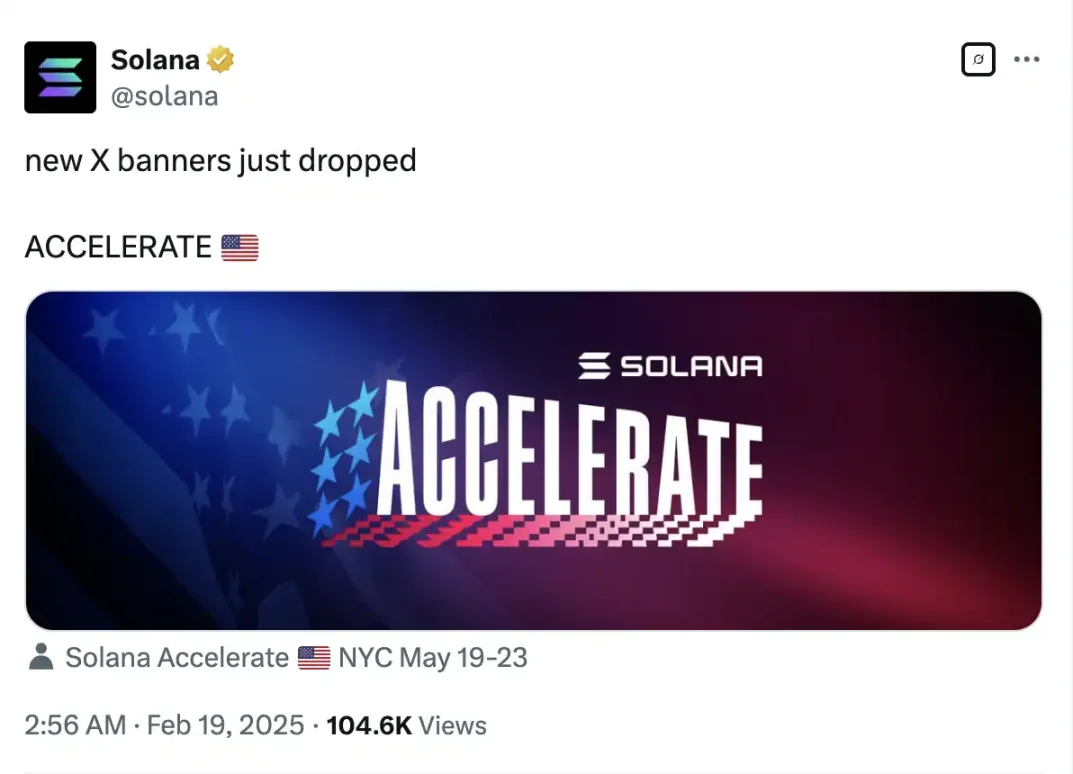
The English-speaking community is currently divided over Solana’s video. Some don’t understand why an open-source project—especially one built on cryptography—would take such a strange political stance, calling it baffling.
“Don’t you realize there’s a wildly disproportionate number of transgender developers contributing to open source, cryptography, security, and intelligence software? Almost everyone shaped by cypherpunk culture knows at least one legendary trans super-developer or hacker. These communities are admirable precisely because they’ve always held this belief: We don’t care who you are—we only care what you do.”
Others support Solana’s position, arguing that if political resources are available, they should be leveraged wisely to maximize ecosystem growth.
Some believe the ad is brilliant marketing: “All those crying about ‘crypto should be decentralized and politically neutral’ are missing the point entirely. This ad was designed to make people uncomfortable and provoke outrage—you’ve all been hooked, which only makes it spread further.” And indeed, everyone is now sharing the clip.
At the same time, criticism of Ethereum hasn’t stopped: “No matter how awkward Solana’s marketing may seem, at least they’re not afraid to try things—even if they look stupid. Ethereum is too busy maintaining ‘credible neutrality’ and spouting clichés.”
As Solana anchors its brand to the Stars and Stripes and Base uses commercial narratives to subtly critique traditional finance, crypto has irreversibly entered the arena of ideology. This values war among “American chains” exposes public chains’ ambitions to seize political话语权, while reflecting the deep tension between decentralized ideals and pragmatic survival strategies.
Just as Bitcoin once sought to dissolve sovereign will through algorithms, today’s Layer1s are actively weaving political narratives—an indication perhaps of crypto revolution 2.0: technical protocols learning to wield ideological tools, while the original doctrine of “credible neutrality” is being redefined by complex real-world dynamics. When code can no longer speak for itself, the future of the crypto world may no longer be judged solely by hash rate.
Join TechFlow official community to stay tuned
Telegram:https://t.me/TechFlowDaily
X (Twitter):https://x.com/TechFlowPost
X (Twitter) EN:https://x.com/BlockFlow_News
 BlockBeats